Silencing of Cholesterol 25‐Hydroxylase Attenuates Lipopolysaccharide‐Induced Cardiomyocyte Damage In Vitro
Yi‐jiao Men, Hong‐bo Cheng, Yan‐ling Dong, Yu Gong, Ya‐qing An, Ying‐li Jin, Shu‐na Hao, Yu Ma, Ying‐ping Tian

TL;DR
This study shows that silencing a gene called CH25H reduces heart cell damage caused by sepsis-related inflammation in lab experiments.
Contribution
The study identifies CH25H as a novel contributor to sepsis-induced heart cell injury and suggests it as a potential therapeutic target.
Findings
CH25H is upregulated in sepsis-induced myocardial dysfunction in both mice and cell models.
Silencing CH25H reduces LPS-induced oxidative stress, mitochondrial dysfunction, and apoptosis in cardiomyocytes.
CH25H promotes cardiomyocyte injury via the NLRP3/NF-κB pathway, which can be inhibited by NLRP3 inhibitors.
Abstract
The underlying mechanisms of sepsis‐induced myocardial dysfunction (SIMD) remain elusive, and no targeted therapies currently exist. This study aimed to explore the expression features and functional effects of cholesterol 25‐hydroxylase (CH25H) in SIMD in vitro. CH25H was identified as an upregulated gene related to SIMD through bioinformatics analysis. Its upregulation was validated in the myocardial tissue of SIMD mice as well as in lipopolysaccharide (LPS)‐induced primary cardiomyocytes and AC16 cells. CH25H overexpression elevated 25‐hydroxycholesterol levels and aggravated oxidative stress, mitochondrial dysfunction, apoptosis, and NOD‐like receptor family pyrin domain containing 3 (NLRP3) inflammasome and NF‐κB pathway activation in AC16 cells. The effect of CH25H overexpression was similar to that induced by LPS treatment. Conversely, silencing CH25H attenuated these LPS‐induced…
Genes, proteins, chemicals, diseases, species, mutations and cell lines named across the full text — each resolved to its canonical identifier and authoritative record.
Click any figure to enlarge with its caption.
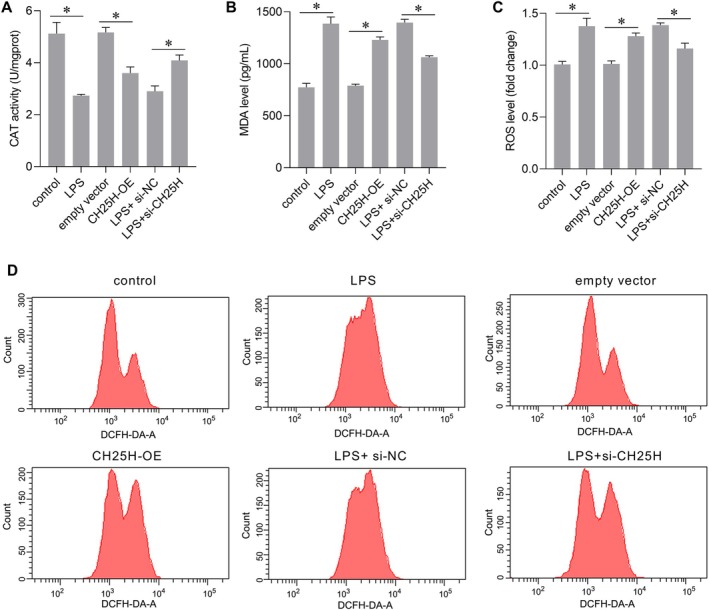 Figure 1
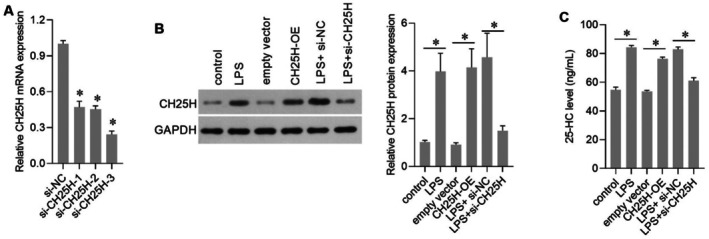 Figure 2
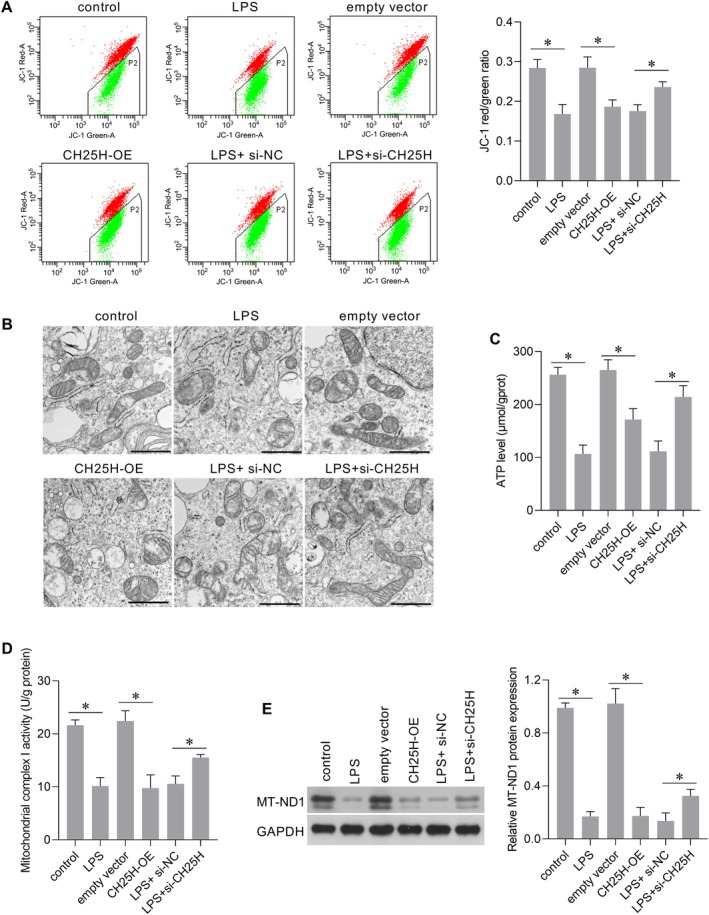 Figure 3
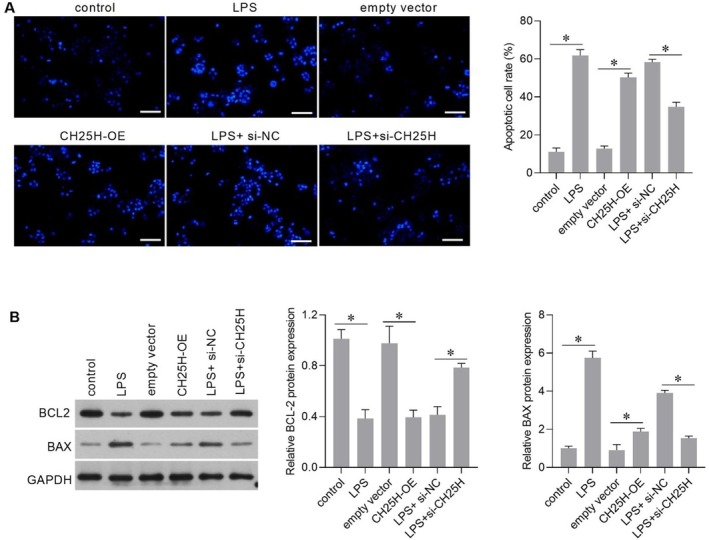 Figure 4
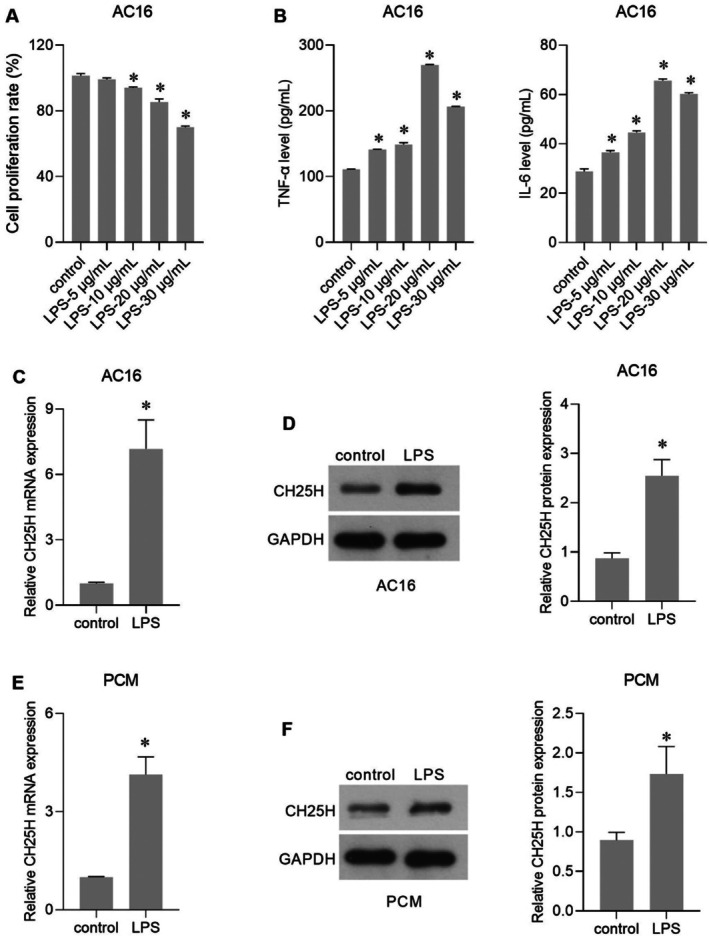 Figure 5
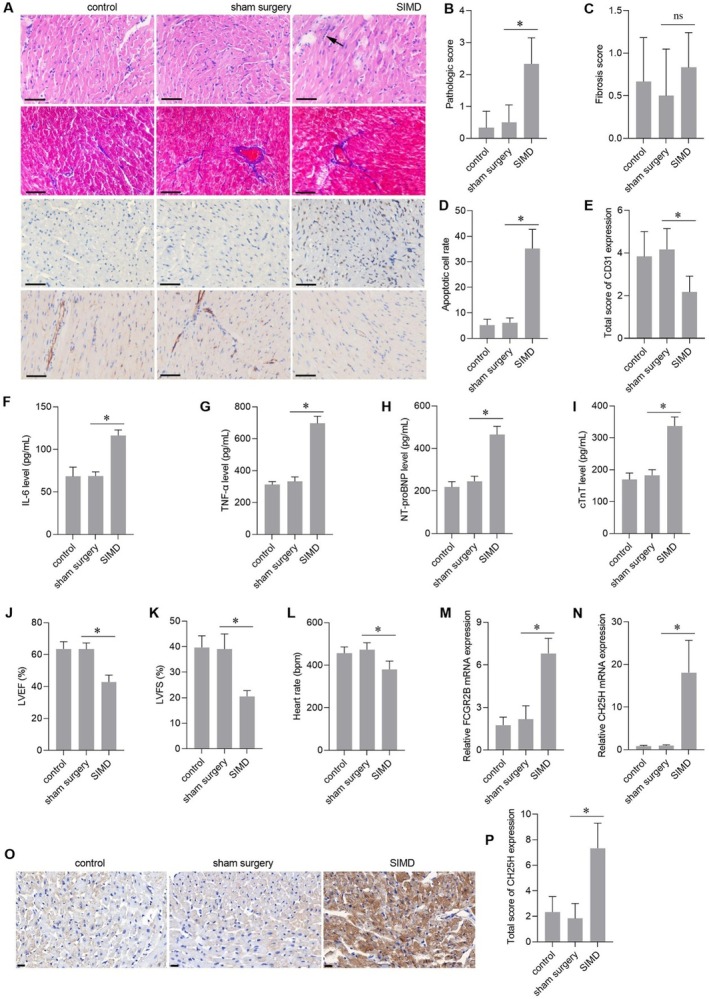 Figure 6
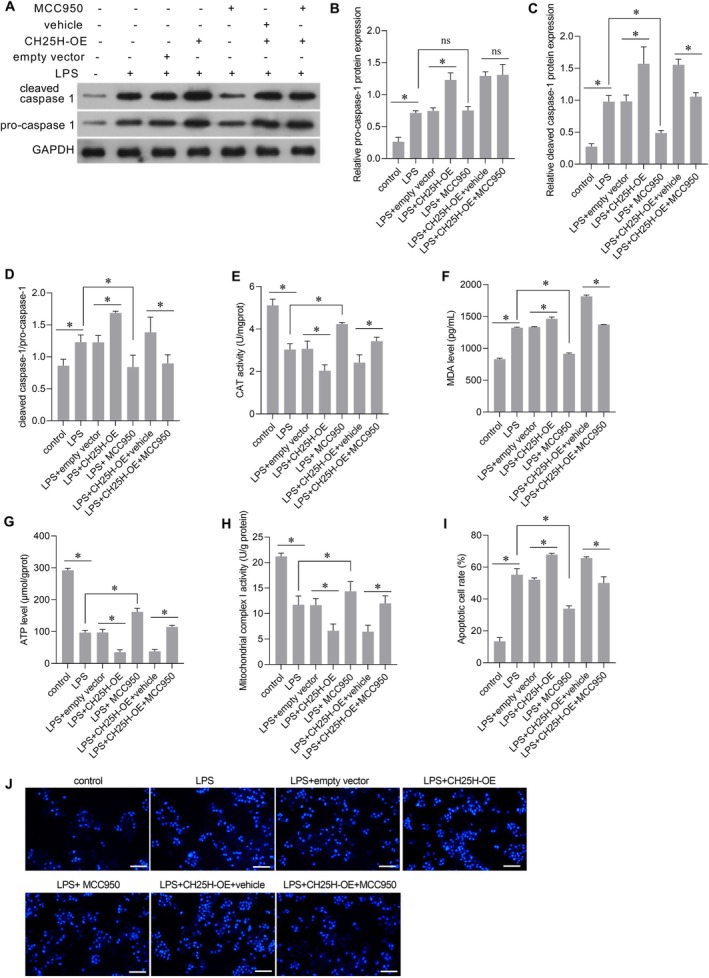 Figure 7
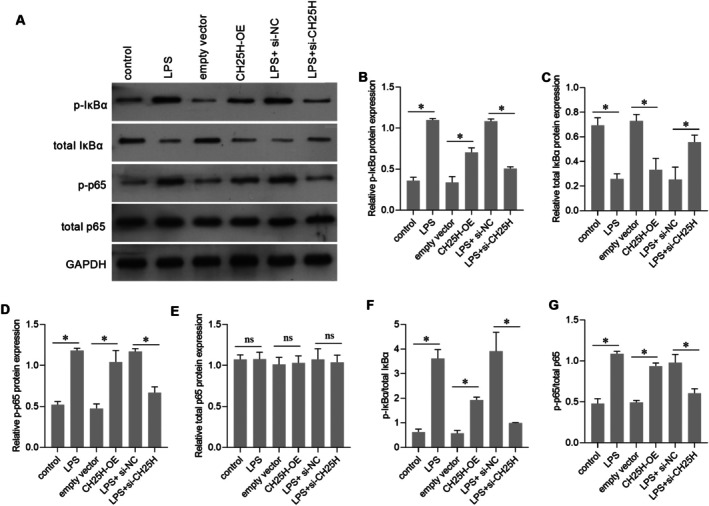 Figure 8
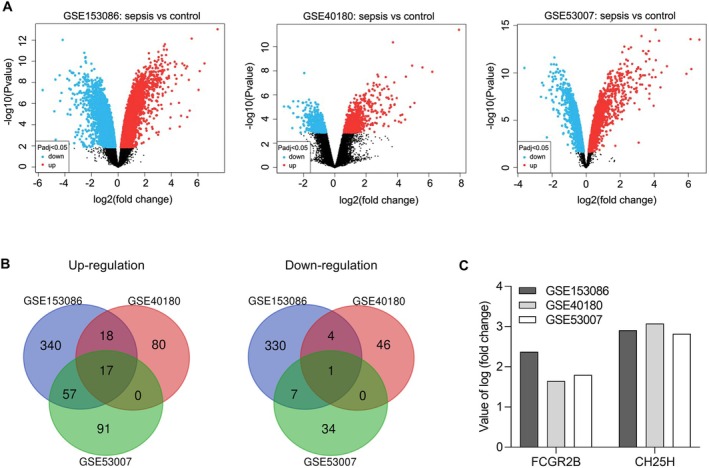 Figure 9
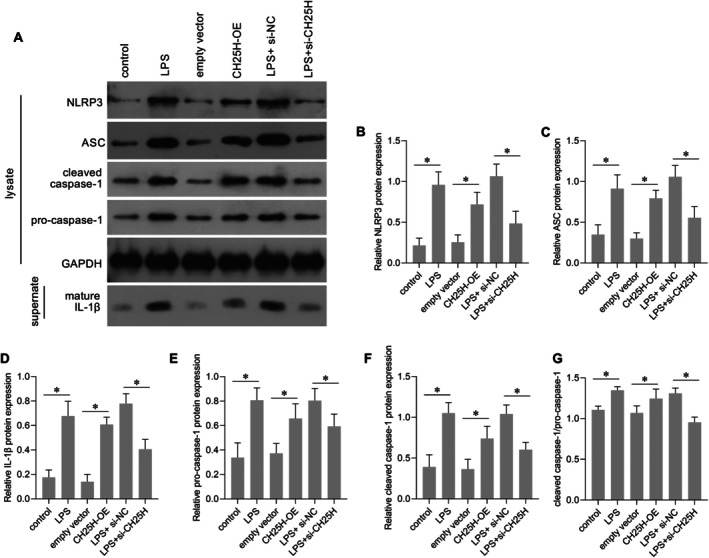 Figure 10
Peer Reviews
No public reviews on file for this paper yet. If you reviewed it on a platform where reviews are public (OpenReview, ICLR, NeurIPS, ICML), you can paste yours below so the community can read it here.
Videos
No videos yet. Explain this paper in a talk, walkthrough, or lecture? Add one.
Taxonomy
TopicsCholesterol and Lipid Metabolism · Inflammasome and immune disorders · Lipoproteins and Cardiovascular Health