Reading an Artist’s Intention from the Composition (RAIC): eye movements and aesthetic experience in Japanese woodblock prints
Yuka Nojo, Antoni B. Chan

TL;DR
This study explores how eye movements and composition in Japanese woodblock prints influence aesthetic experience and understanding of an artist's intention.
Contribution
The study introduces RAIC, a novel framework linking gaze behavior to artistic intention and aesthetic engagement.
Findings
Artworks with compositional structures aligned with expert scanpaths enabled better interpretation of the artist's intention.
High-rated artworks were associated with greater perceptual fluency, as indicated by pupil size analysis.
Abstract
Understanding the cognitive mechanisms and decision-making processes involved in aesthetic judgement of visual art has become a growing focus in recent research. While eye movements have been strongly associated with impression evaluations, the underlying processes linking gaze behaviour and aesthetic experience remain underexplored. Recent discourse suggests that compositional strategies in artworks may guide viewers’ gaze and support narrative understanding. We hypothesised that the more closely a viewer’s gaze follows the artist’s intended compositional path, the better they comprehend the artwork’s intention and context, thereby enriching their aesthetic experience. This process is defined as RAIC (Reading an Artist’s Intention from the Composition). We collected 30-s eye-tracking data from 48 participants who viewed 12 Japanese woodblock landscape prints (Ukiyo-e). These artworks…
Genes, proteins, chemicals, diseases, species, mutations and cell lines named across the full text — each resolved to its canonical identifier and authoritative record.
Click any figure to enlarge with its caption.
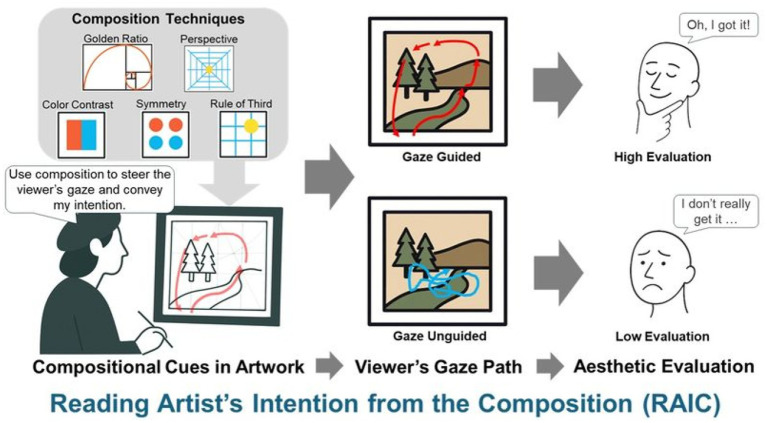 Figure 1
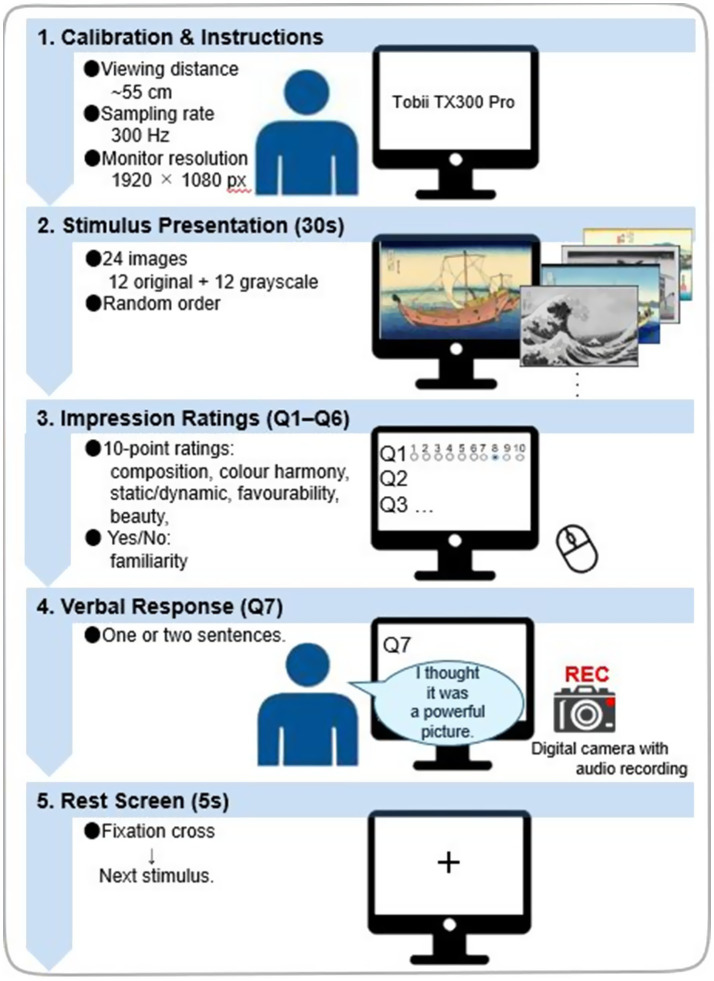 Figure 2
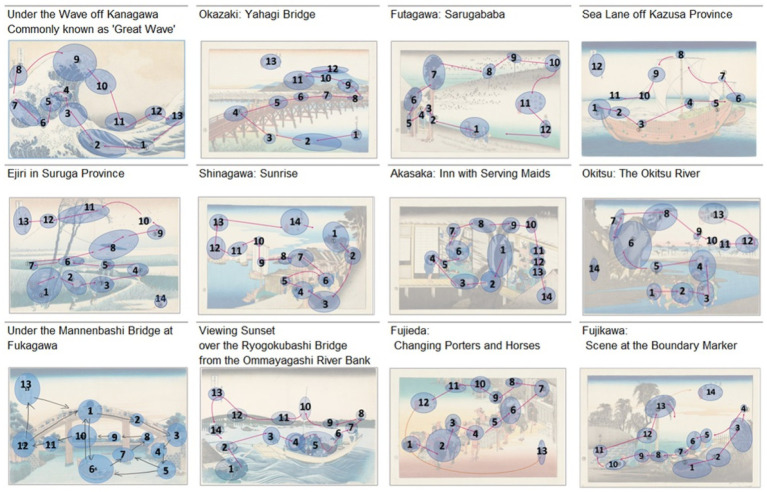 Figure 3
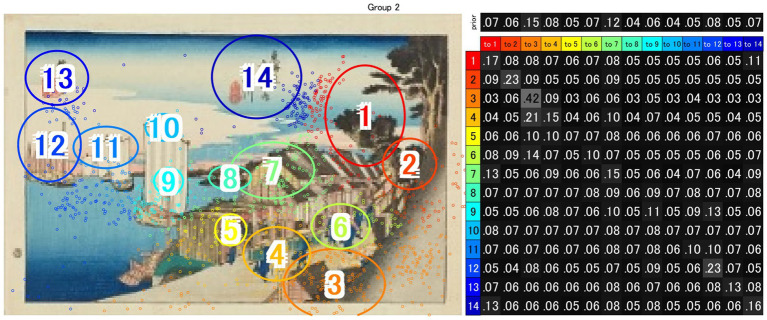 Figure 4
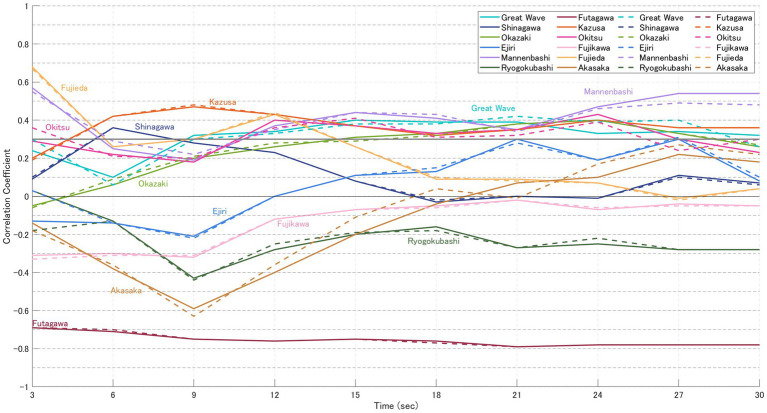 Figure 5
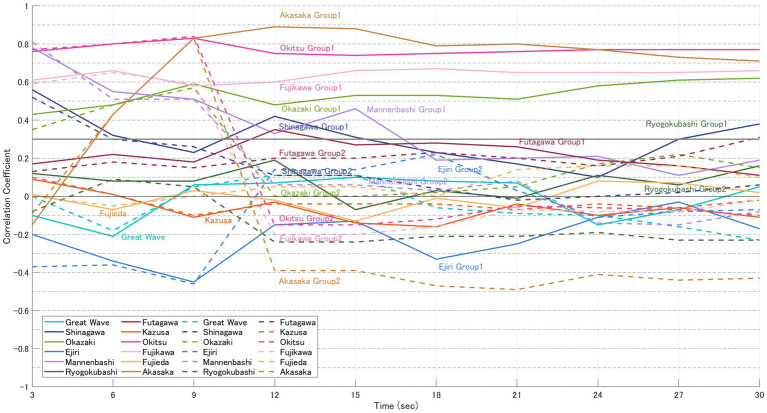 Figure 6
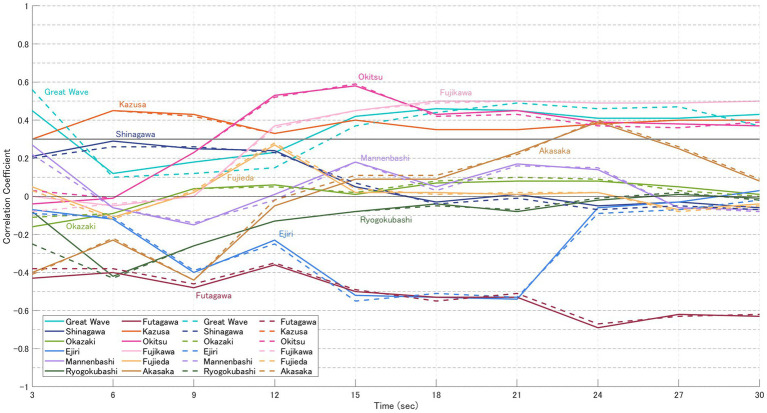 Figure 7
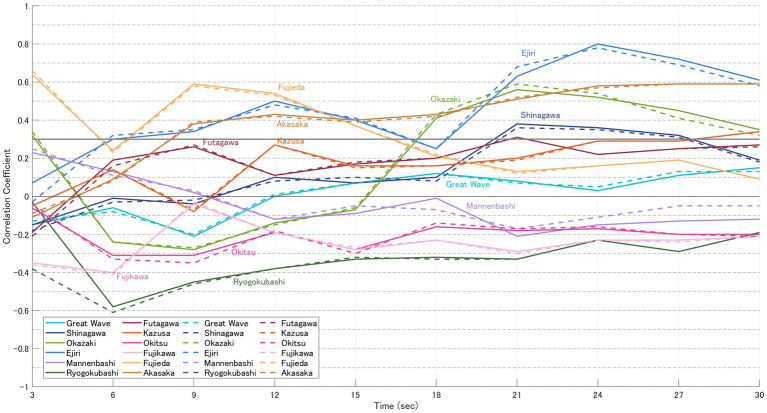 Figure 8
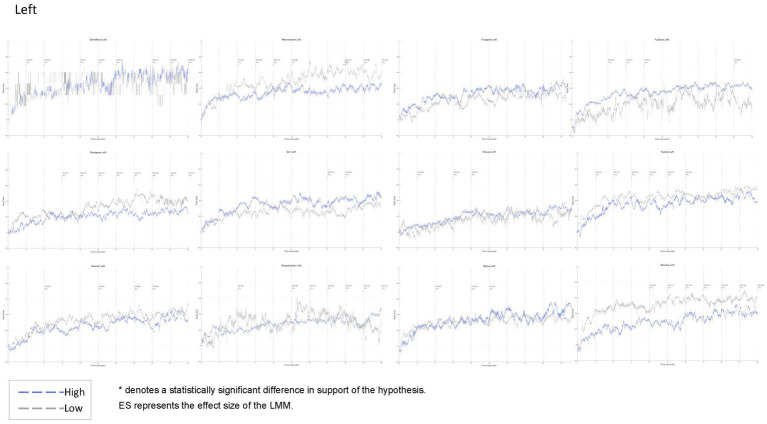 Figure 9
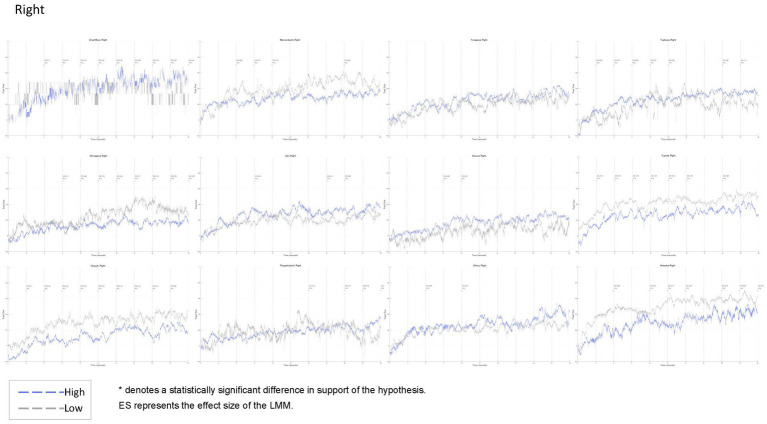 Figure 10
 Figure 11
 Figure 12
Peer Reviews
No public reviews on file for this paper yet. If you reviewed it on a platform where reviews are public (OpenReview, ICLR, NeurIPS, ICML), you can paste yours below so the community can read it here.
Videos
No videos yet. Explain this paper in a talk, walkthrough, or lecture? Add one.
Taxonomy
TopicsAesthetic Perception and Analysis · Creativity in Education and Neuroscience · Multisensory perception and integration