Wearable Augmented Reality for Nystagmus Examination in Patients With Vertigo: Randomized Crossover Usability Study
Ching-Nung Wu, Ming-Che Chen, Chien-Yan Chien, Hsiang-Han Chang, Sheng-Dean Luo, Chung-Feng Hwang, Wan-Jung Chang

TL;DR
This study shows that a wearable AR system can help examine nystagmus in vertigo patients, matching traditional methods and offering portability.
Contribution
A wearable AR system for nystagmus examination is proposed and shown to agree with conventional video-oculography.
Findings
The AR system showed preliminary diagnostic agreement with conventional video-oculography.
The system is feasible for portable vestibular assessment in vertigo patients.
Abstract
We demonstrate the feasibility of a wearable, augmented reality–based nystagmus examination system, showing its preliminary diagnostic agreement with conventional video-oculography and its potential for portable vestibular assessment in patients with vertigo.
Genes, proteins, chemicals, diseases, species, mutations and cell lines named across the full text — each resolved to its canonical identifier and authoritative record.
Click any figure to enlarge with its caption.
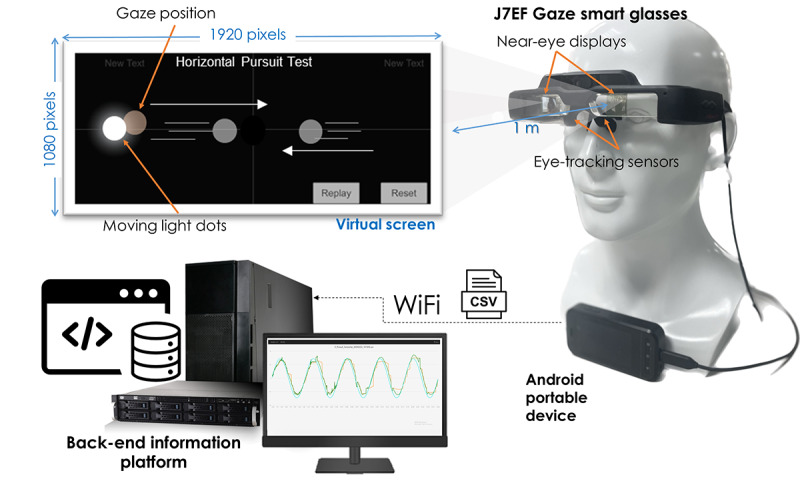 Figure 1
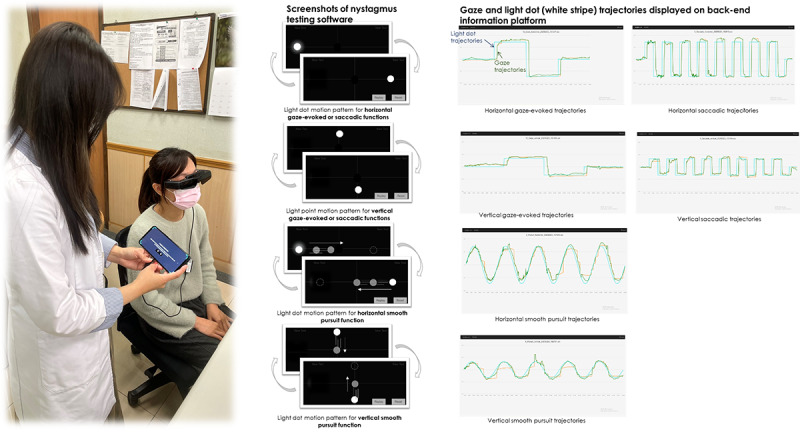 Figure 2
Peer Reviews
No public reviews on file for this paper yet. If you reviewed it on a platform where reviews are public (OpenReview, ICLR, NeurIPS, ICML), you can paste yours below so the community can read it here.
Videos
No videos yet. Explain this paper in a talk, walkthrough, or lecture? Add one.
Taxonomy
TopicsVestibular and auditory disorders · Tactile and Sensory Interactions · Hand Gesture Recognition Systems