Mobile Intervention for Increasing COVID-19 Testing in K-12 Schools Serving Disadvantaged Communities: Randomized Controlled Trial of SCALE-UP Counts
Yelena P Wu, Jonathan J Chipman, Leighann Kolp, Tammy K Stump, Tatyana V Kuzmenko, Guilherme Del Fiol, Benjamin Haaland, Kimberly A Kaphingst, Roger Brooks, Adam L Hersh, Hannah L Brady, Kelly J Lundberg, Neng Wan, Courtney Carroll, Brian Orleans, Jennifer Wirth, David W Wetter

TL;DR
A mobile intervention using automated text messages increased COVID-19 testing among parents in disadvantaged K-12 schools.
Contribution
The study introduces a scalable health IT approach using bidirectional texting to improve testing rates in underserved school communities.
Findings
Bidirectional texting increased self-reported testing by 22.8% compared to 13.5% in the control group.
No significant difference in missed school days was observed between the two groups.
The intervention was successfully implemented in Title 1 schools, showing potential for broader public health use.
Abstract
A key challenge for schools throughout the COVID-19 pandemic was finding ways to monitor and prevent COVID-19 cases. While diagnostic testing and connecting students and their families to appropriate resources to mitigate the spread of COVID-19 were recommended, few schools had scalable infrastructure, including information technology systems, to implement these types of measures. This study tested a new approach to COVID-19 testing (SCALE-UP Counts) in school settings that used automated bidirectional text messages provided to the school community that alerted parents of students to COVID-19 testing options and guidance on when to test. The SCALE-UP Counts trial was designed as a Sequential Multiple Assignment Randomized Trial and final analyses compared results from parents who received intensive, fully automated, bidirectional text messaging about COVID-19 testing or usual care…
Genes, proteins, chemicals, diseases, species, mutations and cell lines named across the full text — each resolved to its canonical identifier and authoritative record.
Click any figure to enlarge with its caption.
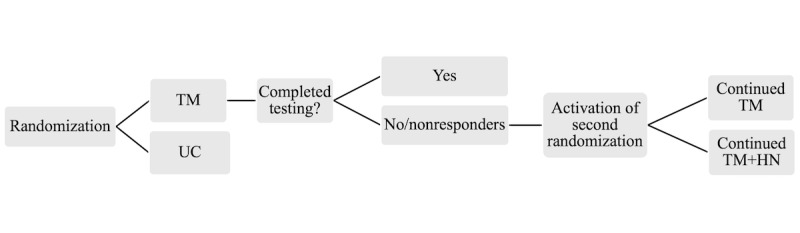 Figure 1
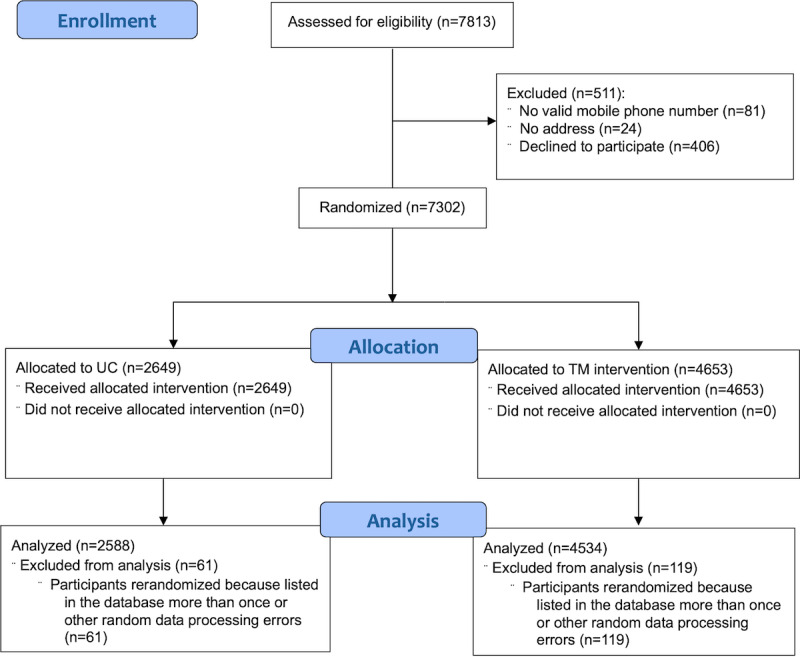 Figure 2
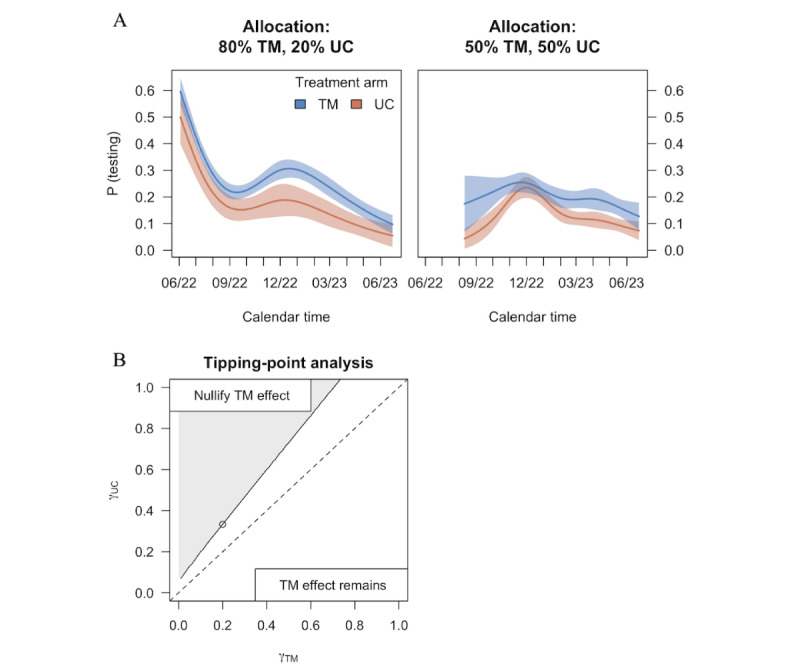 Figure 3
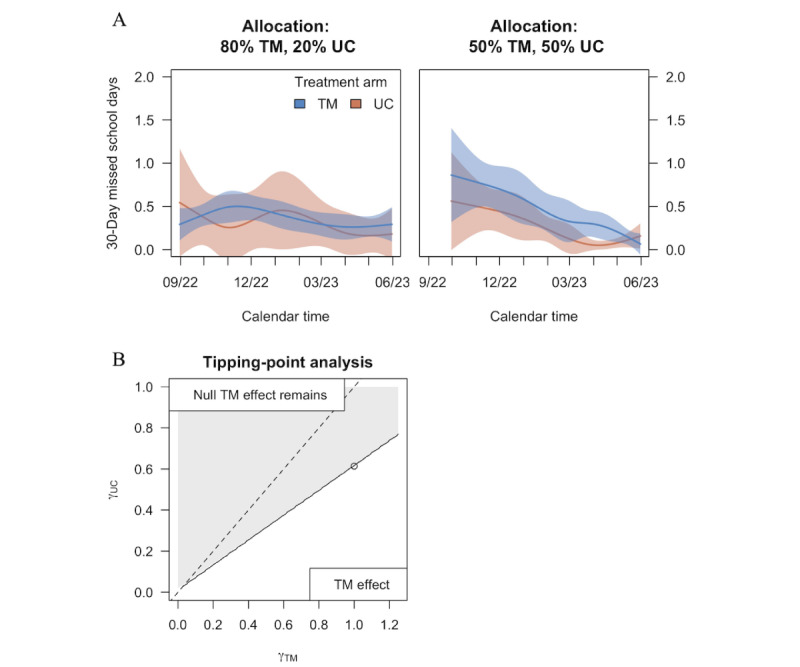 Figure 4
Peer Reviews
No public reviews on file for this paper yet. If you reviewed it on a platform where reviews are public (OpenReview, ICLR, NeurIPS, ICML), you can paste yours below so the community can read it here.
Videos
No videos yet. Explain this paper in a talk, walkthrough, or lecture? Add one.
Taxonomy
TopicsLiterature Analysis and Criticism