Single-cell multi-omics analysis reveals cellular subpopulations associated with relapse in high-risk B-ALL following intensified chemotherapy
Li Liu, Xiaoyan Mao, Chunhui Yang, Na Li, Yan Zhou, Li Zhang, Nanjing Jiang, Yu Huang, Shigang Yin, Huangfan Xie, Xin Tian

TL;DR
This study identifies specific cell types linked to relapse in high-risk B-cell leukemia after intensive chemotherapy, offering insights into treatment resistance.
Contribution
The study reveals novel drug-resistant subpopulations in HSC/MPP and Pro-B cells associated with relapse in high-risk B-ALL.
Findings
Non-remission B-ALL patients show increased HSC/MPP and Pro-B cells with higher copy number variations.
Drug-resistant subclusters in HSC/MPP and Pro-B cells are marked by specific gene expression and pathway enrichments.
Identified subpopulations provide molecular insights into treatment resistance mechanisms in B-ALL.
Abstract
Acute lymphoblastic leukemia (ALL) is the most prevalent malignant tumor in children, with B-cell ALL (B-ALL) accounting for 85% of cases. Despite advancements in chemotherapy and supportive care, a subset of high-risk B-ALL patients still experience relapse post-treatment. The molecular mechanisms underlying the relapses after intensified chemotherapy remain poorly understood. We performed an integrated single-cell multi-omics analysis combining single-cell RNA sequencing (scRNA-seq) and single-cell ATAC sequencing (scATAC-seq) on peripheral blood mononuclear cells (PBMCs) from pediatric high-risk B-ALL patients following early intensified chemotherapy, as well as from healthy controls. Bioinformatic pipelines were applied to assess cellular composition, chromatin accessibility, gene ontology enrichment, spectral clustering, and copy number variation. Significant differences in…
Genes, proteins, chemicals, diseases, species, mutations and cell lines named across the full text — each resolved to its canonical identifier and authoritative record.
Click any figure to enlarge with its caption.
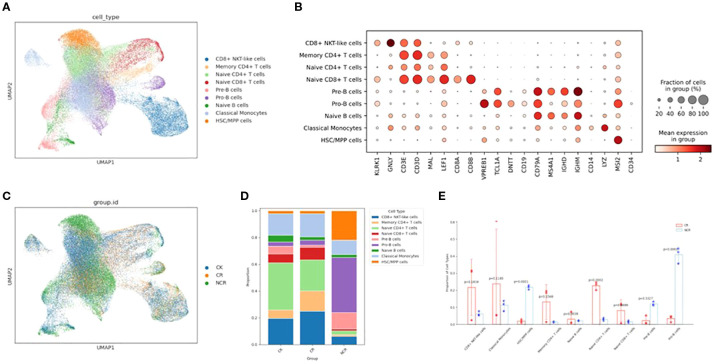 Figure 1
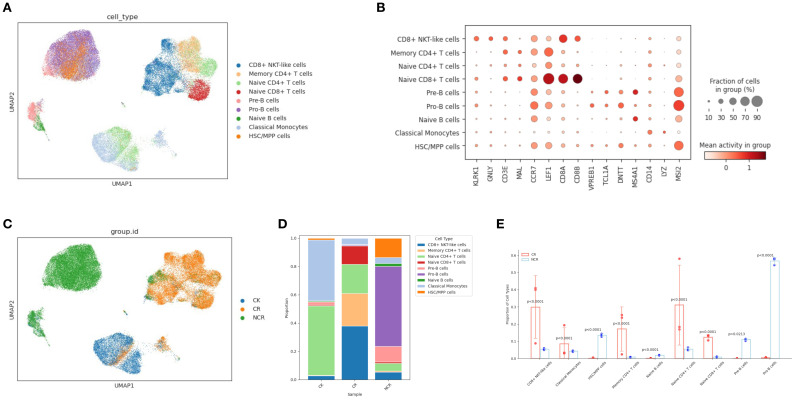 Figure 2
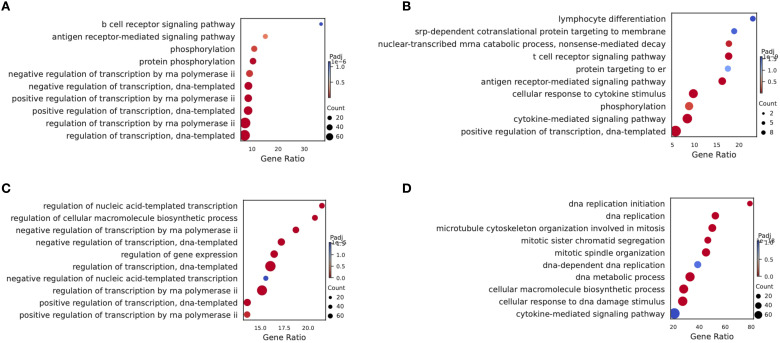 Figure 3
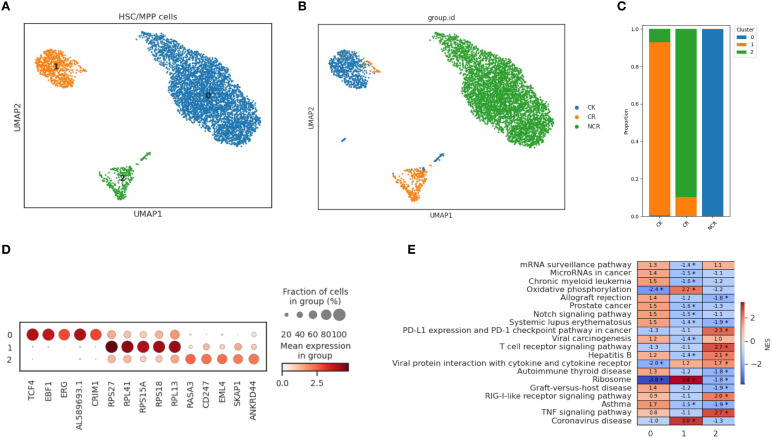 Figure 4
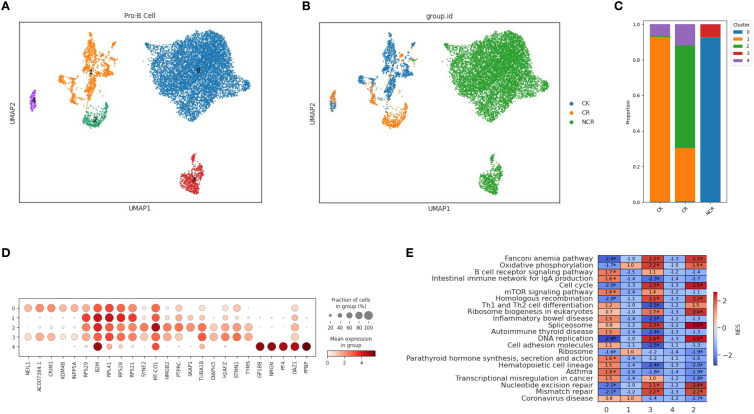 Figure 5
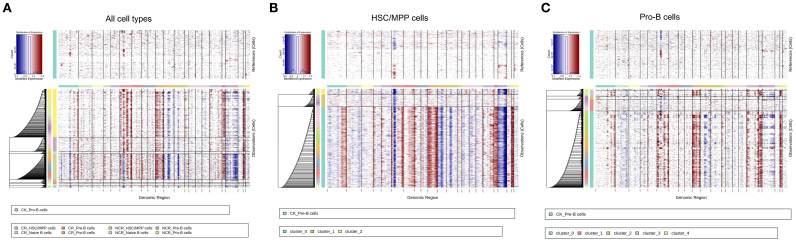 Figure 6
 Figure 7
 Figure 8
Peer Reviews
No public reviews on file for this paper yet. If you reviewed it on a platform where reviews are public (OpenReview, ICLR, NeurIPS, ICML), you can paste yours below so the community can read it here.
Videos
No videos yet. Explain this paper in a talk, walkthrough, or lecture? Add one.
Taxonomy
TopicsAcute Lymphoblastic Leukemia research · Chronic Myeloid Leukemia Treatments · Hematopoietic Stem Cell Transplantation