RNA-sequencing Reveals Altered Gene Expression in the Ventromedial Hypothalamus Following Predator Odor Exposure
Ashely Shemery, Megan Gibson, Erin Gorrell, Diamond Daniel, Helen Piontkivska, Colleen M Novak, Vito S Hernandez, Colleen Novak, Yunhui Liu, Colleen Novak

TL;DR
Exposure to predator odor changes gene activity in a brain region linked to metabolism and body weight, suggesting new ways to boost energy expenditure.
Contribution
Identifies specific genes and pathways in the VMH altered by predator odor exposure, linking them to metabolic changes.
Findings
Predator odor exposure alters VMH gene expression, including Bdnf and Sirt1.
RNA-sequencing reveals 245 differentially expressed genes linked to immune response and oxidative stress.
Altered gene activity in the VMH is associated with increased energy expenditure and weight loss.
Abstract
Physical activity is the second largest contributor to our total daily energy expenditure (EE). Uncovering ways to increase EE during activity could yield new approaches to treat obesity. The ventromedial hypothalamus (VMH) regulates body weight by modulating muscle metabolism and sympathetic nervous system (SNS) activity. The VMH also mediates behavioral responses to predator threat. While the VMH is a potential mediator of metabolic responses to predator threat, the mechanisms are unknown. Exposing rats to predator odor (PO) exposure causes a rapid increase in skeletal muscle thermogenesis that peaks between 20-30 min and dissipates to baseline by 4 hr. This thermogenic response is associated with weight loss and increased EE even when controlling for physical activity. To probe potential targets of PO-induced metabolic responses in the VMH, we first performed qPCR for genes known to…
Genes, proteins, chemicals, diseases, species, mutations and cell lines named across the full text — each resolved to its canonical identifier and authoritative record.
Click any figure to enlarge with its caption.
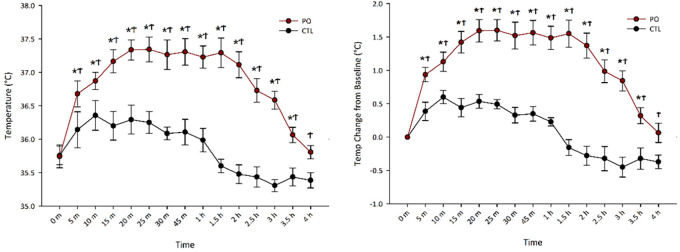 Figure 1
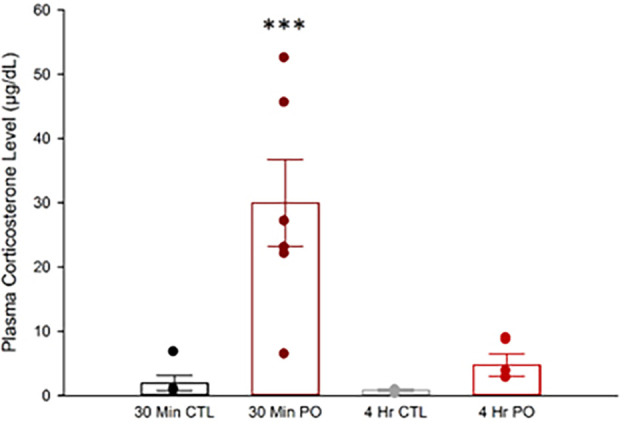 Figure 2
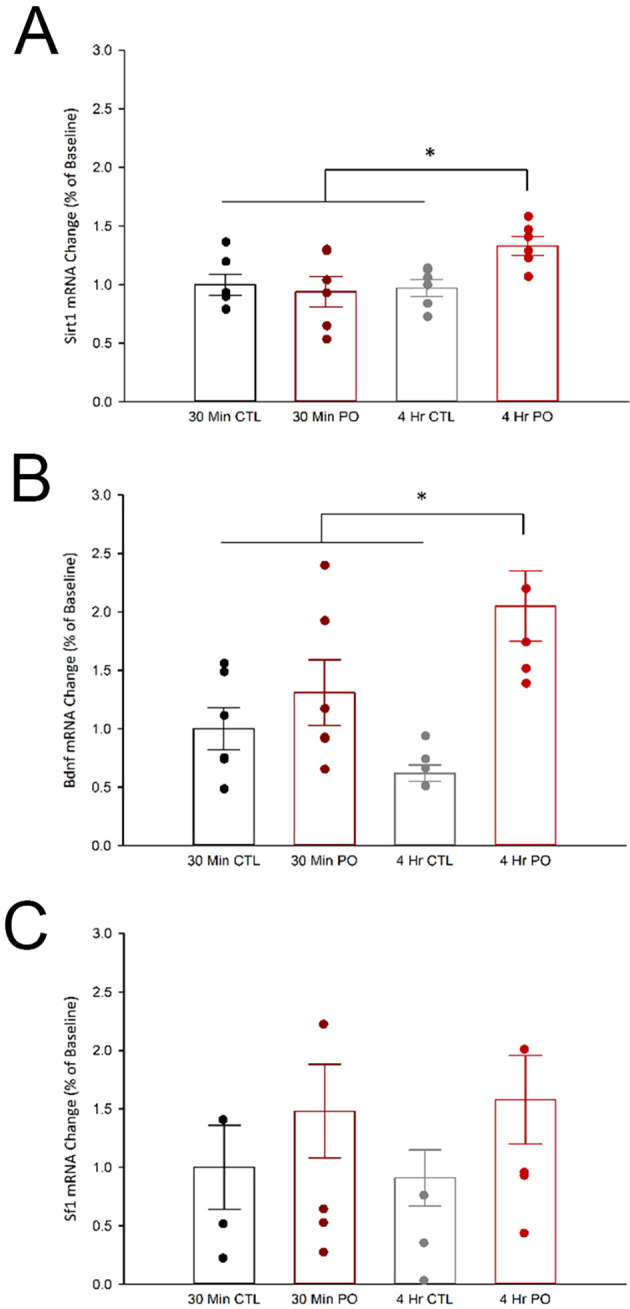 Figure 3
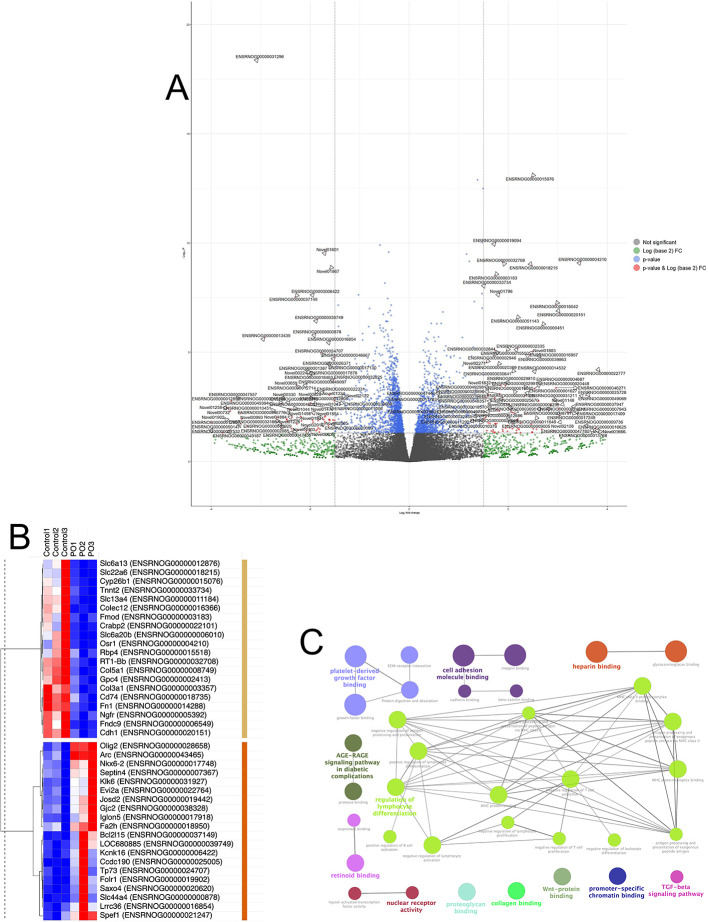 Figure 4
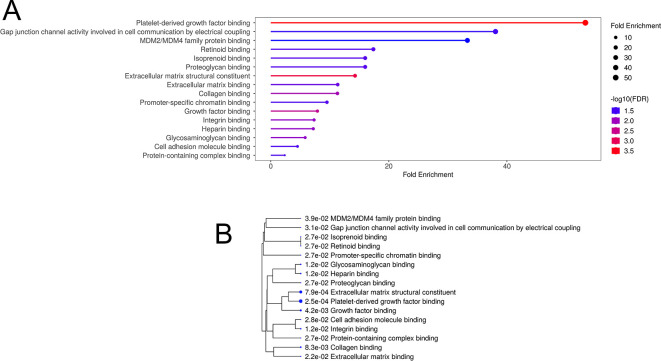 Figure 5
Peer Reviews
No public reviews on file for this paper yet. If you reviewed it on a platform where reviews are public (OpenReview, ICLR, NeurIPS, ICML), you can paste yours below so the community can read it here.
Videos
No videos yet. Explain this paper in a talk, walkthrough, or lecture? Add one.
Taxonomy
TopicsAdipose Tissue and Metabolism · Circadian rhythm and melatonin · Olfactory and Sensory Function Studies