Genomic vulnerability assessment reveals the potential benefits of adaptive introgression by mitigating the maladaptive risk of admixed populations
Wen-Hao Li, Han-Yang Lin, Chen Chen, Chen-Feng Lin, Xing-Xing Shen, Yun-Peng Zhao

TL;DR
This study explores how genetic mixing in dove tree populations may help reduce their risk of maladaptation due to climate change.
Contribution
The study demonstrates that introgression can partially mitigate genomic vulnerability in admixed populations of a relict tree species.
Findings
Eastern admixed populations showed reduced genomic vulnerability due to introgression from the southern lineage.
Introgressive loci had moderate importance along environmental gradients but provided only partial counterbalance to maladaptation.
Genomic vulnerability analysis identified 747 climate-associated loci, with 138 found in admixed populations.
Abstract
As climate change accelerates, plant species largely rely on genetic variation to adapt and survive when they fail to track their ecological niches through range shifts. Predicted genomic vulnerability is able to identify populations lacking the necessary genetic variation for climate change adaptation. However, the role of introgression in genomic vulnerability remains poorly explored. Here, we used the dove tree (Davidia involucrata), a relict species native to southwestern China, to test whether introgression may reduce genomic vulnerability. By integrating population genomics and environmental data collected from 196 individuals of 18 populations, we identified 747 strictly climate-associated loci across the distribution range of D. involucrata, 138 of which were recovered from the genetically admixed populations. We estimated the genomic vulnerability for three genetic lineages and…
Genes, proteins, chemicals, diseases, species, mutations and cell lines named across the full text — each resolved to its canonical identifier and authoritative record.
Click any figure to enlarge with its caption.
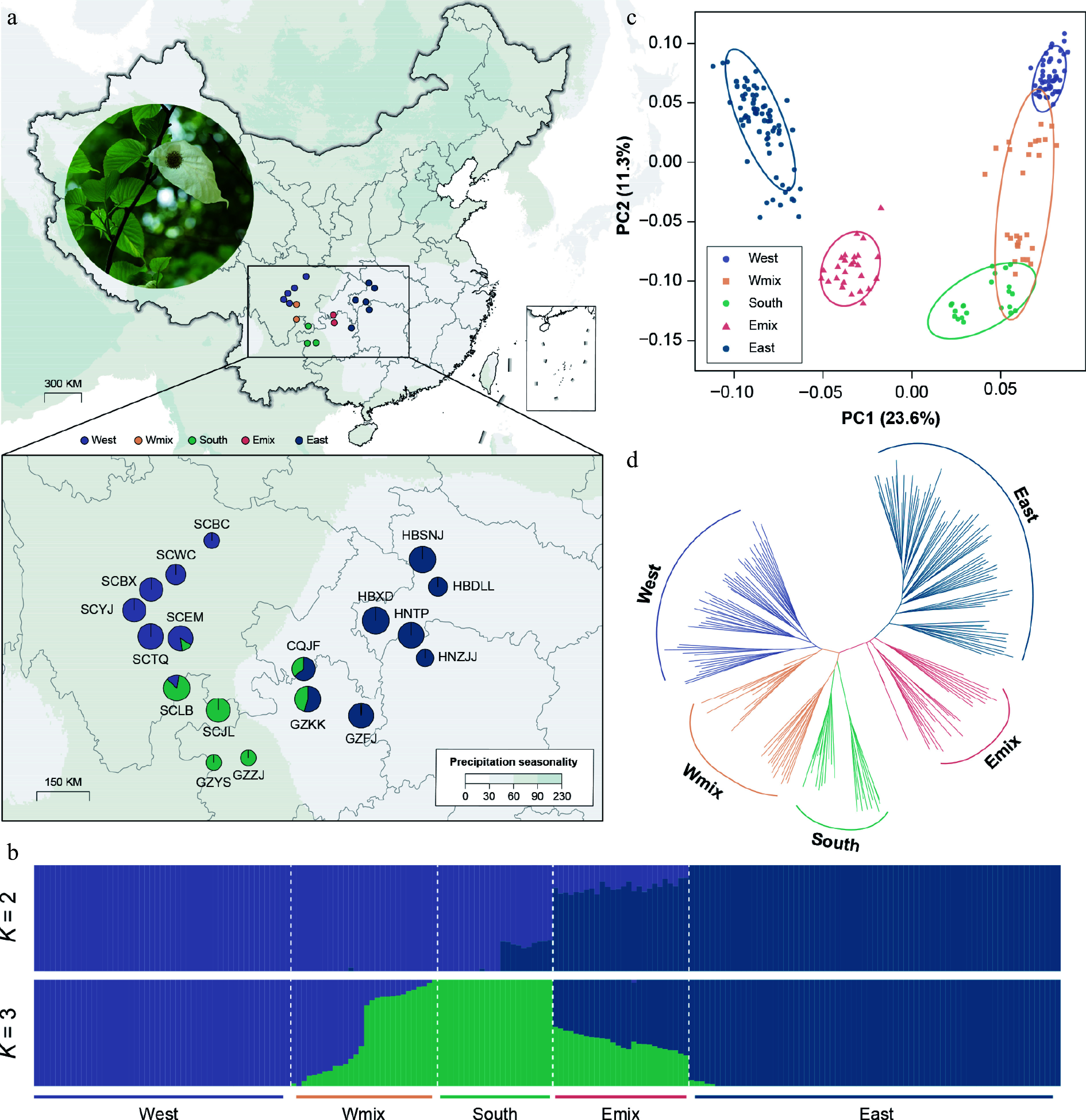 Figure 1
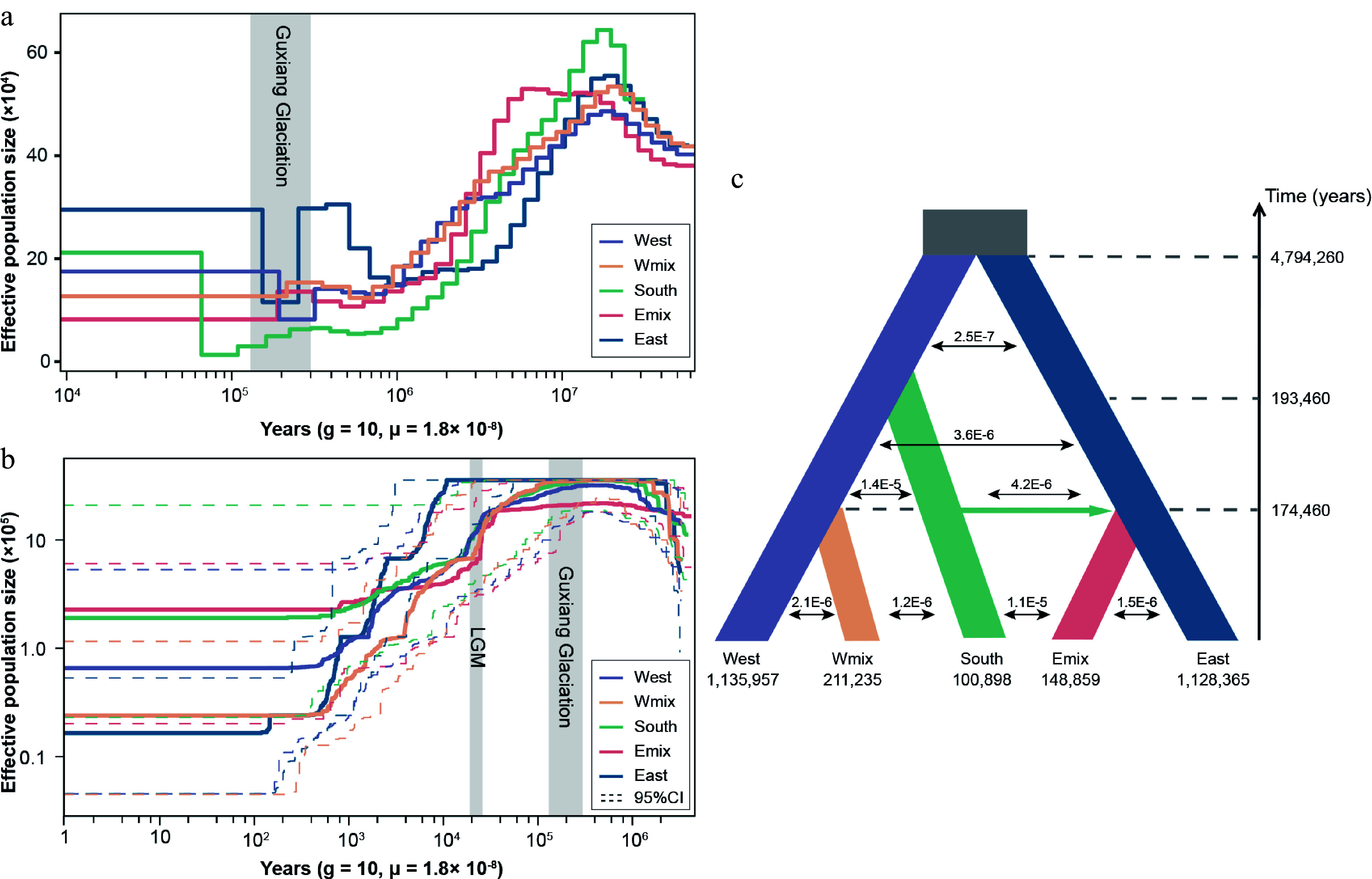 Figure 2
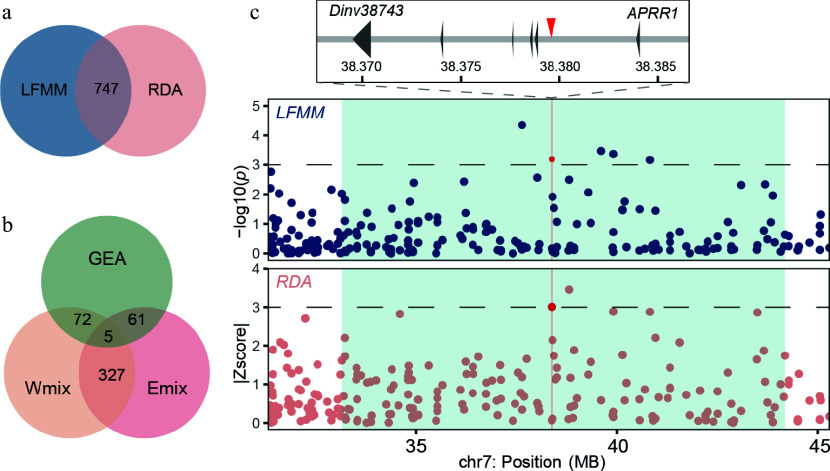 Figure 3
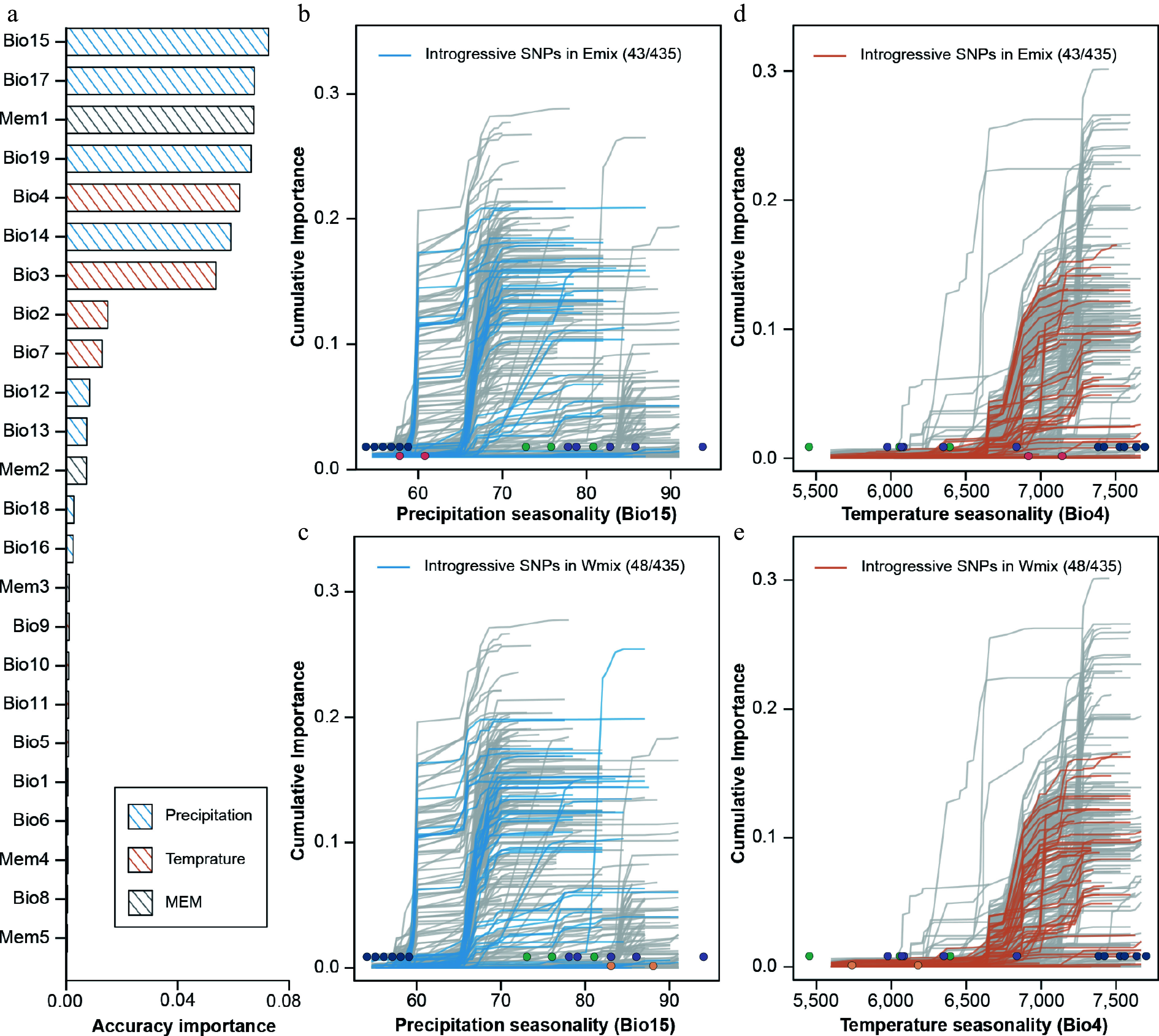 Figure 4
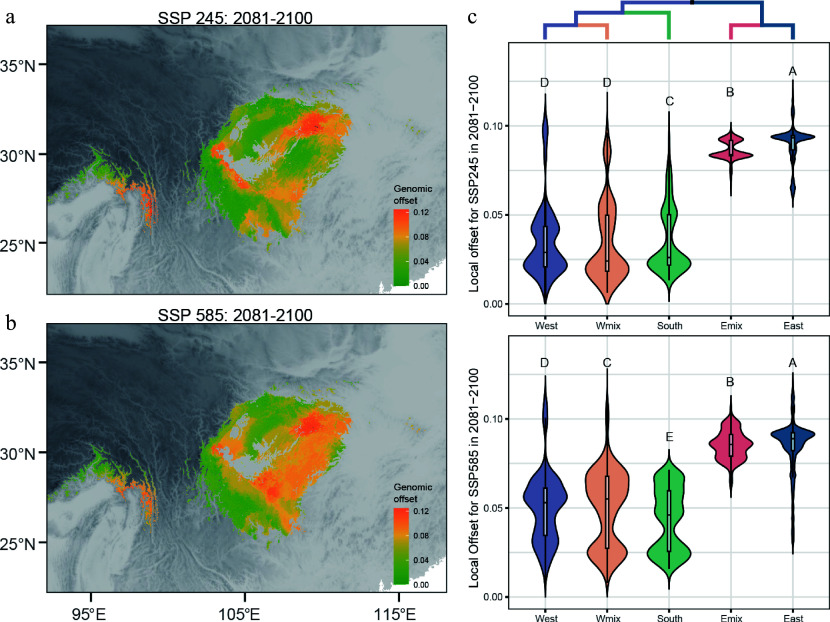 Figure 5
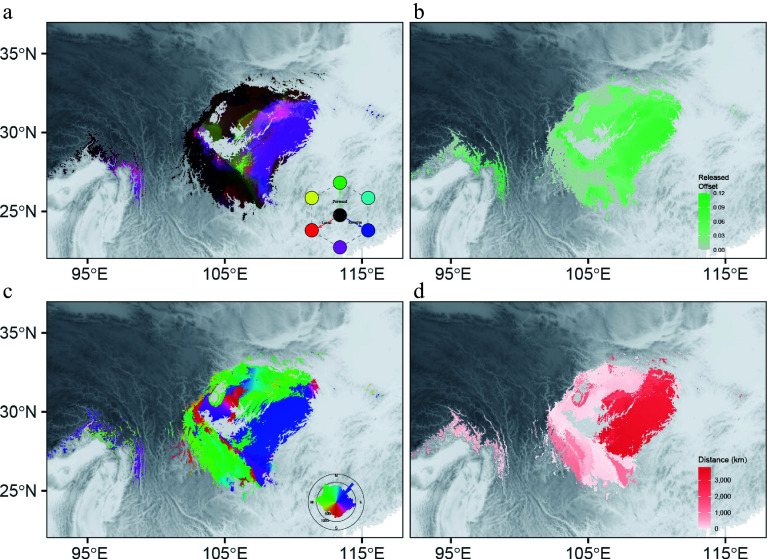 Figure 6
Peer Reviews
No public reviews on file for this paper yet. If you reviewed it on a platform where reviews are public (OpenReview, ICLR, NeurIPS, ICML), you can paste yours below so the community can read it here.
Videos
No videos yet. Explain this paper in a talk, walkthrough, or lecture? Add one.
Taxonomy
TopicsGenetic diversity and population structure · Species Distribution and Climate Change · Genomics and Phylogenetic Studies