Antisense molecules: A promising new therapy for atopic dermatitis
Jiayi Xue, Zhirong Yao

TL;DR
Antisense molecules offer a new way to treat atopic dermatitis by targeting RNA, potentially modifying the disease rather than just managing symptoms.
Contribution
This paper reviews the emerging role of antisense therapy in atopic dermatitis and its potential as a disease-modifying treatment.
Findings
Antisense molecules can target mRNA and non-coding RNAs involved in AD pathogenesis.
Early studies and clinical trials show promising results for antisense-based therapies in AD.
The skin's accessibility makes it suitable for antisense modulation.
Abstract
Atopic dermatitis (AD) is a common chronic inflammatory skin disorder affecting all age groups, especially children, with a prevalence of up to 20% globally. AD remains burdensome and incurable with current therapeutic strategies—ranging from trigger avoidance and skincare to medication—primarily address symptoms rather than disease modification, underscoring the imperative for innovative therapeutic paradigms. RNA-targeted therapies, particularly antisense molecules, have emerged as a transformative approach in precision medicine, with proven clinical success in diseases such as spinal muscular atrophy and familial chylomicronemia syndrome. These therapeutics achieve post-transcriptional regulation unattainable by conventional therapies, enabling direct targeting of messenger RNA (mRNA) and regulatory non-coding RNAs (ncRNAs) implicated in disease pathogenesis. Furthermore, skin is…
Genes, proteins, chemicals, diseases, species, mutations and cell lines named across the full text — each resolved to its canonical identifier and authoritative record.
Click any figure to enlarge with its caption.
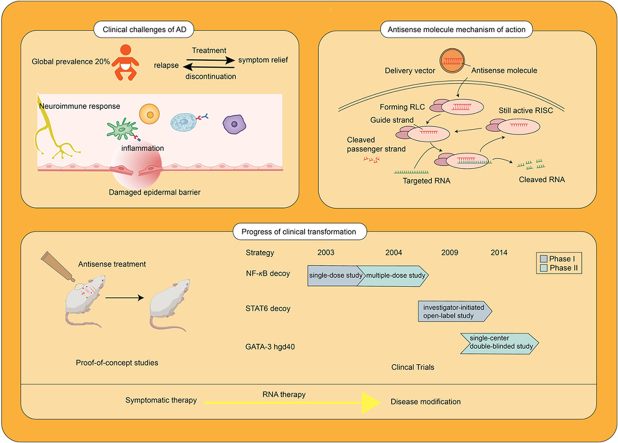 Figure 1
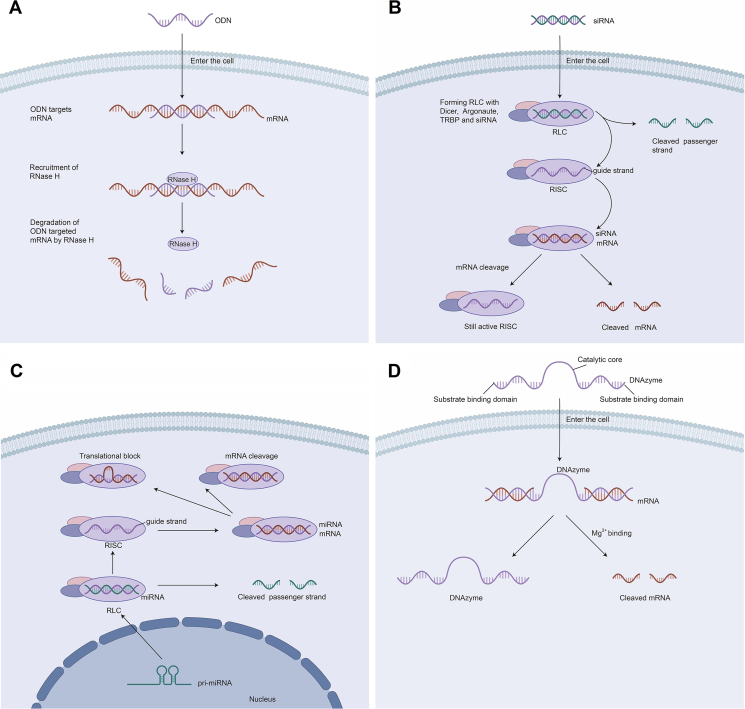 Figure 2
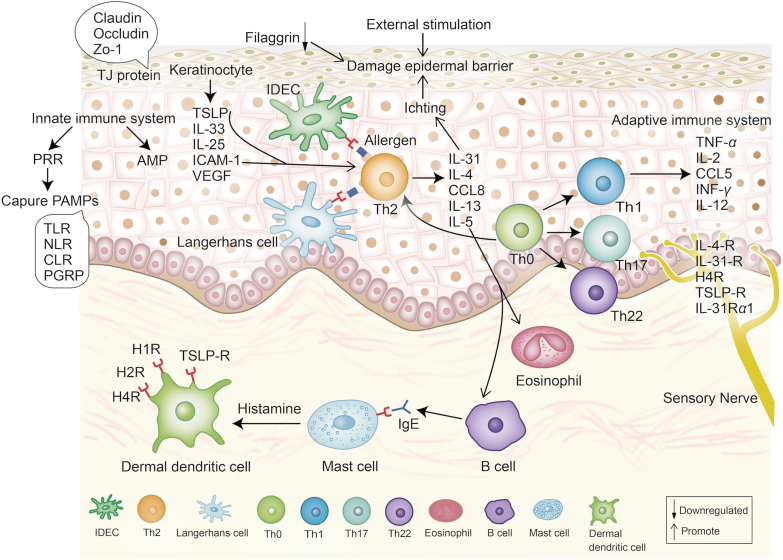 Figure 3
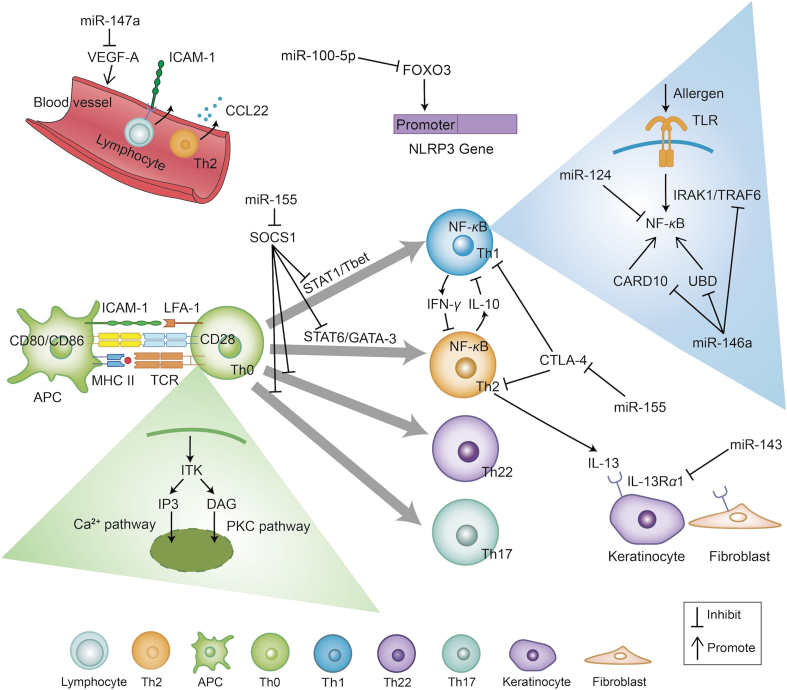 Figure 4
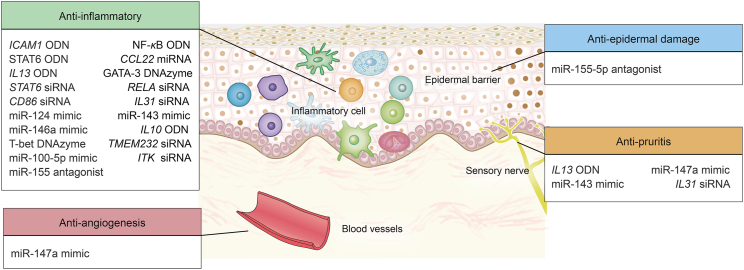 Figure 5
Peer Reviews
No public reviews on file for this paper yet. If you reviewed it on a platform where reviews are public (OpenReview, ICLR, NeurIPS, ICML), you can paste yours below so the community can read it here.
Videos
No videos yet. Explain this paper in a talk, walkthrough, or lecture? Add one.
Taxonomy
TopicsDermatology and Skin Diseases · Asthma and respiratory diseases · Food Allergy and Anaphylaxis Research