Sorafenib promotes the E3 ubiquitin ligase FBXW7 to increase tau degradation and ameliorate tauopathies
Yunqiang Zhou, Yong Wang, Huiying Yang, Chi Zhang, Jian Meng, Lingliang Zhang, Kun Li, Ling-ling Huang, Xian Zhang, Hong Luo, Yunwu Zhang

TL;DR
Sorafenib, a drug already approved for other uses, may help treat tau-related brain diseases like Alzheimer's by reducing harmful tau proteins through multiple mechanisms.
Contribution
This study reveals that sorafenib reduces tau pathology by promoting FBXW7-mediated ubiquitin-proteasome degradation and inhibiting tau phosphorylation.
Findings
Sorafenib reduces total and phosphorylated tau levels in tauopathy model mice.
Sorafenib promotes FBXW7 expression, which binds and degrades tau via the ubiquitin–proteasome pathway.
FBXW7 overexpression in the hippocampus ameliorates cognitive deficits and tau pathologies in PS19 mice.
Abstract
Tauopathies, including Alzheimer's disease (AD), are a series of neurodegenerative diseases characterized by pathological accumulation of the microtubule-associated protein tau. Since the abnormal modification and deposition of tau in nerve cells are crucial for tauopathy etiology, methods for reducing tau levels, such as promoting tau degradation, may become effective strategies for disease treatment. Herein, we identified that sorafenib significantly reduced total tau and phosphorylated tau levels through screening FDA-approved drugs. We showed that sorafenib treatment attenuated cognitive deficits and tau pathologies in PS19 tauopathy model mice. Mechanistically, we found that sorafenib inhibited multiple kinases involved in tau phosphorylation and promoted autophagy. Importantly, we further demonstrated that sorafenib also promoted the expression of the E3 ubiquitin ligase FBXW7,…
Genes, proteins, chemicals, diseases, species, mutations and cell lines named across the full text — each resolved to its canonical identifier and authoritative record.
Click any figure to enlarge with its caption.
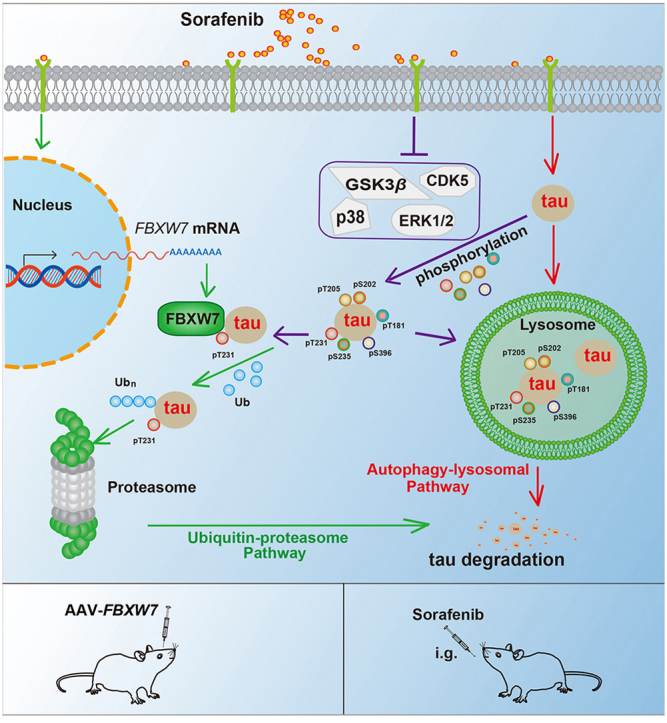 Figure 1
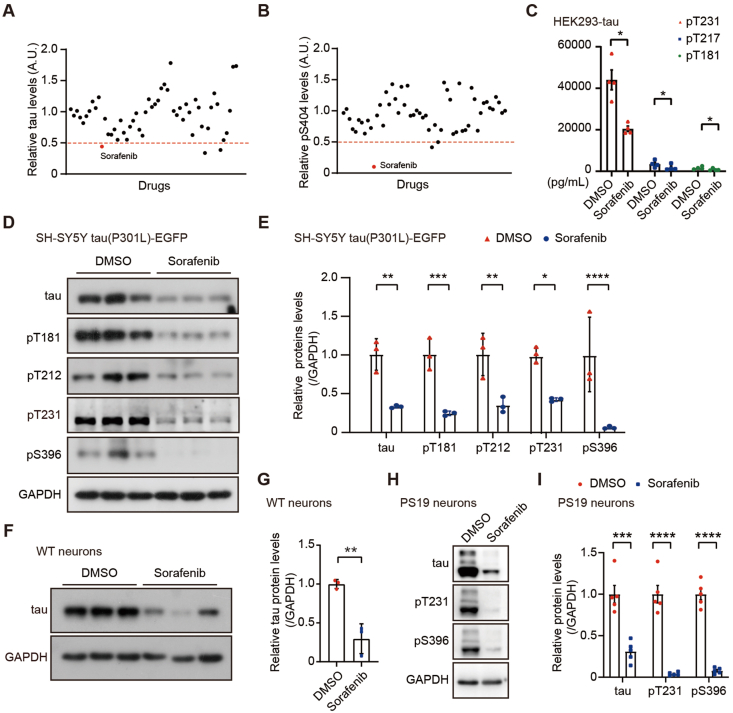 Figure 2
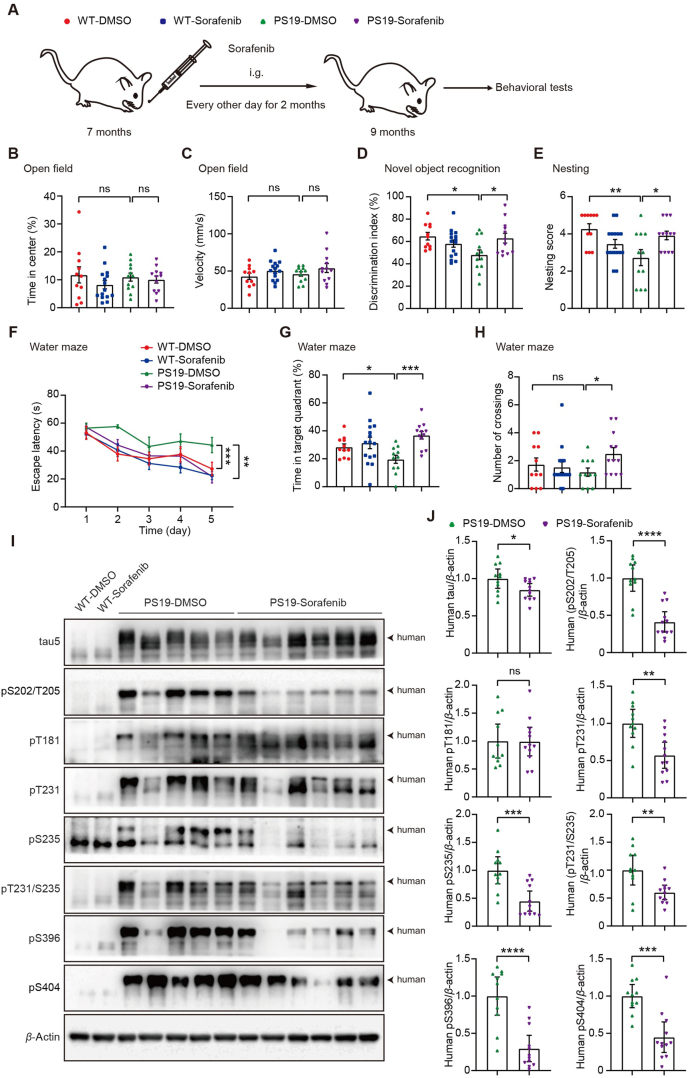 Figure 3
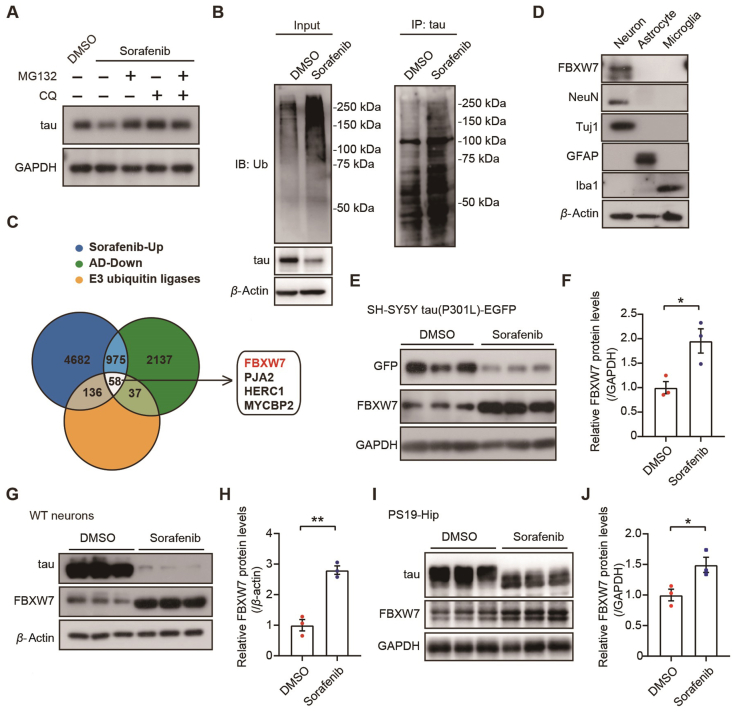 Figure 4
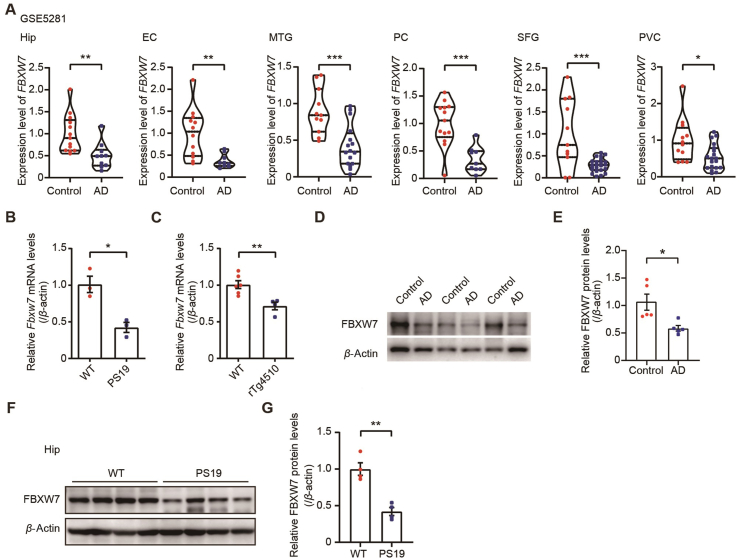 Figure 5
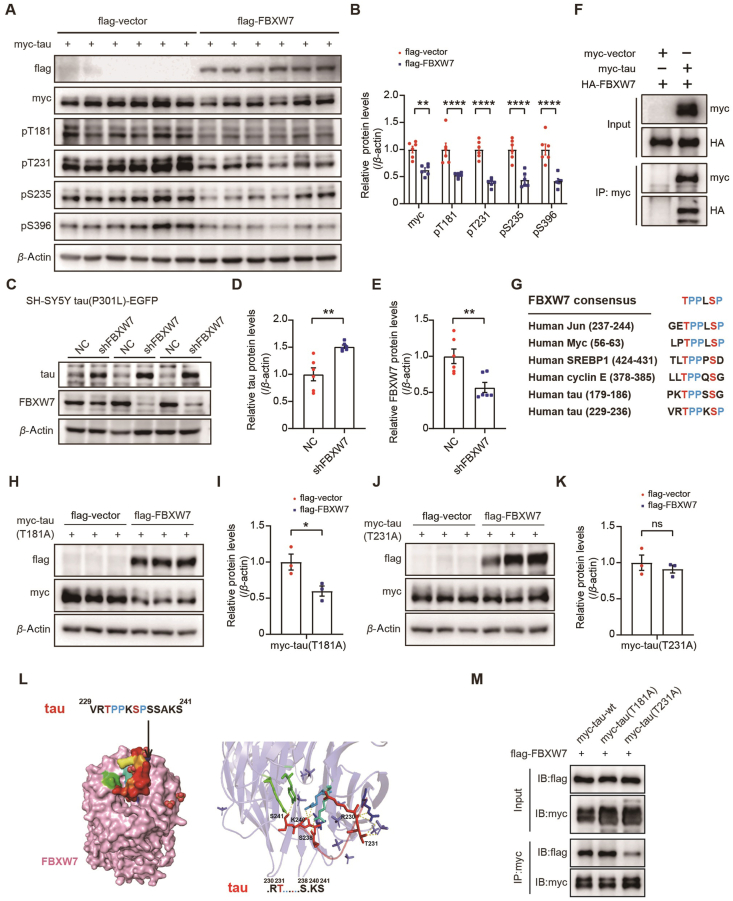 Figure 6
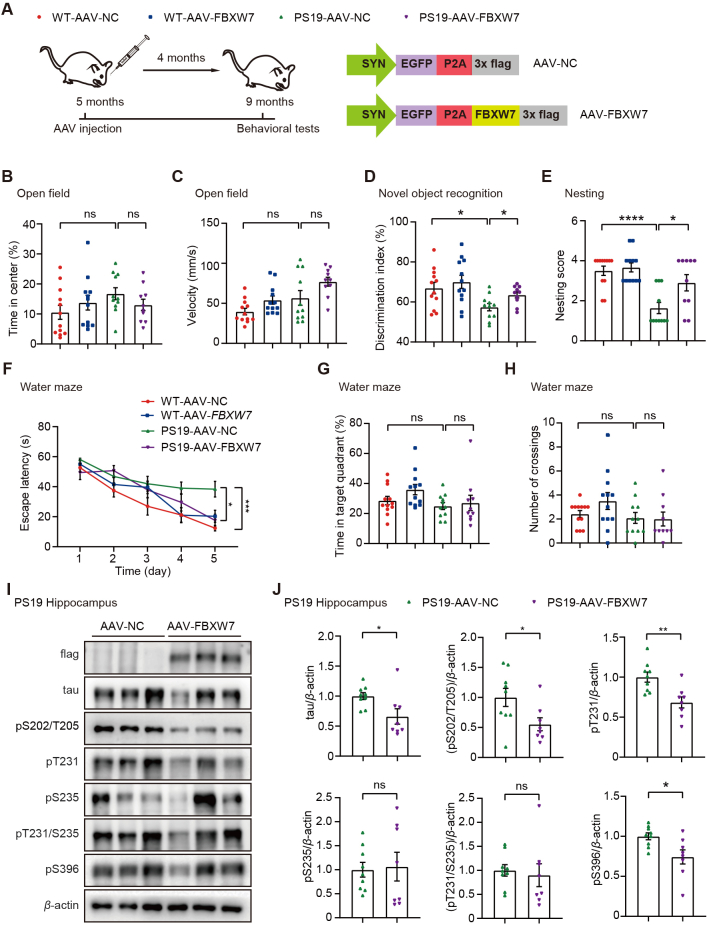 Figure 7
Peer Reviews
No public reviews on file for this paper yet. If you reviewed it on a platform where reviews are public (OpenReview, ICLR, NeurIPS, ICML), you can paste yours below so the community can read it here.
Videos
No videos yet. Explain this paper in a talk, walkthrough, or lecture? Add one.
Taxonomy
TopicsAlzheimer's disease research and treatments · Nuclear Receptors and Signaling · Cholinesterase and Neurodegenerative Diseases