Growth strategies and phenotypic plasticity of improved Chinese fir families across soil types
Zhen Zhang, Wenyue Wang, Huimin Niu, Haobo Zhao, Jingyong Ji, Guiping He, Zhichun Zhou

TL;DR
The study explores how improved Chinese fir varieties adapt their growth strategies in different soil types, emphasizing the role of root traits and environmental interactions.
Contribution
The study identifies soil conditions and genotype-by-environment interactions as key drivers of phenotypic plasticity in Chinese fir growth strategies.
Findings
Soil environmental conditions and genotype-by-environment interactions explain 55.89% to 93.94% of trait variation in Chinese fir.
Root traits like root average diameter and total root volume significantly influence root dry weight and aboveground biomass.
Phenotypic plasticity drives divergent selection in both aboveground and belowground growth strategies of Chinese fir.
Abstract
To enhance phenotypic plasticity, it is vital to maximize the genetic growth potential of trees and understand their adaptive responses to environmental conditions. Tree species adapt to dynamic environmental conditions by leveraging the interactions among the environment, genotype, and genotype-by-environment. A total of 25 improved varieties of Chinese fir were transplanted and developed through multi-generational breeding into four types of artificial forest soils. Through a quantitative analysis of genotypic, soil environmental conditions, and genotype-by-environment interaction effects on variations in growth, biomass, and root functional traits, the key drivers of phenotypic plasticity were identified. The results indicate that soil environmental conditions and genotype-by-environment interactions are the primary factors influencing trait variation, explaining 55.89% to 93.94% of…
Genes, proteins, chemicals, diseases, species, mutations and cell lines named across the full text — each resolved to its canonical identifier and authoritative record.
Click any figure to enlarge with its caption.
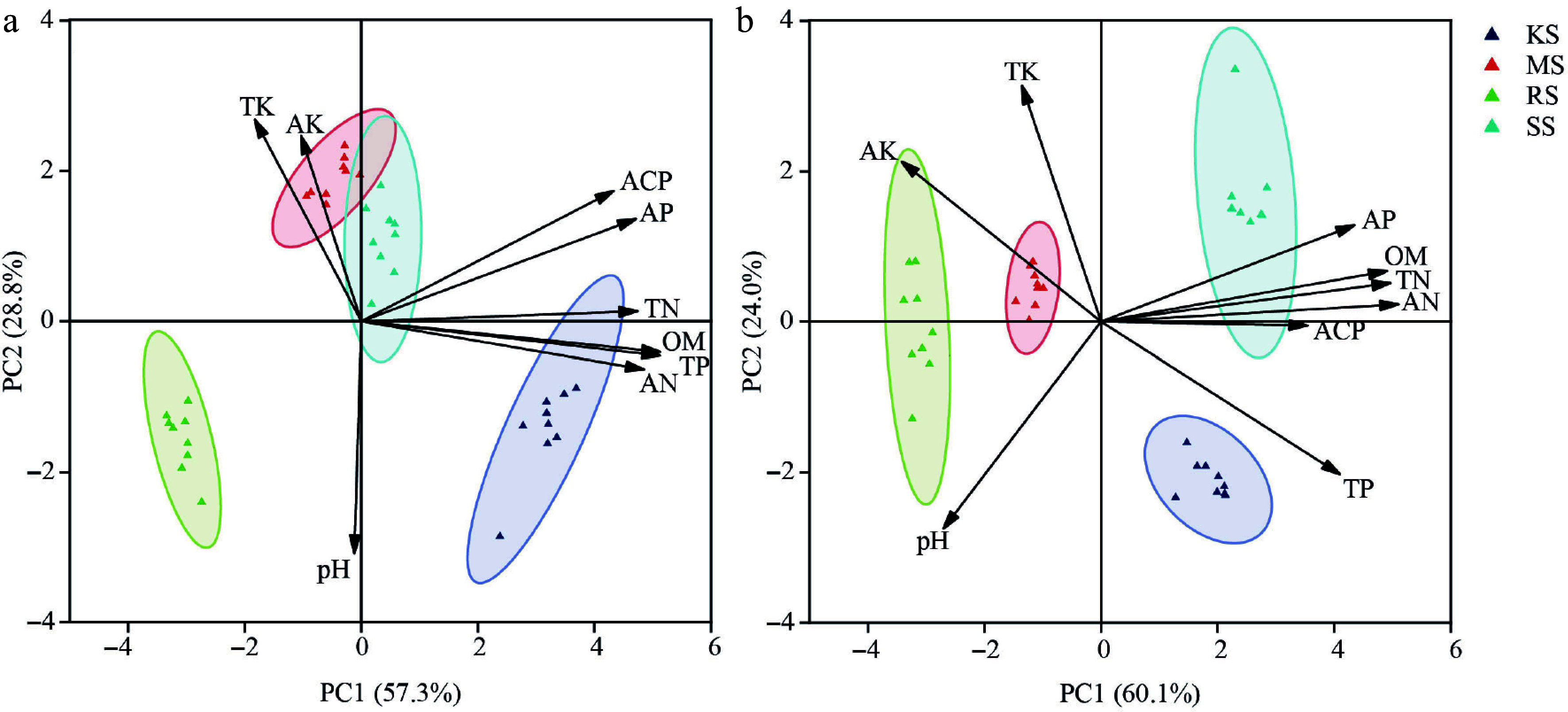 Figure 1
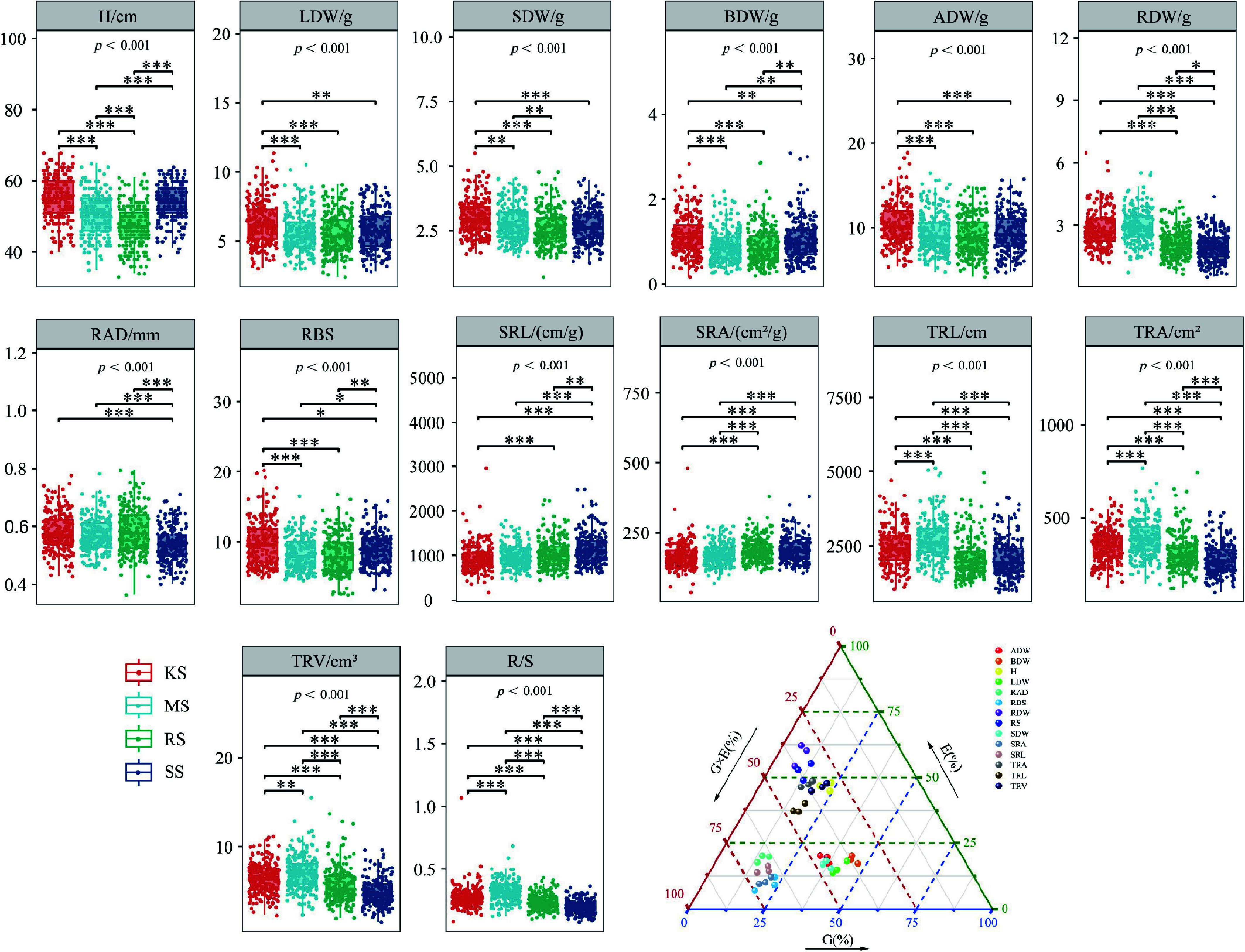 Figure 2
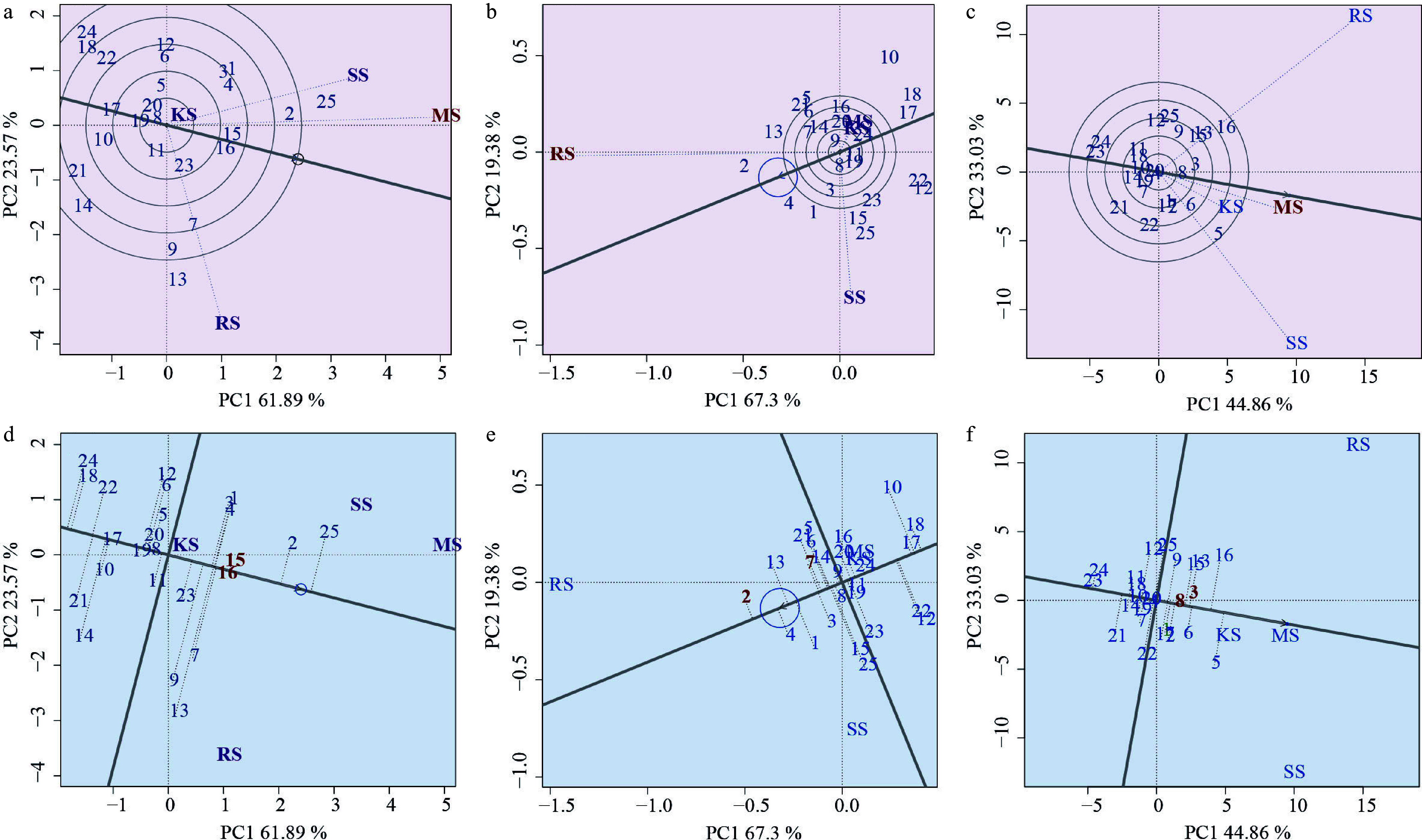 Figure 3
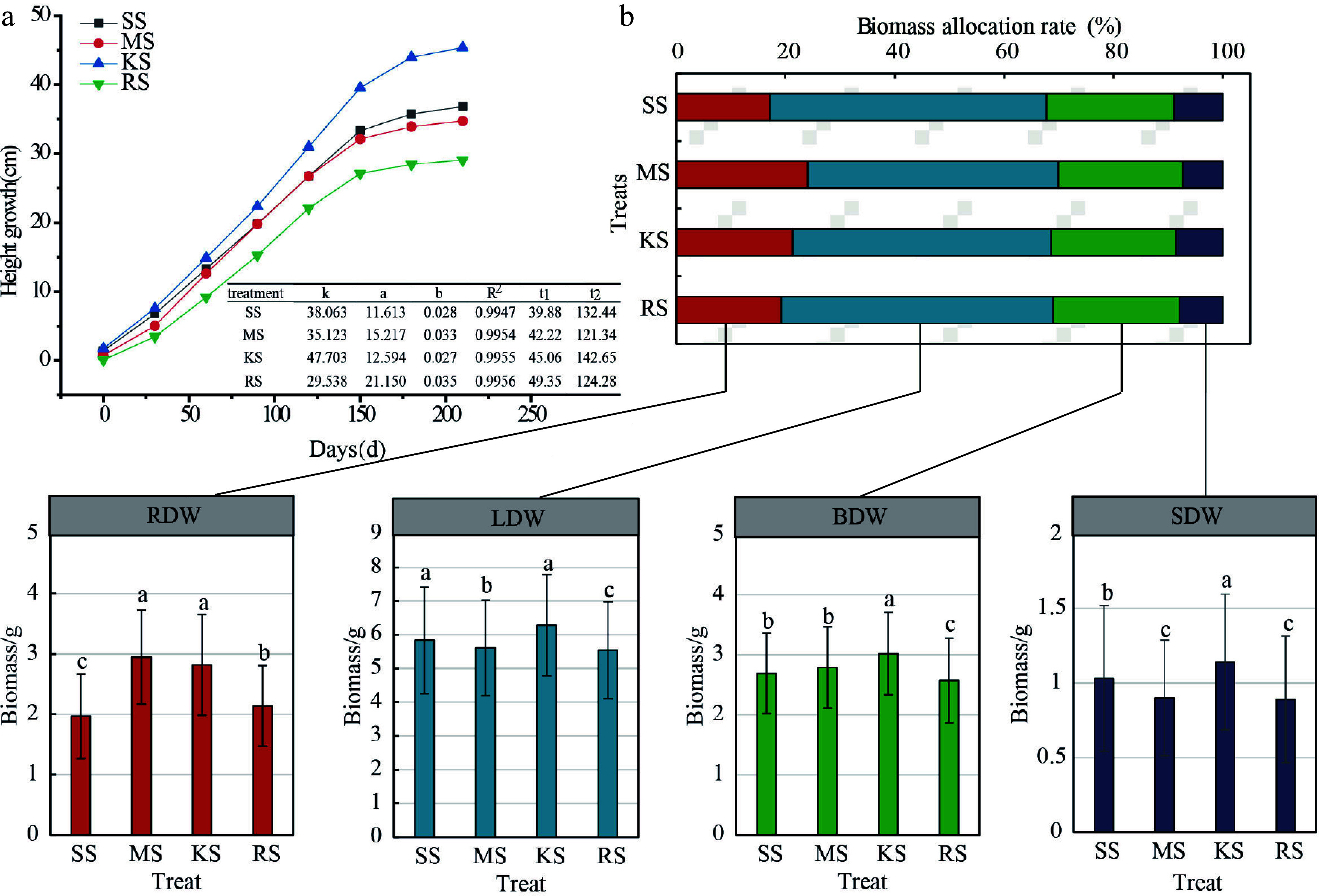 Figure 4
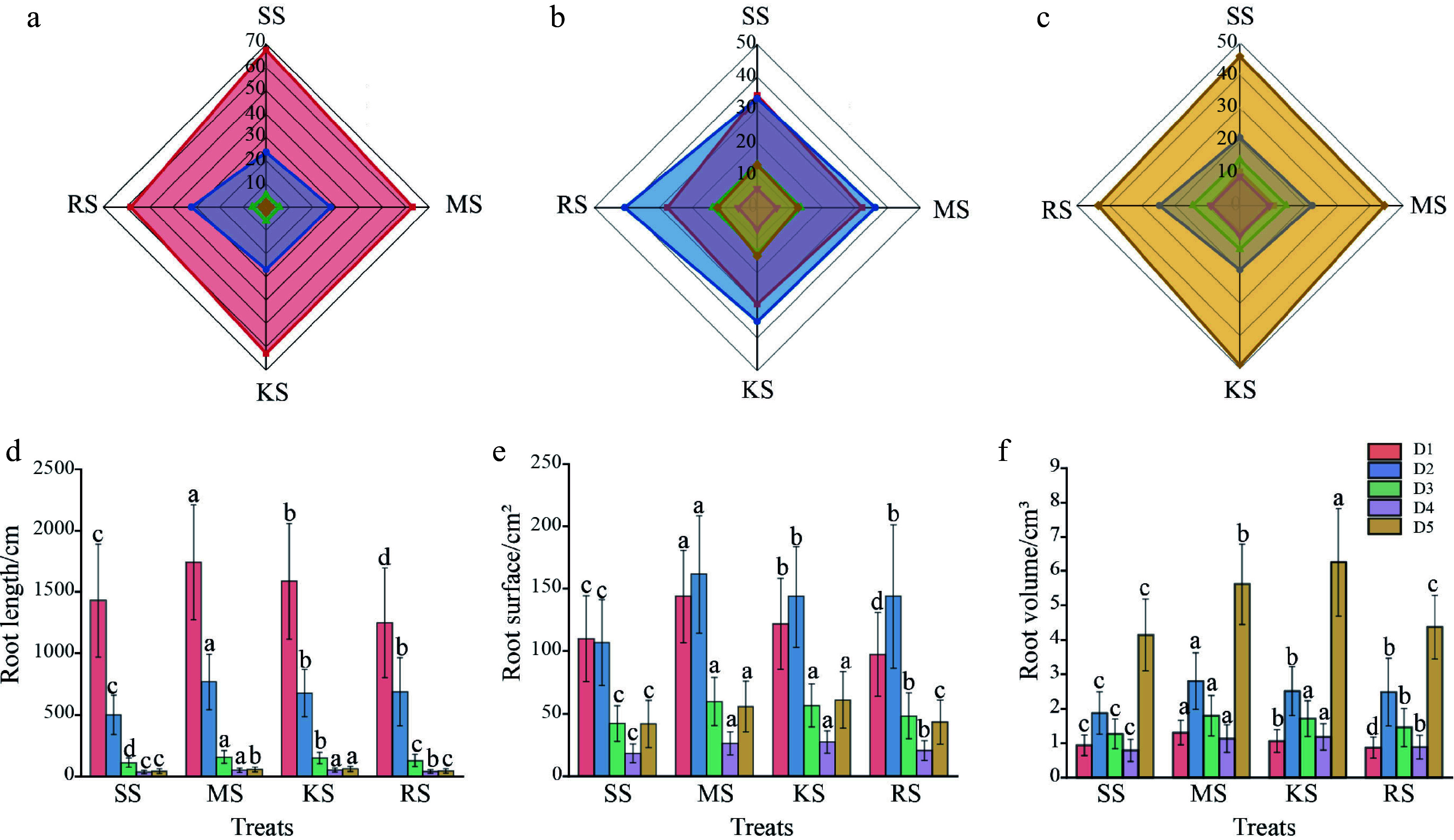 Figure 5
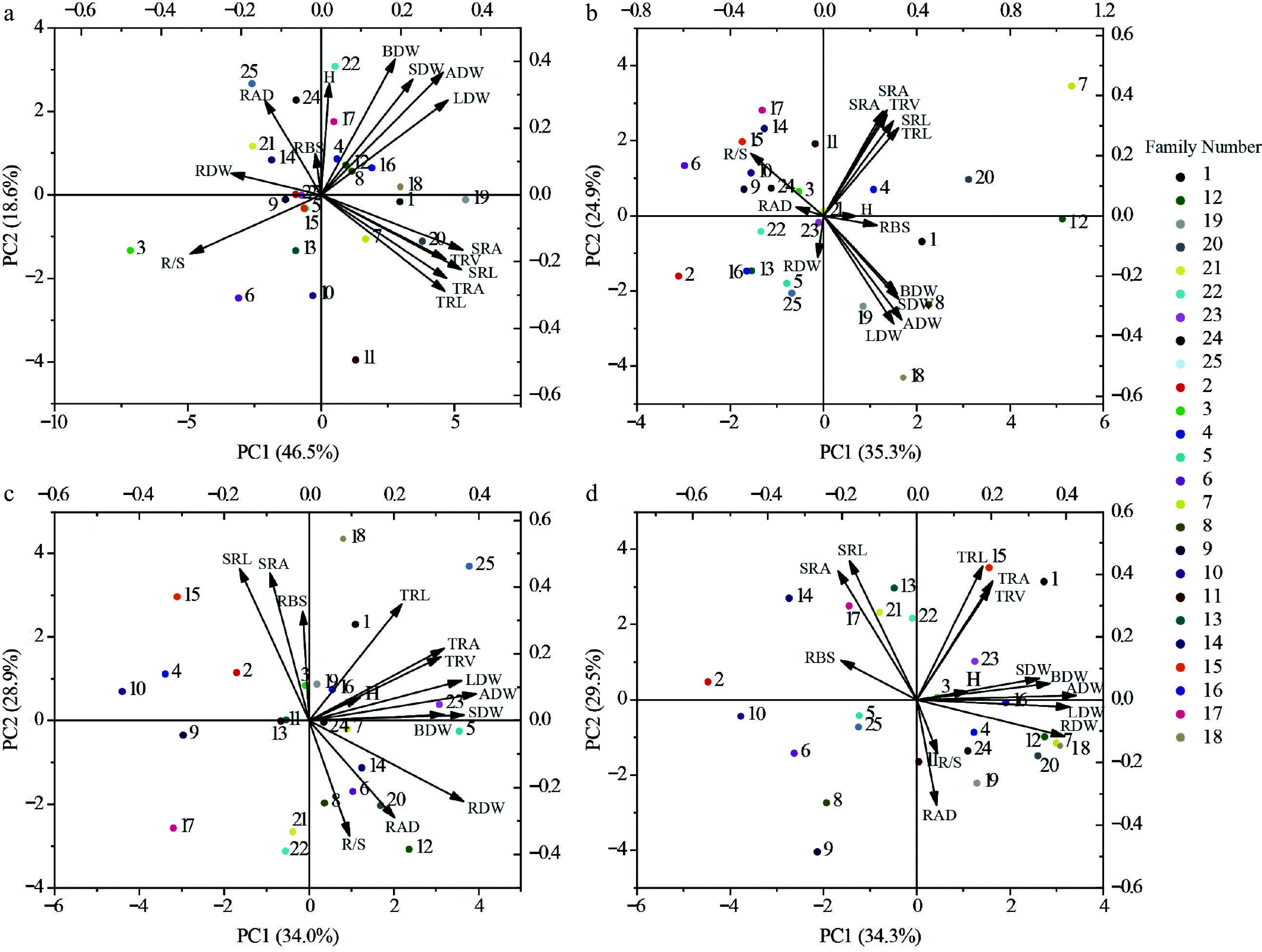 Figure 6
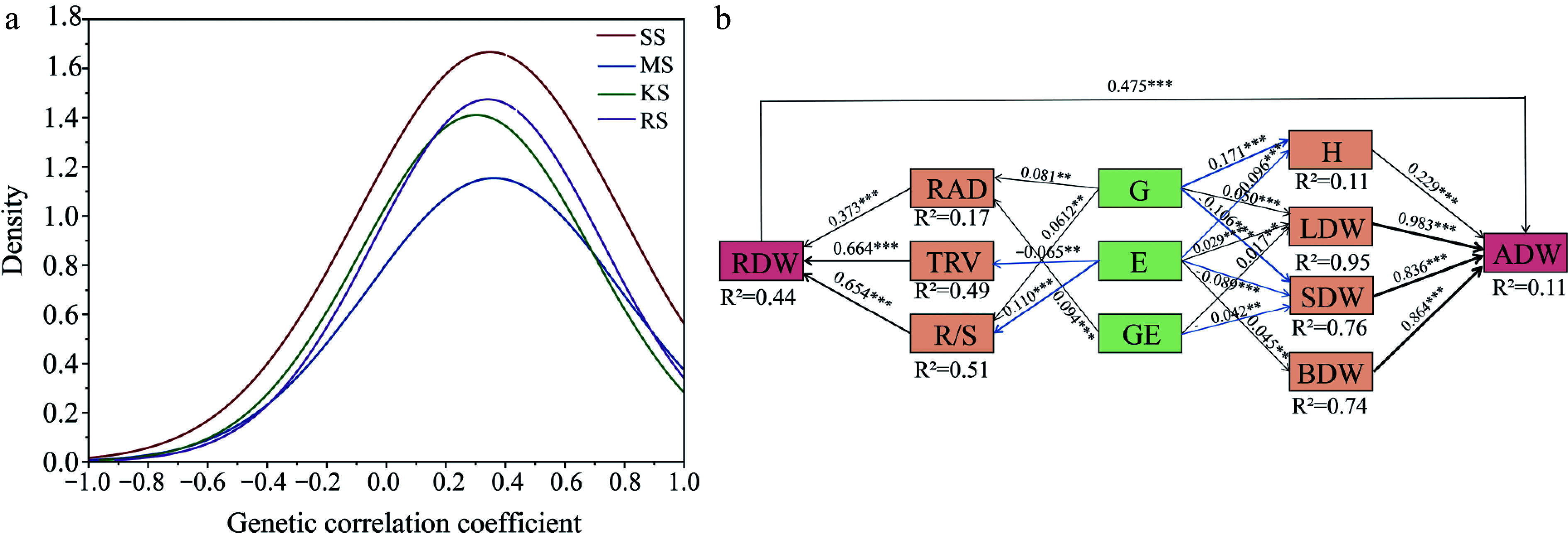 Figure 7
Peer Reviews
No public reviews on file for this paper yet. If you reviewed it on a platform where reviews are public (OpenReview, ICLR, NeurIPS, ICML), you can paste yours below so the community can read it here.
Videos
No videos yet. Explain this paper in a talk, walkthrough, or lecture? Add one.
Taxonomy
TopicsForest ecology and management · Tree Root and Stability Studies · Agroforestry and silvopastoral systems