Identification of Six Potential Therapeutic Targets Common to Ischemic Stroke and Vascular Dementia: Genetic Insights From an Integrated Bioinformatics Analysis
Jian Lyu, Fa Lin, Yi Liu, Yan Chai, Xiaolin Chen, Min Wang, Fumei Liu, Haiyan Xiao, Guibo Sun, Yanming Xie

TL;DR
This study identifies six plasma proteins that are linked to both ischemic stroke and vascular dementia, offering new therapeutic targets based on genetic and experimental evidence.
Contribution
The study integrates genetic and experimental approaches to identify six plasma proteins with causal roles in both ischemic stroke and vascular dementia.
Findings
Six plasma proteins (CD40, Furin, CD300LF, F11, F2, and ITGAV) show causal relationships with both ischemic stroke and vascular dementia.
CD40 and Furin associations are mediated through atrial fibrillation or diastolic blood pressure.
In vivo experiments confirm CD40, Furin, F11, and ITGAV as causal factors in ischemic stroke and vascular dementia.
Abstract
The aim was to investigate the potential therapeutic targets for ischemic stroke (IS) and vascular dementia (VD). We assessed the causal effects of 2943 plasma proteins on IS and VD using a two‐sample Mendelian randomization (MR) framework. Results were validated via summary data‐based MR (SMR) analysis. A two‐step mediation MR analysis was conducted to elucidate potential causal mechanisms by which plasma proteins influence IS and VD through risk factors. We performed a phenome‐wide association study (PheWAS) MR analysis to explore side effects and additional indications for IS and VD‐associated plasma proteins. We established middle cerebral artery occlusion and reperfusion (MCAO/R) and VD rat models to verify potential therapeutic targets for IS and VD. Genetically predicted plasma levels of six proteins demonstrated causal relationships with both IS and VD. SMR analysis validated…
Genes, proteins, chemicals, diseases, species, mutations and cell lines named across the full text — each resolved to its canonical identifier and authoritative record.
Click any figure to enlarge with its caption.
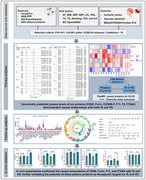 Figure 1
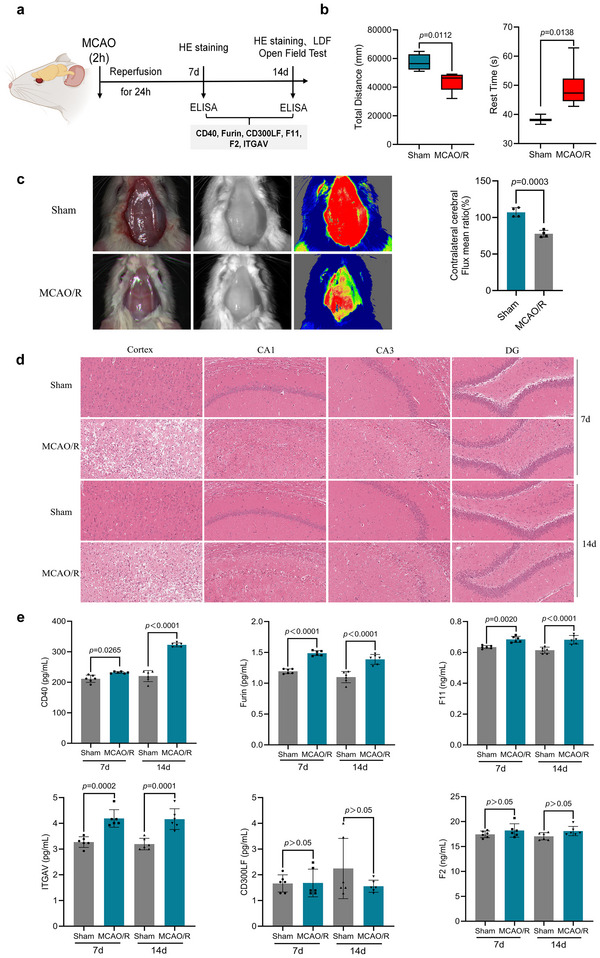 Figure 2
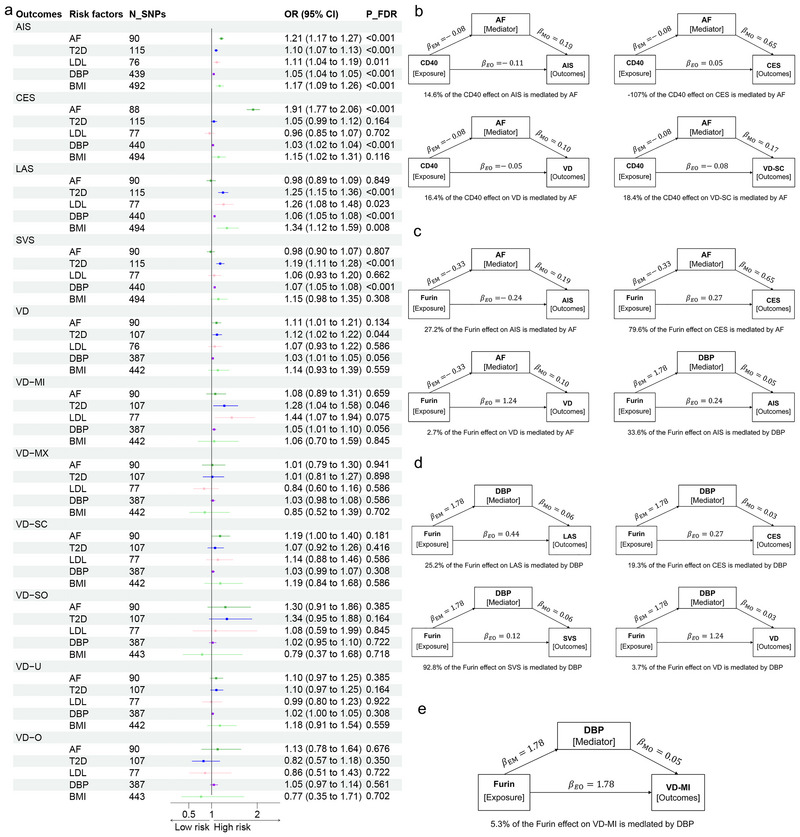 Figure 3
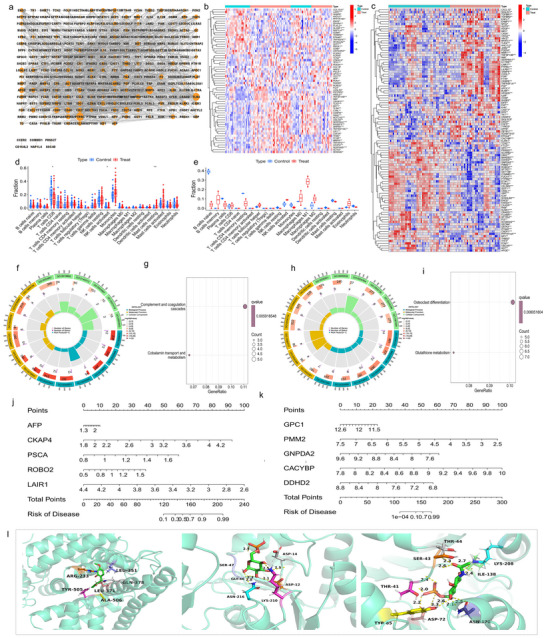 Figure 4
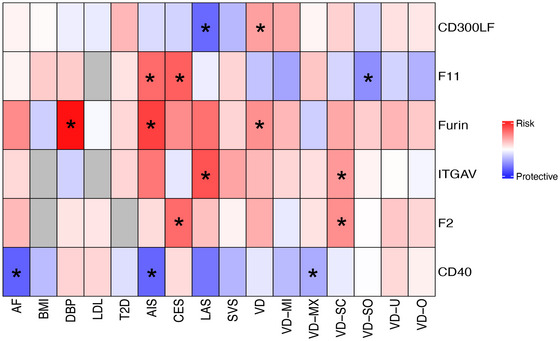 Figure 5
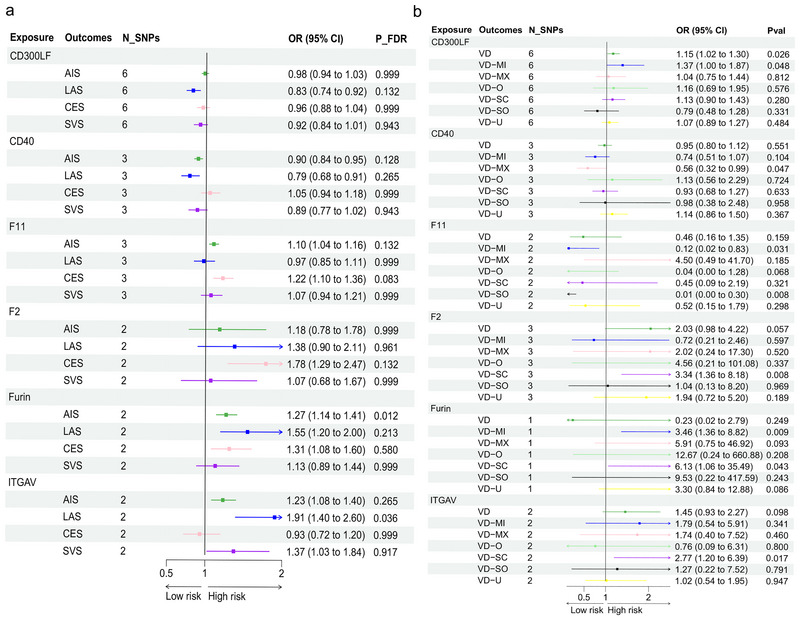 Figure 6
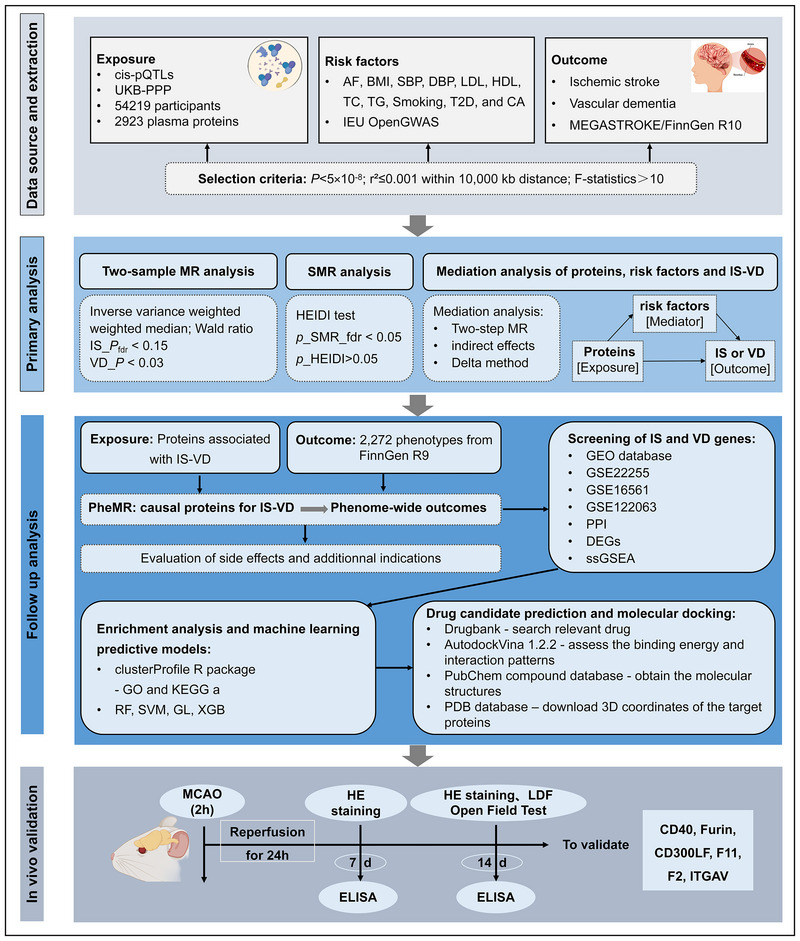 Figure 7
Peer Reviews
No public reviews on file for this paper yet. If you reviewed it on a platform where reviews are public (OpenReview, ICLR, NeurIPS, ICML), you can paste yours below so the community can read it here.
Videos
No videos yet. Explain this paper in a talk, walkthrough, or lecture? Add one.
Taxonomy
TopicsCerebrovascular and genetic disorders · Phosphodiesterase function and regulation · Neurological Disease Mechanisms and Treatments