Plasma synthesis of rhenium nanoparticles as an efficient alternative to platinum nanoparticles for nitroaromatic compound hydrogenations
Piotr Cyganowski, Dominik Terefinko, Mujahid Ameen Khan, Agata Motyka-Pomagruk, Mateusz M. Marzec, Sebastian Arabasz, Krystian Sokolowski, Pawel Pohl, Andrzej Bernasik, Aleksandra Goleniewska, Piotr Jamroz, Anna Dzimitrowicz

TL;DR
This study explores rhenium nanoparticles as a cost-effective and efficient alternative to platinum nanoparticles for hydrogenating nitroaromatic compounds, despite some environmental concerns.
Contribution
The first use of pulse-modulated radiofrequency atmospheric pressure glow discharge to synthesize rhenium-based nanomaterials for catalytic applications.
Findings
Rhenium nanoparticles achieved 100% conversion yields in hydrogenating nitroaromatic compounds.
Rhenium nanoparticles showed lower reaction rates than platinum nanoparticles but offer economic advantages.
Both rhenium and platinum nanoparticles negatively impacted plant sprout development.
Abstract
Rhenium nanoparticles are an attractive alternative to noble metal-based approaches, which show a limited applicability. The catalytic potential and environmental impact of rhenium nanoparticles (ReNPs) were assessed in conjunction with those of platinum nanoparticles (PtNPs). Both of these nanomaterials were synthesized via low-cost pulse-modulated radiofrequency atmospheric pressure glow discharge (pm-rf-APGD). In this context, pm-rf-APGD was used for the first time to synthesize Re-based nanomaterials. The obtained nanoparticles were used as nanocatalysts for hydrogenation of nitroaromatic compounds. Subsequent characterization revealed high efficacy of rhenium nanoparticles in catalysing the reduction of nitroaromatic compounds, which reached up to 100% conversion yields at a rate constant k1 of 5.5 × 10− 2 min− 1. Although the k1 values obtained for rhenium nanoparticles were lower…
Genes, proteins, chemicals, diseases, species, mutations and cell lines named across the full text — each resolved to its canonical identifier and authoritative record.
Click any figure to enlarge with its caption.
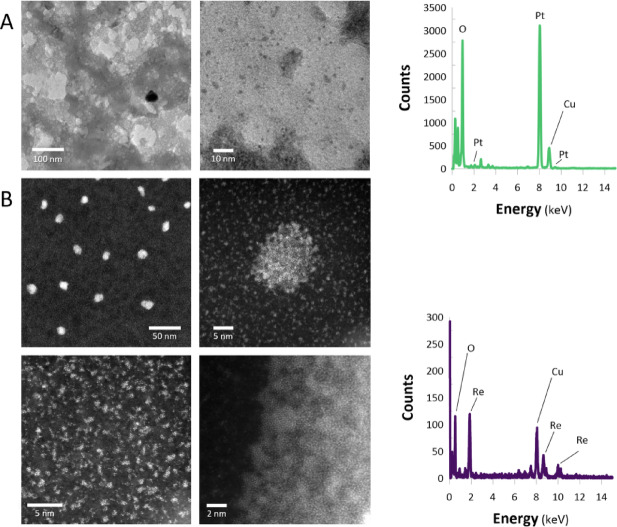 Figure 1
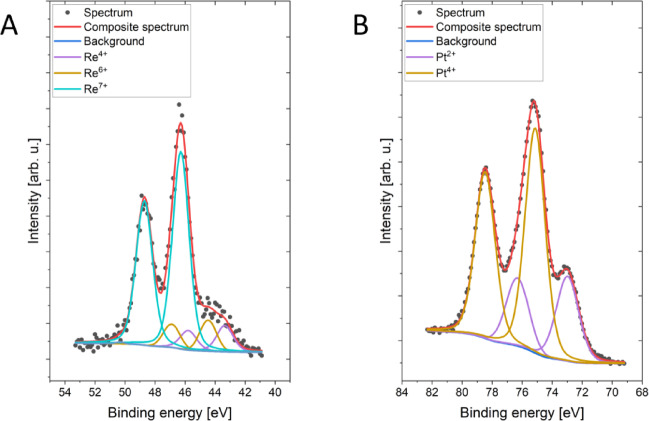 Figure 2
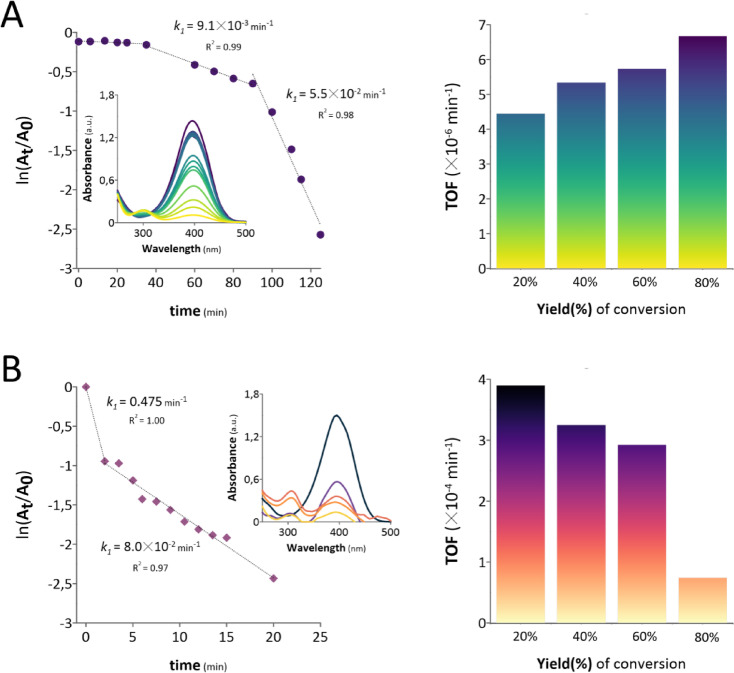 Figure 3
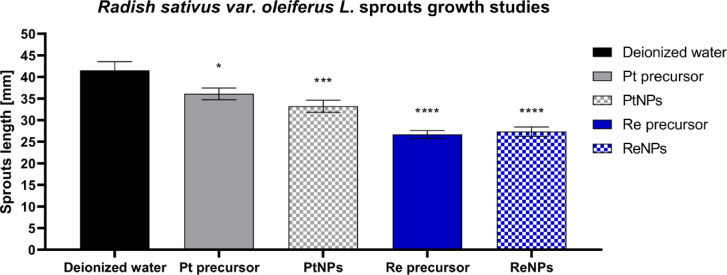 Figure 4
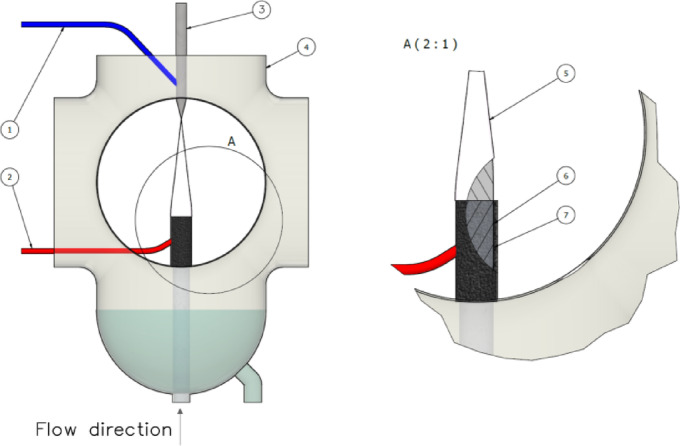 Figure 5
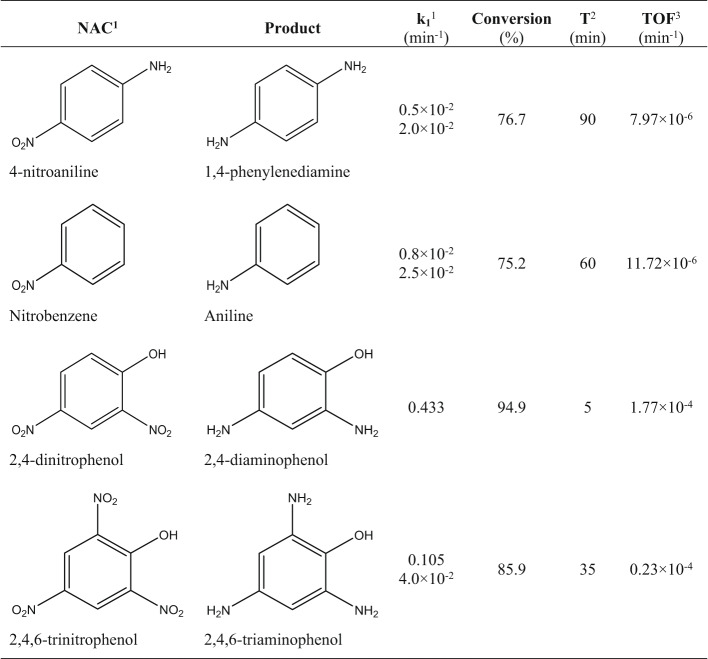 Figure 6
Peer Reviews
No public reviews on file for this paper yet. If you reviewed it on a platform where reviews are public (OpenReview, ICLR, NeurIPS, ICML), you can paste yours below so the community can read it here.
Videos
No videos yet. Explain this paper in a talk, walkthrough, or lecture? Add one.
Taxonomy
TopicsNanomaterials for catalytic reactions · Gold and Silver Nanoparticles Synthesis and Applications · Catalysis for Biomass Conversion