Meningococci drive host membrane tubulation to recruit their signaling receptors
Audrey Laurent-Granger, Kévin Sollier, Bruno Saubamea, Virginie Mignon, Nicolas Goudin, Yaëlle Wormser, Morgane Wuckelt, Mahmoud Rifai, Thomas Heng, Lya L’hermitte, Marta Conflitti, Julie Meyer, Hervé Lecuyer, Anne Jamet, Nicolas Borghi, Philippe Girard, Emmanuelle Bille

TL;DR
Meningococci use type IV pili to create membrane tubules that trap host proteins, helping them quickly find and activate receptors for adhesion.
Contribution
The study reveals a novel mechanism by which meningococci exploit host membrane physics to recruit signaling receptors.
Findings
Type IV pili induce tubular membrane structures before host cell signaling begins.
These structures trap and concentrate membrane proteins near bacteria, aiding receptor activation.
The process enables rapid adhesion and signaling by meningococci.
Abstract
Once passed into the bloodstream, bacterial pathogens have a limited time to interact with permissive receptors at the surface of host cells. Neisseria meningitidis has developed an extremely effective strategy allowing it to find its receptors in a few seconds. Here, we report that N. meningitidis type IV pili exploit the physical properties of host cells' plasma membranes to promote the formation of early tubular membrane structures essential for initial bacterial adhesion. These tubular structures, which form before any signaling events in host cells, concentrate and trap multiple plasma membrane-associated proteins in the vicinity of bacteria, thereby facilitating the selection, interaction and activation of specific adhesion and signaling receptors by bacterial ligands present on type IV pili. Our results define an additional paradigm for the recruitment of specific receptors by…
Genes, proteins, chemicals, diseases, species, mutations and cell lines named across the full text — each resolved to its canonical identifier and authoritative record.
Click any figure to enlarge with its caption.
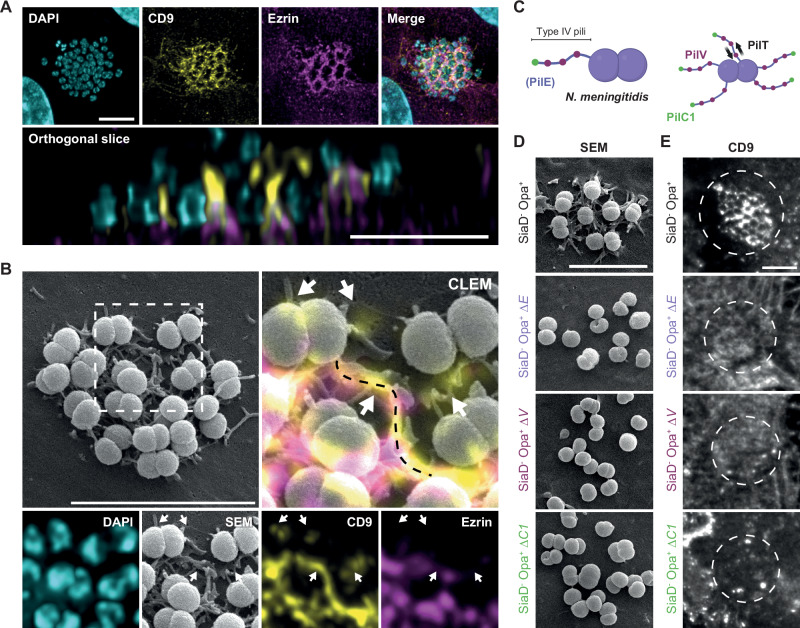 Figure 1
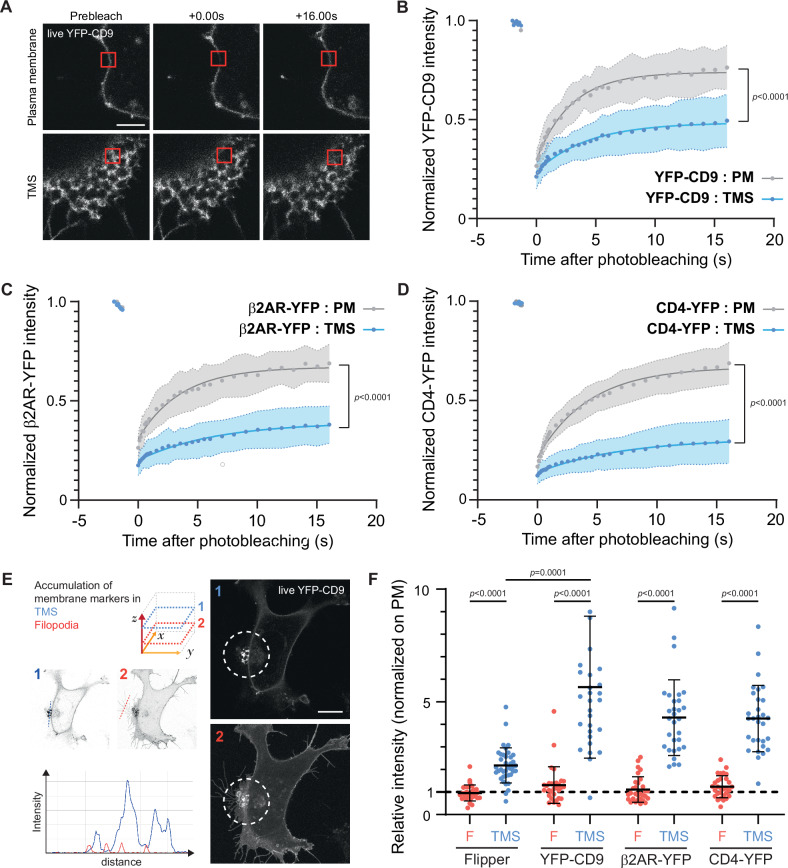 Figure 2
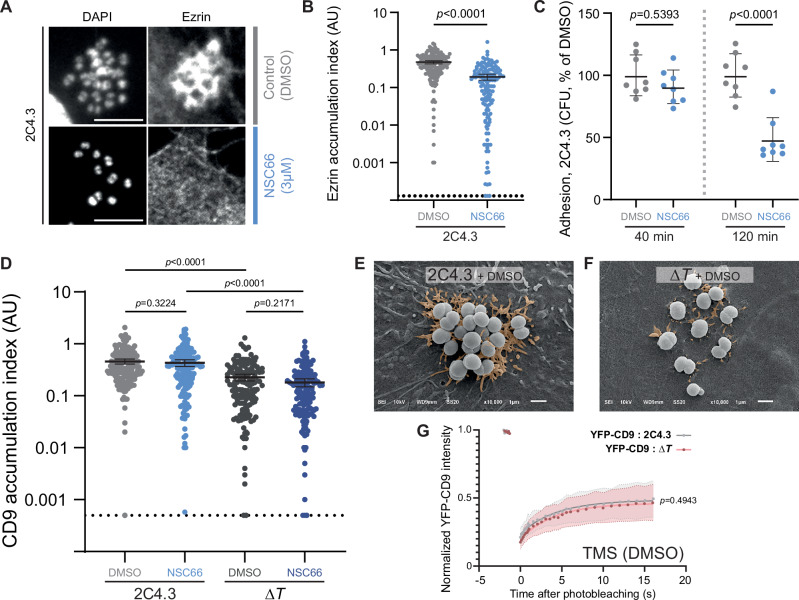 Figure 3
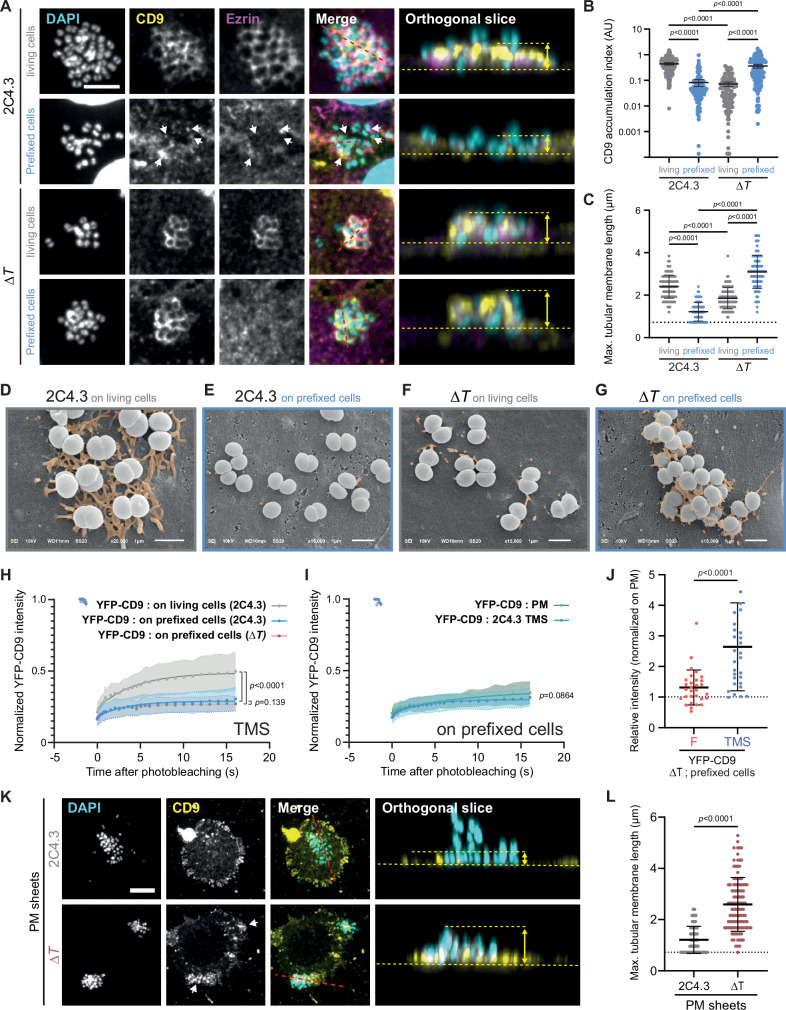 Figure 4
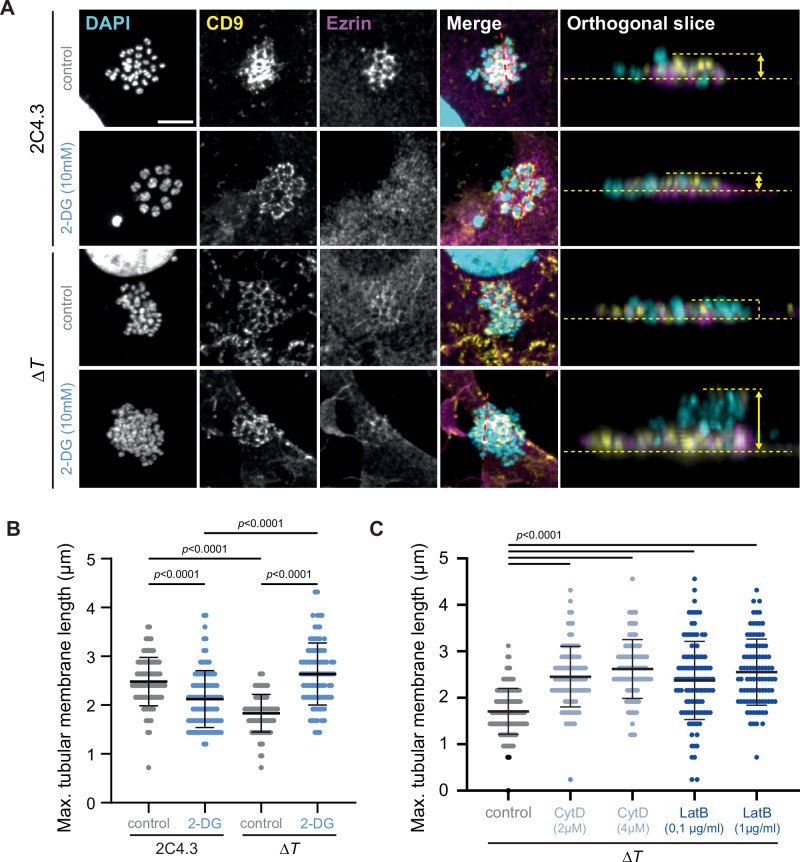 Figure 5
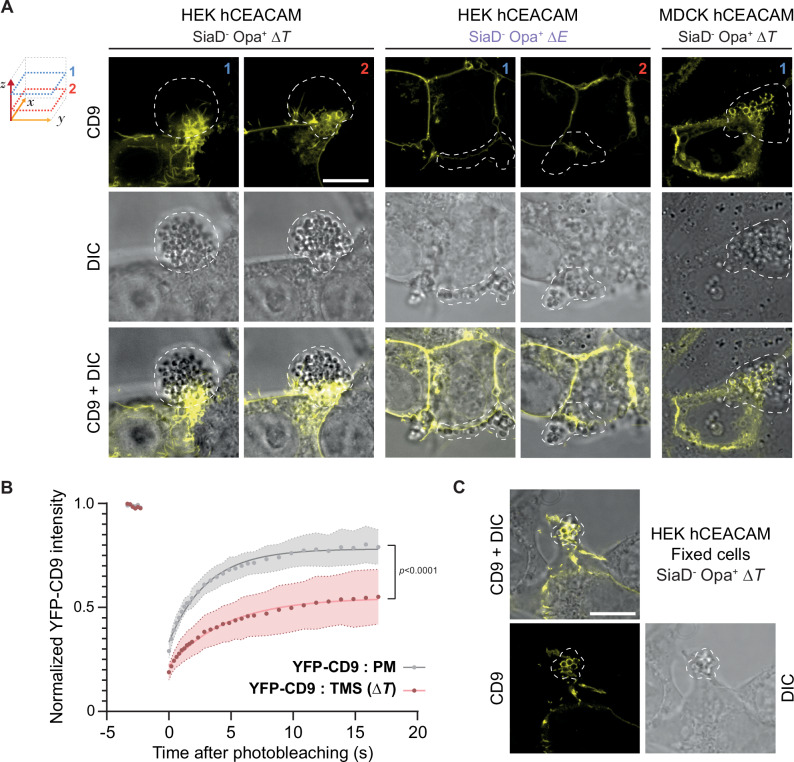 Figure 6
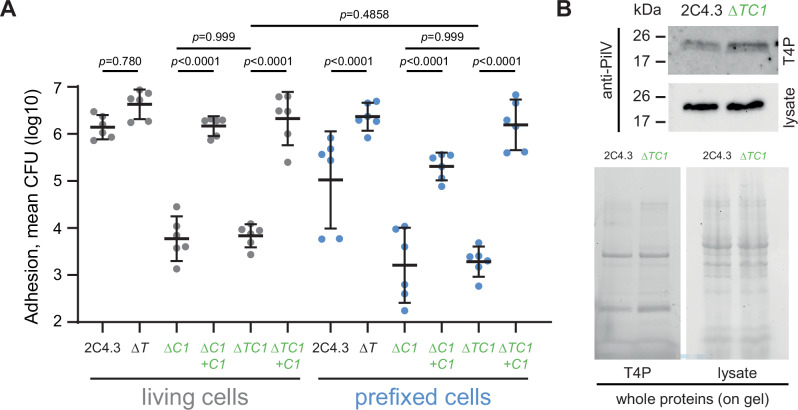 Figure 7
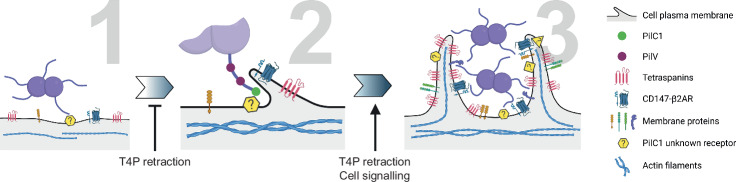 Figure 8
Peer Reviews
No public reviews on file for this paper yet. If you reviewed it on a platform where reviews are public (OpenReview, ICLR, NeurIPS, ICML), you can paste yours below so the community can read it here.
Videos
No videos yet. Explain this paper in a talk, walkthrough, or lecture? Add one.
Taxonomy
TopicsBacterial Infections and Vaccines · Bacterial Genetics and Biotechnology · Escherichia coli research studies