Adolescent stress remodels synapses in the sensory thalamus and impairs tactile discrimination in mice
Hisako Nakayama, Mariko Miyata

TL;DR
Adolescent stress in mice changes brain circuits for touch, leading to trouble sensing fine textures, and these changes can be partly reversed by social interaction.
Contribution
The study reveals that adolescent stress, not adulthood stress, alters thalamic circuits via glucocorticoid receptors, impairing tactile discrimination.
Findings
Adolescent social isolation increases afferent connections but weakens individual synaptic strength in the sensory thalamus.
Mice with adolescent isolation show impaired tactile discrimination due to altered thalamic circuitry.
Social cohabitation can partially reverse the synaptic effects of adolescent isolation.
Abstract
Adolescent stress can lead to persistent behavioral issues and brain dysfunction, often linked to sensory perception abnormalities. The biological basis for these sensory changes is not well understood. Here, we demonstrate that social isolation during adolescence, but not adulthood, remodels the structure and function of brain circuits that process touch in mice. Specifically, isolation increases the number of afferents to each neuron while weakening individual connections, and these changes depend on the activation of glucocorticoid receptors in thalamic neurons. Mice exposed to adolescent isolation also show reduced ability to distinguish fine tactile differences, suggesting a functional impact of the altered thalamic circuitry. Cohabitation with another mouse can partially reverse the synaptic effects of adolescent isolation. Our findings identify the sensory thalamus as a…
Genes, proteins, chemicals, diseases, species, mutations and cell lines named across the full text — each resolved to its canonical identifier and authoritative record.
Click any figure to enlarge with its caption.
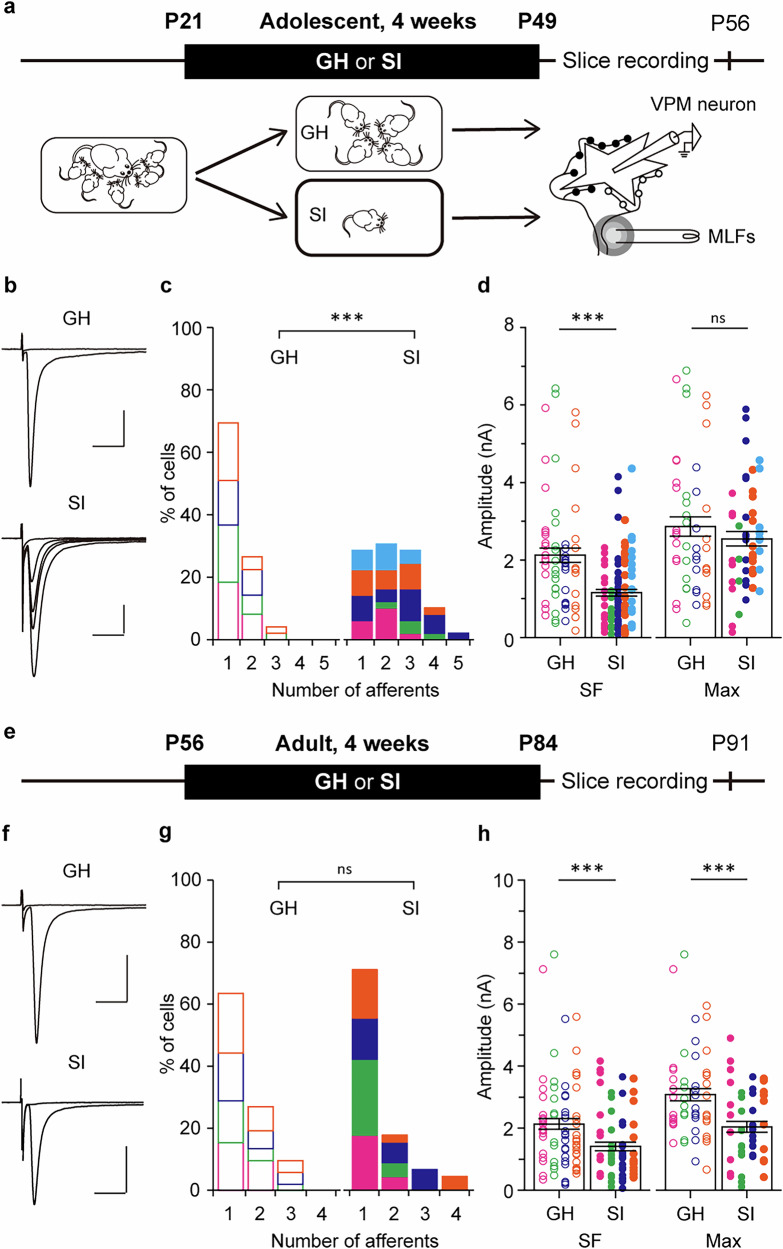 Figure 1
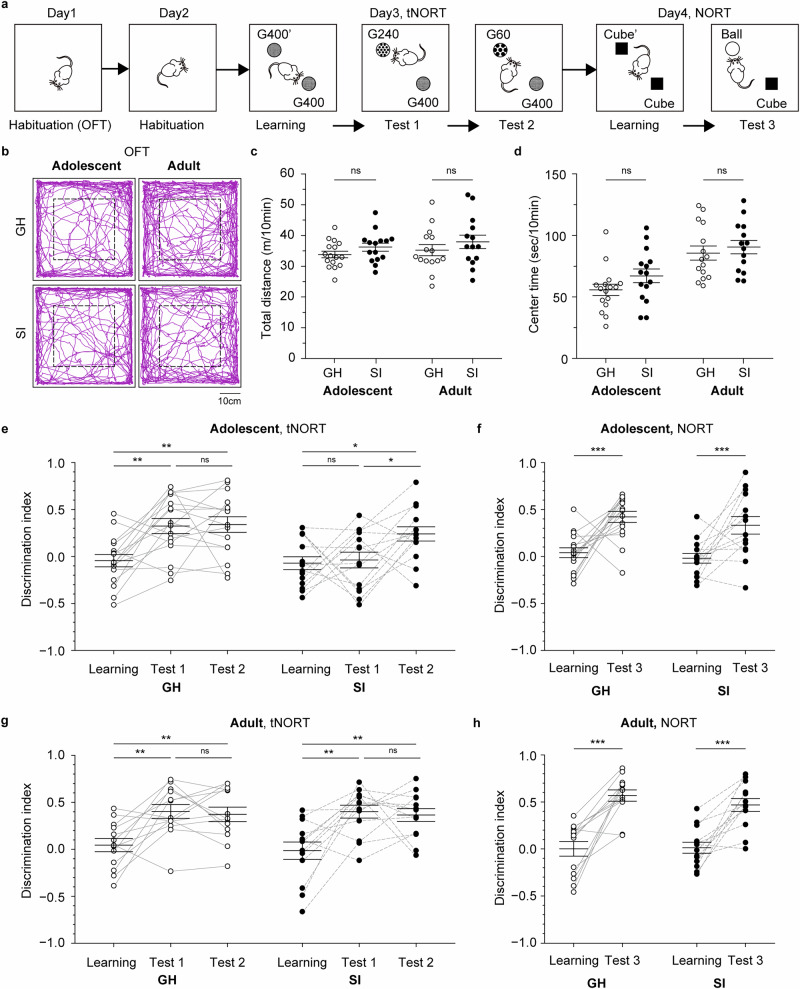 Figure 2
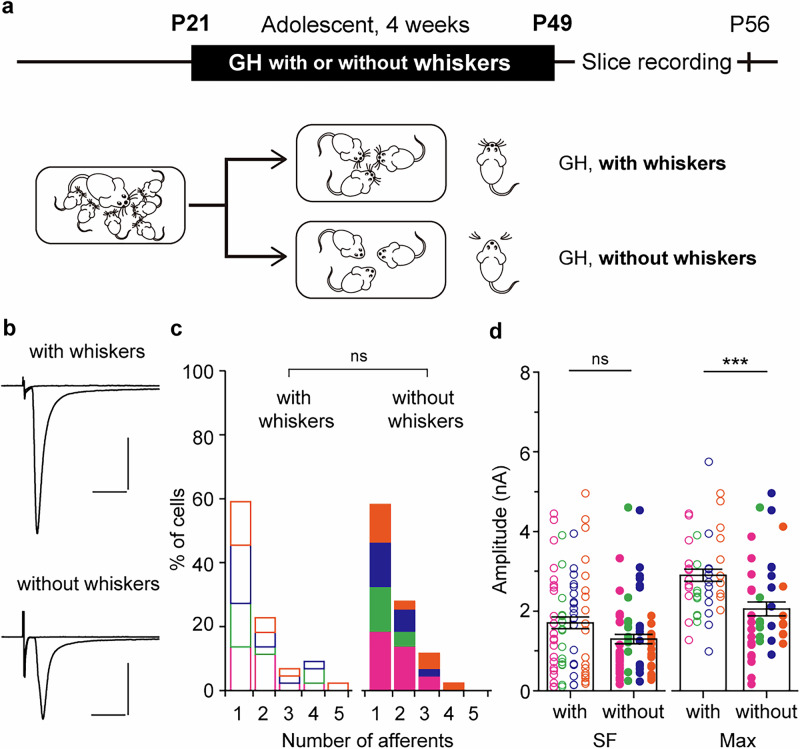 Figure 3
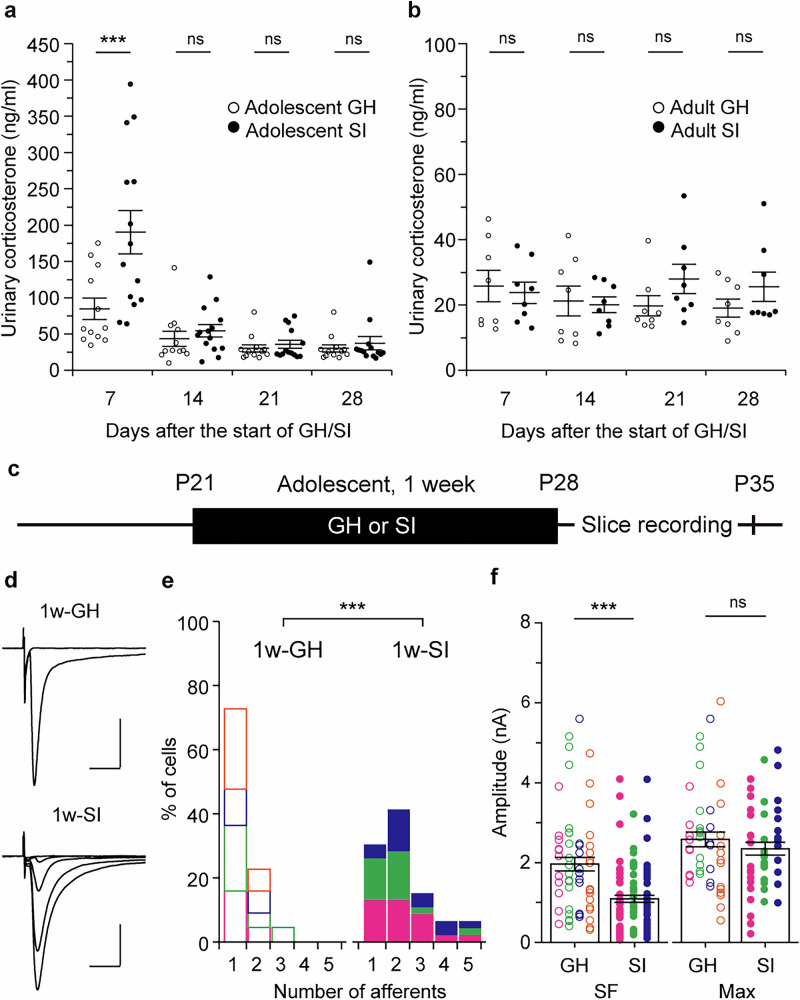 Figure 4
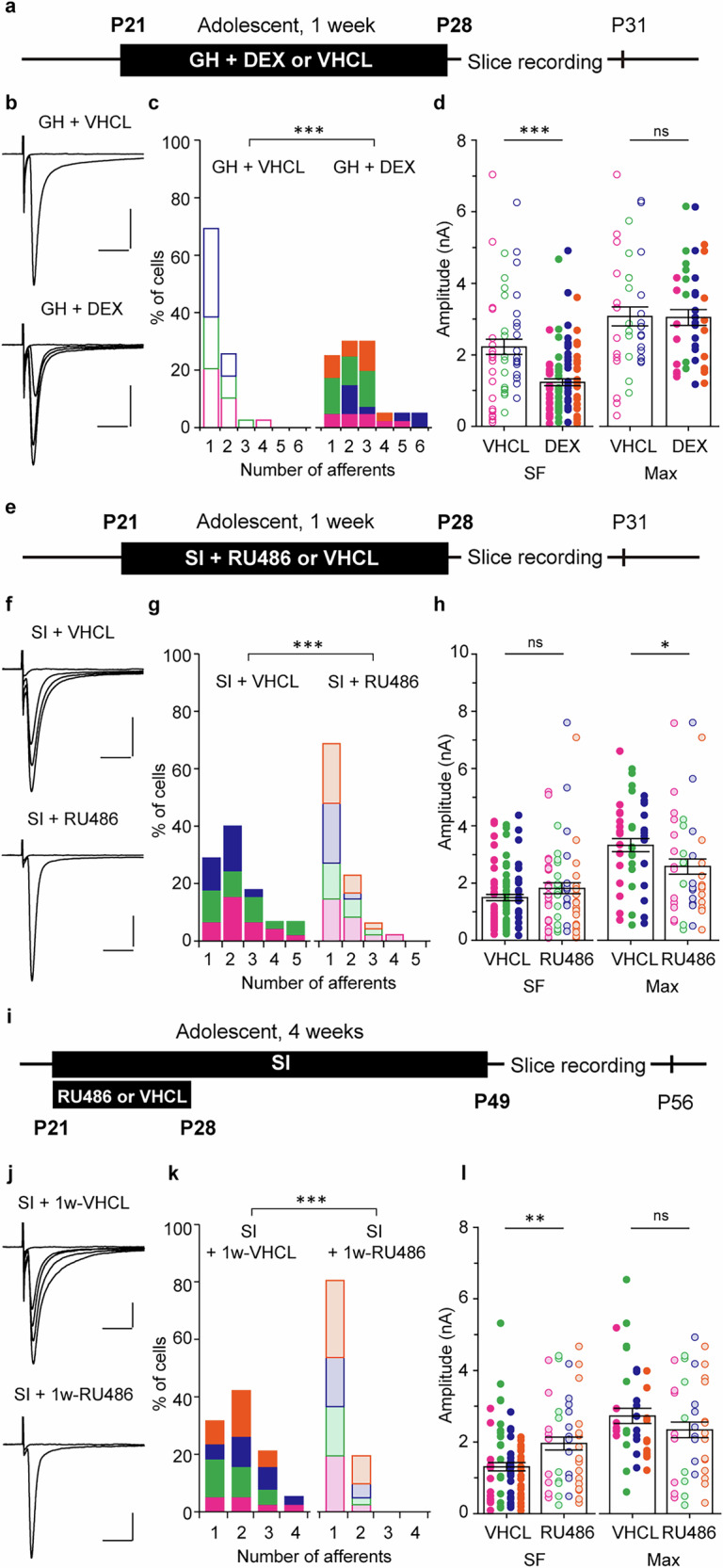 Figure 5
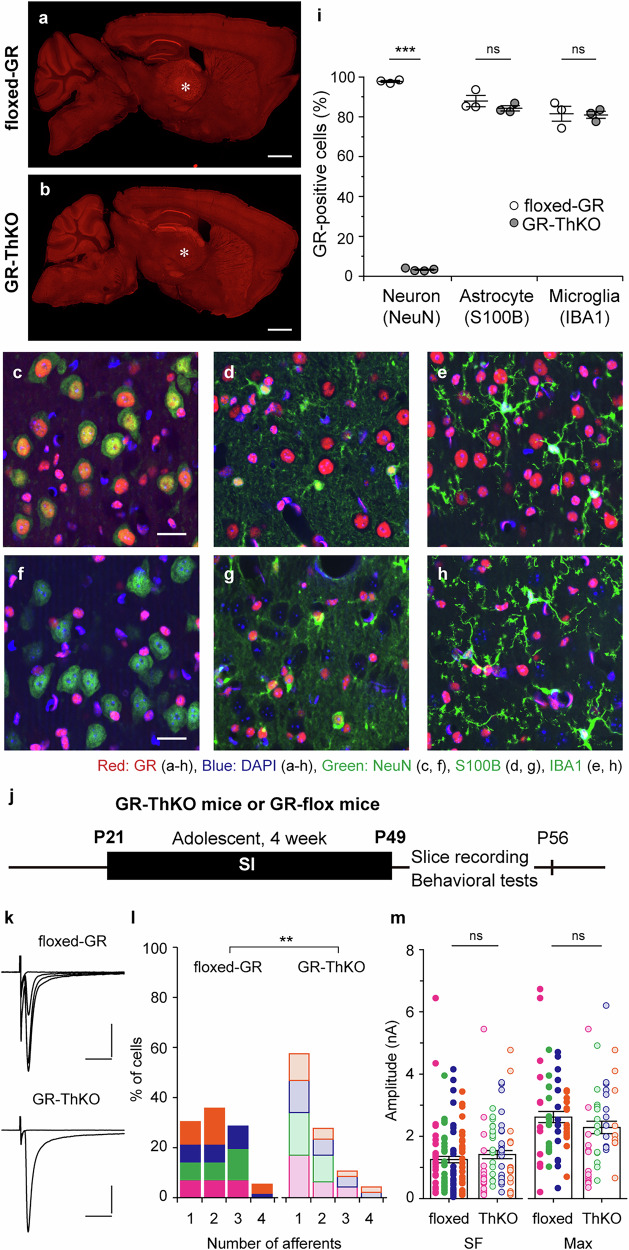 Figure 6
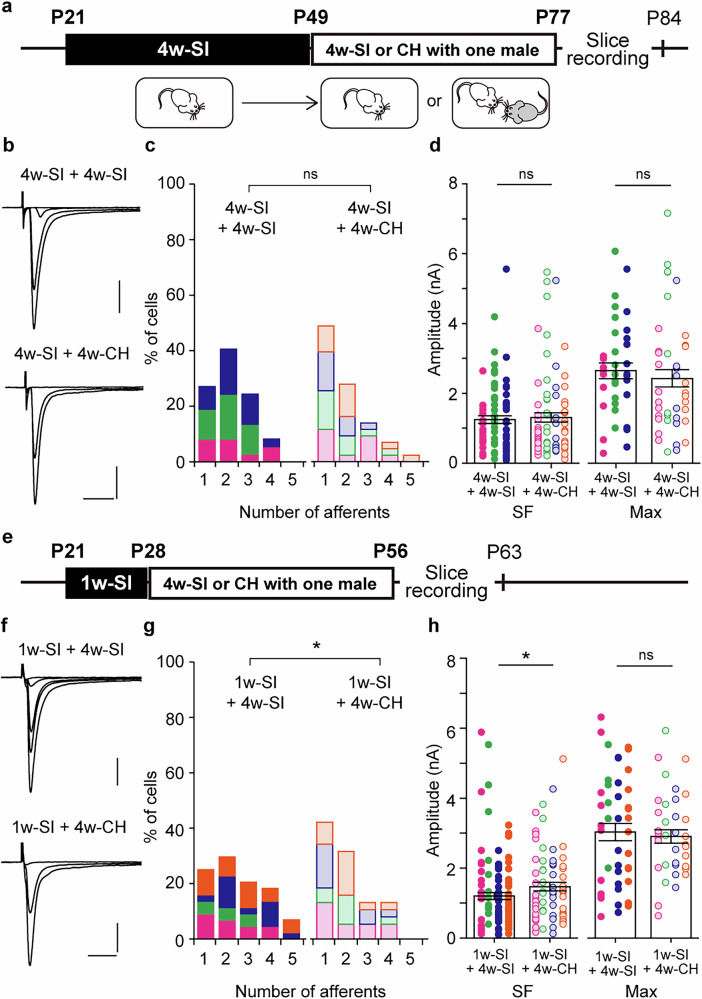 Figure 7
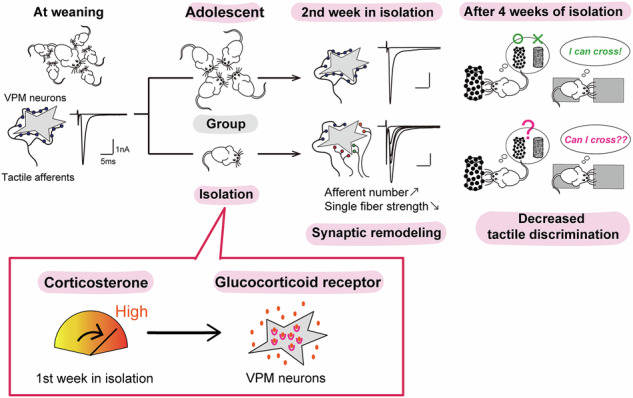 Figure 8
Peer Reviews
No public reviews on file for this paper yet. If you reviewed it on a platform where reviews are public (OpenReview, ICLR, NeurIPS, ICML), you can paste yours below so the community can read it here.
Videos
No videos yet. Explain this paper in a talk, walkthrough, or lecture? Add one.
Taxonomy
TopicsStress Responses and Cortisol · Neuroendocrine regulation and behavior · Memory and Neural Mechanisms