A computational model of the cerebellar granular layer calibrated to experimental data for studying inhibition and sensory encoding
María P. Tirado, Eva M. Ortigosa, Eduardo Ros, Jesús A. Garrido

TL;DR
This paper introduces a detailed computational model of the cerebellar granular layer to study how inhibition affects sensory processing and pattern separation.
Contribution
The novel contribution is a biologically realistic model calibrated to experimental data that explores the role of inhibition in cerebellar sensory encoding.
Findings
Moderate inhibition levels optimize pattern separation performance in the cerebellar granular layer.
Feedforward and feedback inhibition have distinct effects on coding expansion and decorrelation.
The model replicates in vivo findings on nonlinear suppression during multisensory integration.
Abstract
The cerebellar granular layer plays a central role in sensory processing and pattern separation through its distinctive feedforward architecture. Here, we present a biologically realistic computational model of the granular layer designed to explore the functional impact of synaptic inhibition mediated by Golgi cells. The model integrates anatomical and physiological constraints to simulate realistic mossy fiber activity patterns, including spatial correlations and varying activation levels. We validate the model by replicating key findings from recent in vivo experiments, such as the role of inhibition in shaping granule cell responsiveness and the emergence of nonlinear suppression during multisensory integration. Beyond validation, the model provides a robust computational tool for studying how inhibition contributes to energy-efficient and noise-resilient sensory encoding.…
Genes, proteins, chemicals, diseases, species, mutations and cell lines named across the full text — each resolved to its canonical identifier and authoritative record.
Click any figure to enlarge with its caption.
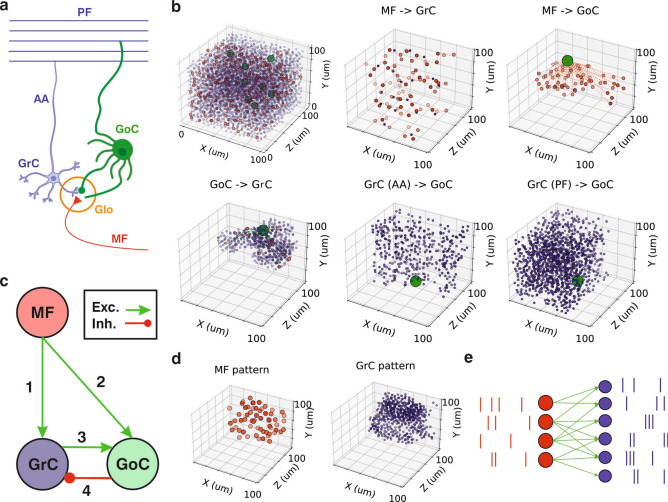 Figure 1
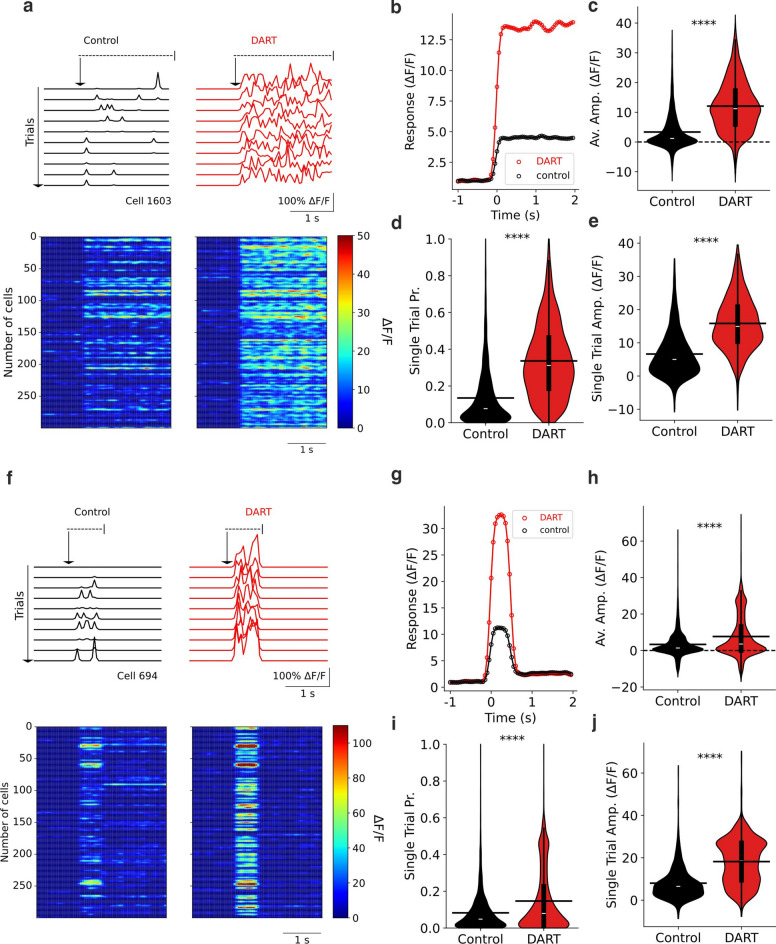 Figure 2
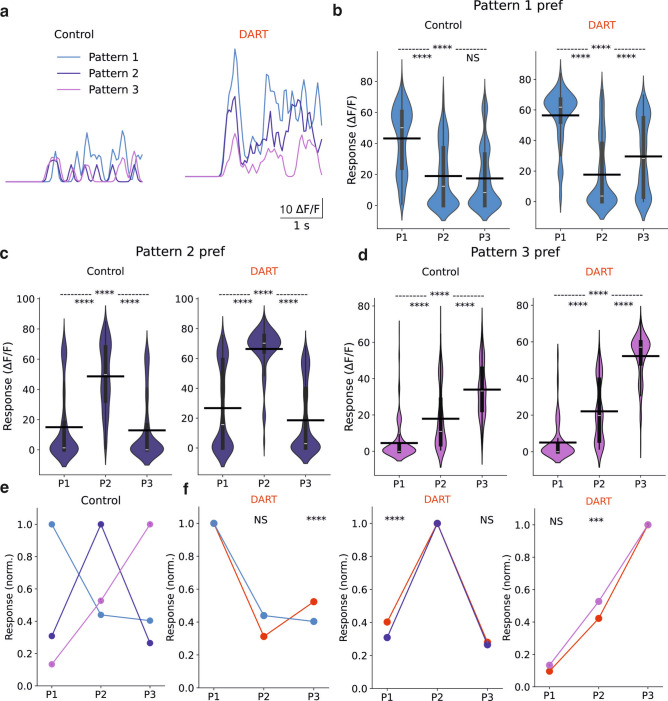 Figure 3
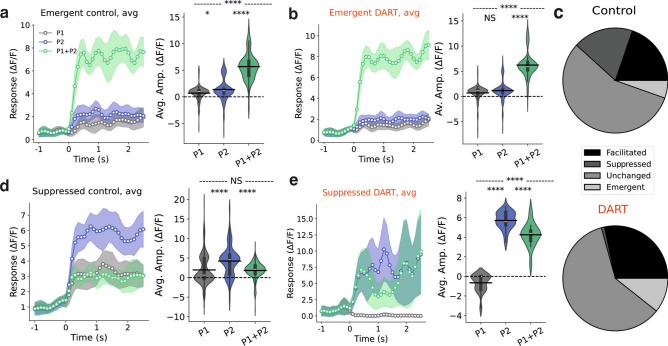 Figure 4
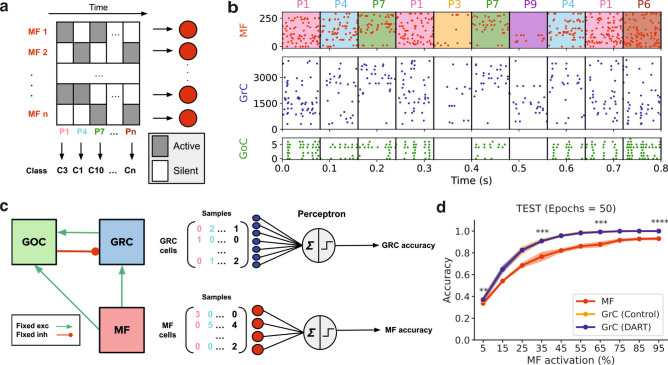 Figure 5
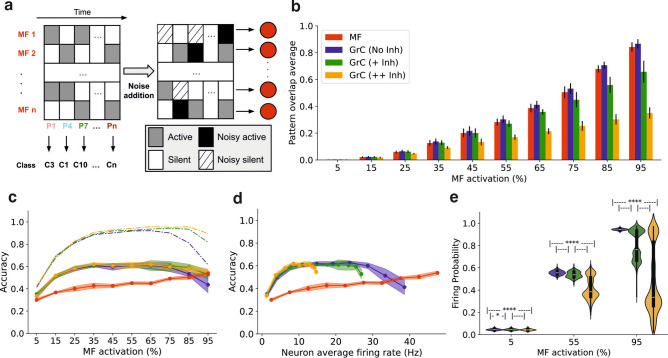 Figure 6
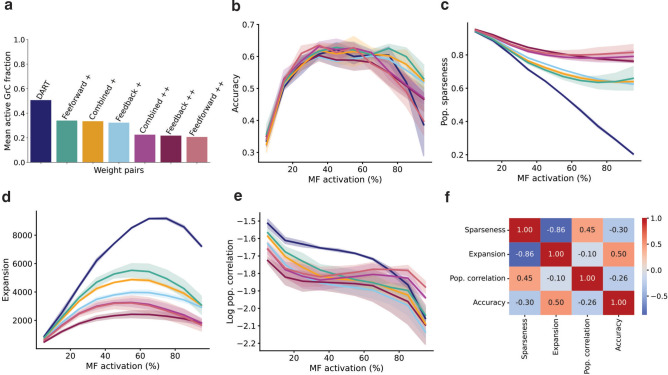 Figure 7
Peer Reviews
No public reviews on file for this paper yet. If you reviewed it on a platform where reviews are public (OpenReview, ICLR, NeurIPS, ICML), you can paste yours below so the community can read it here.
Videos
No videos yet. Explain this paper in a talk, walkthrough, or lecture? Add one.
Taxonomy
TopicsVestibular and auditory disorders · Hearing, Cochlea, Tinnitus, Genetics · Olfactory and Sensory Function Studies