Improved albumin binding properties of Isoguvacine upon esterification as characterized by biophysical and computational tools
Yan Hong Ng, Muhamad Imam Muhajir, Rani Maharani, Unang Supratman, Jalifah Latip, Murni Nazira Sarian, Su Datt Lam, Shevin Rizal Feroz

TL;DR
Researchers improved the brain delivery potential of Isoguvacine by creating ester prodrugs that bind better to blood proteins, which could lead to better epilepsy treatments.
Contribution
Ester prodrugs of Isoguvacine were developed and shown to have significantly improved albumin binding compared to the parent compound.
Findings
E14 exhibited a much higher binding affinity to HSA than E7 and IGV.
Esterification increased hydrophobicity, enhancing stable interactions with HSA without altering its structure.
Molecular simulations confirmed the superior stability of the E14–HSA complex.
Abstract
The prevalence of epilepsy, affecting millions across all age groups, has intensified the need for novel therapeutic interventions. Despite advances in antiseizure medications (ASMs), challenges persist, particularly drug resistance and significant psychiatric and behavioral adverse effects. Isoguvacine (IGV), a potent γ-aminobutyric acid type A receptor agonist, holds promise for epilepsy treatment but suffers from poor blood–brain barrier (BBB) permeability due to its zwitterionic nature. To address this limitation, two ester prodrugs: E7 (heptyl 1,2,3,6-tetrahydropyridine-4-carboxylate) and E14 (tetradecyl 1,2,3,6-tetrahydropyridine-4-carboxylate) were synthesized to enhance BBB penetration and central nervous system (CNS) delivery. This study investigates the interactions of IGV and its derivatives with human serum albumin (HSA), a key plasma transport protein, using a suite of…
Genes, proteins, chemicals, diseases, species, mutations and cell lines named across the full text — each resolved to its canonical identifier and authoritative record.
Click any figure to enlarge with its caption.
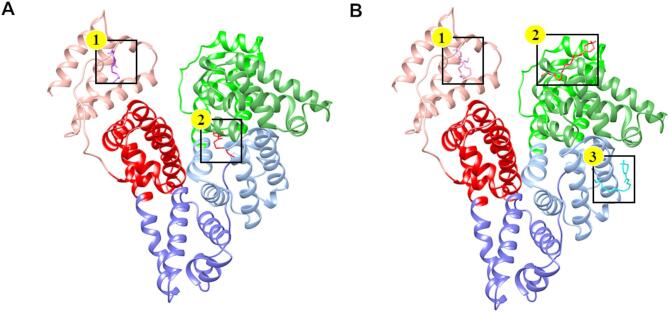 Figure 10
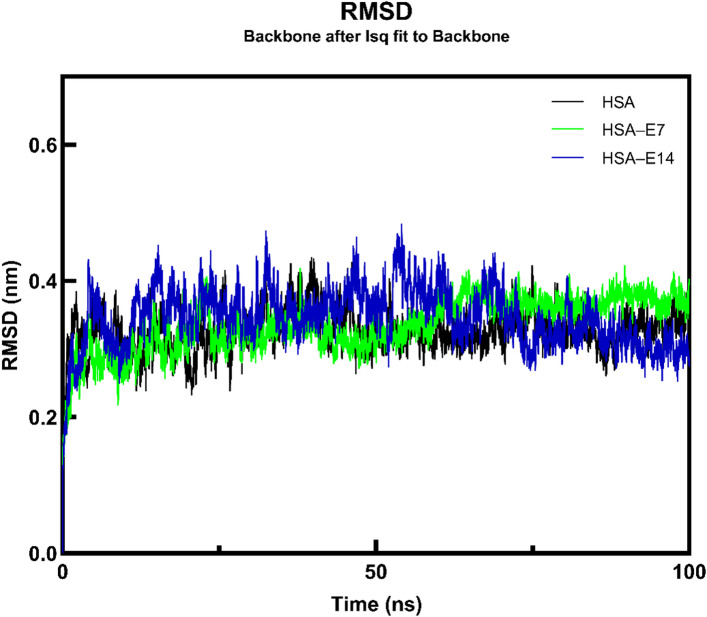 Figure 11
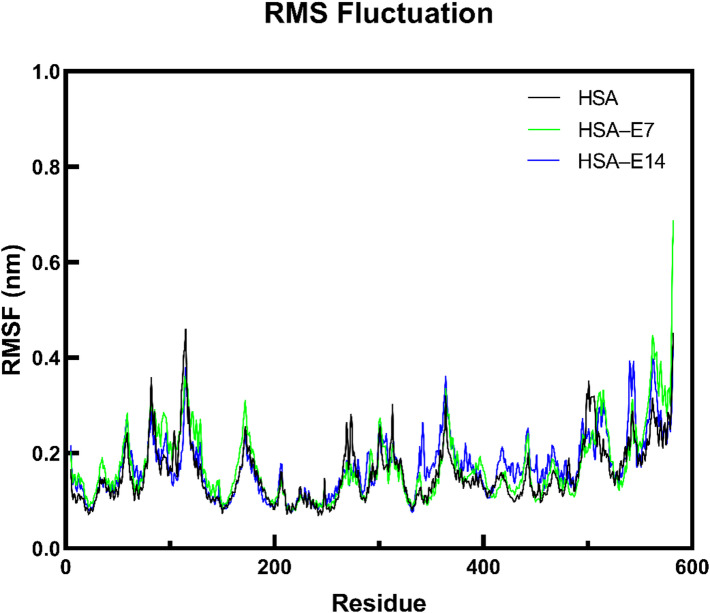 Figure 12
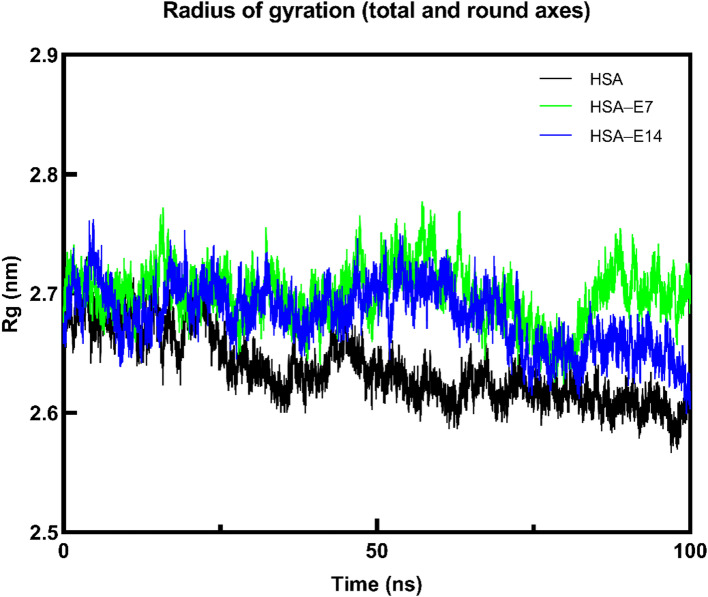 Figure 13
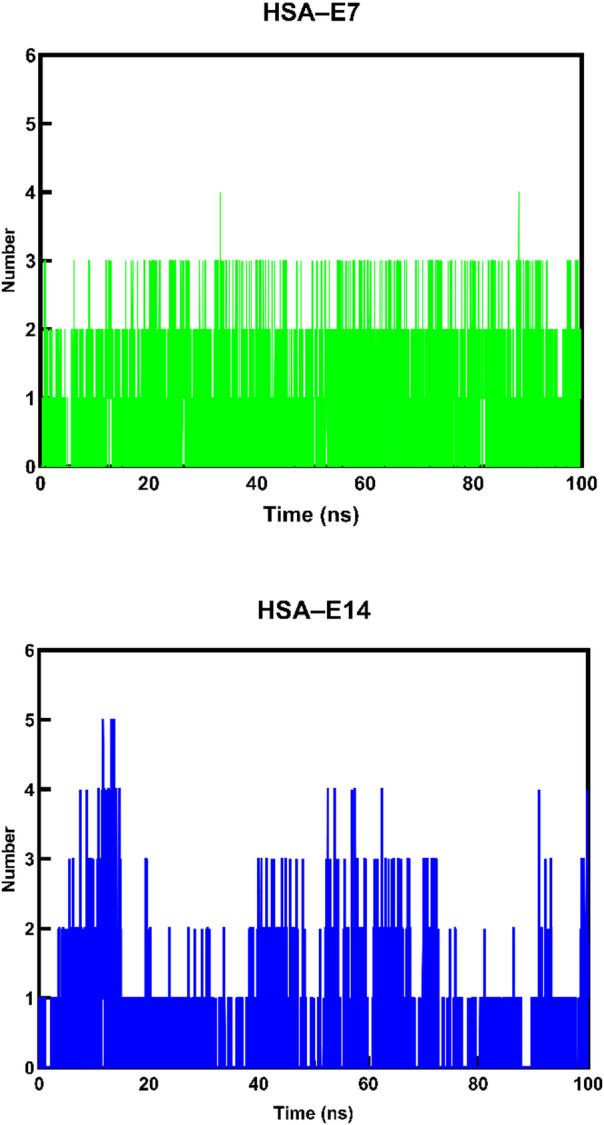 Figure 14
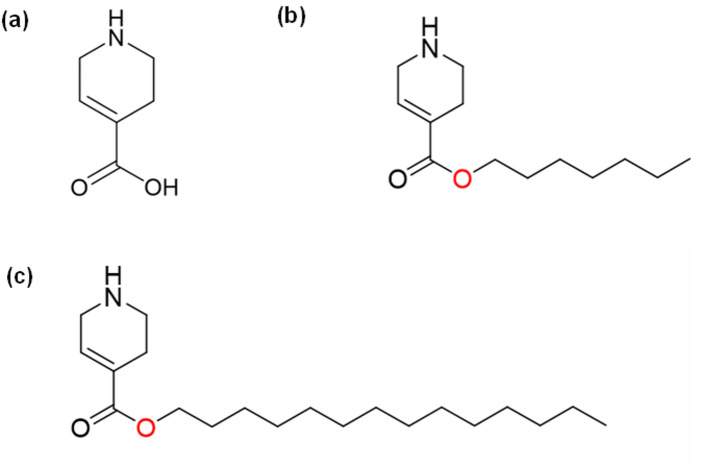 Figure 1
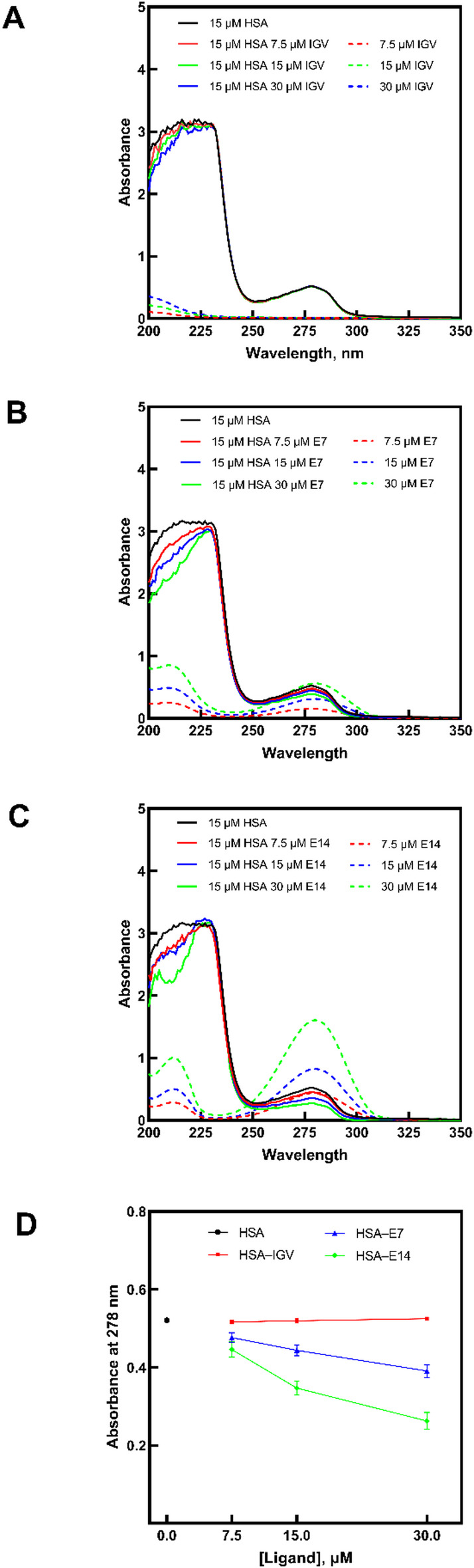 Figure 2
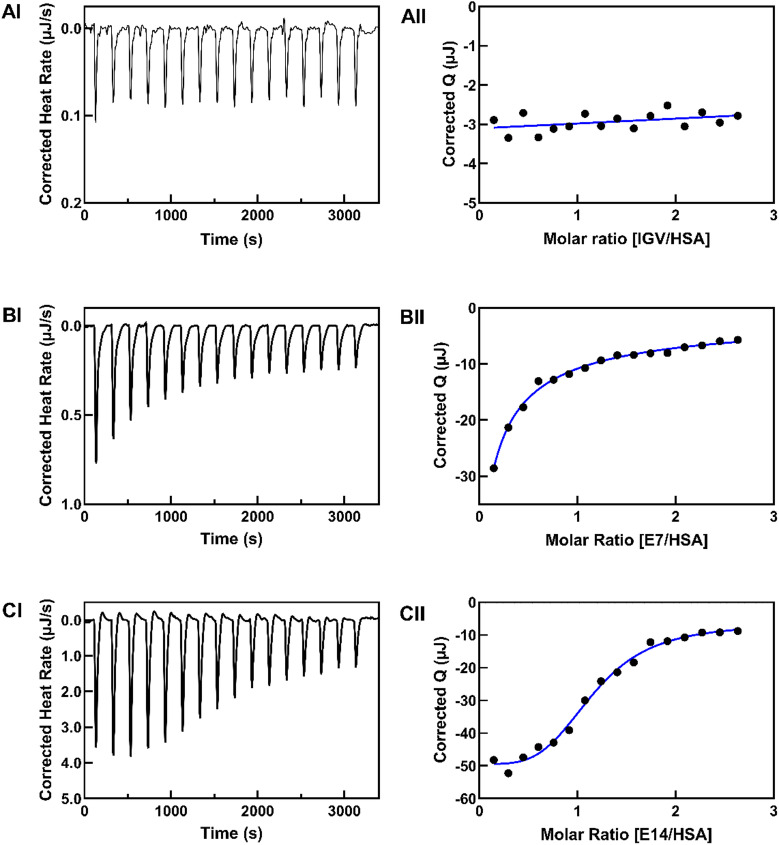 Figure 3
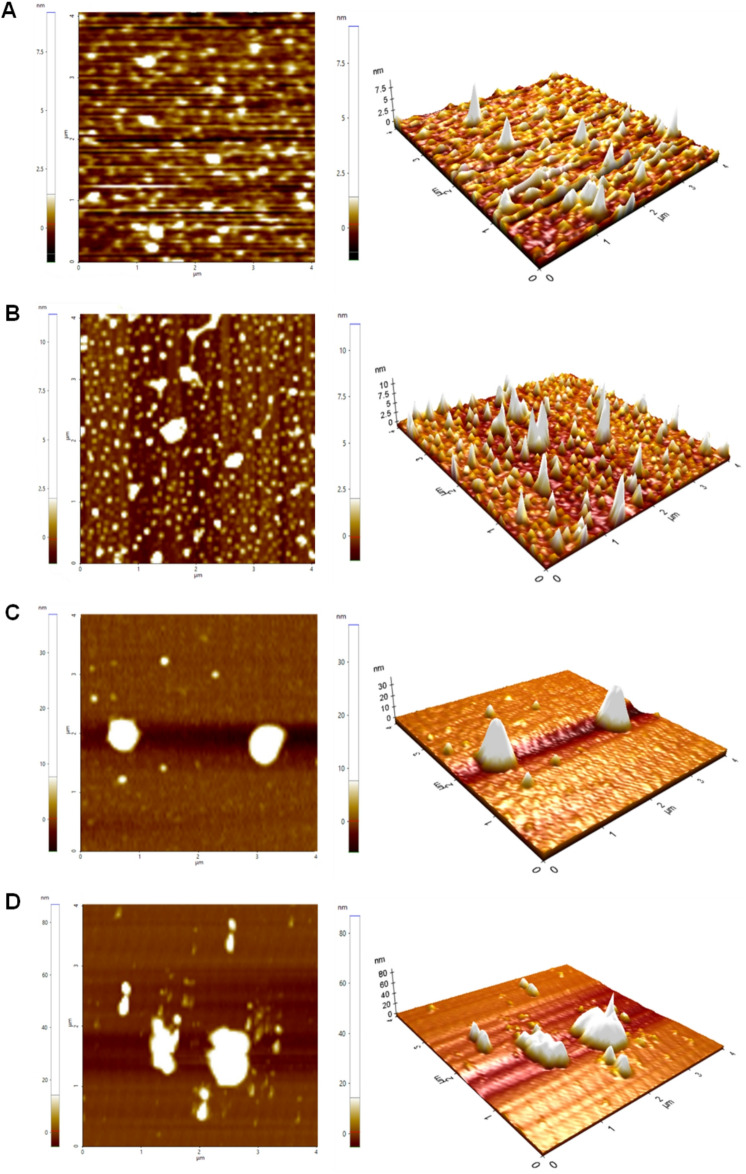 Figure 4
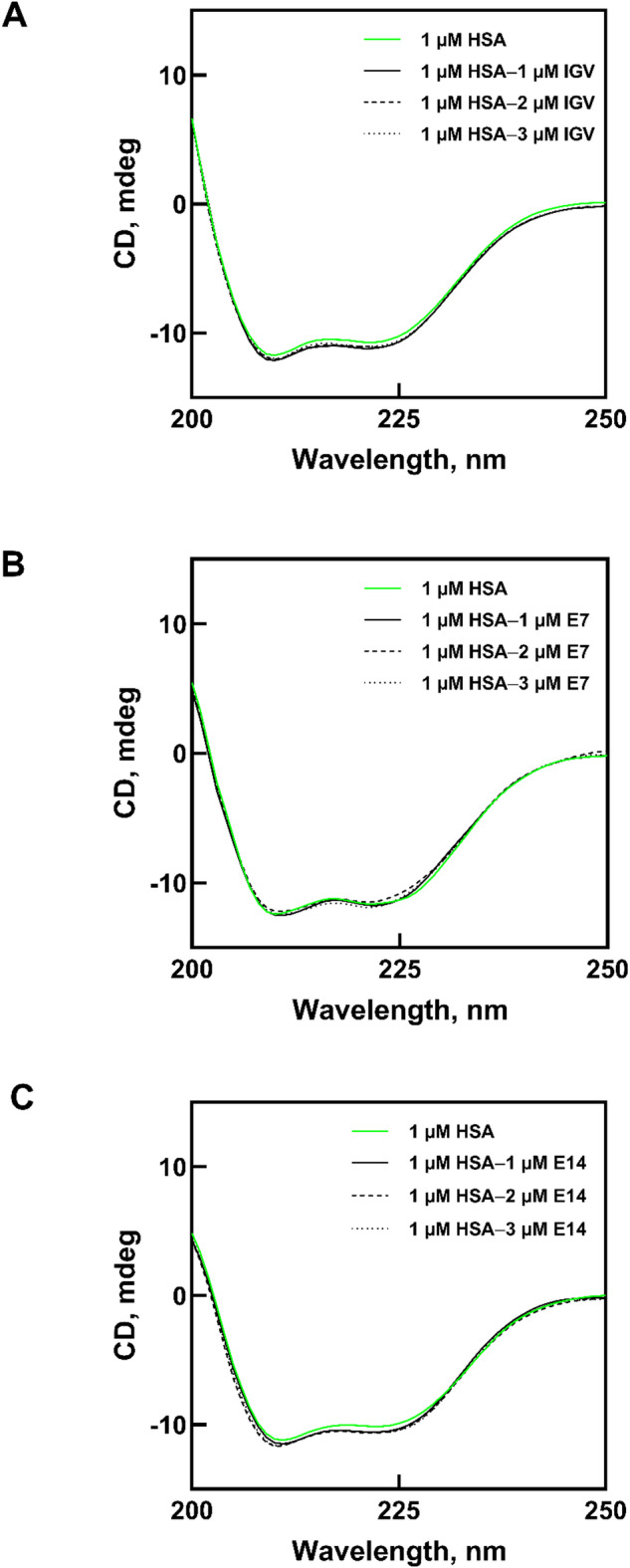 Figure 5
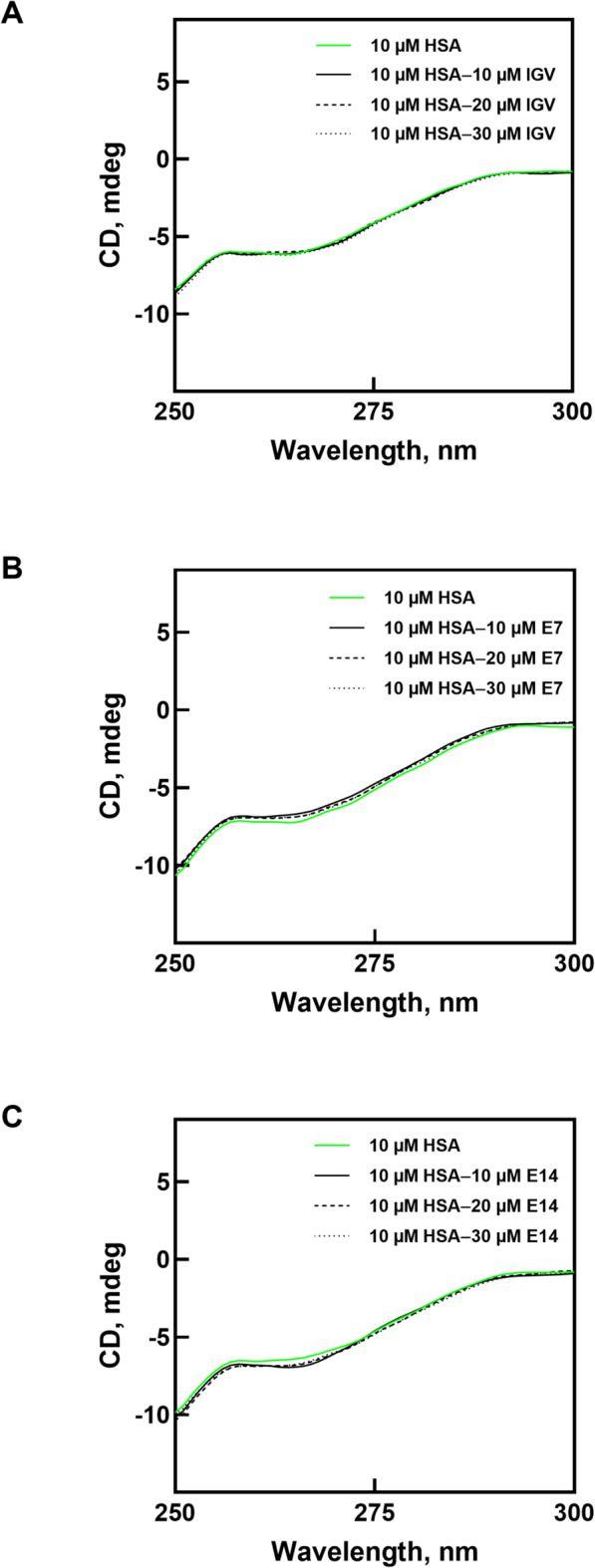 Figure 6
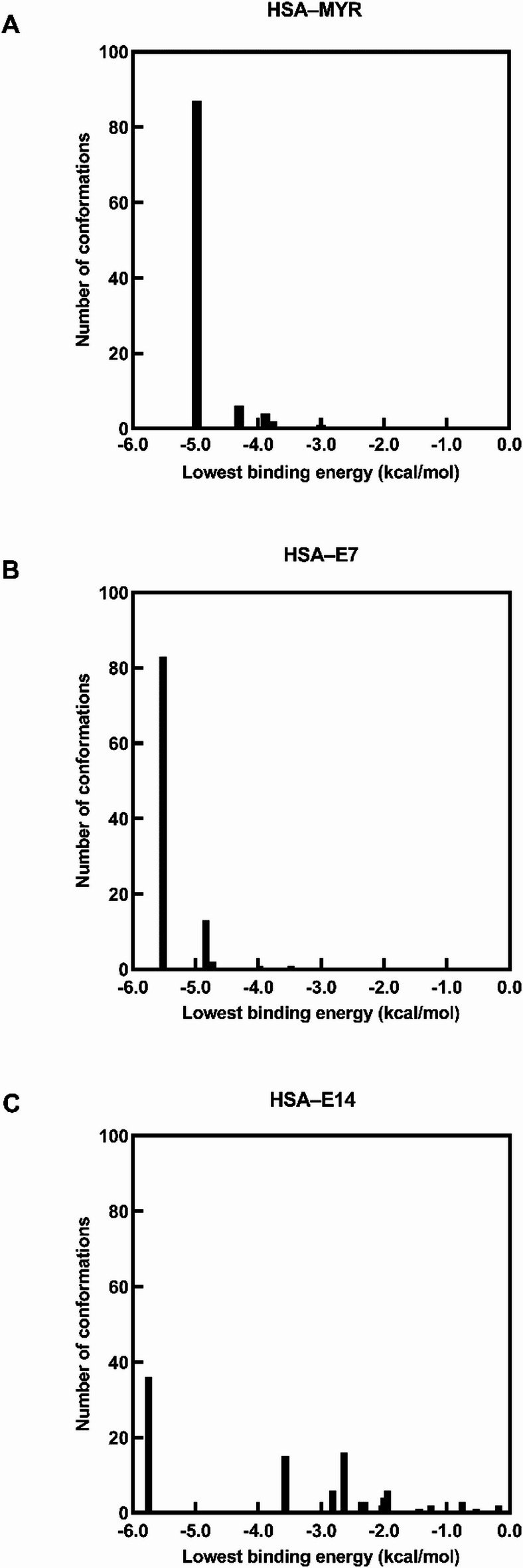 Figure 7
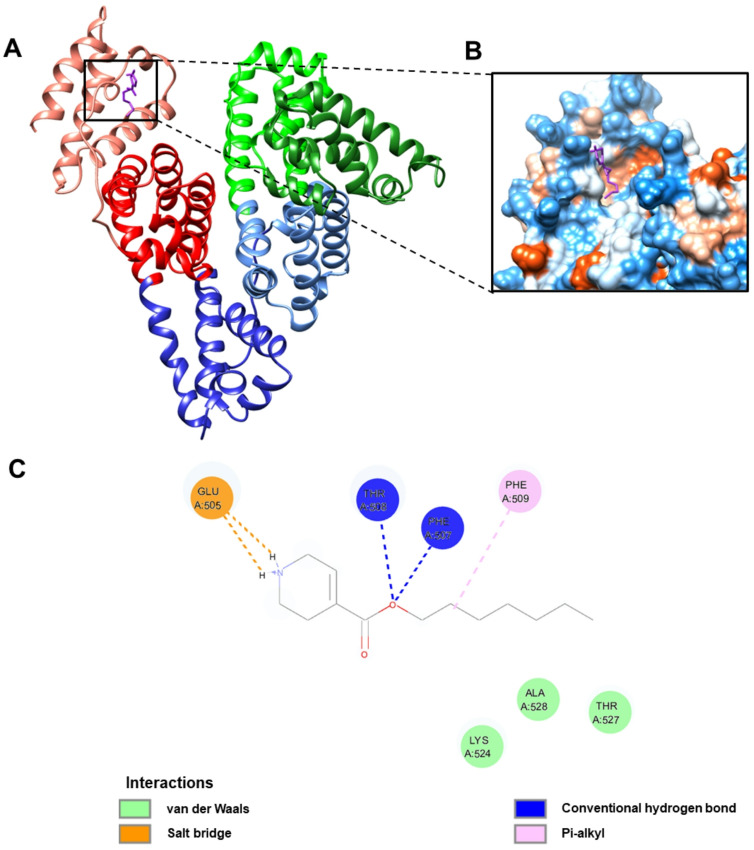 Figure 8
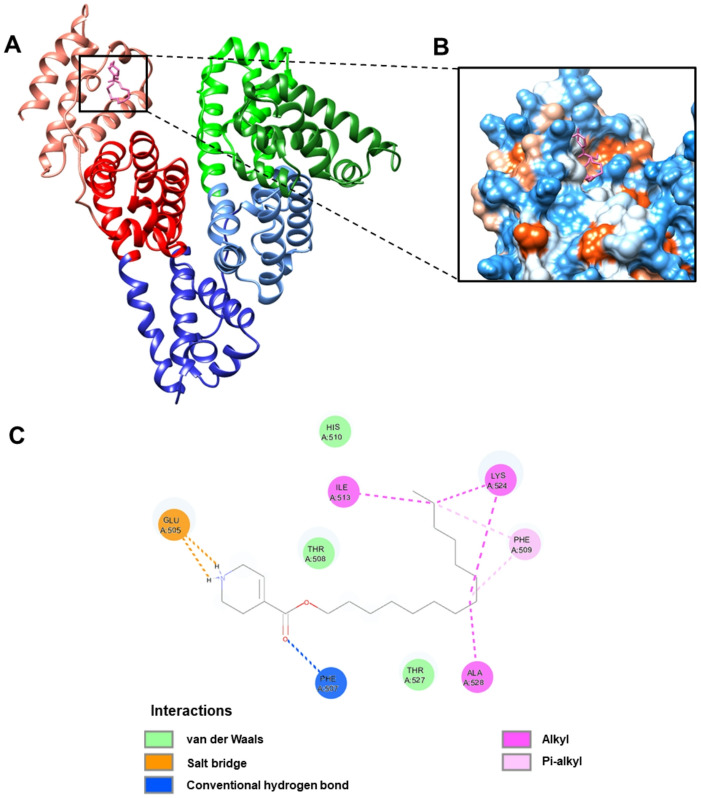 Figure 9
Peer Reviews
No public reviews on file for this paper yet. If you reviewed it on a platform where reviews are public (OpenReview, ICLR, NeurIPS, ICML), you can paste yours below so the community can read it here.
Videos
No videos yet. Explain this paper in a talk, walkthrough, or lecture? Add one.
Taxonomy
TopicsProtein Interaction Studies and Fluorescence Analysis · Drug Transport and Resistance Mechanisms · Monoclonal and Polyclonal Antibodies Research