Biliverdin targeting TcdB-DRBD inhibits Clostridioides difficile virulence and restores gut microbiota in Mongolian gerbils (Meriones unguiculatus)
Shuangshuang Wan, Yu Lei, Yue Jin, Runze Wang, Meng Zhang, Qikai Shi, Hui Hu, Yulei Tai, Yun Luo, Zheng Xu, Rong Kuang, Xiaojun Song, Yu Chen, Dazhi Jin

TL;DR
Biliverdin, a natural compound, inhibits Clostridioides difficile toxin and restores gut health in gerbils, offering a promising treatment for CDI.
Contribution
Biliverdin encapsulated in extracellular vesicles is shown to inhibit C. difficile virulence and restore gut microbiota without affecting bacterial growth.
Findings
Biliverdin encapsulated in extracellular vesicles significantly reduced TcdB load and intestinal lesions in gerbils.
Biliverdin restored gut microbiota and increased beneficial Firmicutes bacteria.
Biliverdin improved survival rate and body weight in infected gerbils.
Abstract
The incidence of Clostridioides difficile infection (CDI) has been rising globally in recent years. Treating CDI is complicated by antibiotic-induced disruption of the normal gut microbiota, which promotes CDI recurrence and increases the risk of therapeutic failure. We used an AI-assisted approach to screen small molecule inhibitors targeting the receptor binding domain of toxin B (TcdB). Biliverdin (BV) had strong binding affinities with all TcdB variants. In vitro results showed that BV exhibited no cytotoxic effects on cells and didn’t affect growth of C. difficile, yet markedly suppressed cytotoxic effects induced by TcdB1-4. Encapsulating BV in intestinal epithelial cell-derived extracellular vesicles (I-EVs) significantly recovered body weight, enhanced survival rate, reduced TcdB load, and alleviated intestinal lesions in treated gerbils. Notably, BV treatment not only restored…
Genes, proteins, chemicals, diseases, species, mutations and cell lines named across the full text — each resolved to its canonical identifier and authoritative record.
Click any figure to enlarge with its caption.
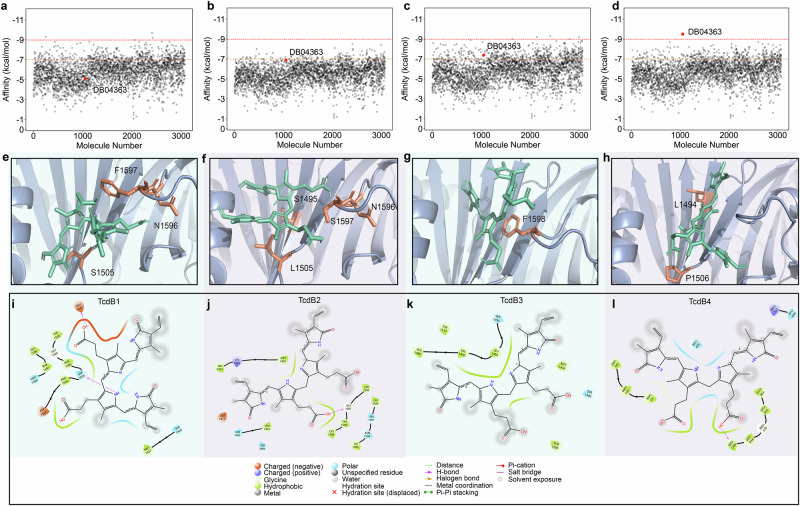 Figure 1
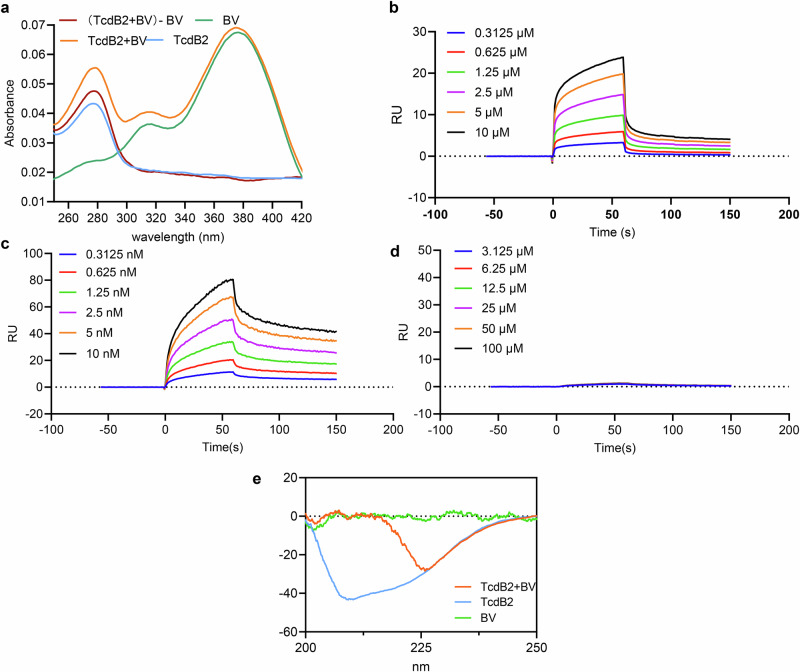 Figure 2
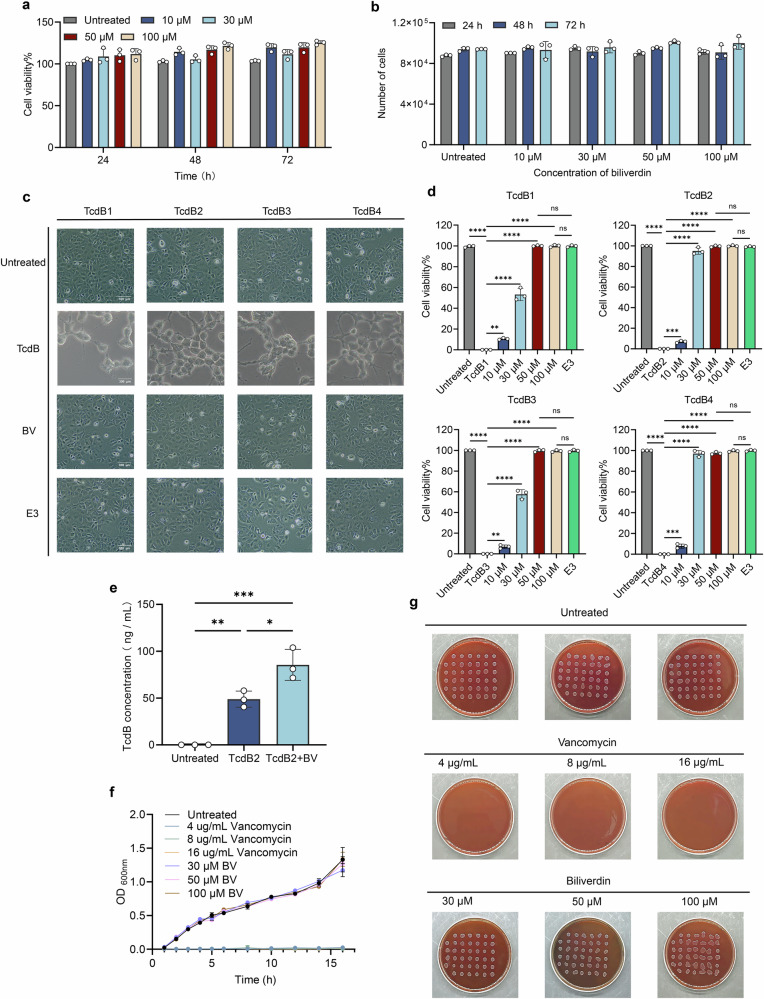 Figure 3
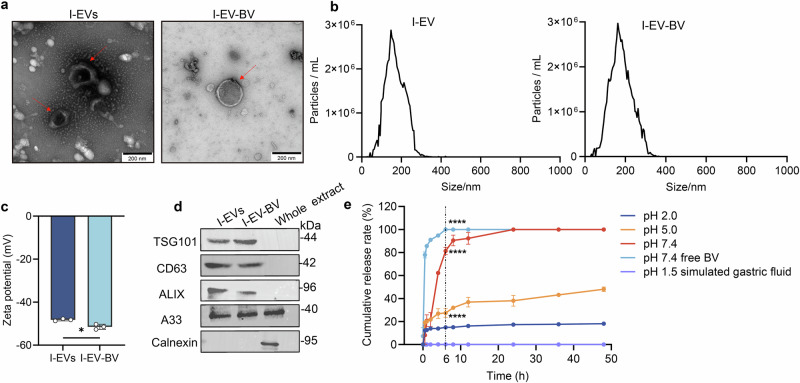 Figure 4
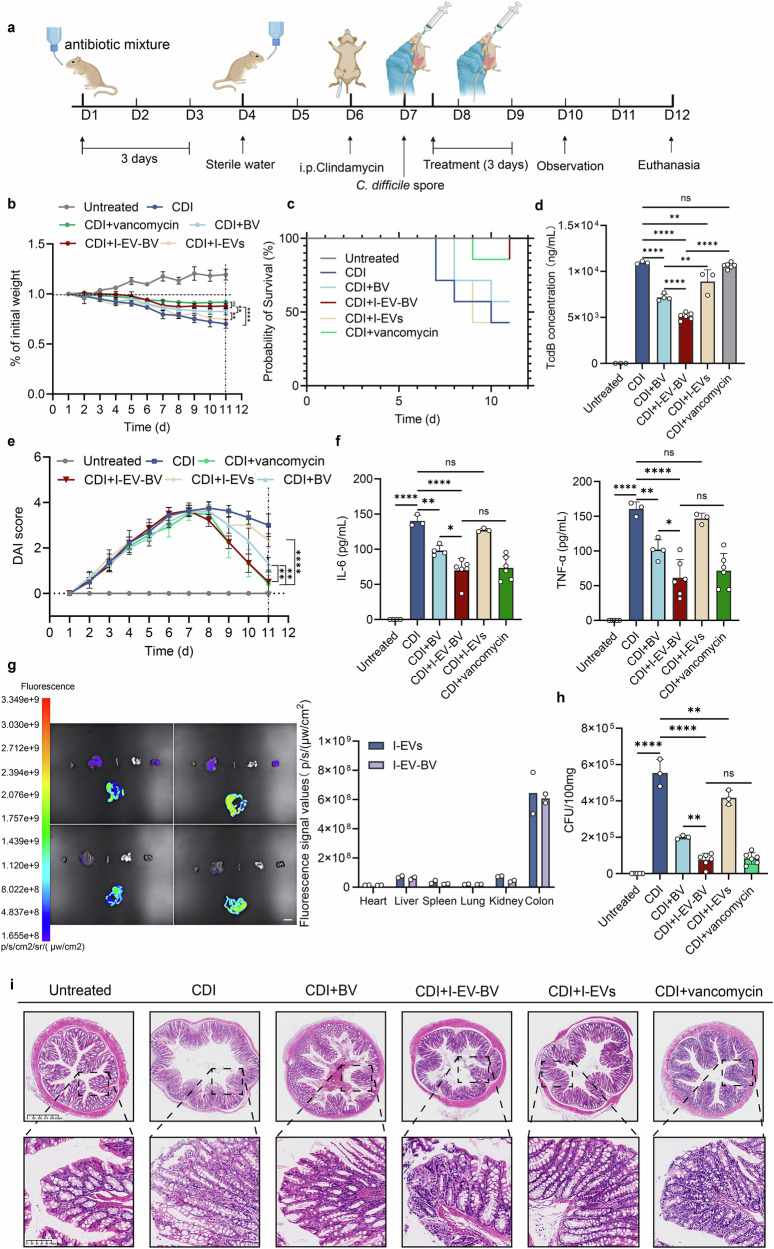 Figure 5
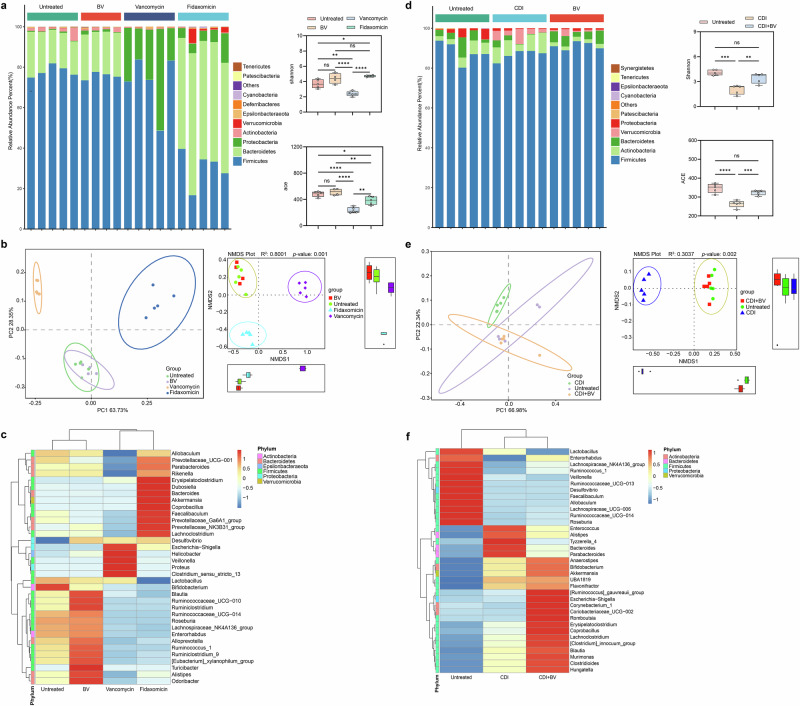 Figure 6
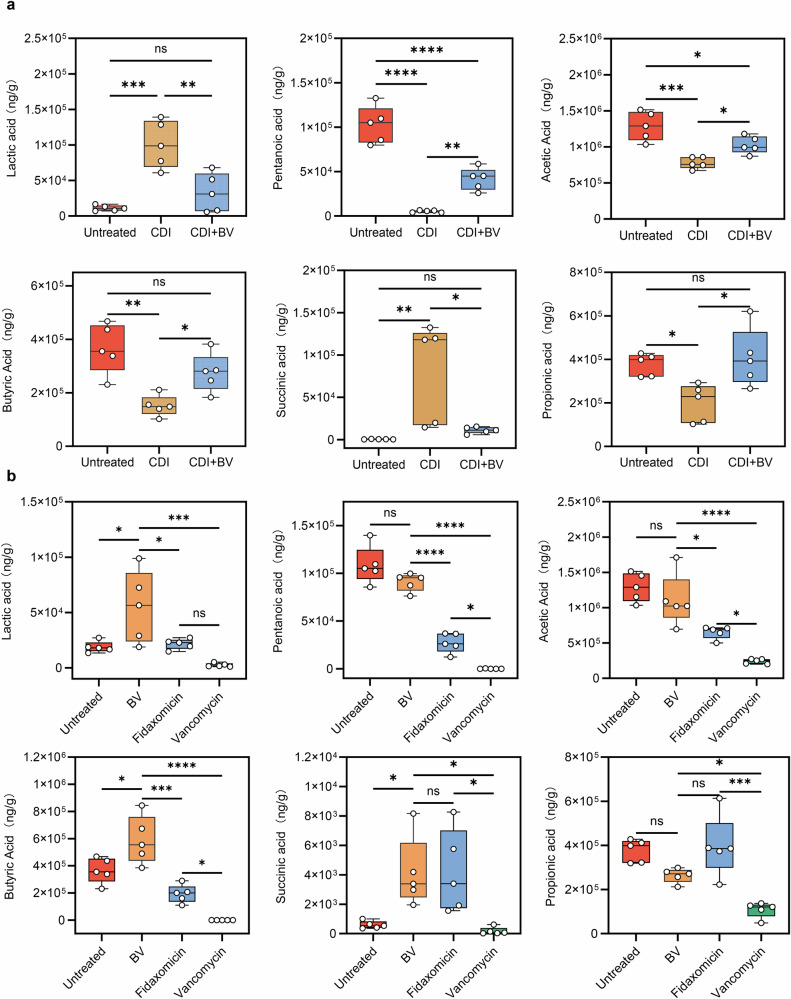 Figure 7
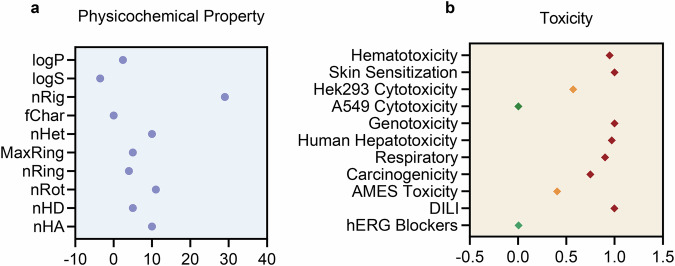 Figure 8
Peer Reviews
No public reviews on file for this paper yet. If you reviewed it on a platform where reviews are public (OpenReview, ICLR, NeurIPS, ICML), you can paste yours below so the community can read it here.
Videos
No videos yet. Explain this paper in a talk, walkthrough, or lecture? Add one.
Taxonomy
TopicsClostridium difficile and Clostridium perfringens research · Bacterial Infections and Vaccines · Yersinia bacterium, plague, ectoparasites research