Development of mumps virus-specific sialidase imaging probes through chemical modifications of sialic acid
Yutaka Narimichi, Tadanobu Takahashi, Yuuki Kurebayashi, Tadamune Otsubo, Kiyoshi Ikeda, Yu Saito, Akira Minami, Hideyuki Takeuchi

TL;DR
Scientists modified a probe to specifically detect mumps virus sialidase, improving its accuracy for diagnosing mumps infections.
Contribution
The study introduces chemical modifications to a sialidase probe that enhance its specificity for mumps virus sialidase.
Findings
BTP3-Neu5Ac derivatives with hydrophobic groups at the C5 position improved specificity for mumps virus sialidase.
Linear N-acyl groups with 5–8 carbon atoms at the C5 position enhanced MuV sialidase detection accuracy.
The modified probes could enable precise identification and diagnosis of mumps virus infections.
Abstract
Some viruses, such as mumps virus (MuV), possess sialidases that cleave terminal sialic acids, primarily N-acetylneuraminic acid (Neu5Ac), from glycans. Previously, we developed a sialidase fluorescent imaging probe (BTP3-Neu5Ac) and visualized cells infected with sialidase–expressing viruses. However, BTP3-Neu5Ac could not specifically identify these viruses, as it reacted with a wide range of sialidases from viruses, bacteria, and mammals. Here, to confer specificity of BTP3-Neu5Ac to MuV sialidase, which features a hydrophobic cavity extending toward the C5 position of bound Neu5Ac, we evaluated BTP3-Neu5Ac derivatives containing hydrophobic groups at the C5 position of Neu5Ac moiety across various viral sialidases, including influenza A and B viruses. Linear N-acyl groups with 5–8 carbon atoms at this position improved specificity for MuV sialidase. These derivatives might enable…
Genes, proteins, chemicals, diseases, species, mutations and cell lines named across the full text — each resolved to its canonical identifier and authoritative record.
Click any figure to enlarge with its caption.
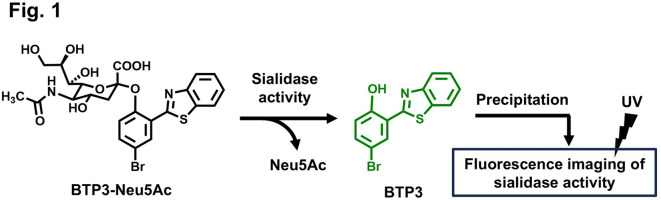 Figure 1
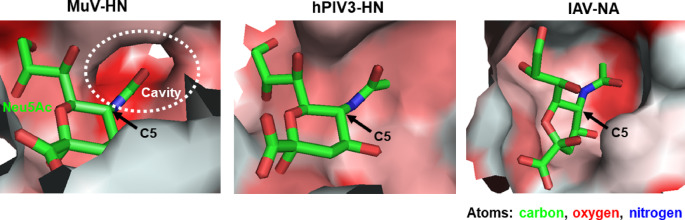 Figure 2
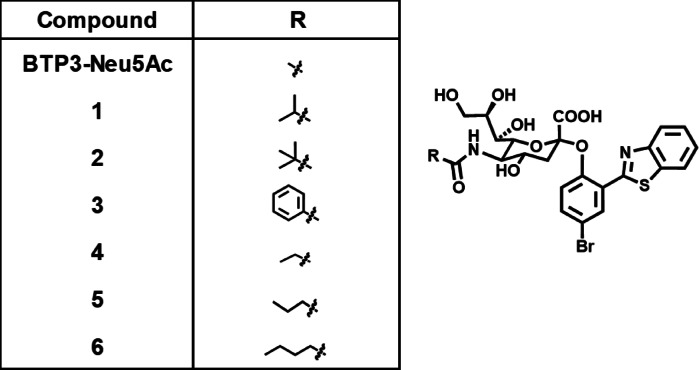 Figure 3
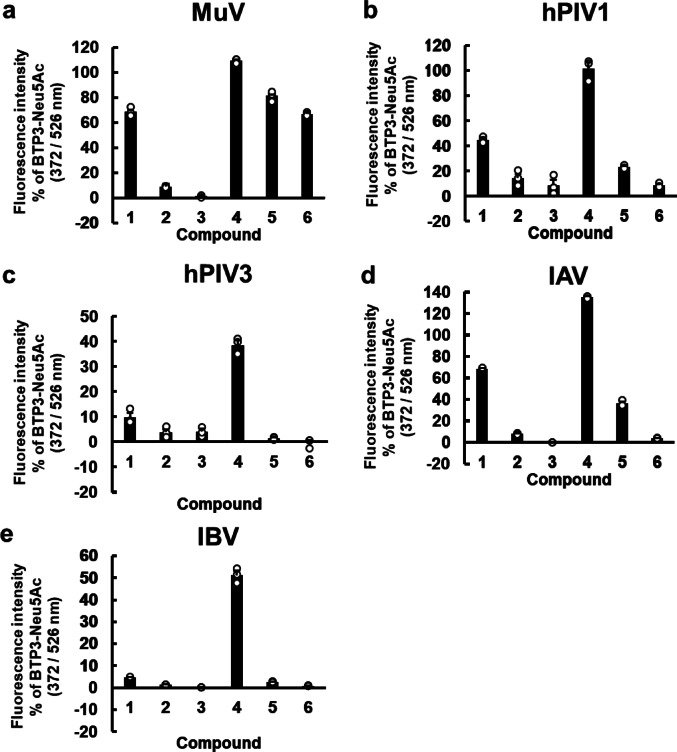 Figure 4
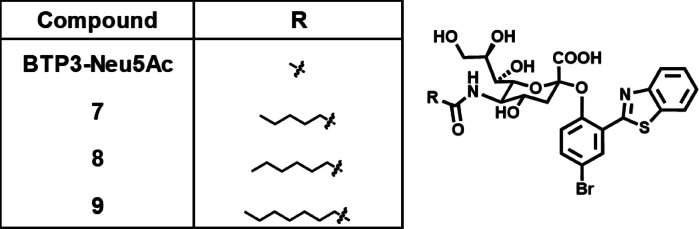 Figure 5
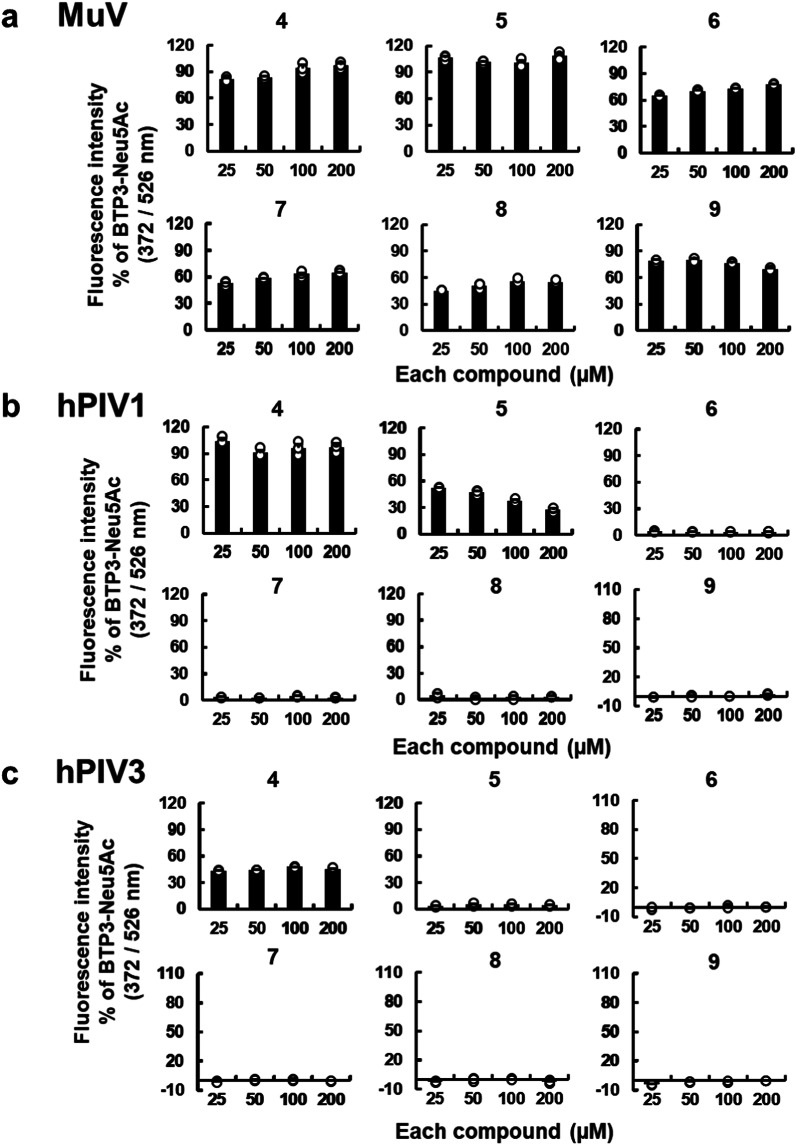 Figure 6
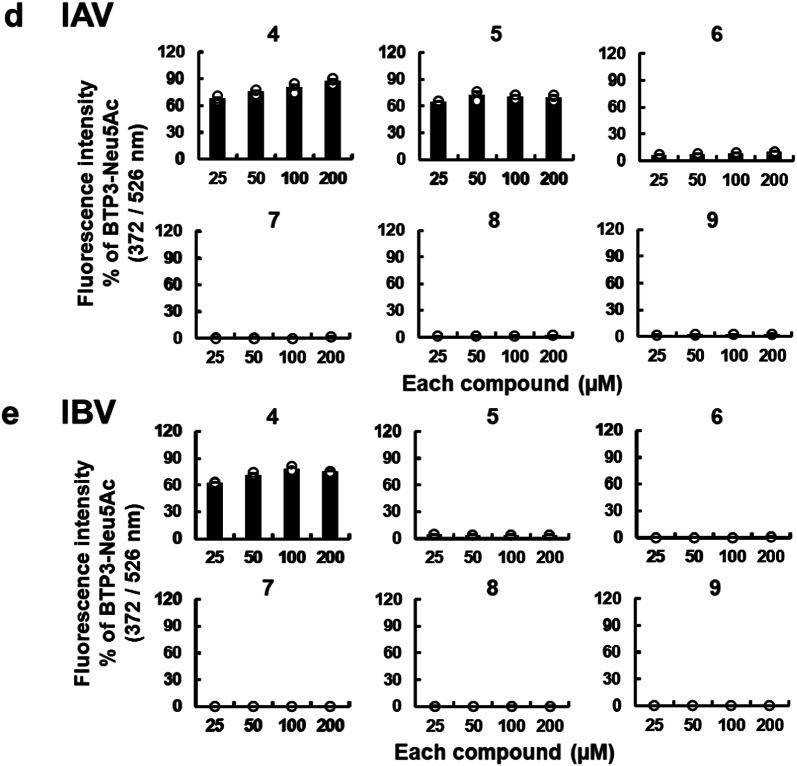 Figure 6
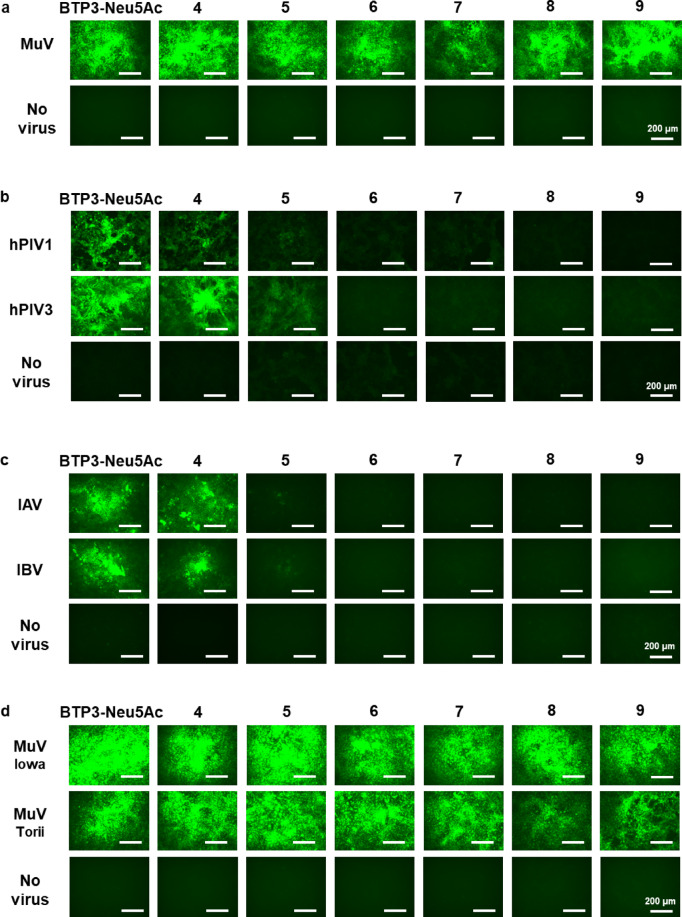 Figure 7
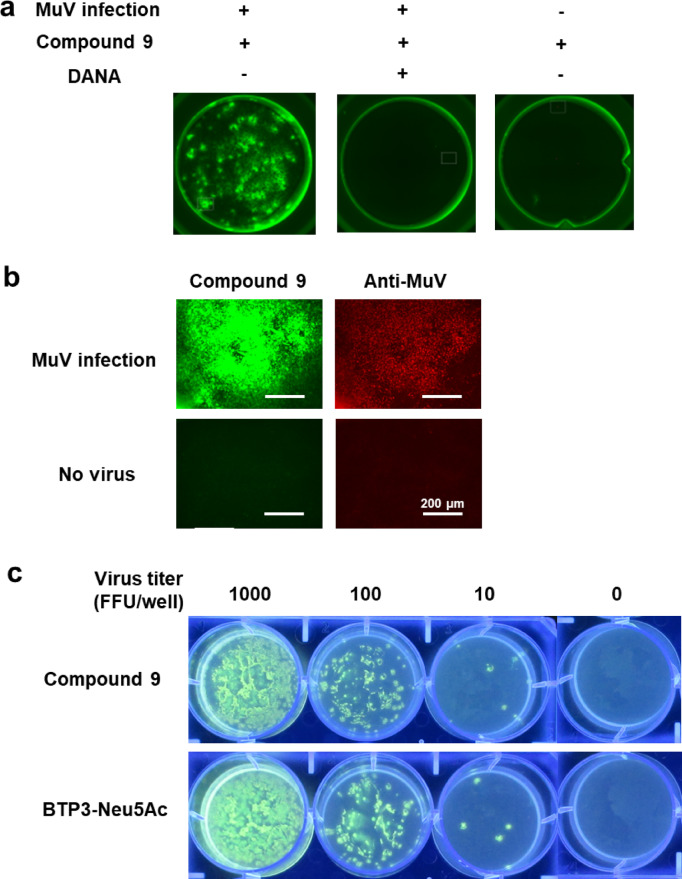 Figure 8
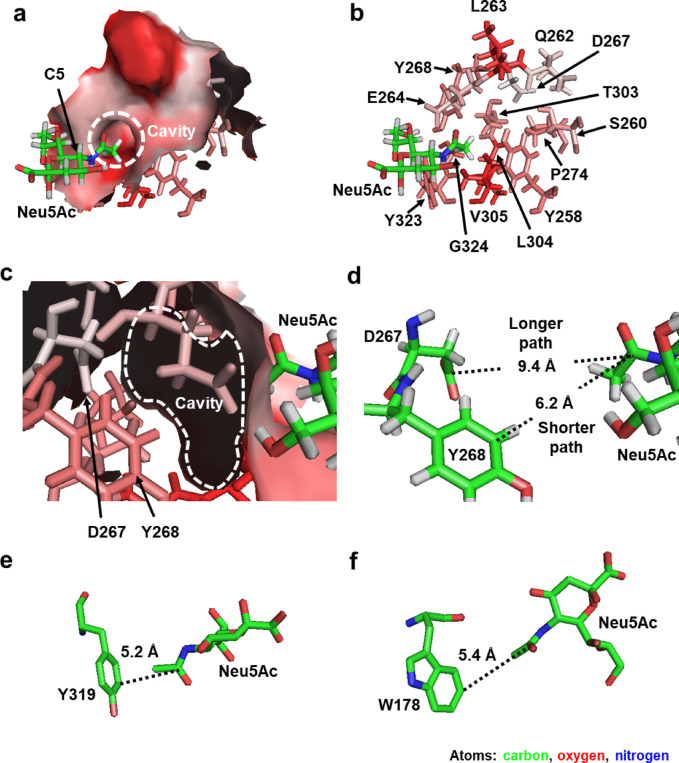 Figure 9
Peer Reviews
No public reviews on file for this paper yet. If you reviewed it on a platform where reviews are public (OpenReview, ICLR, NeurIPS, ICML), you can paste yours below so the community can read it here.
Videos
No videos yet. Explain this paper in a talk, walkthrough, or lecture? Add one.
Taxonomy
TopicsVirology and Viral Diseases · Influenza Virus Research Studies · Glycosylation and Glycoproteins Research