Reinforcement learning-driven feature selection enhanced by an evolutionary approach tuning for criminal suspect identification
Zhenming Gao, Zhang Jian, Seyed Jalaleddin Mousavirad

TL;DR
This paper introduces a new AI method combining reinforcement learning and evolutionary algorithms to improve criminal suspect identification using facial data.
Contribution
A novel approach using Off-policy PPO for feature selection and differential evolution with k-means mutation for hyperparameter tuning in suspect identification.
Findings
The proposed method achieved F-measures up to 92.202% on the VGGFace2 dataset.
Off-policy PPO improved feature selection and class balance compared to conventional methods.
The enhanced differential evolution algorithm with k-means mutation improved hyperparameter tuning effectiveness.
Abstract
Accurate identification of criminal suspects is crucial for ensuring justice and deterring future crimes. Convolutional neural networks (CNNs) are frequently used to identify suspects. However, conventional methods that rely on CNNs often require assistance with feature selection (FS), class imbalance, and hyperparameter tuning, thereby diminishing their overall effectiveness. To overcome these obstacles, this study introduces a strategy based on reinforcement learning (RL), specifically off-policy proximal policy optimization (Off-policy PPO), which addresses FS and class imbalance. This approach is supplemented by a sophisticated differential evolution (DE) algorithm for tuning hyperparameters. We select Off-policy PPO because it reduces data needs, increases RL efficiency, and suits settings where data collection is costly. In our research, Off-policy PPO is dynamically tuned to…
Genes, proteins, chemicals, diseases, species, mutations and cell lines named across the full text — each resolved to its canonical identifier and authoritative record.
Click any figure to enlarge with its caption.
 Figure 10
 Figure 11
 Figure 12
 Figure 13
 Figure 14
 Figure 15
 Figure 1
 Figure 2
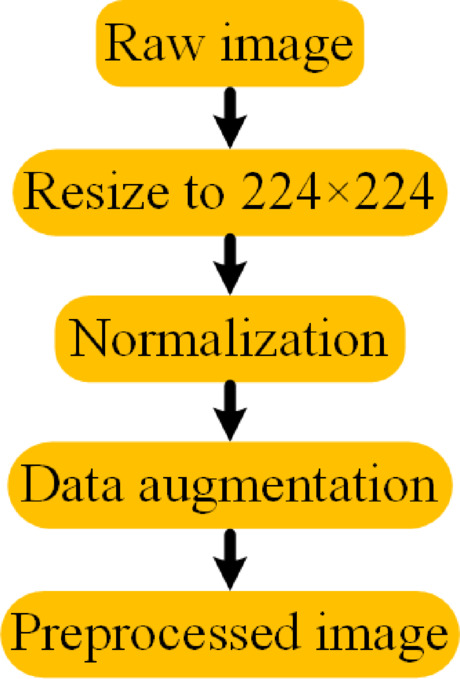 Figure 3
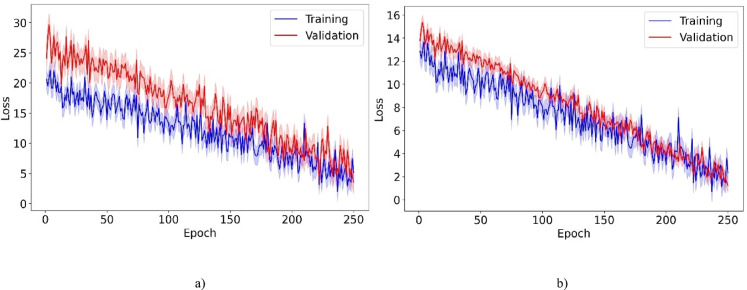 Figure 4
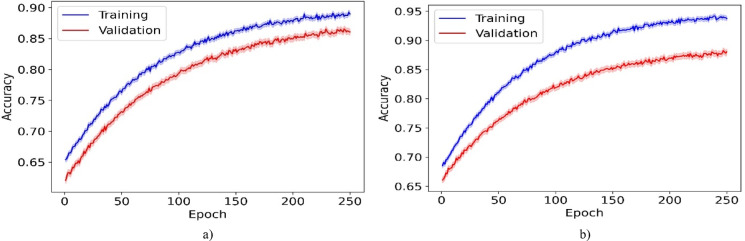 Figure 5
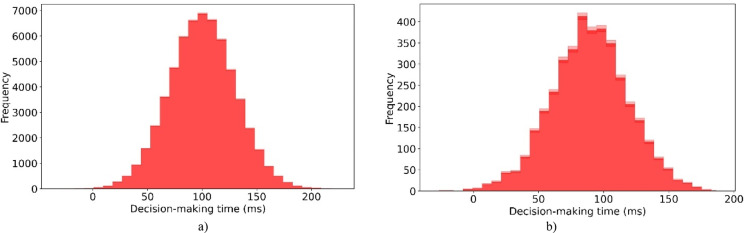 Figure 6
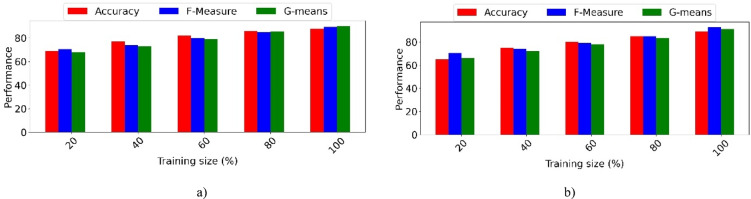 Figure 7
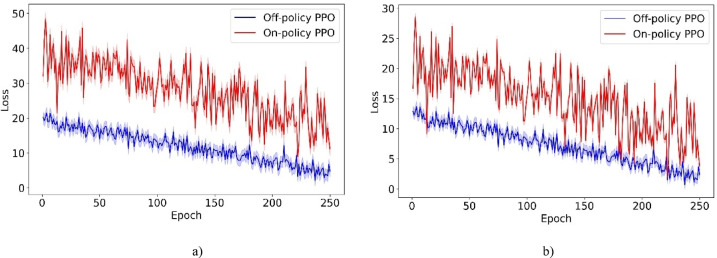 Figure 8
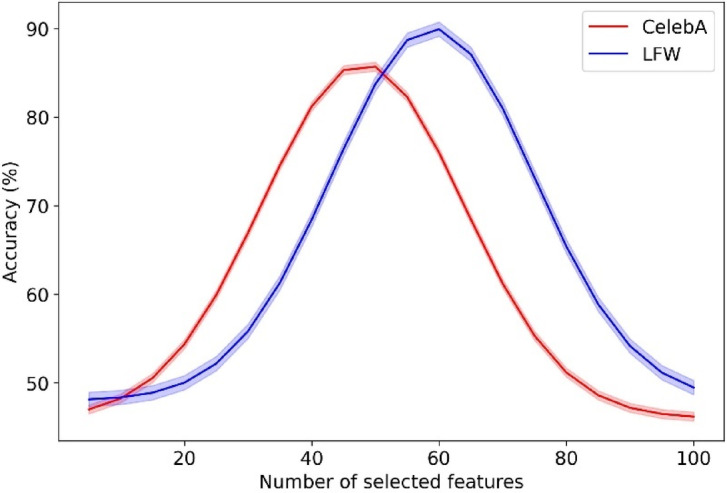 Figure 9
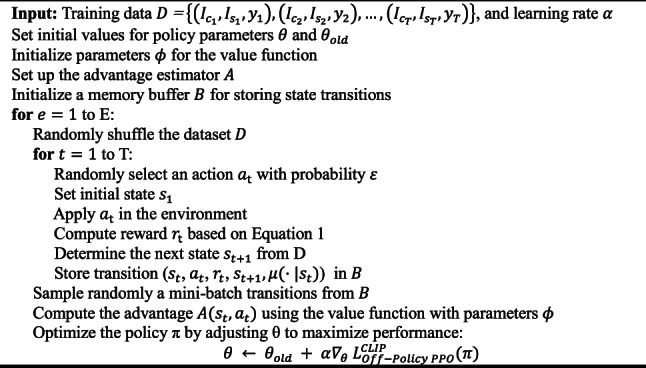 Figure 16
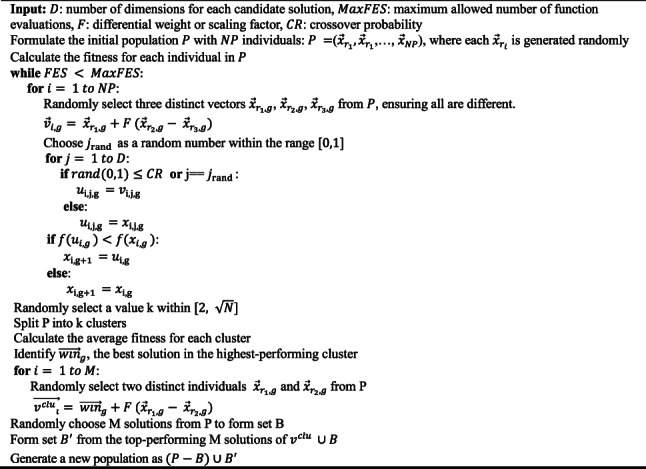 Figure 17
Peer Reviews
No public reviews on file for this paper yet. If you reviewed it on a platform where reviews are public (OpenReview, ICLR, NeurIPS, ICML), you can paste yours below so the community can read it here.
Videos
No videos yet. Explain this paper in a talk, walkthrough, or lecture? Add one.
Taxonomy
TopicsDigital and Cyber Forensics · Crime Patterns and Interventions · Deception detection and forensic psychology