Melinjo-derived Gnetin C restores metabolic balance via dual adipose and hepatic effects in high-fat diet mice
Tomoki Kishimoto, Aoi Nasu, Mai Uemura, Keisuke Kawano, Choyo Ogasawara, Ayami Fukuyama, Hirofumi Nohara, Ryunosuke Nakashima, Noriki Takahashi, Yukio Fujiwara, Tomoki Ikuta, Mary Ann Suico, Hirofumi Kai, Tsuyoshi Shuto

TL;DR
Gnetin C, a compound from Melinjo seeds, improves metabolic health in obese mice by acting on both fat and liver tissues.
Contribution
Gnetin C is identified as a dual-acting compound that restores metabolic balance through adipose and hepatic mechanisms.
Findings
Gnetin C improves body weight and fasting glucose in high-fat diet-fed mice.
It enhances adiponectin multimerization and suppresses fat accumulation via the PPARγ-DsbA-L axis.
Gnetin C modulates hepatic Sirt1 and FGF21 signaling to improve metabolic outcomes.
Abstract
Multi-organ regulation underlies metabolic health, especially in the context of adipose-liver dysfunction during obesity. Previous findings identified Melinjo seed extract (MSE) as a promising modulator of metabolic disorders, although its active component remained unknown. Gnetin C, a trans-resveratrol dimer from MSE, likely serves as the key factor, yet its direct metabolic role remains unclear. Here, Gnetin C was administered to high-fat diet (HFD)-fed mice, which significantly improved body weight and fasting glucose, attributed to enhanced adiponectin (APN) multimerization. In adipose tissue, Gnetin C directly promotes APN multimerization and suppresses fat accumulation by up-regulating the PPARγ-DsbA-L axis, while concurrently modulating hepatic Sirt1, which may contribute to increased FGF21 production. This paracrine FGF21 signaling, suggested by elevated Fgfr1 in hepatocytes and…
Genes, proteins, chemicals, diseases, species, mutations and cell lines named across the full text — each resolved to its canonical identifier and authoritative record.
Click any figure to enlarge with its caption.
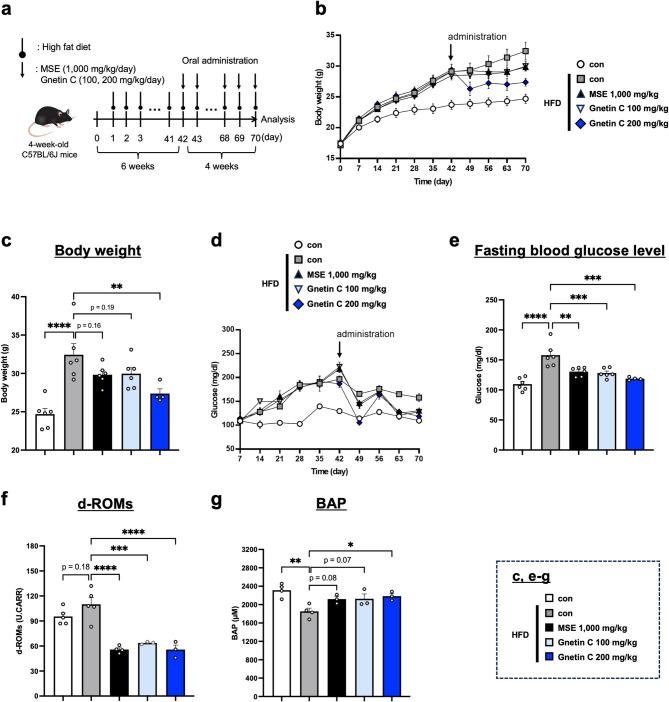 Figure 1
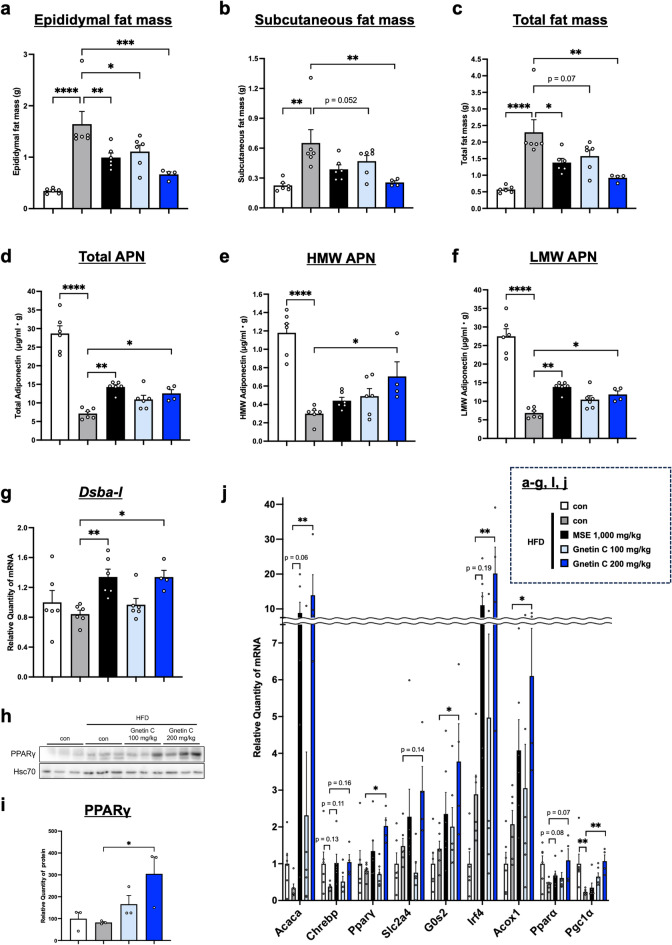 Figure 2
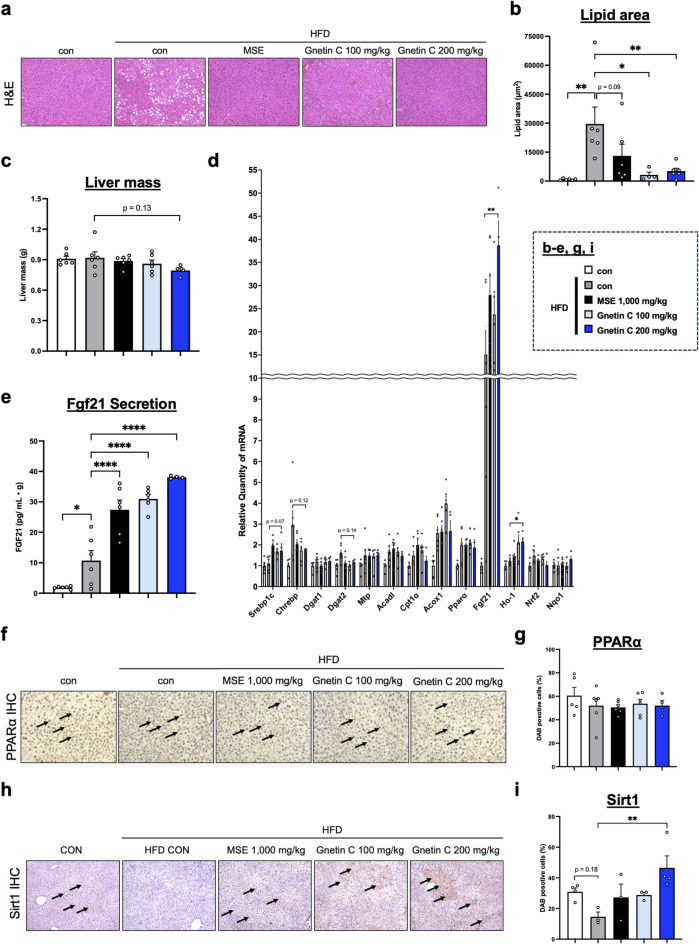 Figure 3
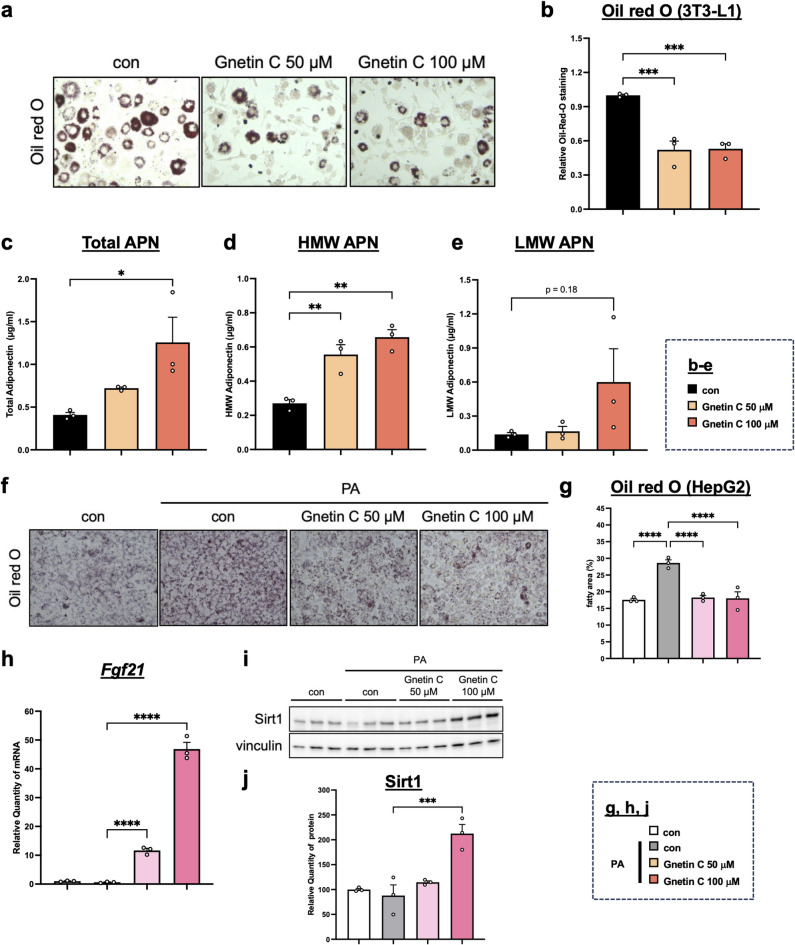 Figure 4
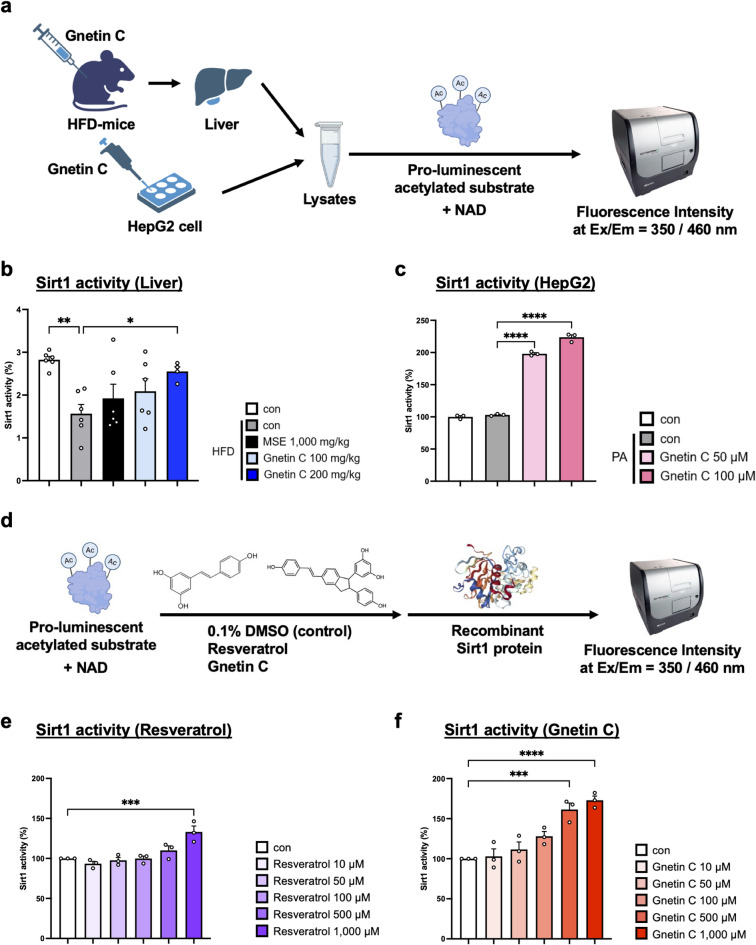 Figure 5
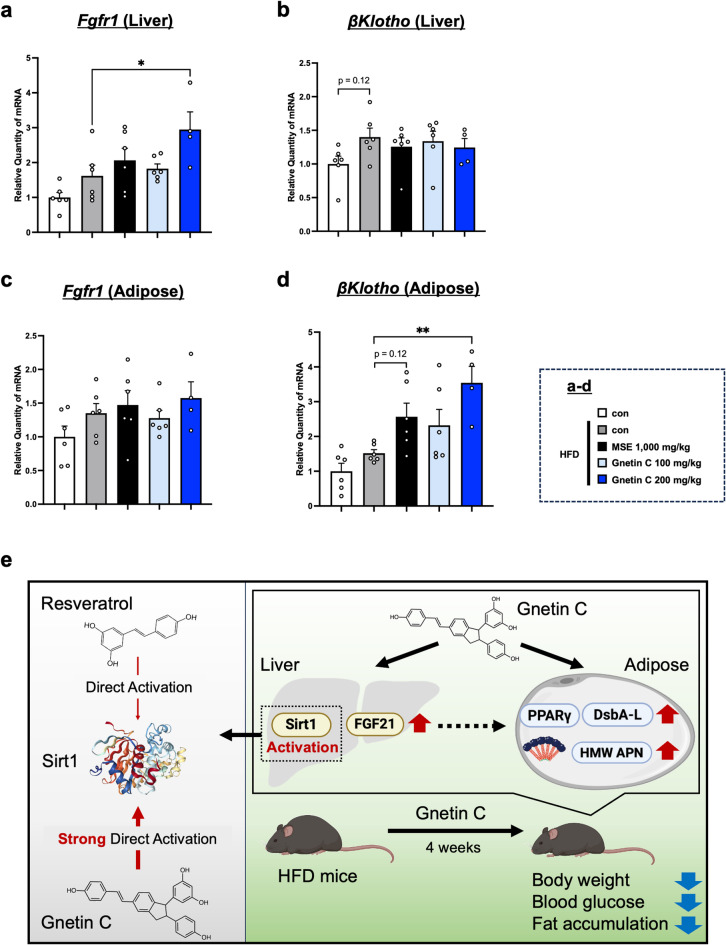 Figure 6
Peer Reviews
No public reviews on file for this paper yet. If you reviewed it on a platform where reviews are public (OpenReview, ICLR, NeurIPS, ICML), you can paste yours below so the community can read it here.
Videos
No videos yet. Explain this paper in a talk, walkthrough, or lecture? Add one.
Taxonomy
TopicsAdipokines, Inflammation, and Metabolic Diseases · Fibroblast Growth Factor Research · Sirtuins and Resveratrol in Medicine