A de novo missense variant in MIDEAS results in increased deacetylase activity of the MiDAC HDAC complex causing a neurodevelopmental syndrome
Louise Fairall, Kristupas Sirvydis, Robert E. Turnbull, Suzan JG Knottnerus, Oksana Gonchar, Frederick W. Muskett, Rebekah Jukes-Jones, Lonneke van Brussel, Ellen van de Geer, Koen van Gassen, Paul Badenhorst, Diana Johnson, Paulien A. Terhal, Peter M. van Hasselt

TL;DR
A mutation in the MIDEAS gene disrupts a regulatory loop, increasing enzyme activity and causing a developmental disorder with multiple symptoms.
Contribution
Identifies a de novo MIDEAS variant as a cause of a neurodevelopmental syndrome through MiDAC hyperactivity.
Findings
A de novo missense variant in MIDEAS (p.Tyr654Ser) is found in two unrelated individuals with a multisystem disorder.
The variant is located in an auto-inhibitory loop of the MiDAC complex, leading to increased deacetylase activity.
Gene expression changes in patient fibroblasts support the hypothesis of MiDAC hyperactivity.
Abstract
MIDEAS is a scaffold protein that, together with DNTTIP1, mediates assembly of the MiDAC histone deacetylase complex. Mice lacking MiDAC die before birth suggesting a key developmental function. Here, we report two unrelated individuals, with a multisystem disorder characterised by delayed speech development, joint contractures, dysmorphic features and dysmotility of the gut. Both individuals have the same de novo heterozygous missense variant in MIDEAS (p.Tyr654Ser). A cryoEM structure of the MiDAC complex reveals that this amino acid is located in a conserved auto-inhibitory loop that covers the active site of the deacetylase enzyme. We suggest that the variant results in loop displacement leading to elevated deacetylase activity. In support, we observe reciprocal gene expression changes in patient fibroblasts compared with a cell line following rapid MiDAC degradation. Our results…
Genes, proteins, chemicals, diseases, species, mutations and cell lines named across the full text — each resolved to its canonical identifier and authoritative record.
Click any figure to enlarge with its caption.
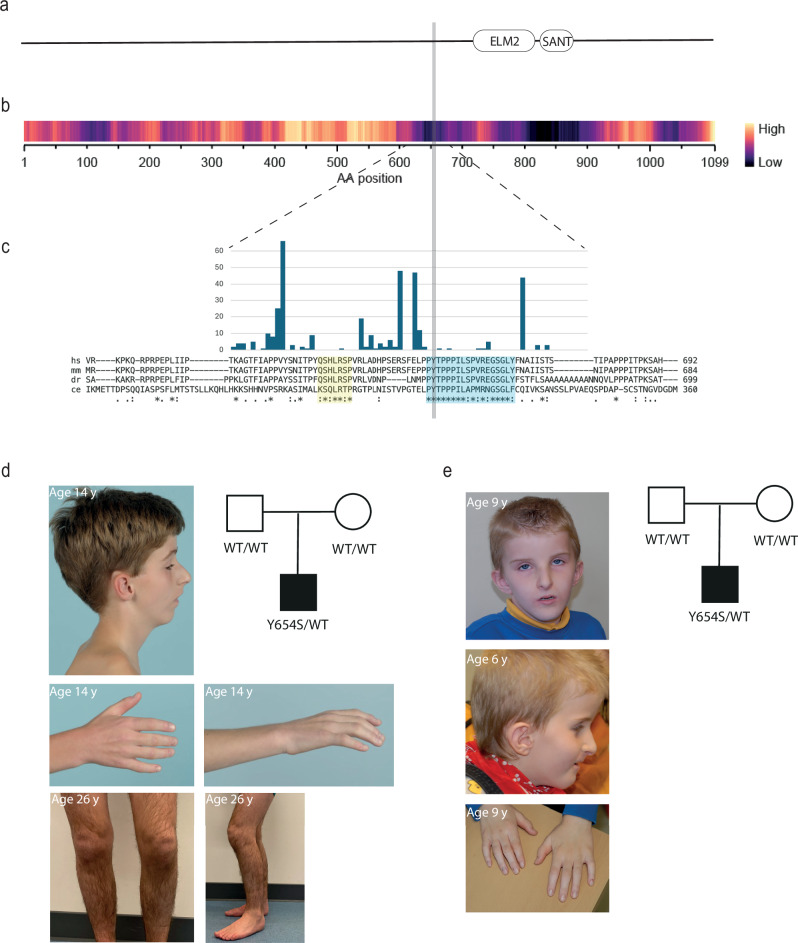 Figure 1
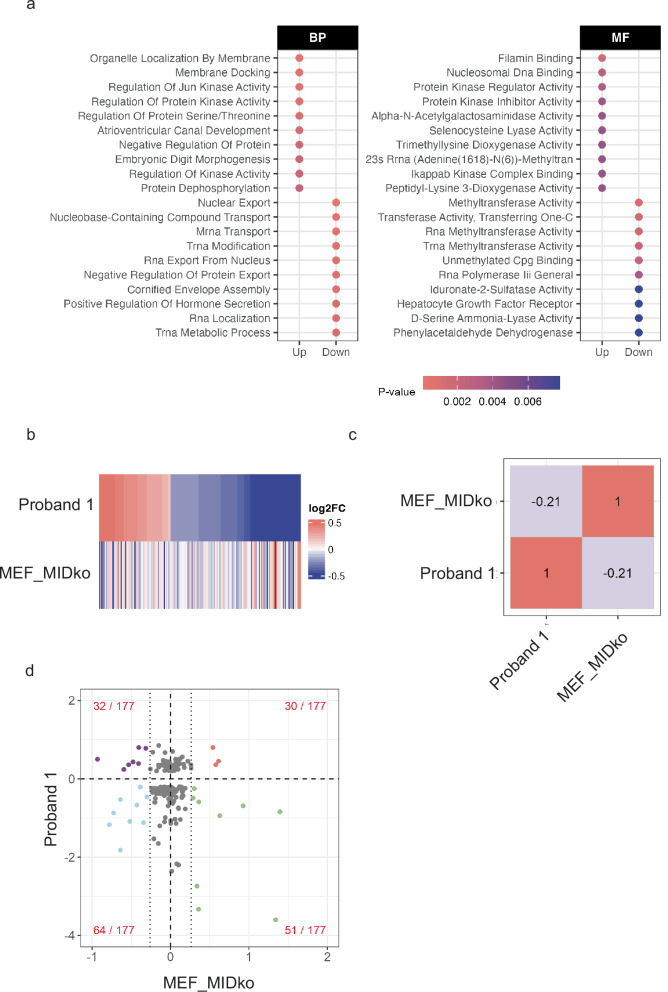 Figure 2
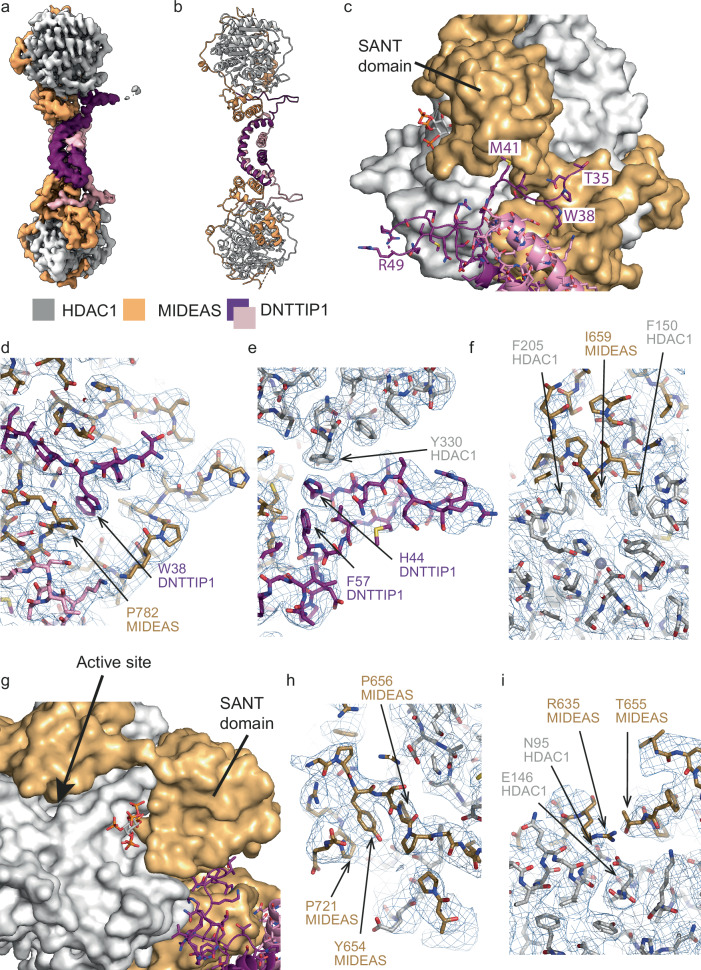 Figure 3
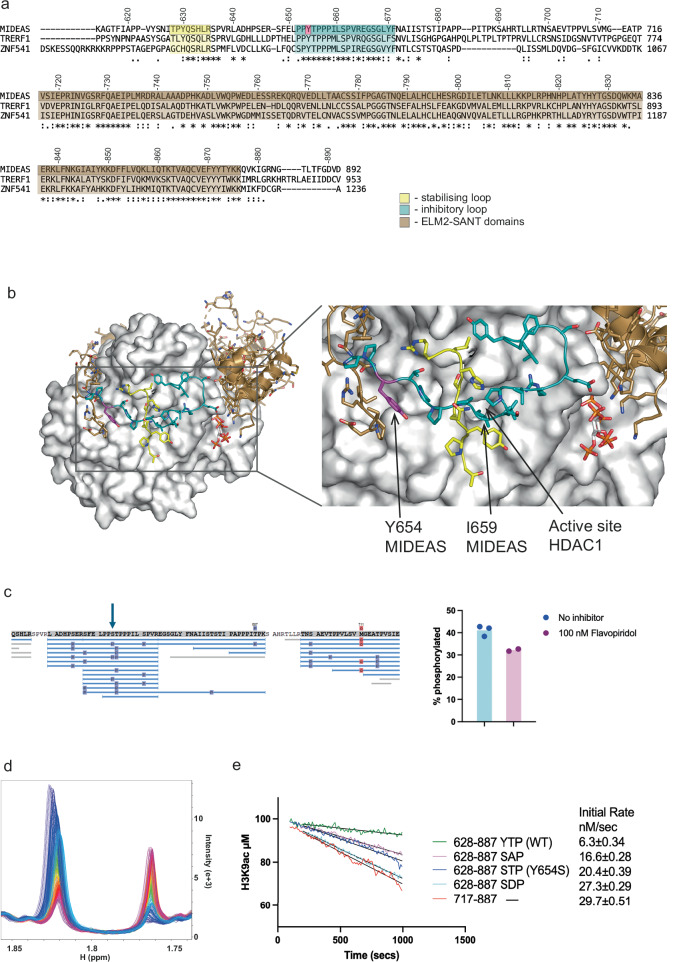 Figure 4
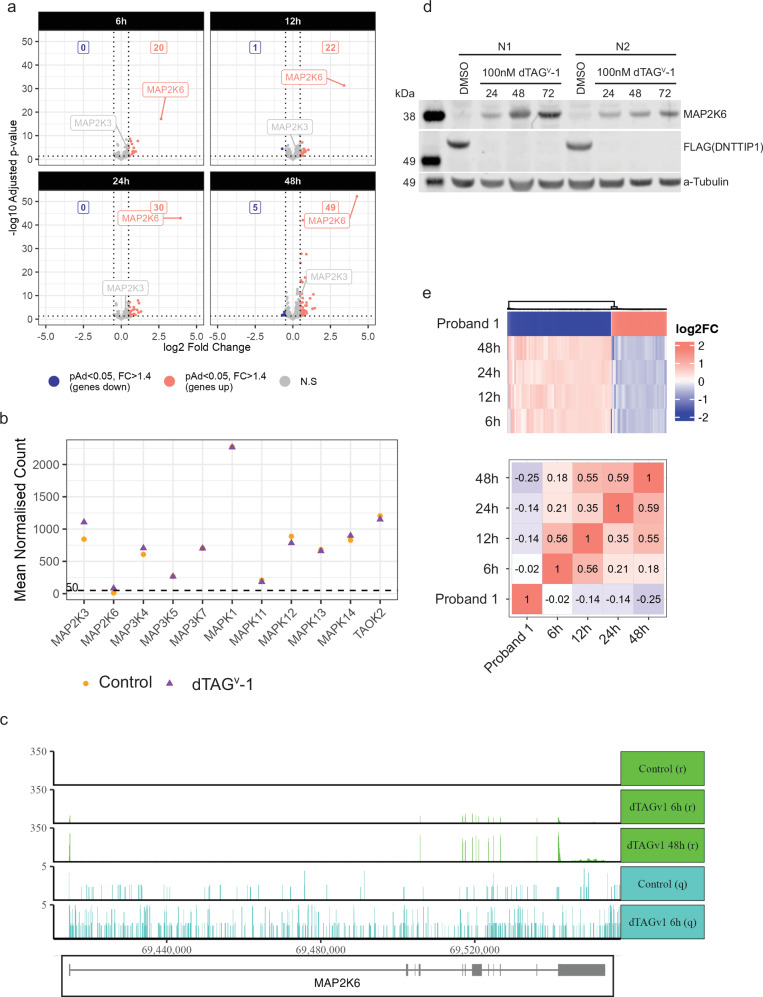 Figure 5
Peer Reviews
No public reviews on file for this paper yet. If you reviewed it on a platform where reviews are public (OpenReview, ICLR, NeurIPS, ICML), you can paste yours below so the community can read it here.
Videos
No videos yet. Explain this paper in a talk, walkthrough, or lecture? Add one.
Taxonomy
TopicsGenomics and Rare Diseases · Histone Deacetylase Inhibitors Research · Epigenetics and DNA Methylation