Isolable f-element diphosphene complexes by phosphinidene group transfer and coupling at uranium
Jingzhen Du, Thayalan Rajeshkumar, John A. Seed, Ashley J. Wooles, Laurent Maron, Stephen T. Liddle

TL;DR
This paper reports the synthesis of f-element diphosphene complexes, expanding the field of f-element chemistry and offering new insights into diphosphene stabilization.
Contribution
The introduction of f-element diphosphene complexes and new synthetic methods for their preparation.
Findings
F-element diphosphene complexes were successfully synthesized using uranium(III) reagents.
Computed reaction profiles show radical intermediates and P-centered redox chemistry.
The study provides a foundation for future synthetic strategies in f-element diphosphene chemistry.
Abstract
The parent diphosphene (HPPH) molecule is of fundamental interest, but its reactive nature renders it challenging to isolate and study. Metal-stabilization is an attractive approach for studying HPPH, but molecular derivatives are limited to three complexes of p-/d-metals reflecting a scarcity of synthetic methods for rationally preparing HPPH complexes. Here, we introduce f-element HPPH complexes, adding to f-element diazenes (HNNH) that were first reported over thirty years ago. By utilizing 7λ3-phosphadibenzonorbornadiene and uranium(III) reagents we show how parent diphosphene, phosphinidiide, and diphosphorus motifs can all be constructed, developing synthetic approaches for this area. Computed reaction profiles reveal common, initial reaction steps that subsequently diverge depending on the ancillary ligands, radical nature of intermediates, and the 7λ3-phosphadibenzonorbornadiene…
Genes, proteins, chemicals, diseases, species, mutations and cell lines named across the full text — each resolved to its canonical identifier and authoritative record.
Click any figure to enlarge with its caption.
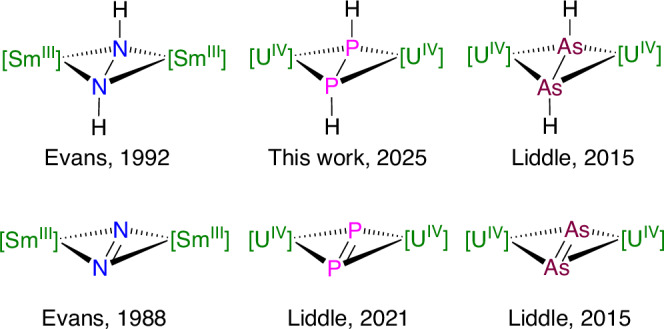 Figure 1
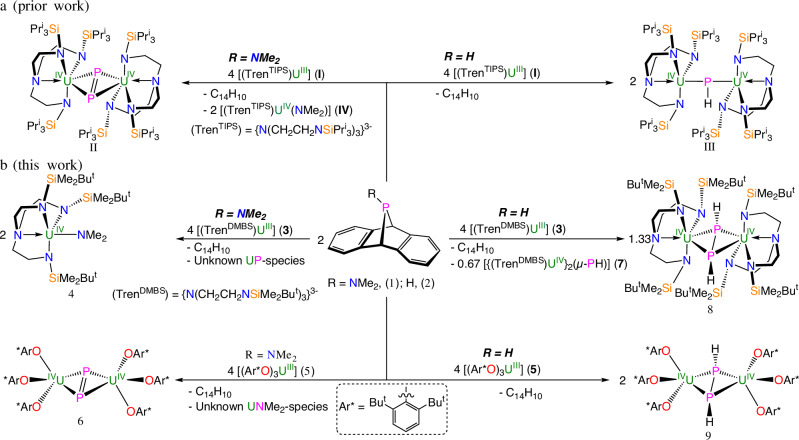 Figure 2
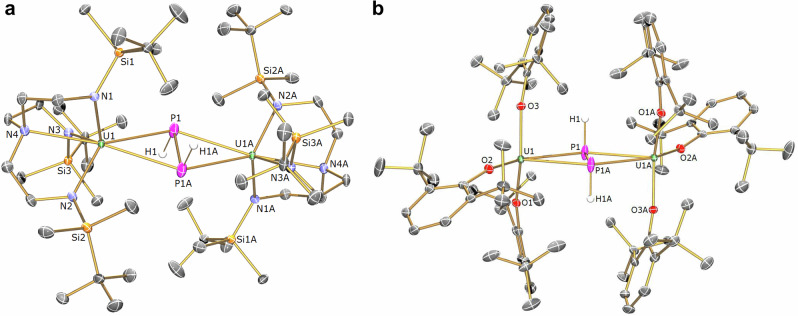 Figure 3
 Figure 4
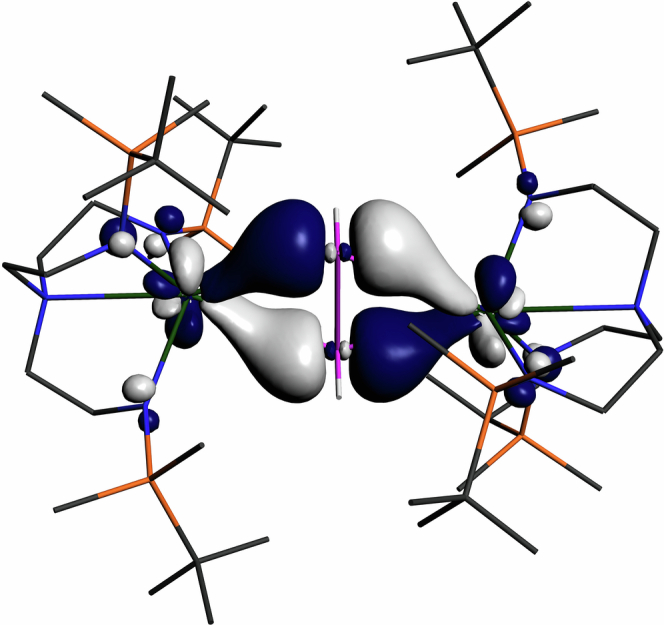 Figure 5
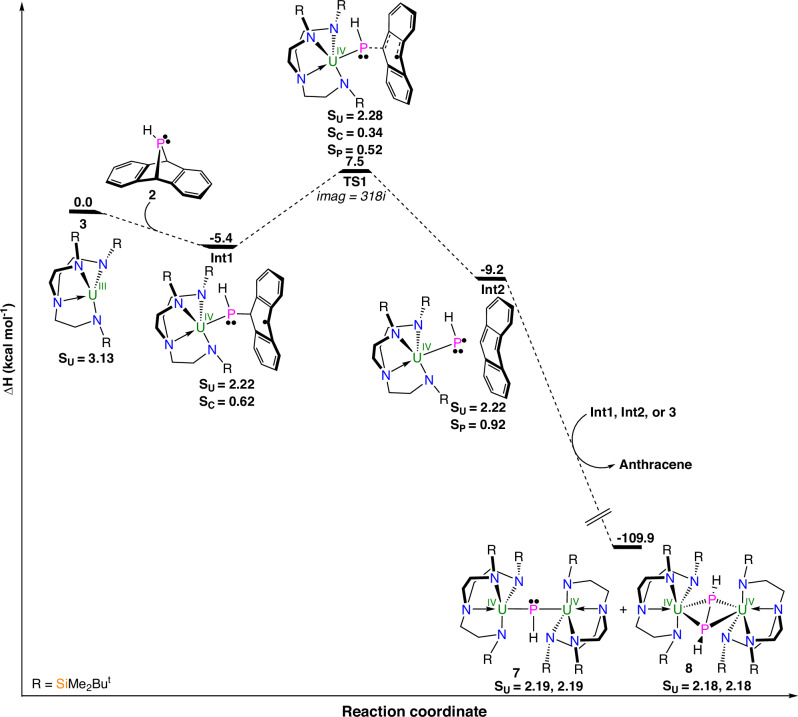 Figure 6
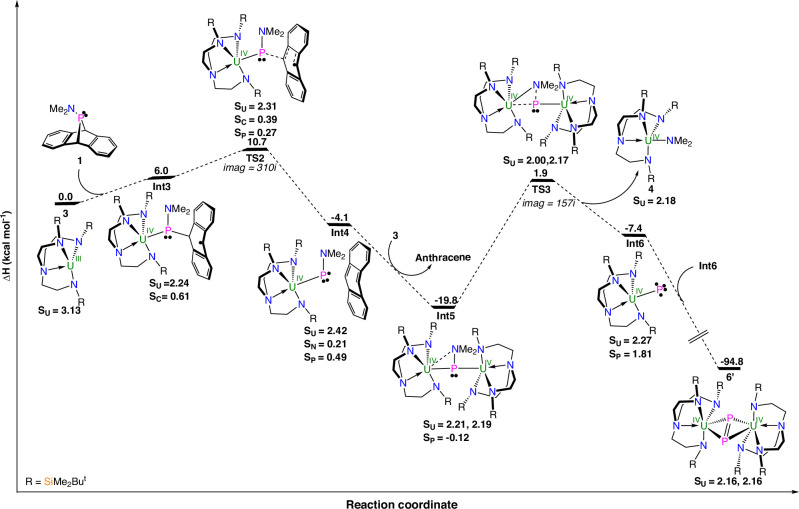 Figure 7
Peer Reviews
No public reviews on file for this paper yet. If you reviewed it on a platform where reviews are public (OpenReview, ICLR, NeurIPS, ICML), you can paste yours below so the community can read it here.
Videos
No videos yet. Explain this paper in a talk, walkthrough, or lecture? Add one.
Taxonomy
TopicsSynthesis and characterization of novel inorganic/organometallic compounds · Organometallic Complex Synthesis and Catalysis · Asymmetric Hydrogenation and Catalysis