Evaluation of antibacterial and cytotoxic effects of silver oxide nanoparticles synthesized from Psidium Guajava
Abdullah Yousef, Salem S. Salem, Mohammad M. Torayah, Sara A. Saied, Rania Hamed Elbawab

TL;DR
This study shows that silver oxide nanoparticles made from guava leaves are effective against drug-resistant bacteria and cancer cells, offering a green and sustainable alternative.
Contribution
The paper introduces a green synthesis method for Ag₂O-NPs using guava leaf extract and demonstrates their dual antibacterial and anticancer potential.
Findings
Ag₂O-NPs showed strong antibacterial activity against four drug-resistant bacterial strains with MIC values between 31.2 and 250 µg/mL.
The nanoparticles exhibited selective cytotoxicity, significantly reducing HepG2 cancer cell viability with minimal impact on normal Vero cells.
Characterization confirmed the successful synthesis of spherical Ag₂O-NPs with an average size of 25–30 nm using eco-friendly methods.
Abstract
Growing concerns over the toxicity and environmental impact of traditional nanoparticle synthesis methods have driven the search for safer, more sustainable alternatives. At the same time, the rising prevalence of antibiotic-resistant bacteria and the ongoing challenges in effective cancer treatment emphasize the urgent need for new antimicrobial and anticancer solutions. The manufacture of silver oxide nanoparticles (Ag₂O-NPs) is investigated in this work using Psidium guajava (guava) leaves extract, focusing on their dual biological potential. The use of dangerous chemicals is reduced by this green synthesis technique by employing natural phytochemicals from guava leaves as stabilizing and reducing agents, making it more environmentally friendly compared to traditional chemical approaches. At 435 nm, the biosynthesized Ag₂O-NPs displayed a distinctive surface plasmon resonance (SPR)…
Genes, proteins, chemicals, diseases, species, mutations and cell lines named across the full text — each resolved to its canonical identifier and authoritative record.
Click any figure to enlarge with its caption.
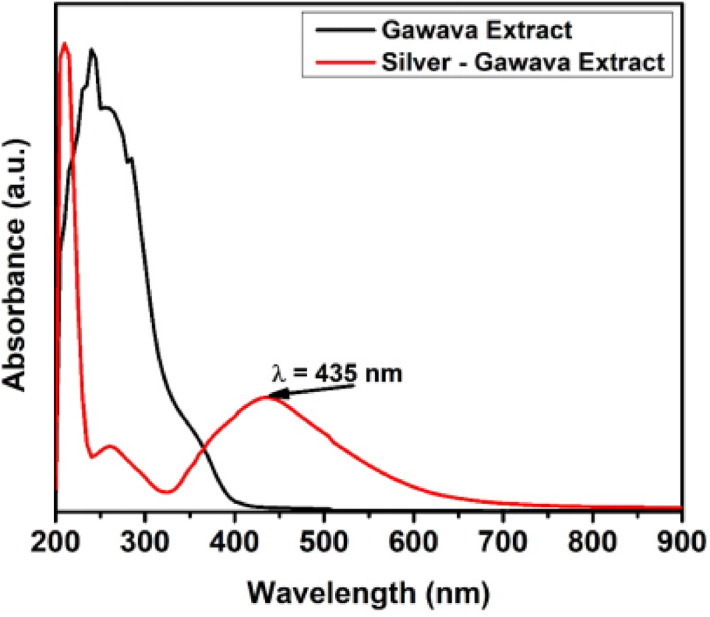 Figure 1
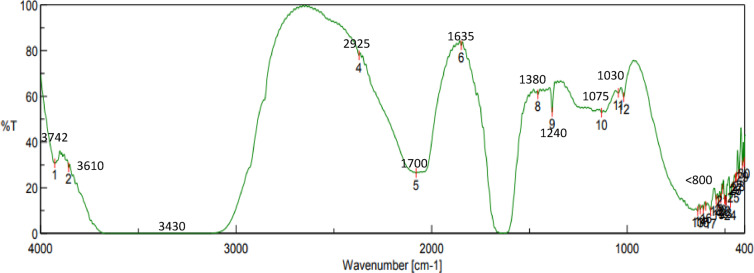 Figure 2
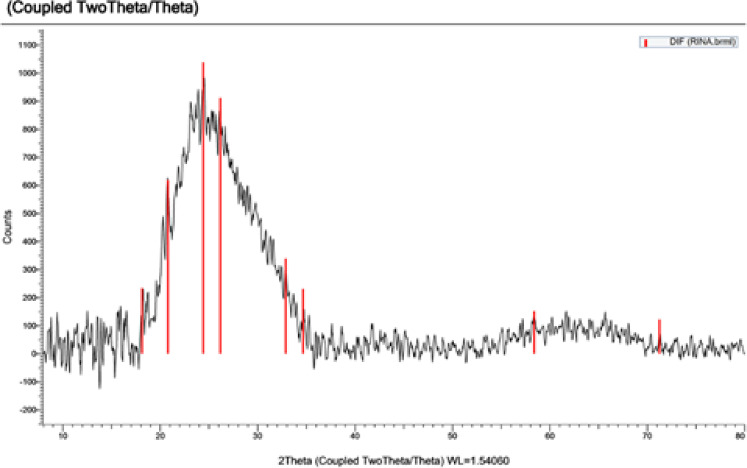 Figure 3
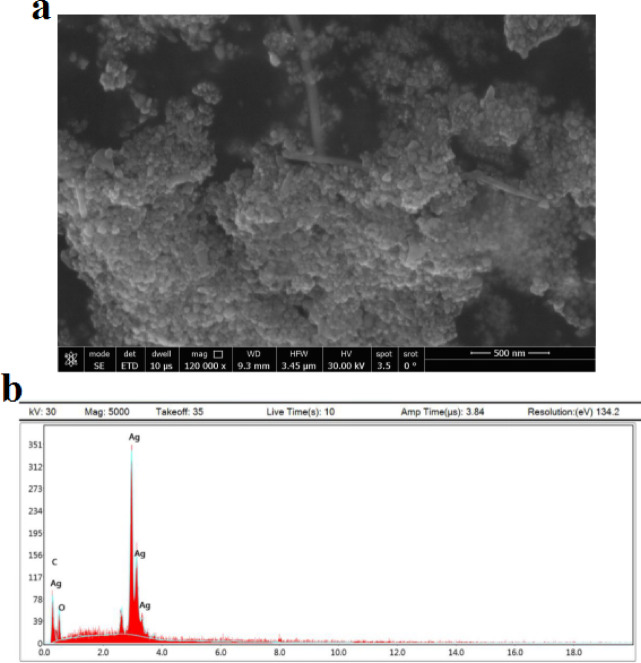 Figure 4
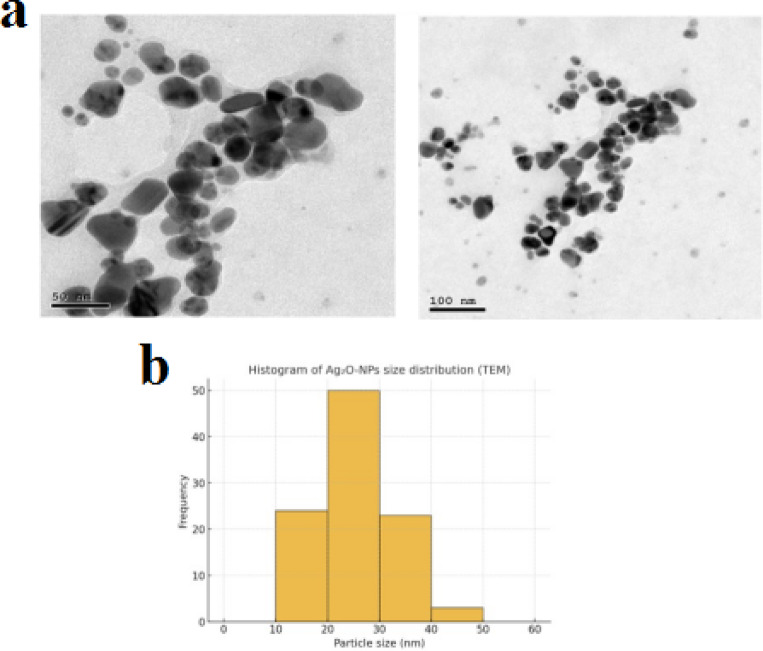 Figure 5
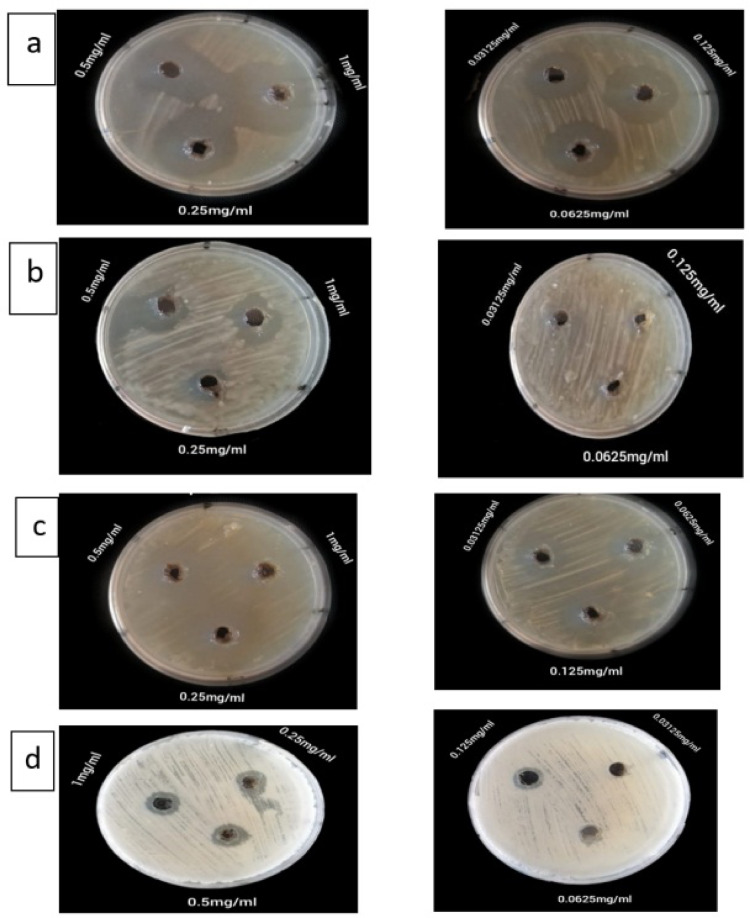 Figure 6
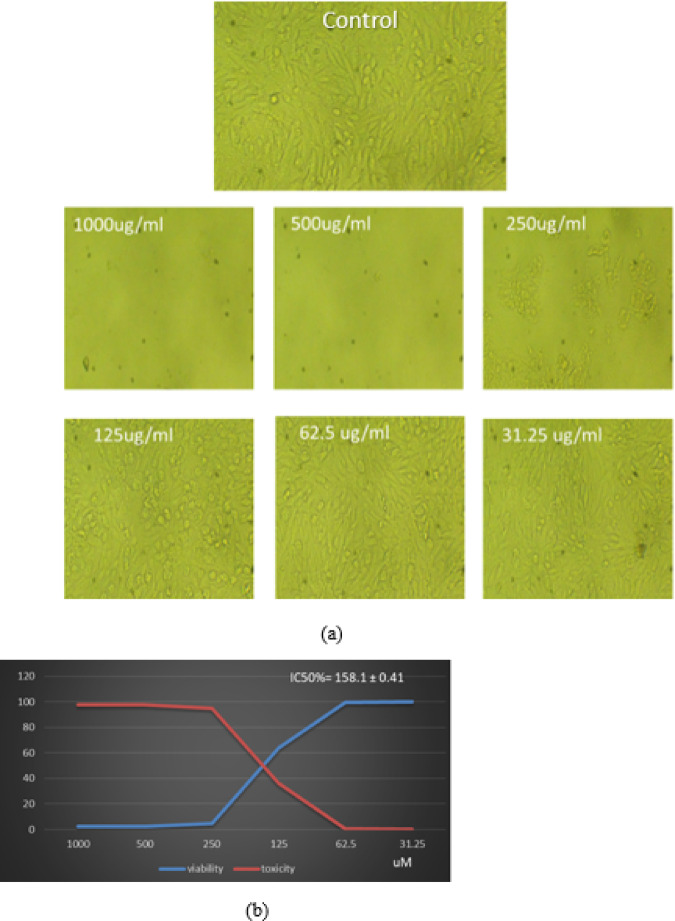 Figure 7
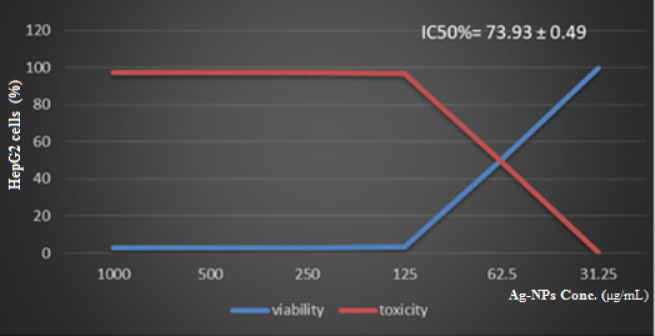 Figure 8
Peer Reviews
No public reviews on file for this paper yet. If you reviewed it on a platform where reviews are public (OpenReview, ICLR, NeurIPS, ICML), you can paste yours below so the community can read it here.
Videos
No videos yet. Explain this paper in a talk, walkthrough, or lecture? Add one.
Taxonomy
TopicsPsidium guajava Extracts and Applications · Nanoparticles: synthesis and applications · Hibiscus Plant Research Studies