Exploring the role of chitosan and curcumin-loaded chitosan nanoparticles against chronic toxoplasma infection in experimental mice
Abeer A. Khedr, Nashwa Hamad, Salwa Mahmoud Abd-Elrahman, Sara Salah Abdel-Hakeem, Ahmed Kamal Dyab, Mervat M. Khalifa, Wafaa G. Mahmoud

TL;DR
This study shows that curcumin-loaded chitosan nanoparticles can effectively reduce chronic Toxoplasma gondii infection in mice by lowering parasite load and inflammation.
Contribution
The study introduces curcumin-loaded chitosan nanoparticles as a novel therapeutic strategy for chronic toxoplasmosis.
Findings
Cur-CSNPs significantly reduced brain cyst counts and cyst size in infected mice.
Cur-CSNPs improved antioxidant levels and reduced inflammatory markers like IL-6 and TNF-α.
Histopathological improvements were observed in brain, liver, and spleen tissues of Cur-CSNPs-treated mice.
Abstract
Toxoplasma gondii infection remains a significant global health concern, promoting the urgent need for effective therapeutic strategies. This study aimed to evaluate the therapeutic potential of chitosan nanoparticles (CSNPs) and curcumin-loaded chitosan nanoparticles (Cur-CSNPs) against the chronic Toxoplasma gondii (ME49 strain) in an experimental mouse model. This achieved by investigating their ability to reduce parasitic load, oxidative stress, histopathological lesion, and to enhance the host immune response. Sixty female BALB/c mice were divided into five groups: infected untreated group, Spiramycin®-treated group, CSNPs-treated group, Cur-CSNPs-treated group, and negative control group. The Cur-CSNPs-treated group exhibited the lowest brain cyst counts, along with significant reductions in cyst size. Hematological indices revealed no significant reduction in total white blood…
Genes, proteins, chemicals, diseases, species, mutations and cell lines named across the full text — each resolved to its canonical identifier and authoritative record.
Click any figure to enlarge with its caption.
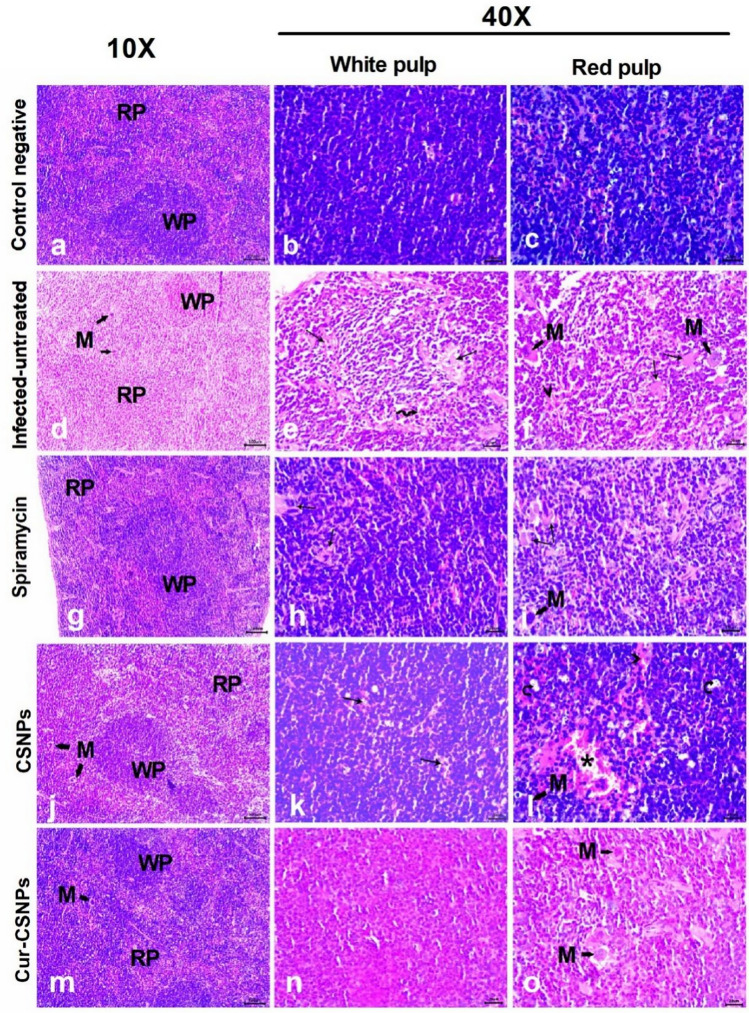 Figure 10
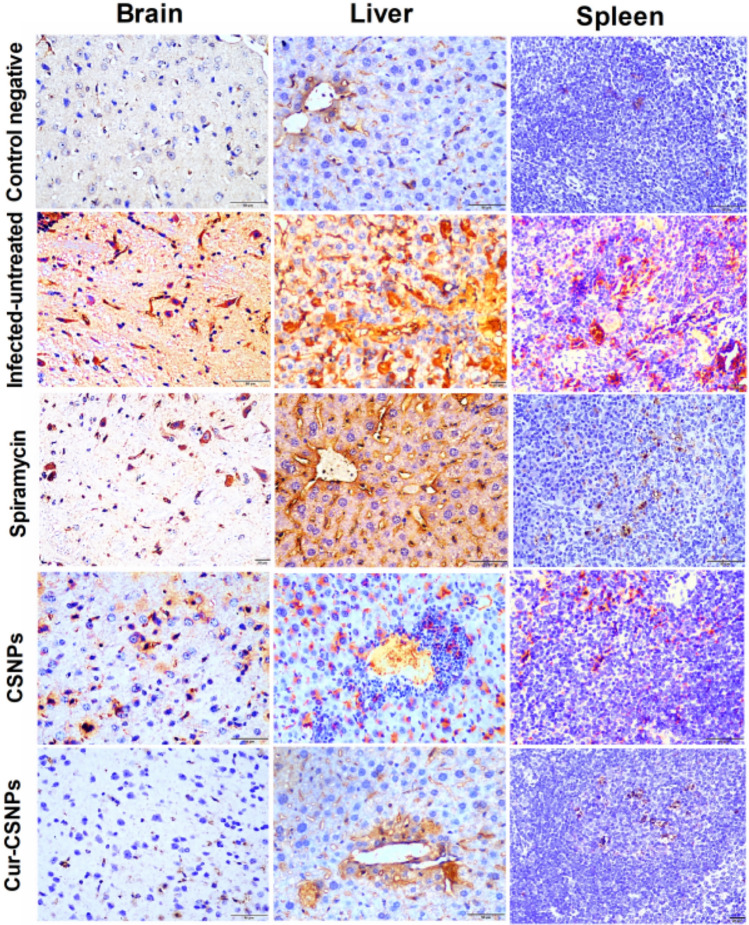 Figure 11
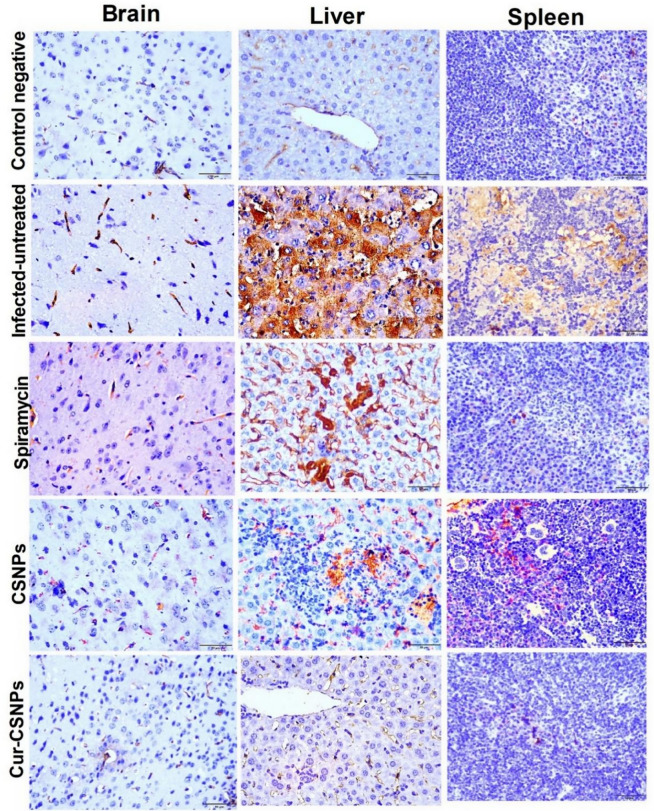 Figure 12
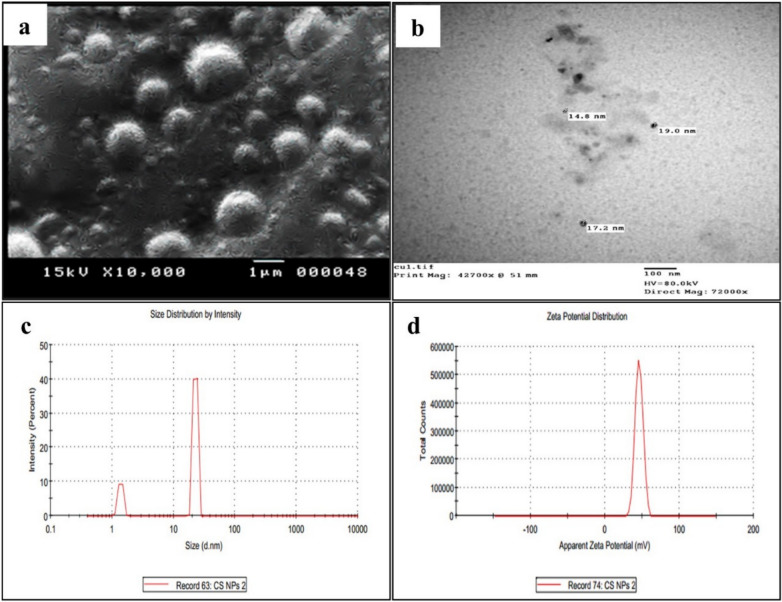 Figure 1
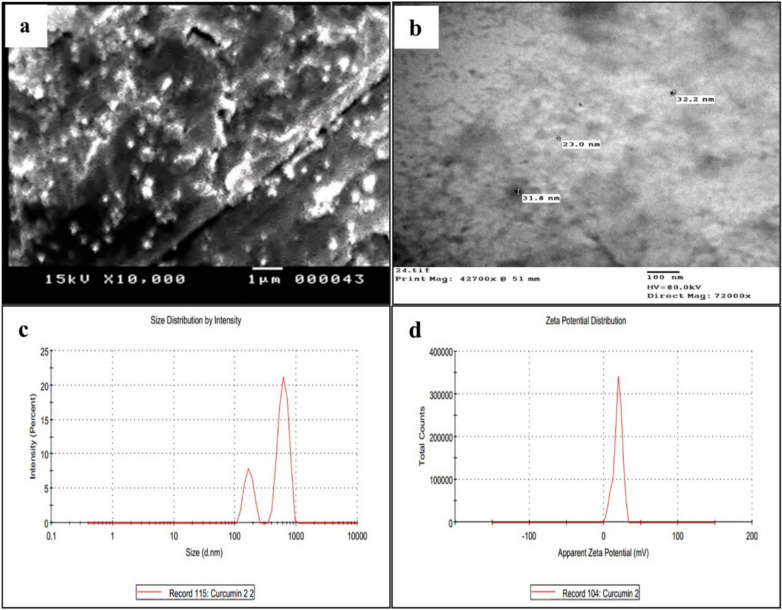 Figure 2
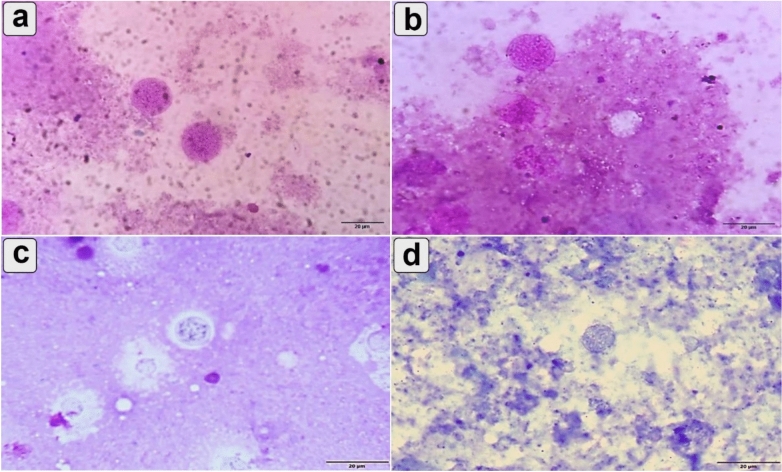 Figure 3
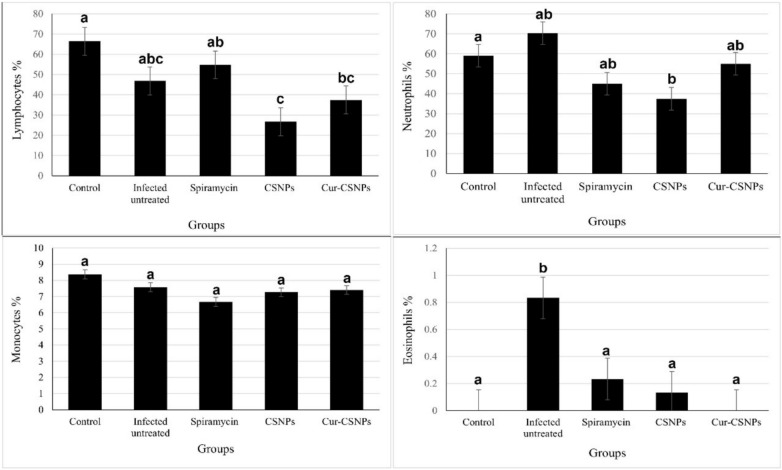 Figure 4
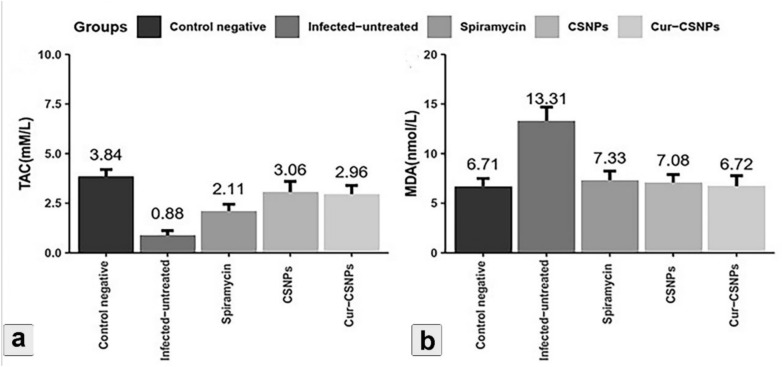 Figure 5
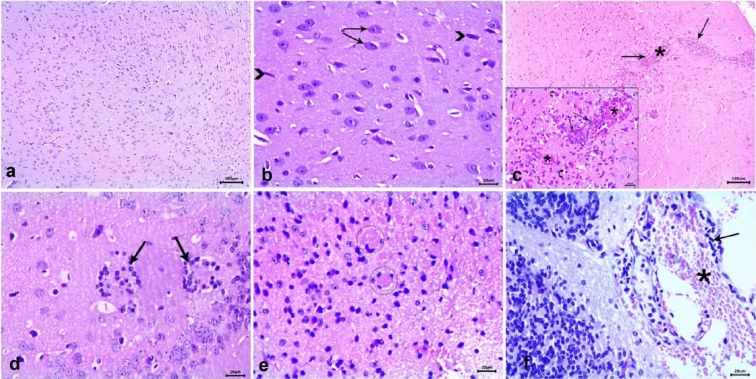 Figure 6
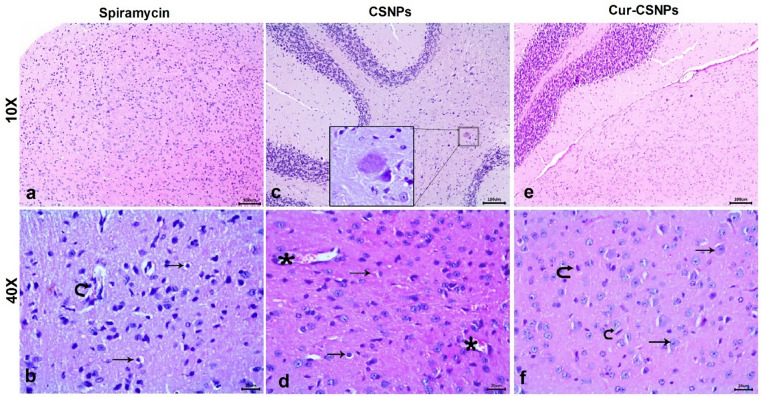 Figure 7
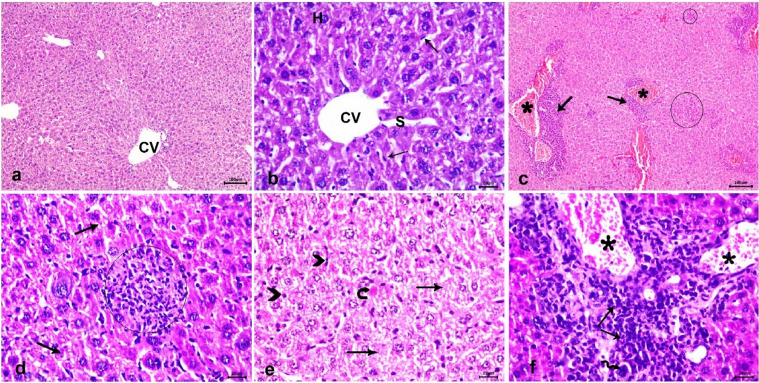 Figure 8
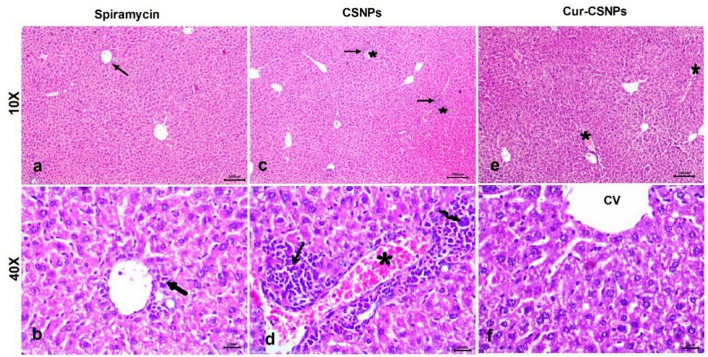 Figure 9
Peer Reviews
No public reviews on file for this paper yet. If you reviewed it on a platform where reviews are public (OpenReview, ICLR, NeurIPS, ICML), you can paste yours below so the community can read it here.
Videos
No videos yet. Explain this paper in a talk, walkthrough, or lecture? Add one.
Taxonomy
TopicsToxoplasma gondii Research Studies · Parasitic Infections and Diagnostics · Leptospirosis research and findings