Novel insights into the molecular mechanisms of LGMDD2: role of TNPO3 in experimental cell and zebrafish models
MT Rodia, M. Fazzina, Roberta Costa, MT Altieri, G. Sabbioni, E. D’Aversa, G. Breveglieri, E. Gatto, C. Bertolucci, S. Lombardi, M. Bergonzoni, R. Casadei, S. Santi, V. Papa, S. Ratti, G. Cenacchi, M. Borgatti, F. Frabetti

TL;DR
This study explores how mutations in the TNPO3 gene cause LGMDD2, a rare muscular dystrophy, using cell and zebrafish models to reveal its role in muscle development.
Contribution
The study introduces novel experimental models to demonstrate TNPO3's role in myogenesis and LGMDD2 pathogenesis.
Findings
TNPO3 mutations disrupt normal myogenic commitment in both cell and zebrafish models.
Expression of myogenesis-related genes is altered in models with mutated TNPO3.
The zebrafish model shows morphological and behavioral changes consistent with LGMDD2.
Abstract
Transportin 3 (TNPO3) is a nuclear carrier for serine/arginine-rich proteins which are essential for mRNA splicing and metabolism. Mutations in the TNPO3 gene result in a protein with an extended C-terminal domain, leading to the onset of LGMDD2, a rare form of limb girdle muscular dystrophy. To investigate the role of TNPO3 in skeletal muscle and the pathogenic mechanism underlying LGMDD2, we develped both in vitro and in vivo models of the disease. The in vitro model was established using the C2C12 cell line, transfected with plasmids encoding either the wild-type (WT) or mutated (MUT) human TNPO3 (hTNPO3). For the in vivo model, we microinjected zebrafish (Danio rerio) embryos with mRNAs encoding WT or MUT hTNPO3. We analyzed the expression patterns of myogenesis-related genes, muscle-specific genes, myomiRNA and genes strictly related to the disease. These analyses were complemented…
Genes, proteins, chemicals, diseases, species, mutations and cell lines named across the full text — each resolved to its canonical identifier and authoritative record.
Click any figure to enlarge with its caption.
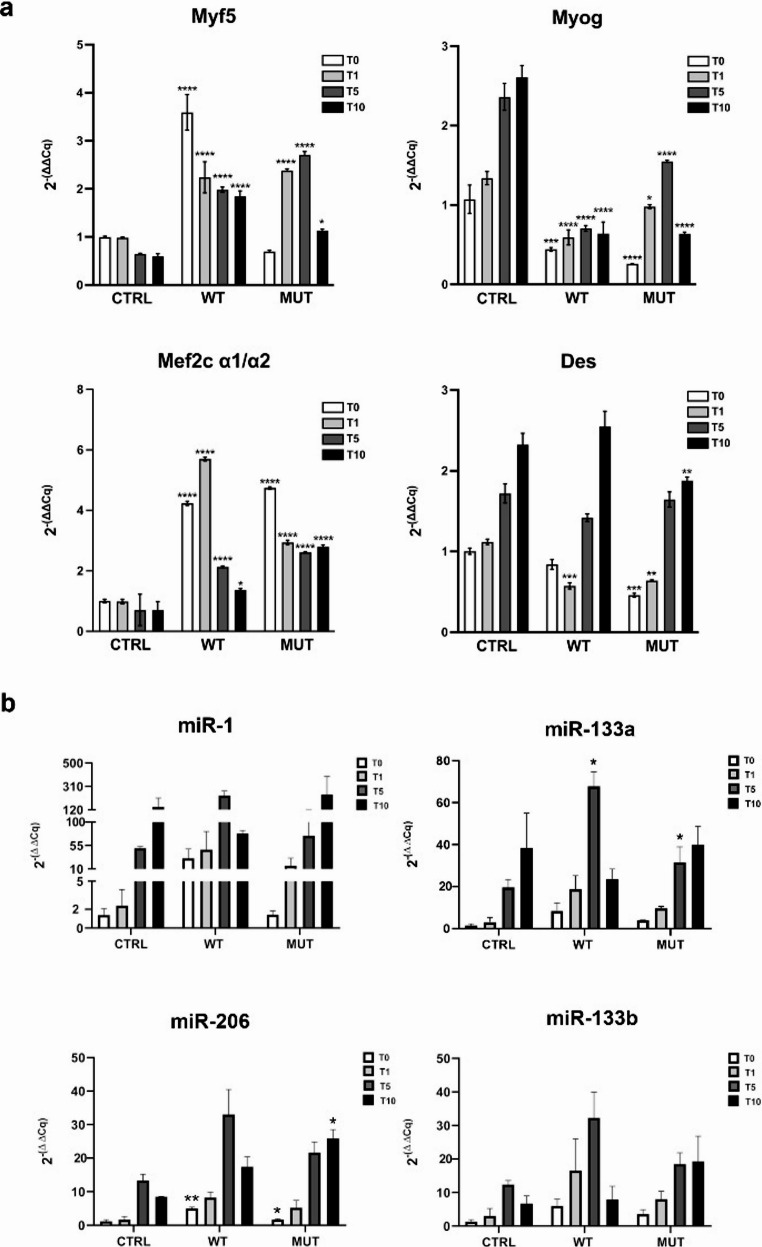 Figure 1
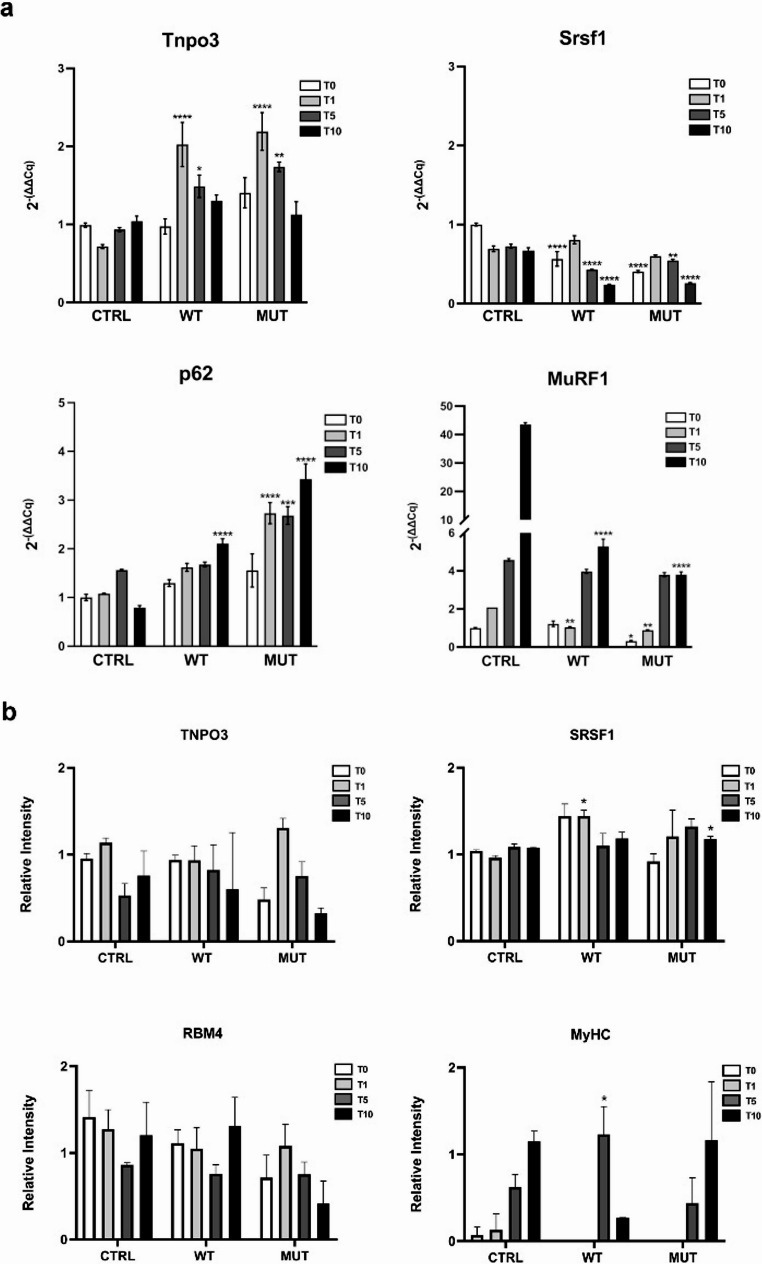 Figure 2
 Figure 3
 Figure 4
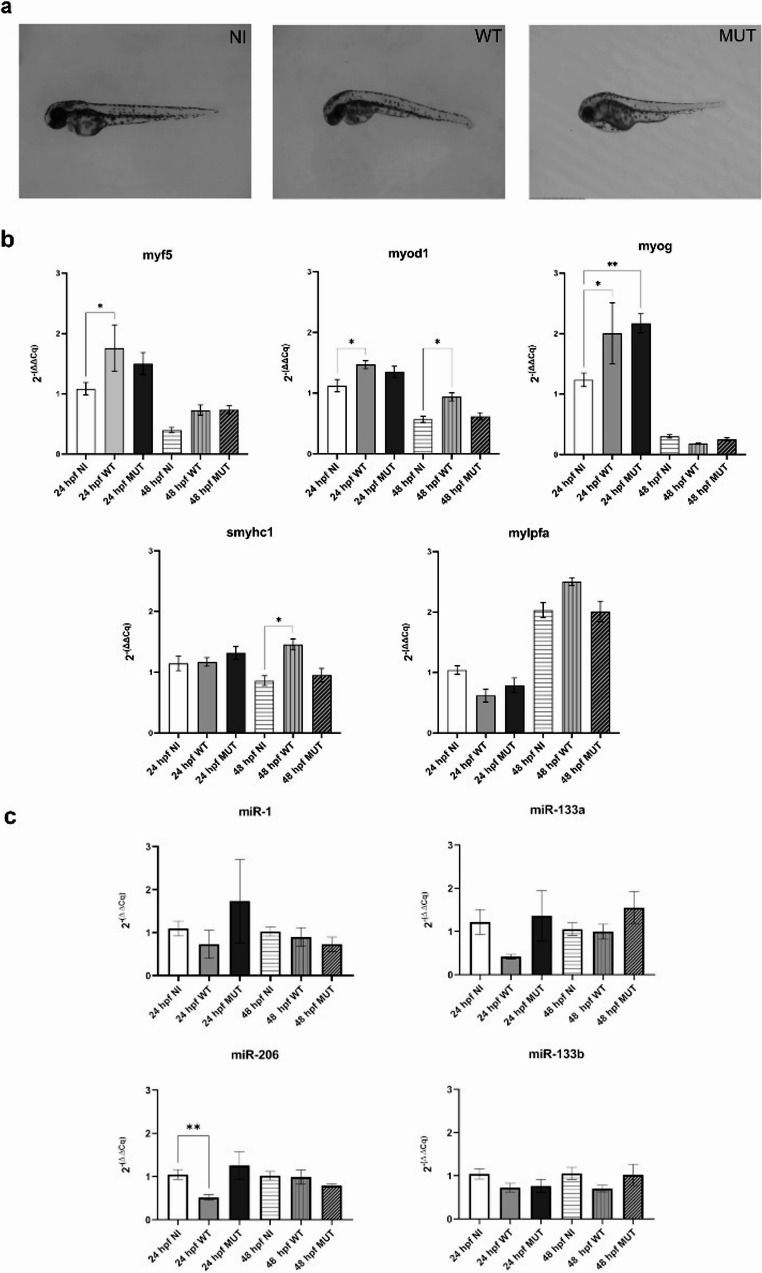 Figure 5
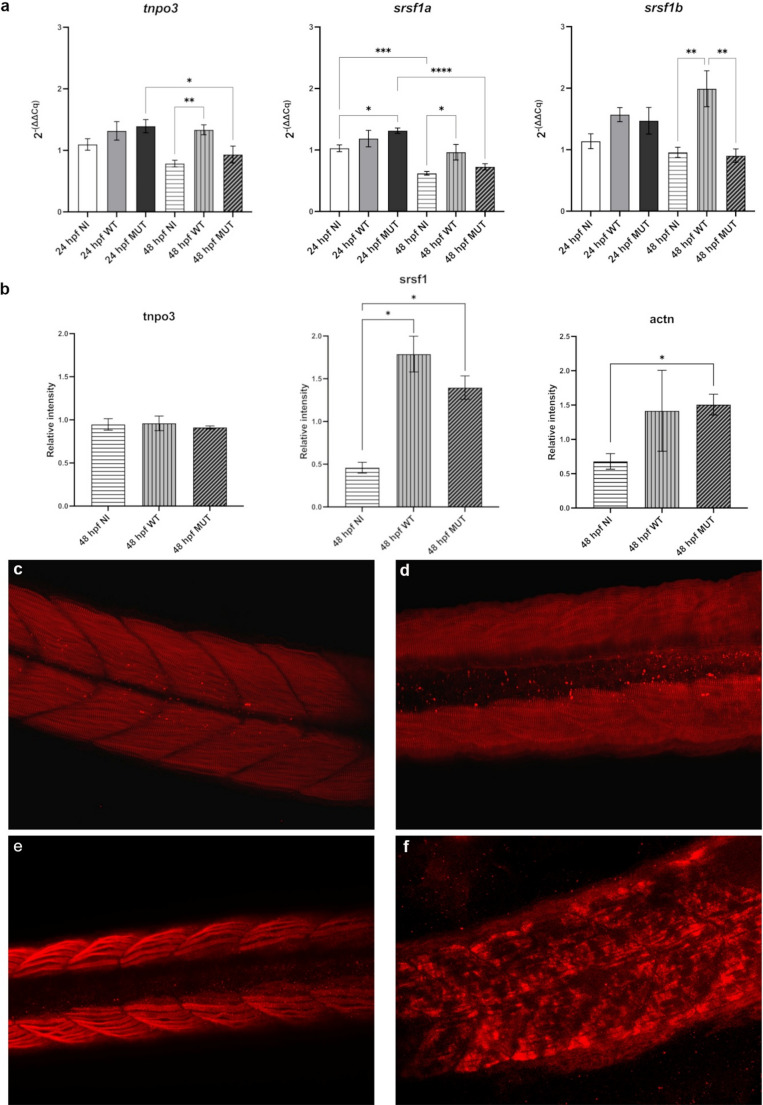 Figure 6
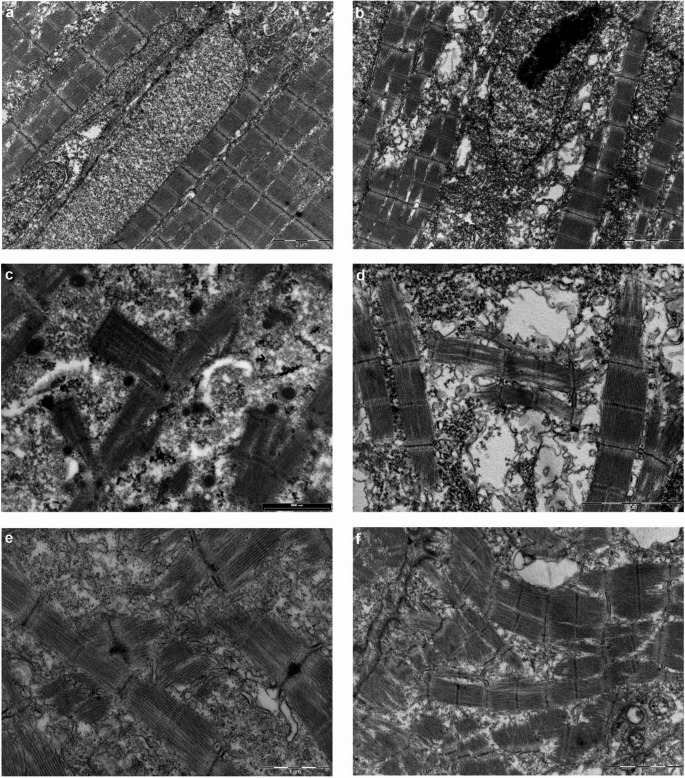 Figure 7
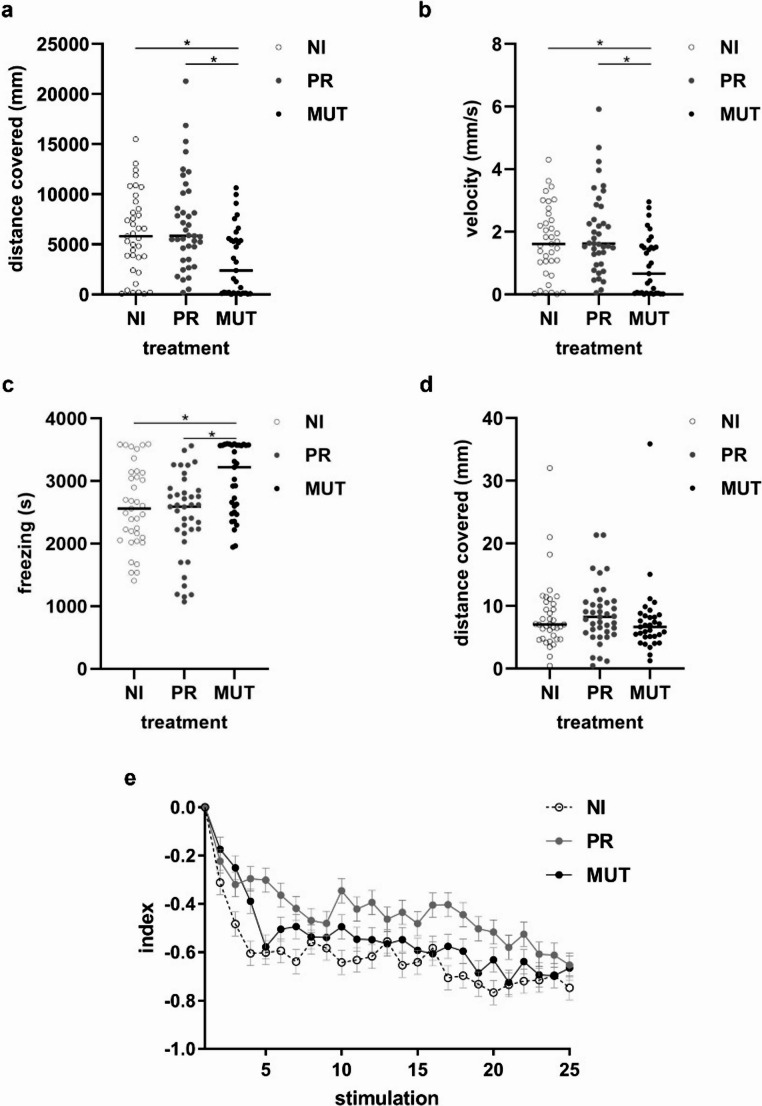 Figure 8
Peer Reviews
No public reviews on file for this paper yet. If you reviewed it on a platform where reviews are public (OpenReview, ICLR, NeurIPS, ICML), you can paste yours below so the community can read it here.
Videos
No videos yet. Explain this paper in a talk, walkthrough, or lecture? Add one.
Taxonomy
TopicsMuscle Physiology and Disorders · Cardiomyopathy and Myosin Studies · Genetic Neurodegenerative Diseases