Obestatin treatment links mitochondrial homeostasis and skeletal muscle repair in Duchenne muscle dystrophy
Andrea C. Lodeiro, Silvia Costas-Abalde, Tania Cid-Díaz, Lucía Debasa-Corral, Saúl Leal-López, Kamel Mamchaoui, Vincent Mouly, Xesús Casabiell, Rosalía Gallego, José Luis Relova, Yolanda Pazos, Icía Santos-Zas, Jesus P. Camiña

TL;DR
Obestatin treatment improves muscle repair and mitochondrial function in Duchenne muscular dystrophy by activating specific signaling pathways.
Contribution
The study identifies PPP3 as a key node in obestatin signaling for muscle homeostasis and repair in DMD.
Findings
Obestatin activates TFEB and NFATc1 to restore mitochondrial biogenesis and muscle function.
Obestatin reduces muscle damage and improves contractile function in DMD models.
Obestatin promotes utrophin expression via NFATc1, aiding muscle repair.
Abstract
Duchenne muscular dystrophy (DMD) is a genetic, progressive neuromuscular disease caused by mutations in the dystrophin protein which compromise the integrity of the sarcolemma. Current care of DMD involves both supportive and targeted disease modifying medications. Obestatin, a peptide derived from preproghrelin, is a potential candidate to enhance existing treatments for DMD. This study was conducted to analyse the molecular mechanism by which obestatin acts on myofiber metabolism and muscle restructuring in DMD. Through human and animal models of DMD, we identify the calcium-activated protein phosphatase 3 (PPP3) as key node in obestatin signalling for restoration of muscle homeostasis and activation of membrane repair. In particular, we describe how obestatin signalling recovers muscle function by coordinated activation of the transcription factor EB (TFEB) and the nuclear factor of…
Genes, proteins, chemicals, diseases, species, mutations and cell lines named across the full text — each resolved to its canonical identifier and authoritative record.
Click any figure to enlarge with its caption.
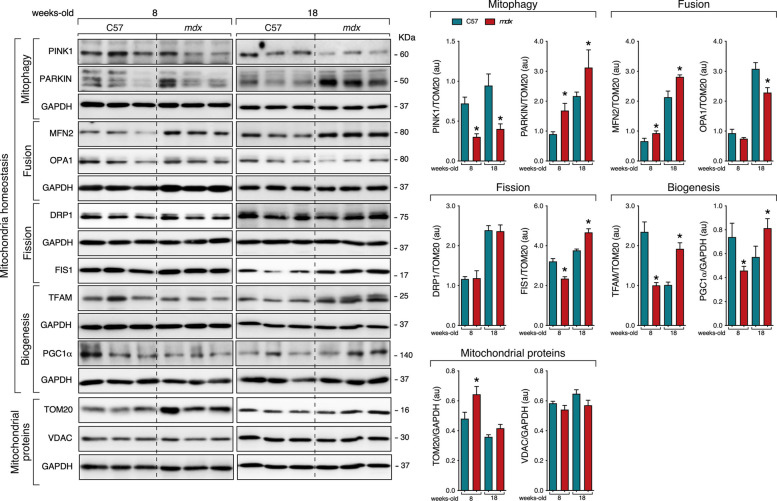 Figure 1
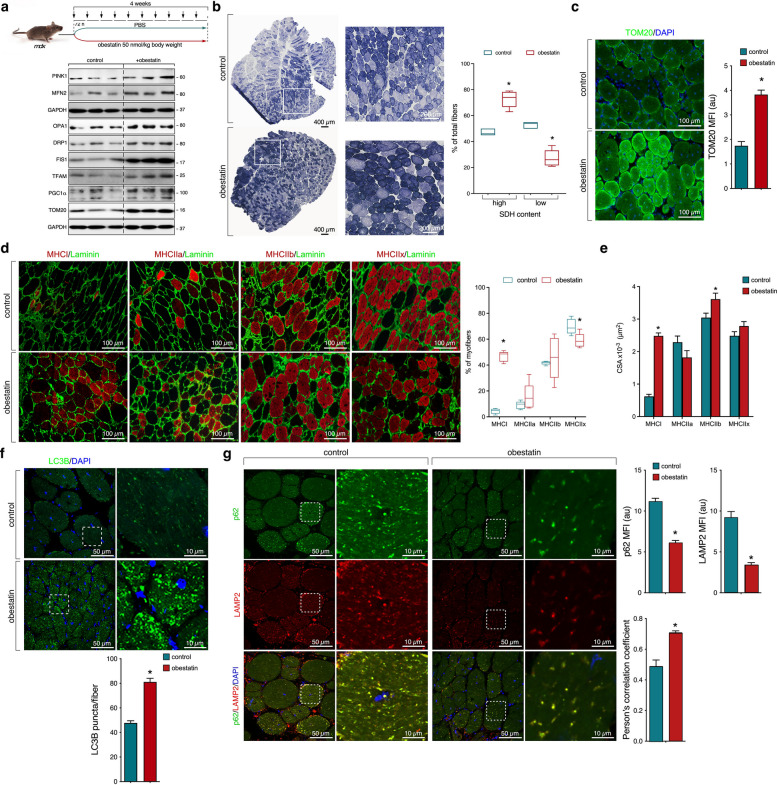 Figure 2
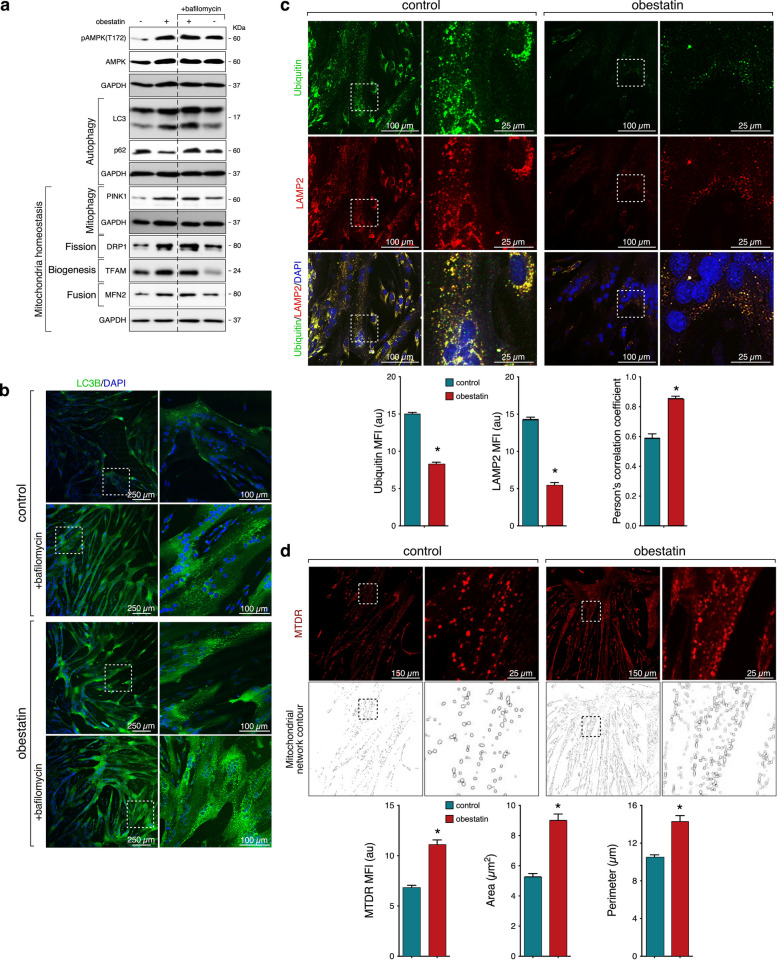 Figure 3
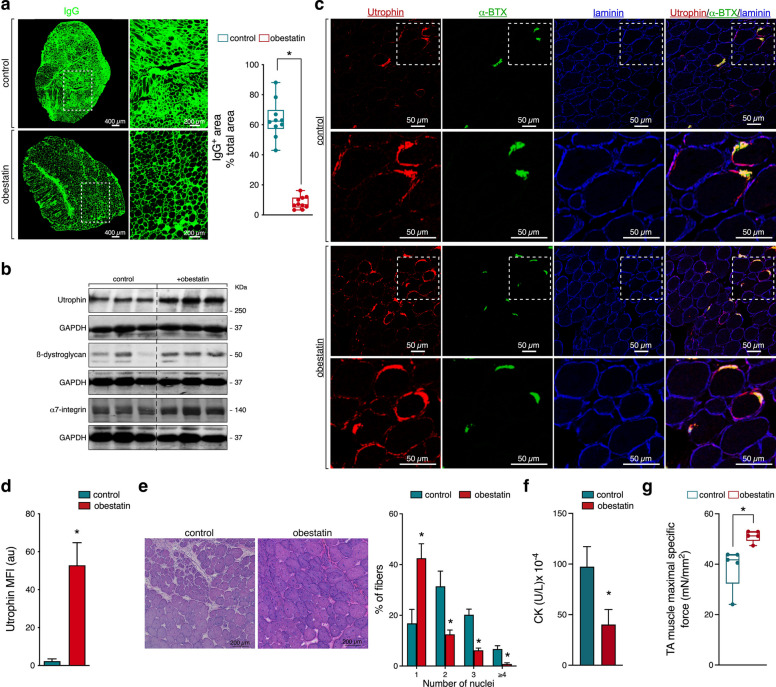 Figure 4
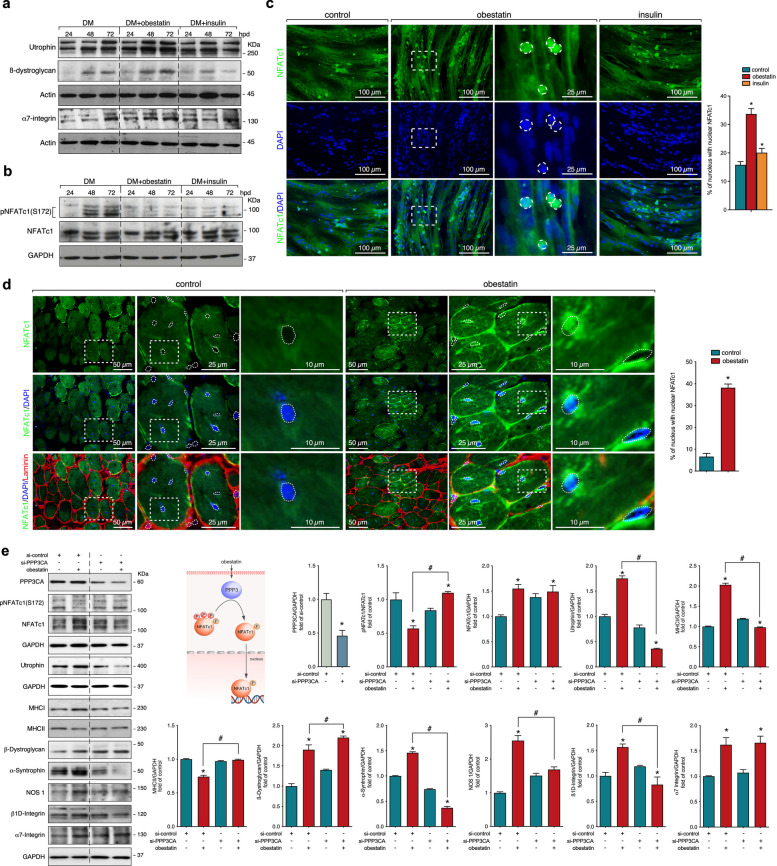 Figure 5
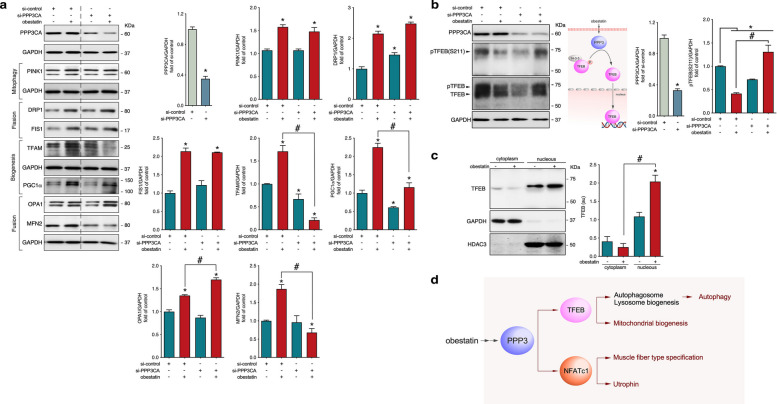 Figure 6
Peer Reviews
No public reviews on file for this paper yet. If you reviewed it on a platform where reviews are public (OpenReview, ICLR, NeurIPS, ICML), you can paste yours below so the community can read it here.
Videos
No videos yet. Explain this paper in a talk, walkthrough, or lecture? Add one.
Taxonomy
TopicsMuscle Physiology and Disorders · Adipose Tissue and Metabolism · GDF15 and Related Biomarkers