CXCL13 as a Biomarker of Complex Common Variable Immunodeficiency
Ioasaf Karafotias, Helene Martini, Charlotte V. Lee, Terrence T. J. Hunter, Padmalal Gurugama, Mary Guckian, Rachael Steven, Stephen Jolles, Mark Peakman, David Fear, Mohammad A. A. Ibrahim

TL;DR
This study shows that CXCL13 levels in blood can help identify and categorize patients with Common Variable Immunodeficiency based on their immune and clinical features.
Contribution
The study introduces CXCL13 as a novel biomarker for classifying complex CVID subtypes and predicting clinical severity.
Findings
CVID patients had higher serum CXCL13 levels compared to healthy donors, particularly in females.
CXCL13 levels correlated with clinical complications and immune markers like CD21low B cells and cTfh counts.
Higher CXCL13 levels were associated with more severe disease features in CVID patients.
Abstract
Common Variable Immunodeficiency (CVID) is a group of heterogeneous disorders with common denominators of impaired antibody production and function, and recurrent infections. Currently, prognostic biomarkers for CVID are limited. CXCL13 is a critical regulator of germinal centre responses and antibody production, with T follicular helper (Tfh) cells as a major source, and acts as a potent B cell chemoattractant. Serum levels of CXCL13 are increased in chronic inflammatory conditions and malignancy. We aimed to explore whether serum CXCL13 levels are altered in CVID and whether they can categorise the patients based on their clinical and immune phenotype. We compared the serum levels of CXCL13 between CVID and healthy donors (HD) and associated them with the clinical and immune phenotype of the patients. The serum levels of CXCL13 were higher in CVID, especially in female patients, as…
Genes, proteins, chemicals, diseases, species, mutations and cell lines named across the full text — each resolved to its canonical identifier and authoritative record.
Click any figure to enlarge with its caption.
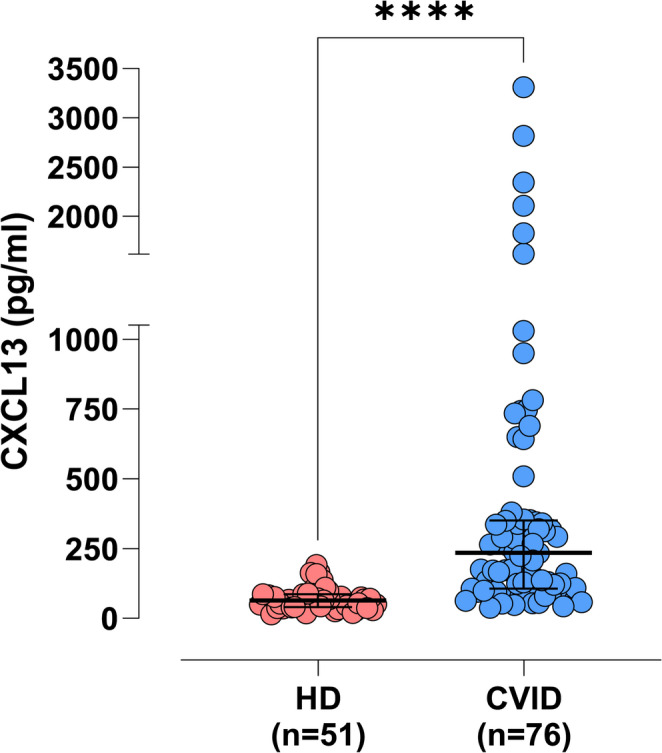 Figure 1
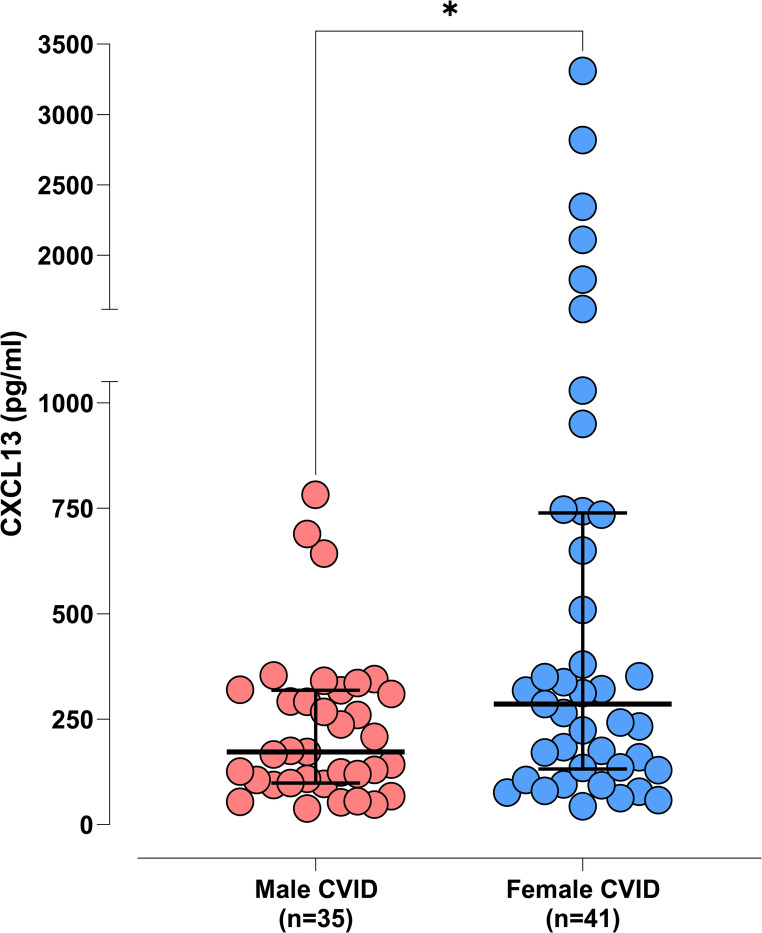 Figure 2
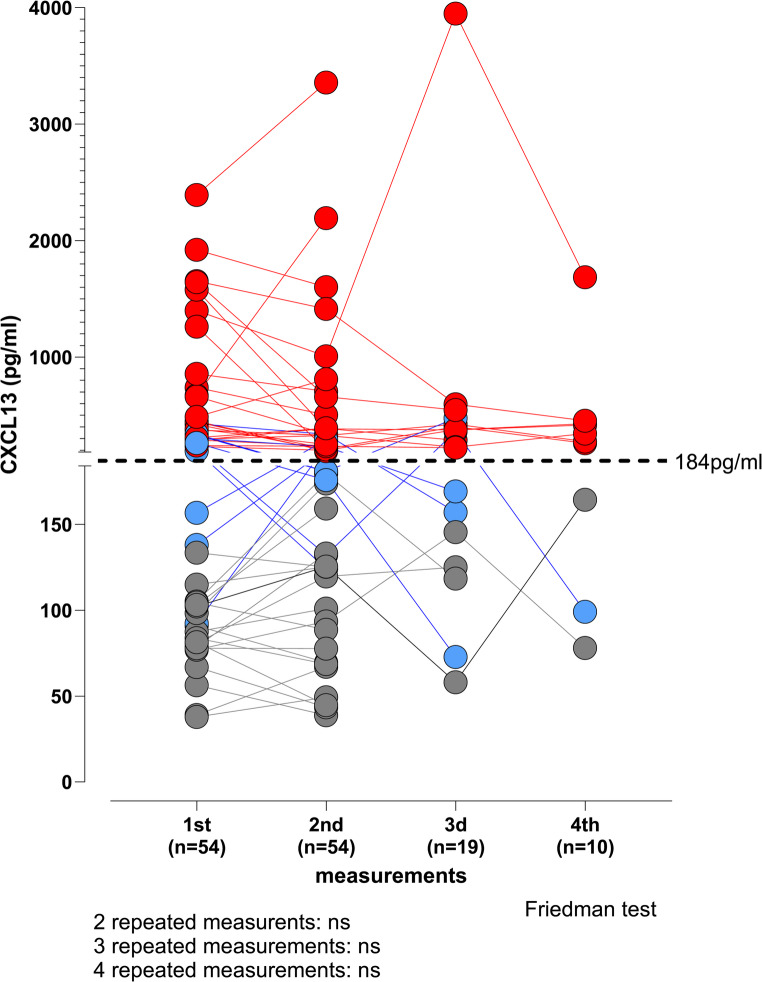 Figure 3
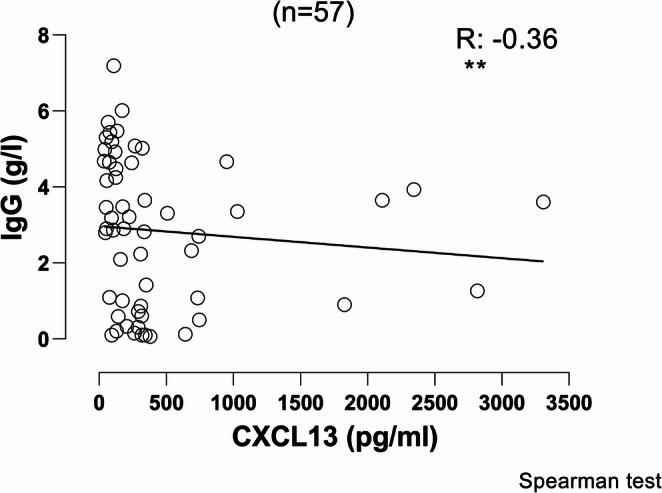 Figure 4
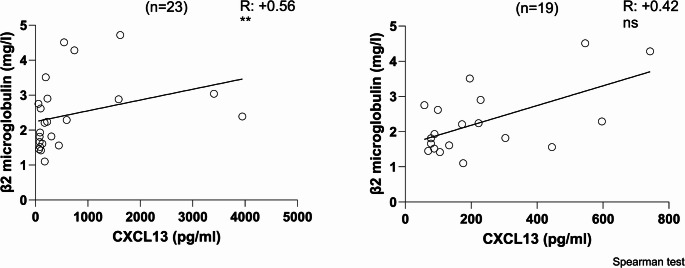 Figure 5
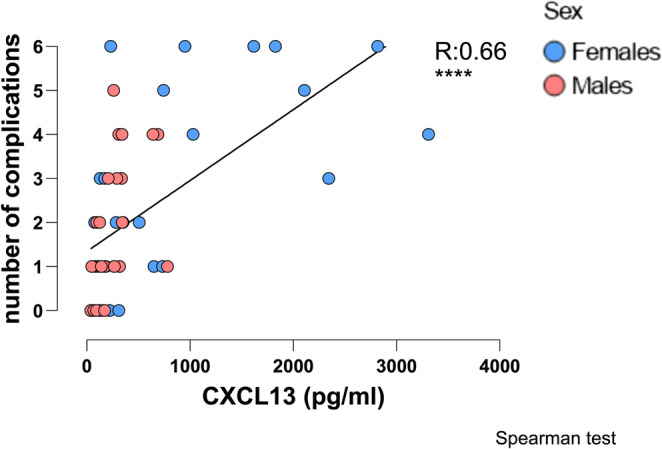 Figure 6
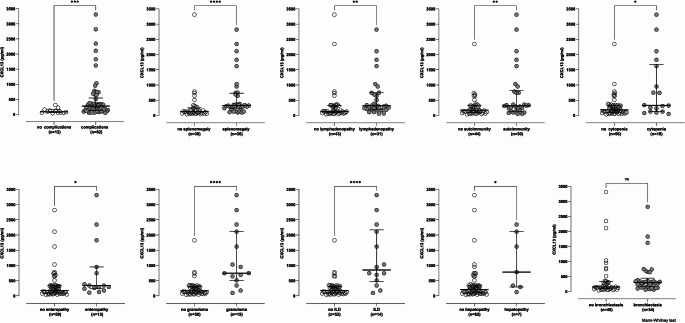 Figure 7
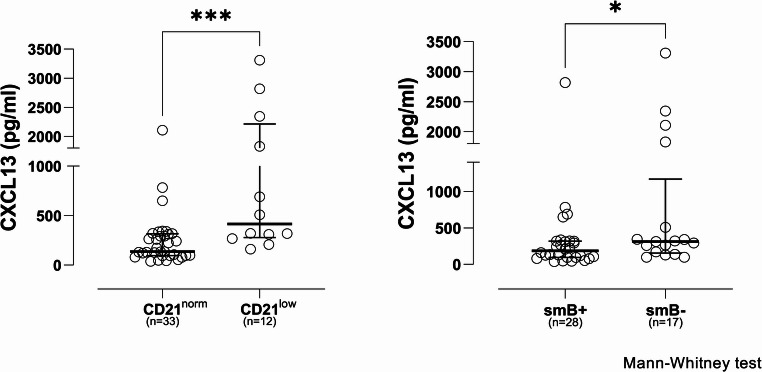 Figure 8
Peer Reviews
No public reviews on file for this paper yet. If you reviewed it on a platform where reviews are public (OpenReview, ICLR, NeurIPS, ICML), you can paste yours below so the community can read it here.
Videos
No videos yet. Explain this paper in a talk, walkthrough, or lecture? Add one.
Taxonomy
TopicsImmunodeficiency and Autoimmune Disorders · Chemokine receptors and signaling · Immune Cell Function and Interaction