The CCL17/CCL22–CCR4 Axis in Pain Pathogenesis: A Comprehensive Review of Immune-Mediated Mechanisms and Therapeutic Opportunities
Amin Hasheminia, Sarah Mann, Kiera Liblik, Mohammad El-Diasty

TL;DR
This paper reviews how the CCL17/CCL22–CCR4 signaling pathway contributes to different types of pain and explores its potential as a target for new pain therapies.
Contribution
The paper provides a novel comprehensive review of the role of CCL17/CCL22–CCR4 signaling in pain pathogenesis and its therapeutic potential.
Findings
CCR4 blockade can prevent neuropathic pain by inhibiting microglia activation and pronociceptive cytokines.
CCL17 and CCL22, produced by dendritic cells, bind to CCR4 on sensory neurons to induce pain signaling.
CCL17 expression increases in response to granulocyte–macrophage colony-stimulating factor in arthritic pain.
Abstract
The role of C–C motif chemokine ligand (CCL) 17 and CCL22 signalling has been demonstrated in allergic disorders, such as asthma and atopic dermatitis, as well as multiple types of neoplastic disorders. New evidence has identified that CCL17/CCL22 activation of the receptor CCR4 functions to mediate pain, with distinct roles in arthritic, neuropathic, and inflammatory postoperative pain. CCR4 blockade is suggested to prevent the development of neuropathic pain by inhibiting microglia activation and the subsequent increase in pronociceptive cytokines. CCL17 can also play a key role in the pathophysiology of arthritic pain. Further, CCL17 expression is increased in response to granulocyte–macrophage colony-stimulating factor. Both CCL17 and CCL22, produced by skin-resident dendritic cells in response to incisional wounds, bind CCR4 expressed on peripheral sensory neurons, directly…
Genes, proteins, chemicals, diseases, species, mutations and cell lines named across the full text — each resolved to its canonical identifier and authoritative record.
Click any figure to enlarge with its caption.
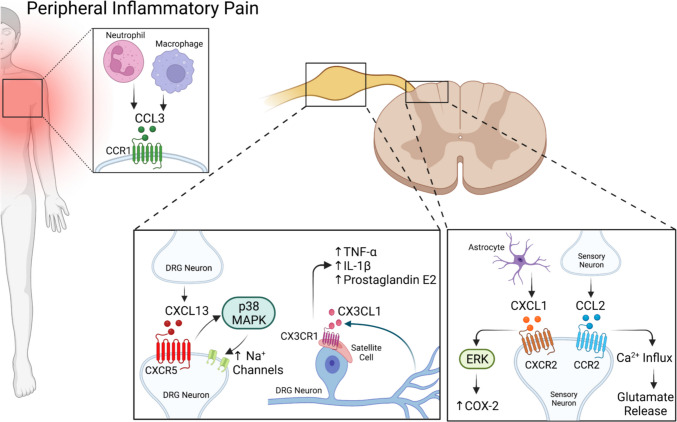 Figure 1
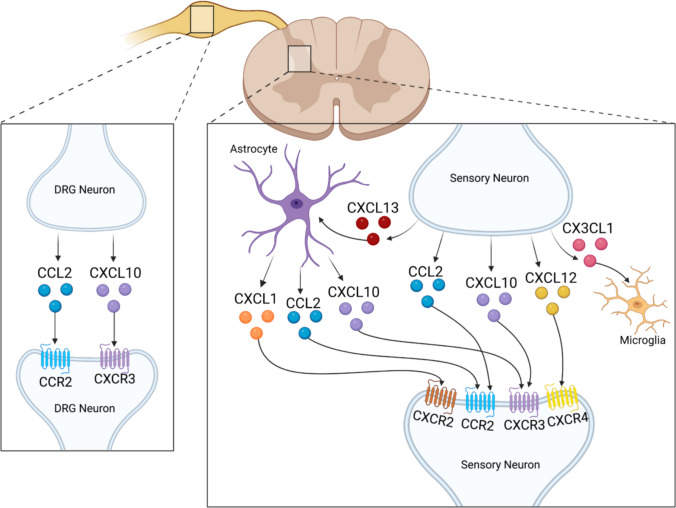 Figure 2
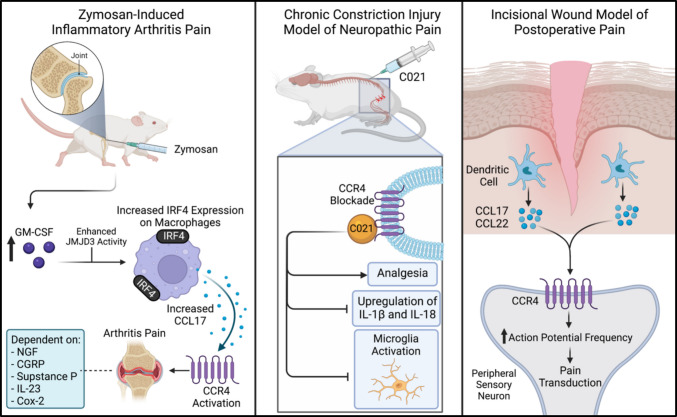 Figure 3
Peer Reviews
No public reviews on file for this paper yet. If you reviewed it on a platform where reviews are public (OpenReview, ICLR, NeurIPS, ICML), you can paste yours below so the community can read it here.
Videos
No videos yet. Explain this paper in a talk, walkthrough, or lecture? Add one.
Taxonomy
TopicsPain Mechanisms and Treatments · Chemokine receptors and signaling · Dermatology and Skin Diseases