Towards an understanding of the behaviour of ruthenium during vitrification of highly active waste: A study of the volatilisation of RuO2
Bibi Shehrbano, Colin Boxall, Joshua Turner, Richard Wilbraham

TL;DR
This study explores how ruthenium dioxide behaves during high-temperature nuclear waste vitrification processes.
Contribution
The paper provides new insights into the volatilization and recrystallization behavior of RuO2 under different atmospheric conditions during vitrification.
Findings
RuO2 undergoes dehydration and volatilization under oxidizing conditions.
Thermally induced recrystallization of RuO2 occurs, especially under non-oxidizing conditions.
Thermogravimetric analysis reveals distinct behavior of RuO2 in various gas environments.
Abstract
Recycling nuclear fuel to recover materials such as uranium and plutonium involves high temperature processes to treat the resulting highly active (HA) waste. This waste contains ruthenium, an important fission product due to its tendency to form volatile compounds and the presence of the radioactive isotope 106Ru. These properties, combined with the elevated temperatures during HA waste treatment, necessitate a deeper understanding of ruthenium volatilisation mechanisms. Key ruthenium species present or potentially formed in HA waste include nitro and nitrosyl complexes, and ruthenium dioxide (RuO2). This study focuses on the behaviour of RuO2 at high temperatures, due to its relevance to the vitrification process used to immobilise HA waste. Preliminary thermogravimetric analysis of commercially available RuO2 revealed a dehydration process under N2, O2, air atmospheres, and…
Genes, proteins, chemicals, diseases, species, mutations and cell lines named across the full text — each resolved to its canonical identifier and authoritative record.
Click any figure to enlarge with its caption.
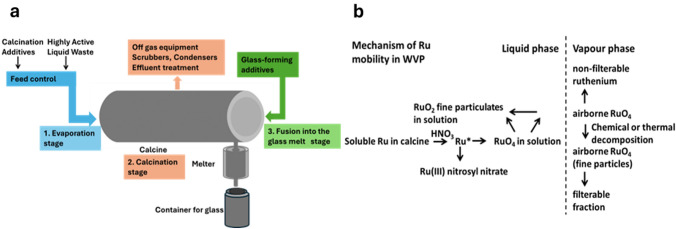 Figure 1
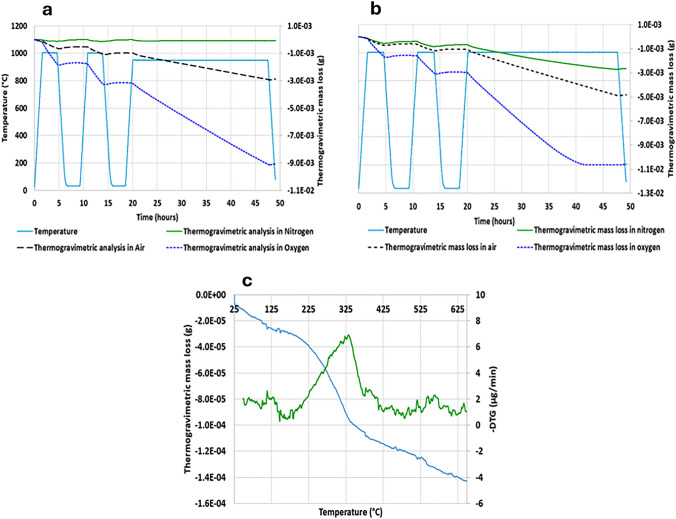 Figure 2
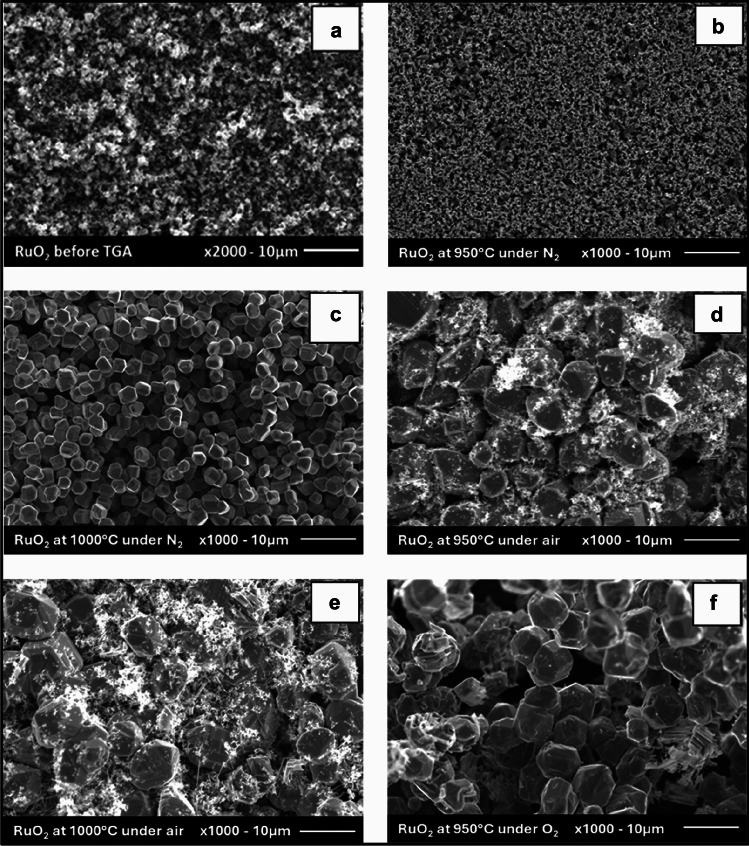 Figure 3
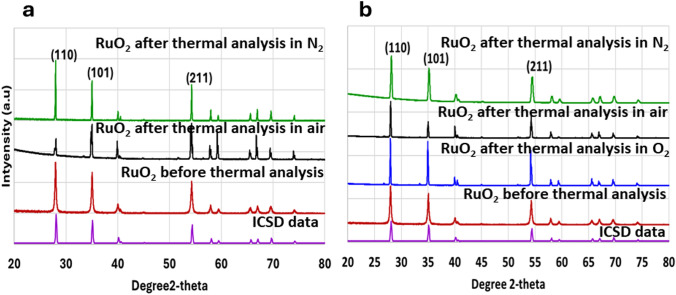 Figure 4
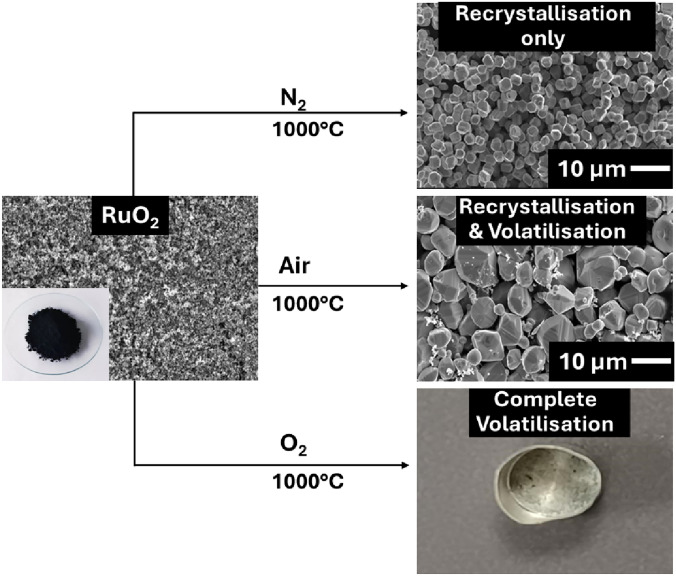 Figure 5
Peer Reviews
No public reviews on file for this paper yet. If you reviewed it on a platform where reviews are public (OpenReview, ICLR, NeurIPS, ICML), you can paste yours below so the community can read it here.
Videos
No videos yet. Explain this paper in a talk, walkthrough, or lecture? Add one.
Taxonomy
TopicsExtraction and Separation Processes · Radioactive element chemistry and processing · Geochemistry and Elemental Analysis