Prospective Trial of Cerebrospinal Fluid Filtration After Aneurysmal Subarachnoid Hemorrhage via Lumbar Catheter Extension (PILLAR-XT)
Spiros L. Blackburn, Marc A. Babi, Andrew W. Grande, Omar A. Choudhri, Erik F. Hauck, Christopher P. Kellner, Michael C. Giordano, Shivanand P. Lad, Aaron R. McCabe

TL;DR
This study tested a new method to filter blood from cerebrospinal fluid in patients with brain aneurysm bleeding, showing it can safely and effectively remove blood products more quickly than standard care.
Contribution
A novel closed-loop filtration system for removing blood from cerebrospinal fluid after aneurysmal subarachnoid hemorrhage is introduced and evaluated for safety and efficacy.
Findings
The filtration system significantly reduced red blood cells and protein in cerebrospinal fluid compared to standard care.
Intracranial blood levels decreased by 65% as measured by the Hijdra Sum Score.
Adverse events were mild or moderate and resolved without lasting effects.
Abstract
There is a growing consensus that blood in the cerebrospinal fluid (CSF) is deleterious to outcomes in patients with aneurysmal subarachnoid hemorrhage. The extracorporeal filtration of subarachnoid hemorrhage via spinal catheter extension study evaluated the safety, tolerability, and filtration curve of blood and its lysis products from hemorrhagic CSF using the Neurapheresis CSF Management System. After aneurysm repair, a dual-lumen intrathecal catheter was inserted into the study participant’s spinal canal. CSF was extracorporeally filtered for up to 72 h, removing blood products from the lumbar cistern, and reintroducing filtered CSF to the thoracic subarachnoid space. Neurological examinations were performed every 2 h, computed tomography scans were captured five times, and CSF samples were evaluated for cell counts every 8 h. Clinical follow-up evaluations were conducted 2 and 30…
Genes, proteins, chemicals, diseases, species, mutations and cell lines named across the full text — each resolved to its canonical identifier and authoritative record.
Click any figure to enlarge with its caption.
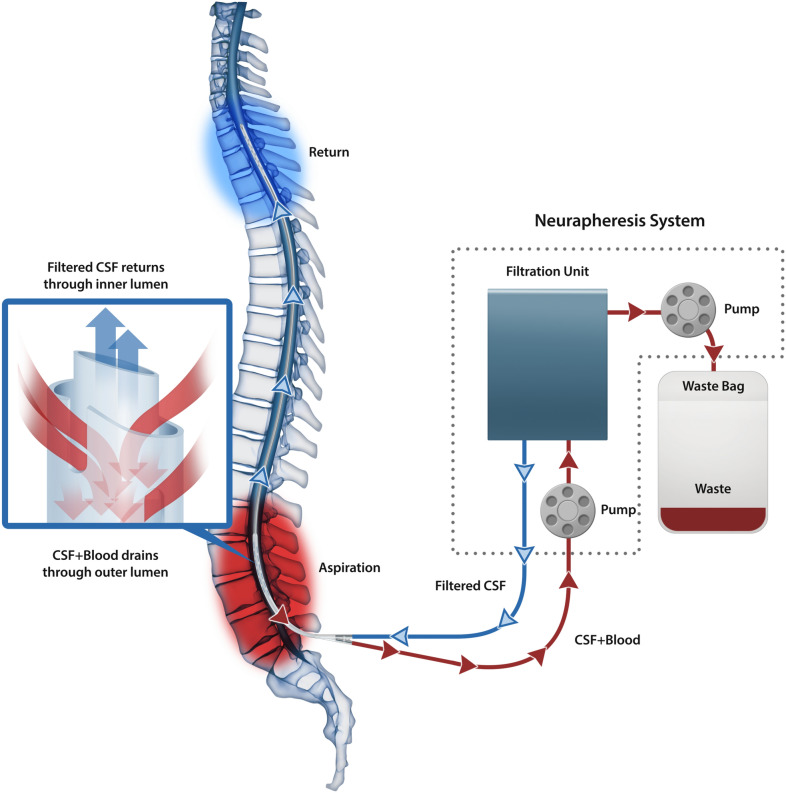 Figure 1
 Figure 2
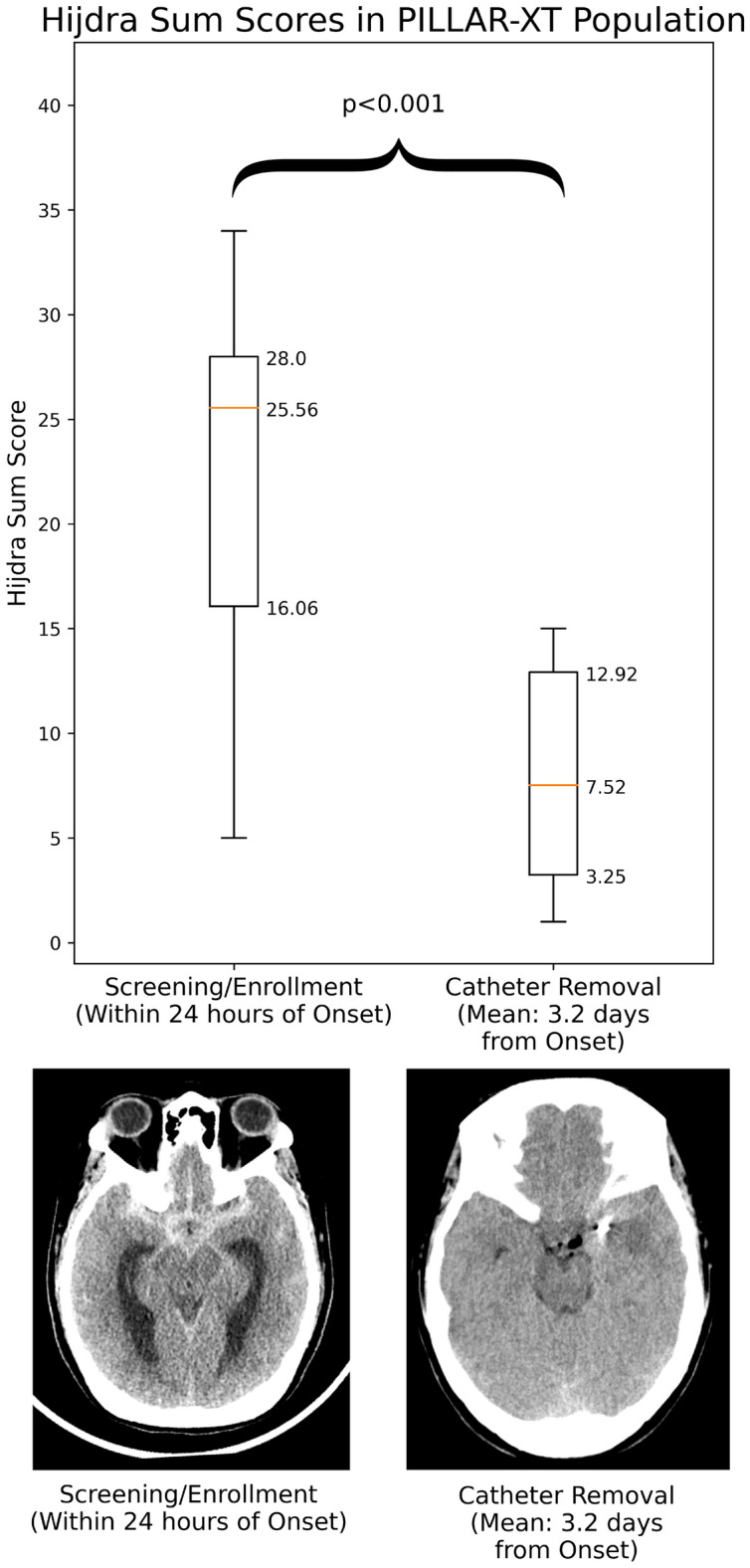 Figure 3
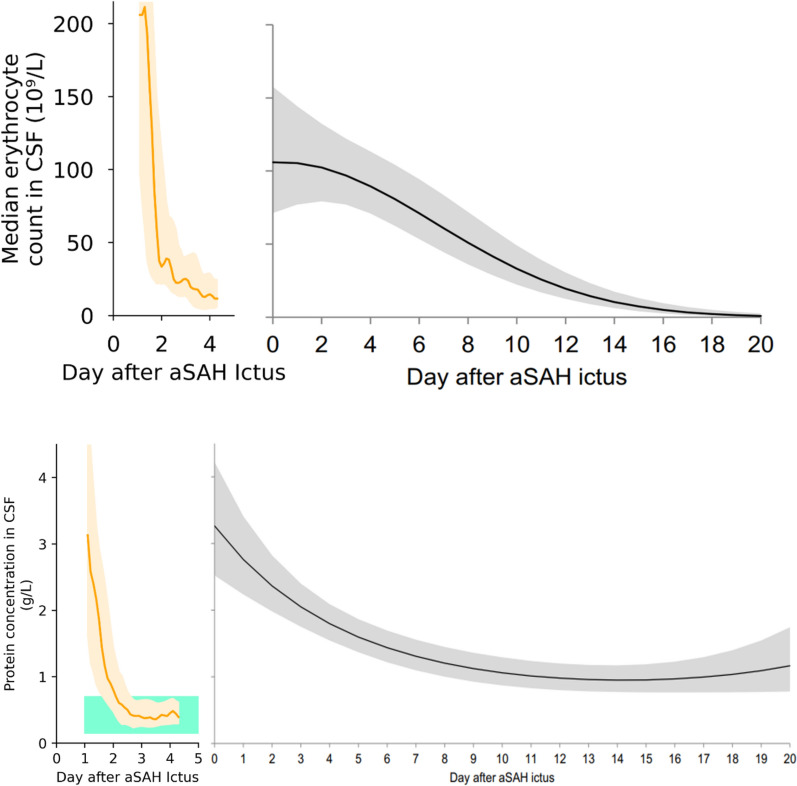 Figure 4
Peer Reviews
No public reviews on file for this paper yet. If you reviewed it on a platform where reviews are public (OpenReview, ICLR, NeurIPS, ICML), you can paste yours below so the community can read it here.
Videos
No videos yet. Explain this paper in a talk, walkthrough, or lecture? Add one.
Taxonomy
TopicsIntracranial Aneurysms: Treatment and Complications · Traumatic Brain Injury and Neurovascular Disturbances · Neurosurgical Procedures and Complications