MIM1 – a selective Mcl-1 protein inhibitor augments the proapoptotic activity of moxifloxacin toward MDA-MB-231 triple-negative breast cancer cells – a preliminary in vitro study
Artur Beberok, Zuzanna Rzepka, Jakub Rok, Marta Karkoszka-Stanowska, Dorota Wrześniok

TL;DR
This study shows that combining MIM1 and moxifloxacin increases cell death in a type of aggressive breast cancer, suggesting a new treatment approach.
Contribution
First demonstration of MIM1's strong proapoptotic activity and its synergistic effect with moxifloxacin in TNBC cells.
Findings
MIM1 showed high cytotoxic and proapoptotic potential in MDA-MB-231 cells.
Combining MIM1 with moxifloxacin significantly enhanced apoptosis and mitochondrial disruption.
The synergistic effect suggests a new direction for TNBC treatment strategies.
Abstract
Triple-negative breast cancer (TNBC) is characterized by high invasiveness, high metastatic potential, and poor prognosis. TNBC is not sensitive to endocrine therapy or HER2-targeted treatment, highlighting the need for the development of standardized TNBC treatment regimens. Thus, the development of new TNBC treatment strategies has become an urgent need. MIM1 – BH3 mimetic, which inhibits Mcl-1 antiapoptotic protein, may be an efficacious molecule able to induce apoptosis. Previously, we found that moxifloxacin (MOXI) can modulate the Mcl-1 protein expression. Therefore, in the current study, we assessed the impact of MIM1 and MOXI/MIM1 mixtures on the viability and apoptosis in MDA-MB-231 breast cancer cells. The viability of cells was assessed by the WST-1 assay. The proapoptotic activity of the tested compounds was determined by cytometric technique. The results showed that MIM1…
Genes, proteins, chemicals, diseases, species, mutations and cell lines named across the full text — each resolved to its canonical identifier and authoritative record.
Click any figure to enlarge with its caption.
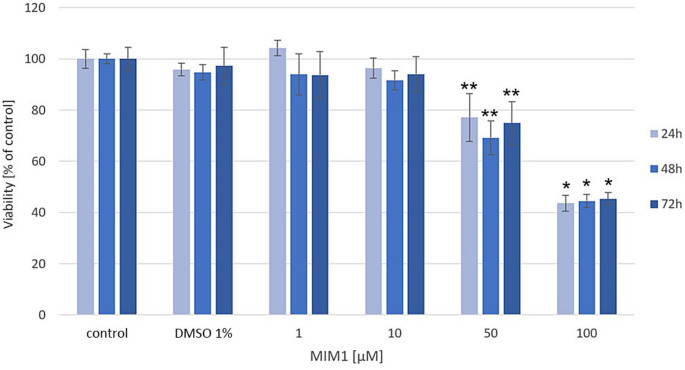 Figure 1
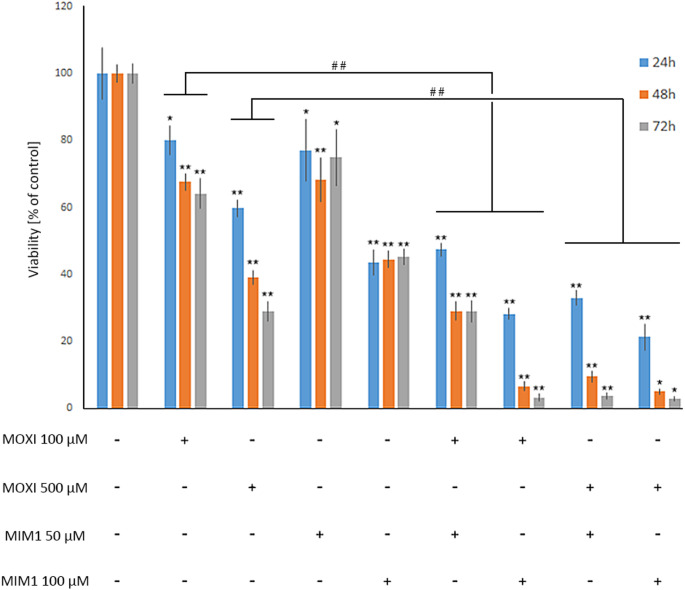 Figure 2
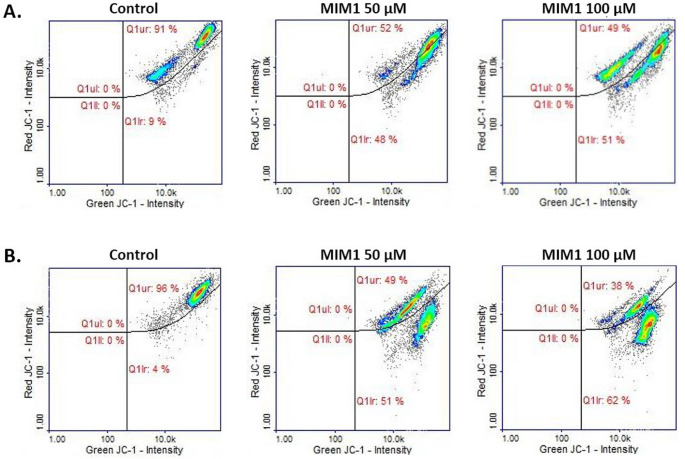 Figure 3
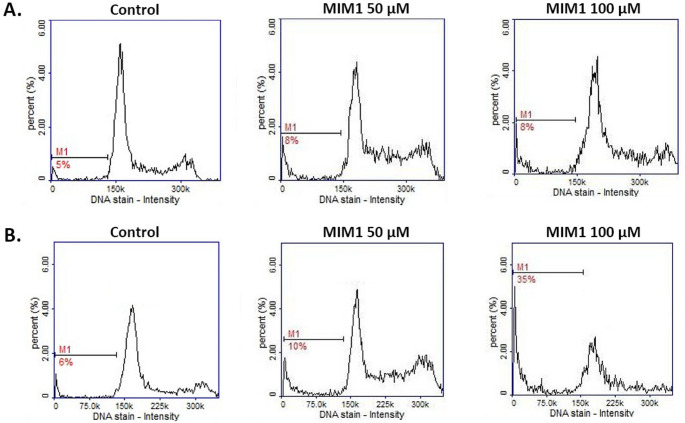 Figure 4
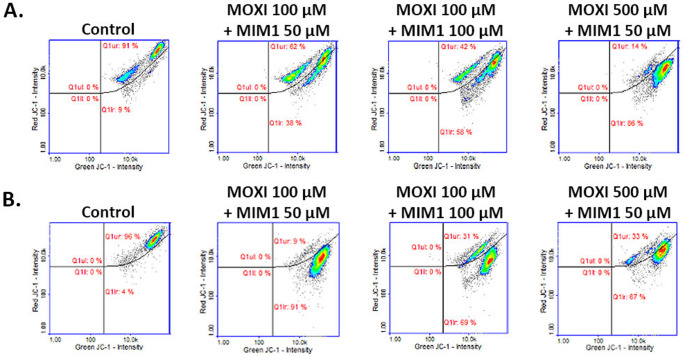 Figure 5
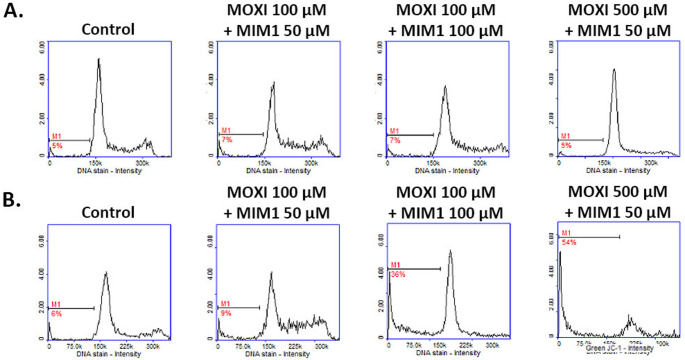 Figure 6
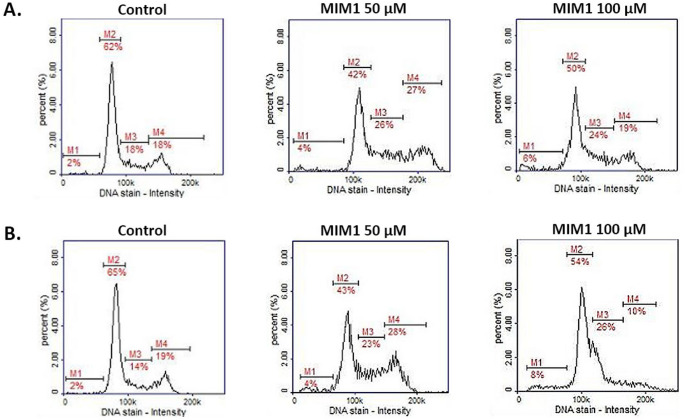 Figure 7
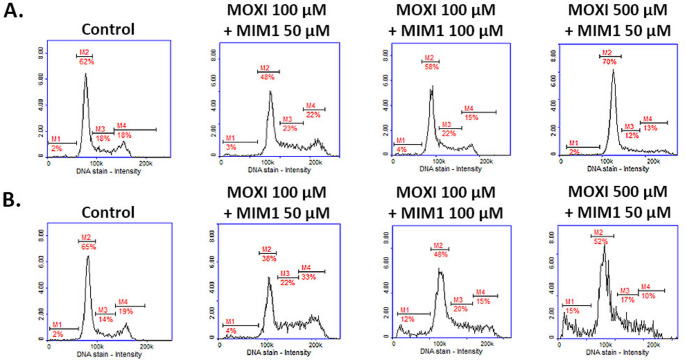 Figure 8
Peer Reviews
No public reviews on file for this paper yet. If you reviewed it on a platform where reviews are public (OpenReview, ICLR, NeurIPS, ICML), you can paste yours below so the community can read it here.
Videos
No videos yet. Explain this paper in a talk, walkthrough, or lecture? Add one.
Taxonomy
TopicsCell death mechanisms and regulation · Cancer-related Molecular Pathways · Chronic Lymphocytic Leukemia Research