Speech rate and associations in predictive sentence processing
Anuenue Kukona

TL;DR
This study explores how people predict upcoming words in fast speech by tracking mouse movements during sentence comprehension.
Contribution
The study introduces evidence that association-based predictions occur even in rapid speech processing.
Findings
Participants' mouse movements were drawn to predictable objects before hearing them.
At both normal and fast speech rates, movements were also attracted to verb-associated objects.
Associations support predictions in rapid speech but do not dominate them.
Abstract
Do comprehenders predict (i.e., what will come next) when hearing rapid speech? Two mouse cursor tracking experiments investigated association-based predictions, which may be suited to speeded processing. Participants heard predictive sentences (e.g., “What the pilot will fly, which is shown here, is the . . .”) while viewing visual arrays with predictable objects (e.g., helicopter) and unpredictable but verb-associated objects (e.g., kite) or unrelated objects (e.g., book). Experiment 1 compared predictive and nonpredictive (e.g., “What everyone will discuss, which is shown here, is the . . .”) sentences at a normal speech rate, and Experiment 2 compared predictive sentences at a normal and fast speech rate (e.g., averaging ~4 and 9 syllables per second). In addition to making mouse cursor movements to predictable objects before hearing predictable words (e.g., “helicopter”),…
Genes, proteins, chemicals, diseases, species, mutations and cell lines named across the full text — each resolved to its canonical identifier and authoritative record.
Click any figure to enlarge with its caption.
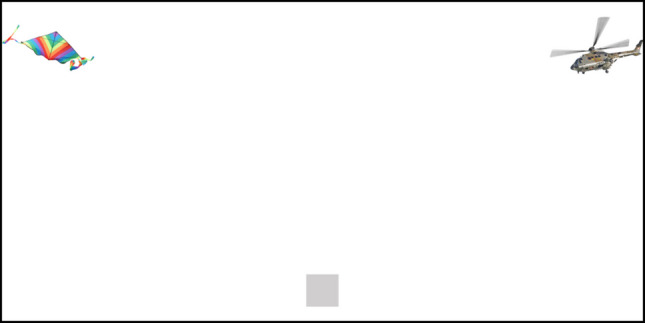 Figure 1
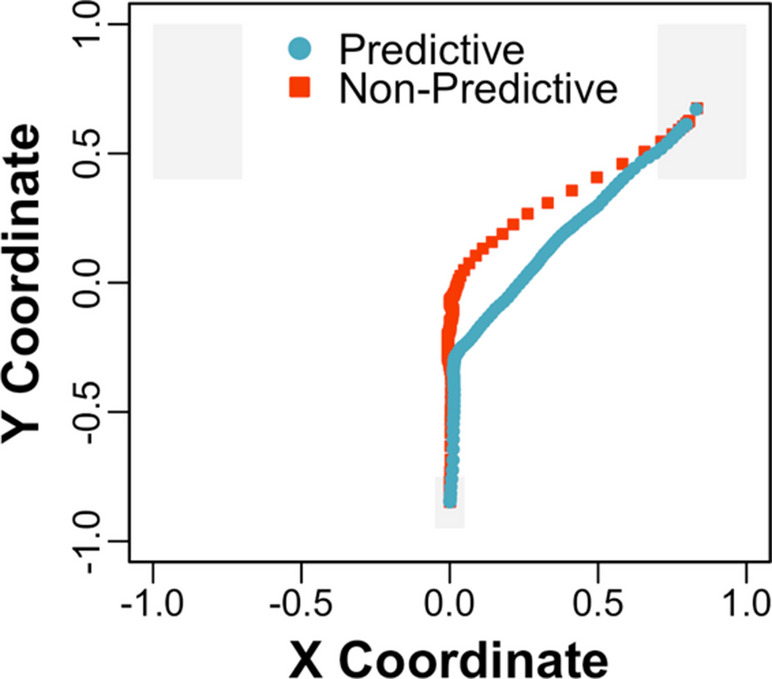 Figure 2
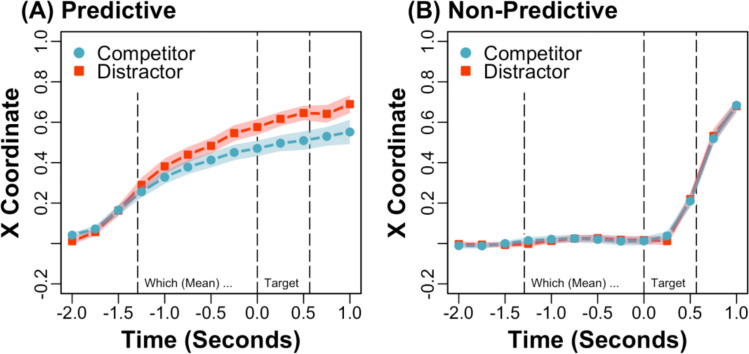 Figure 3
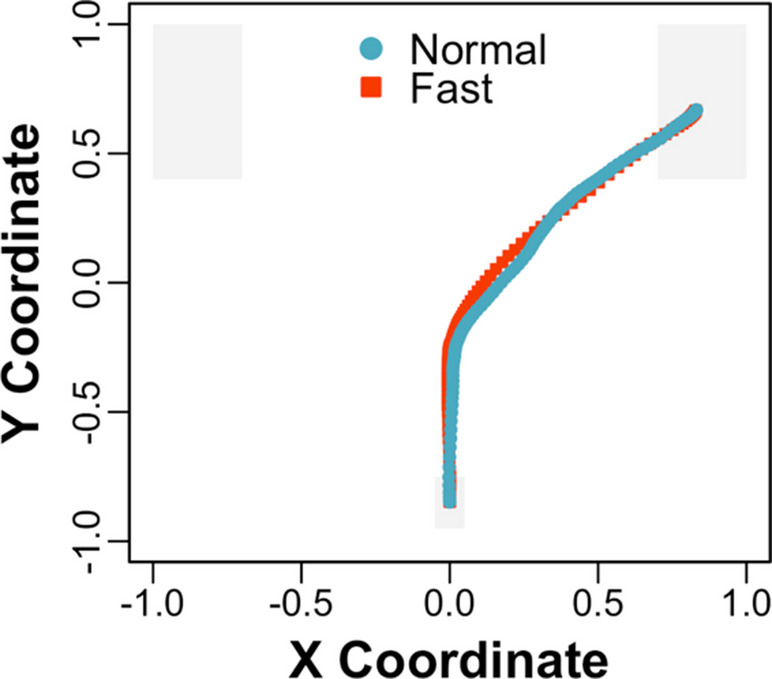 Figure 4
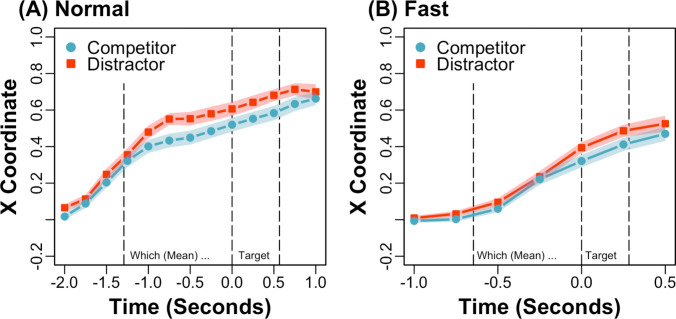 Figure 5
Peer Reviews
No public reviews on file for this paper yet. If you reviewed it on a platform where reviews are public (OpenReview, ICLR, NeurIPS, ICML), you can paste yours below so the community can read it here.
Videos
No videos yet. Explain this paper in a talk, walkthrough, or lecture? Add one.
Taxonomy
TopicsNeurobiology of Language and Bilingualism · Hearing Impairment and Communication · Action Observation and Synchronization