Resonance peak extraction method based on human ear model and its application in bearing fault diagnosis
Yongming Zhao, Yungong Li, Chao Wang, Shiyu Yan, Jiazhuang Dong, Jinxin Yang

TL;DR
This paper introduces a new method for detecting bearing faults by mimicking human hearing to extract resonance peaks more effectively.
Contribution
A novel resonance peak extraction method (RESAS) is proposed, inspired by the human auditory system and designed to improve fault detection in bearings.
Findings
RESAS efficiently extracts resonance peaks using Gammatone filtering and lateral inhibition.
The method improves fault classification accuracy when combined with an improved random forest model.
Tests on QPZZ-II and KWCU data show effectiveness across various speeds and loads.
Abstract
Rolling bearings are crucial in rotating machinery, and combining natural and characteristic frequencies improves fault detection. However, natural frequencies face challenges like feature extraction difficulties and drift, necessitating resonance peak information supplementation. Existing methods for extracting resonance peaks often struggle with low quality, false peaks, and merging issues. This paper introduces a novel resonance peak extraction method based on auditory saliency (RESAS), inspired by the human auditory system. RESAS combines Gammatone filtering, multi-scale Gaussian filtering, and lateral inhibition to simulate auditory attention and efficiently extract resonance peaks. A resonance peak saliency map (RPSP) is generated, from which features are extracted and used as input to an improved random forest model (TF-RF) for fault classification. Tests on the QPZZ-II Fault…
Genes, proteins, chemicals, diseases, species, mutations and cell lines named across the full text — each resolved to its canonical identifier and authoritative record.
Click any figure to enlarge with its caption.
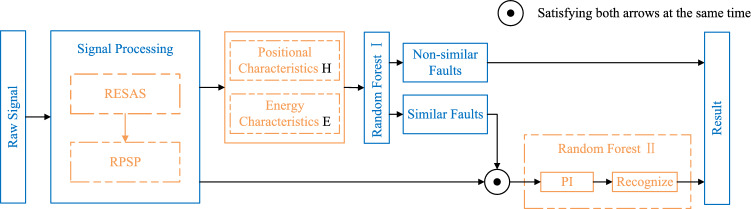 Figure 10
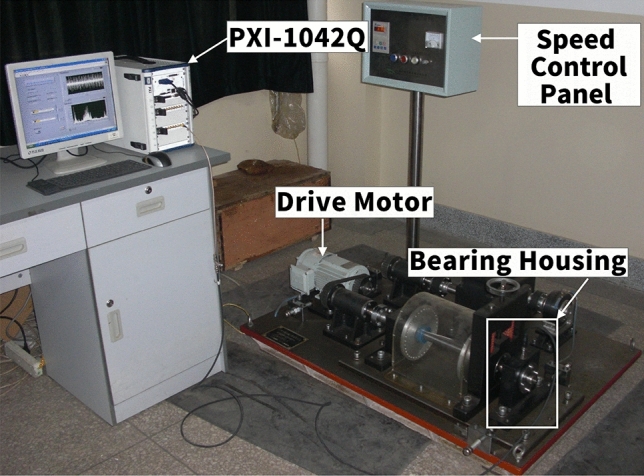 Figure 11
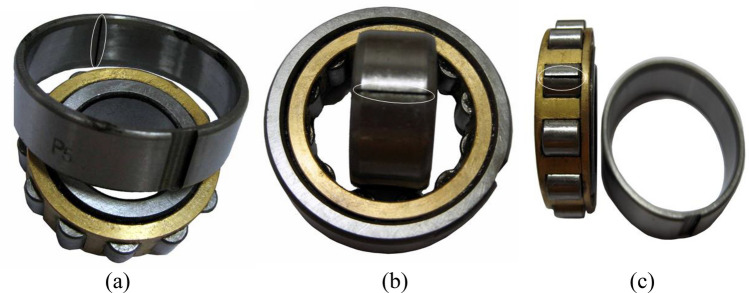 Figure 12
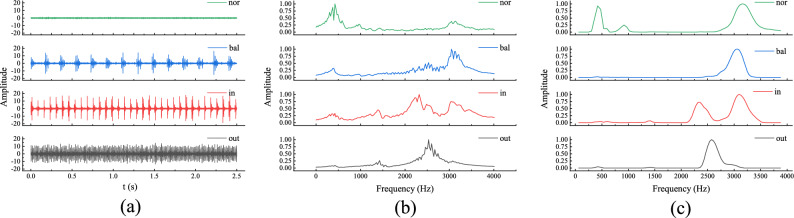 Figure 13
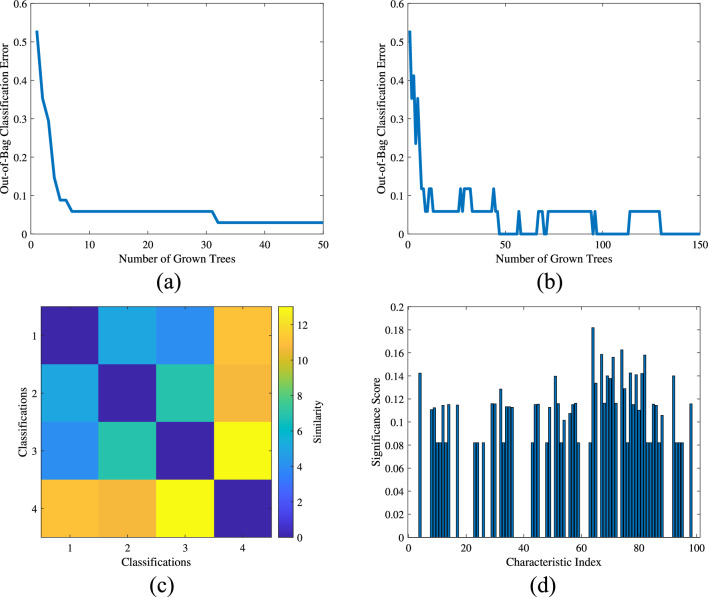 Figure 14
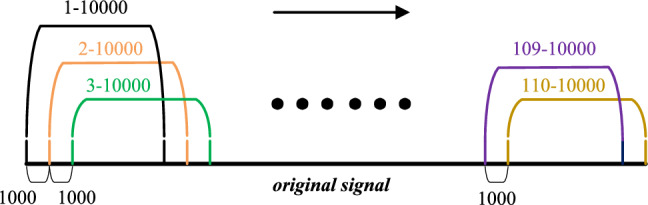 Figure 15
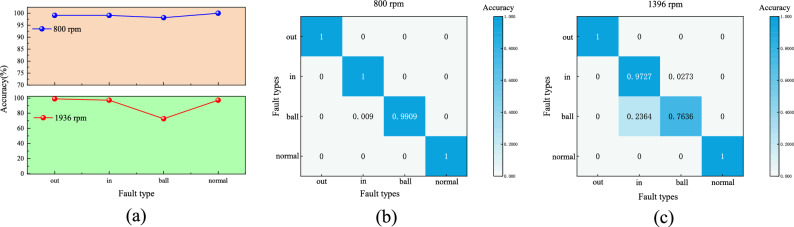 Figure 16
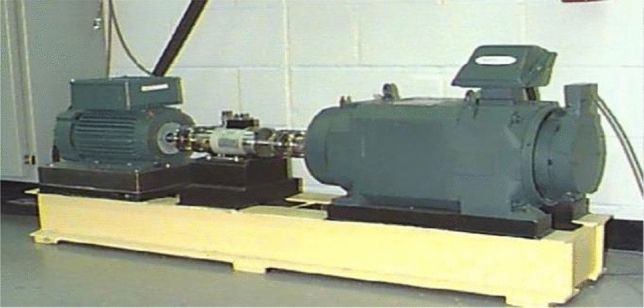 Figure 17
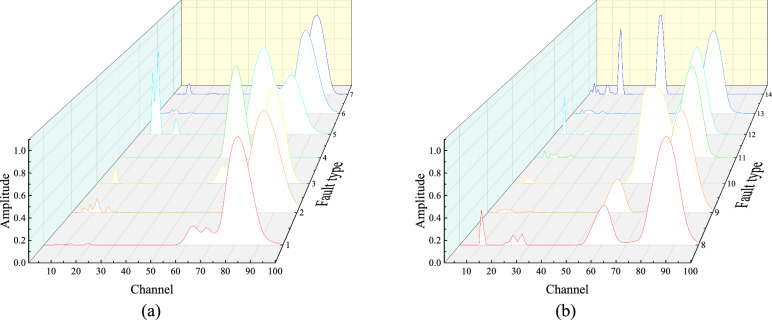 Figure 18
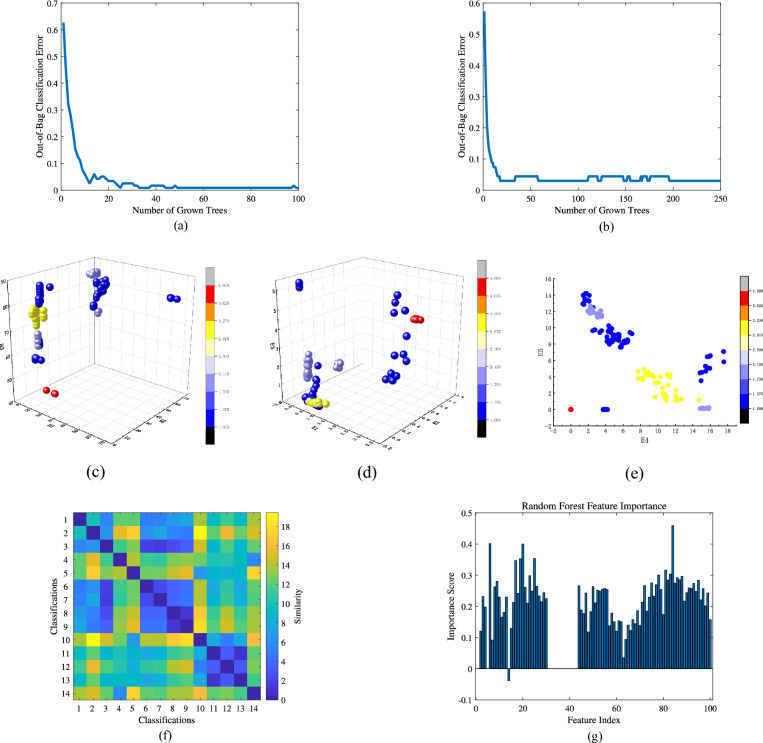 Figure 19
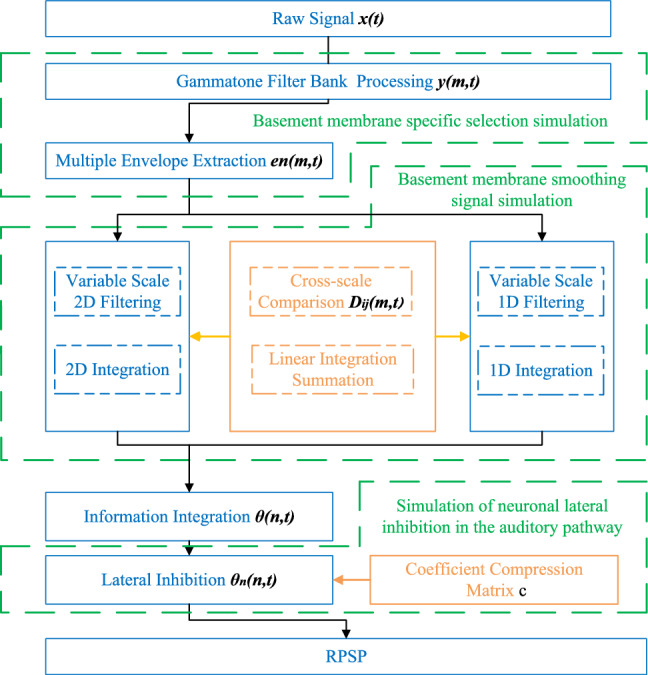 Figure 1
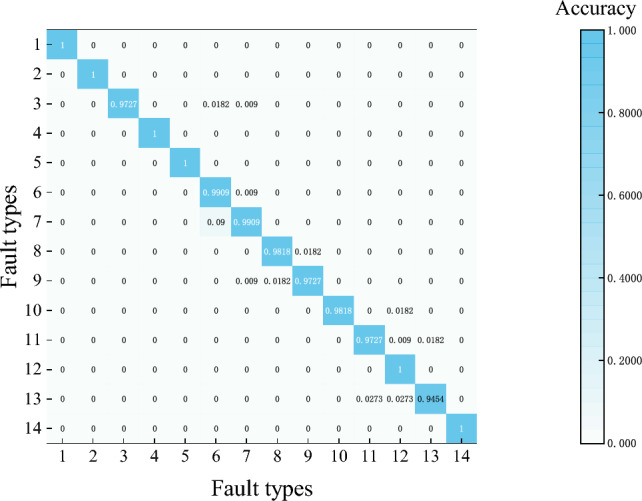 Figure 20
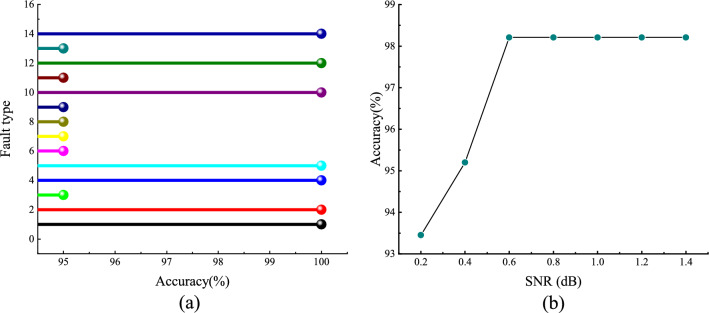 Figure 21
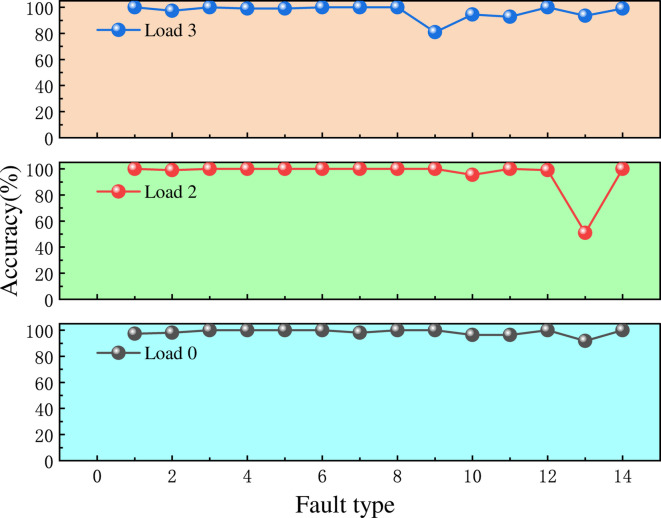 Figure 22
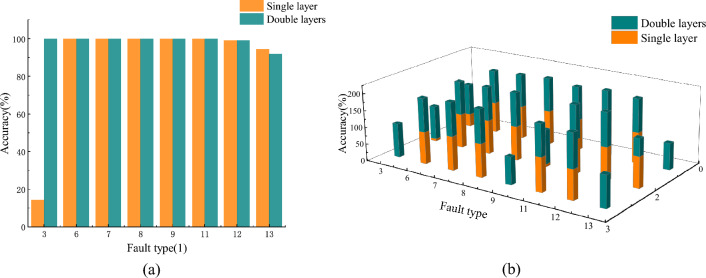 Figure 23
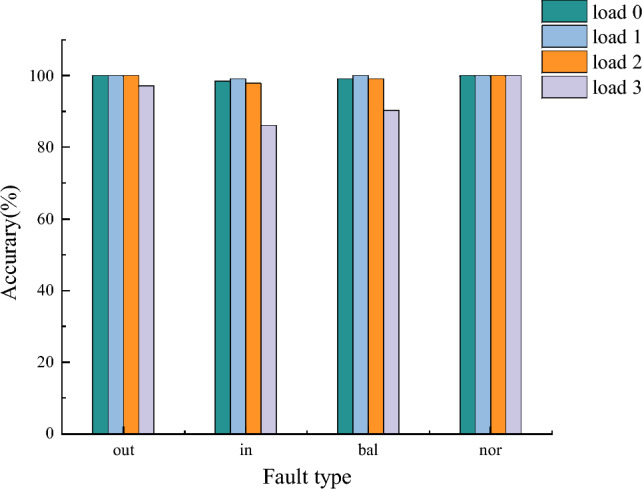 Figure 24
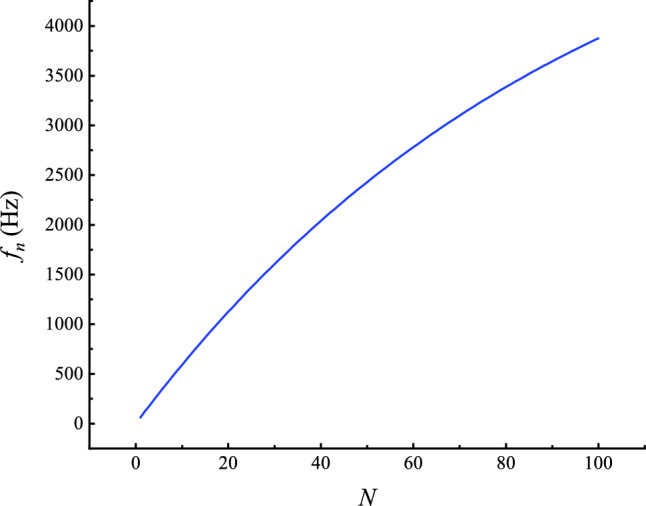 Figure 2
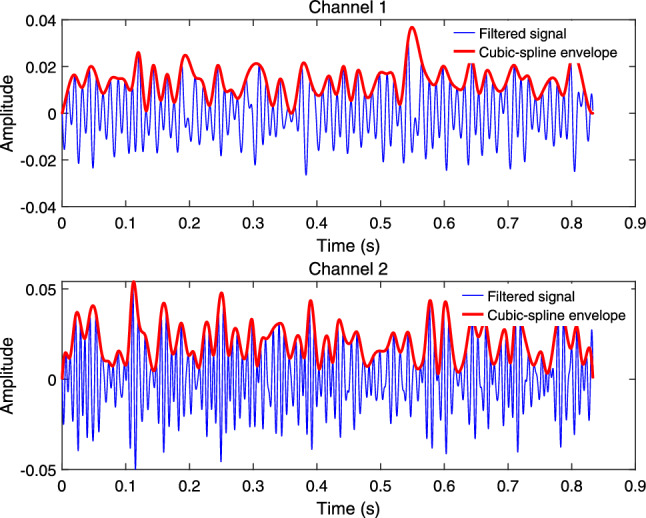 Figure 3
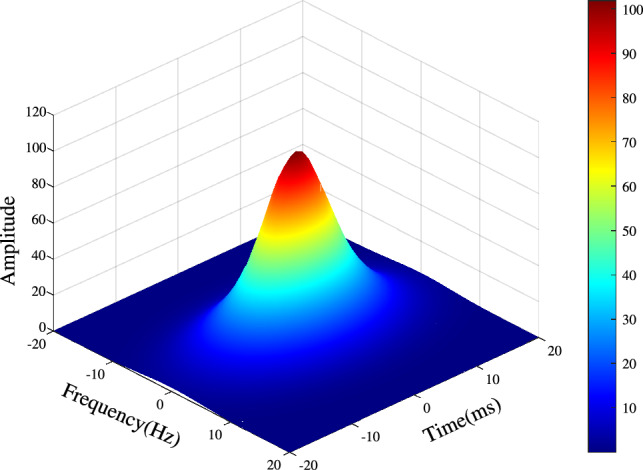 Figure 4
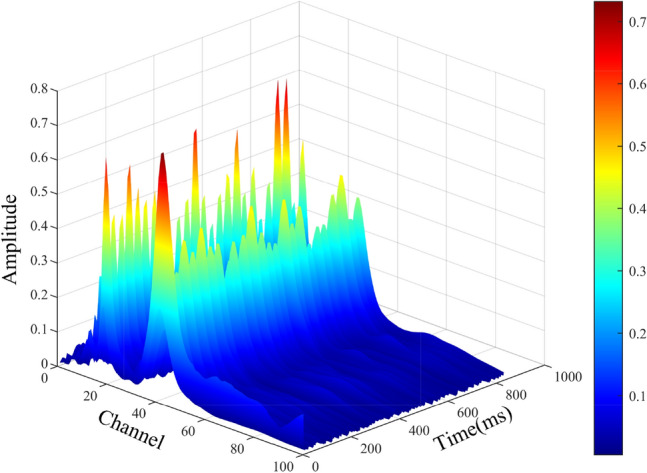 Figure 5
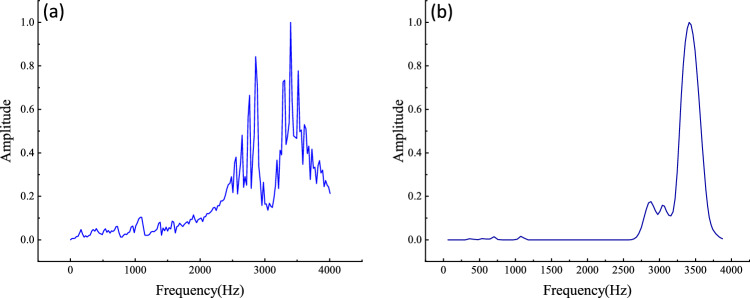 Figure 6
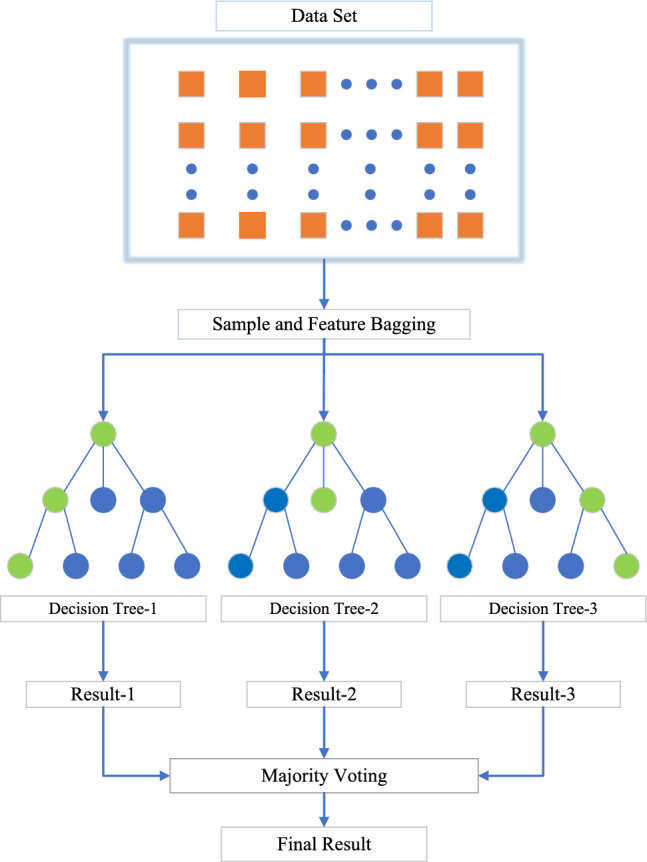 Figure 7
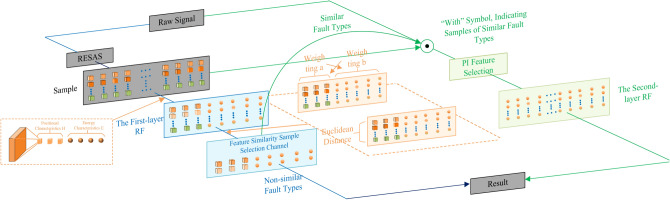 Figure 8
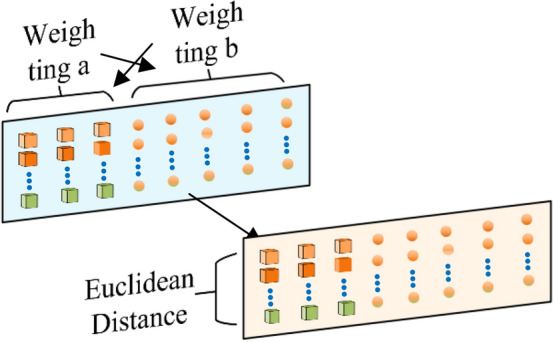 Figure 9
Peer Reviews
No public reviews on file for this paper yet. If you reviewed it on a platform where reviews are public (OpenReview, ICLR, NeurIPS, ICML), you can paste yours below so the community can read it here.
Videos
No videos yet. Explain this paper in a talk, walkthrough, or lecture? Add one.
Taxonomy
TopicsMachine Fault Diagnosis Techniques · Gear and Bearing Dynamics Analysis · Structural Health Monitoring Techniques