A hybrid PSO-AVOA framework for patient-reported drug prioritization with enhanced exploration and exploitation
Manickavasagam Suruthi, Narayanan Ganesh

TL;DR
This paper introduces a new optimization algorithm combining PSO and EAVOA to prioritize drugs based on patient reviews, improving convergence and solution quality.
Contribution
A novel hybrid PSO-EAVOA algorithm with enhanced exploration and exploitation for drug prioritization using patient-reported data.
Findings
Hybrid PSO-EAVOA outperformed five state-of-the-art algorithms in convergence speed and solution quality.
The framework effectively aggregates drug review data on effectiveness, side-effects, and consistency.
The method is compatible with various aggregation techniques and applicable to pharmacovigilance and drug re-purposing.
Abstract
Patient-generated drug reviews are becoming increasingly available and serve as a rich source for computational drug prioritization. In this study, we developed a Hybrid Particle Swarm-Enhanced African Vulture Optimisation Algorithm (Hybrid PSO-EAVOA) that fosters the development of better balances between the exploration and exploitation of which the framework uses the improved opposition-based learning, Levy flights, and elite preservation approaches. In the framework, multiple evaluation criteria are accommodated, recovering value in the form of an overall single-objective optimization scheme, where effectiveness, side-effects, and consistency of reviews were compiled for clinical significance and combined by a weighted-sum fitness function. To validate the experiment using a large-scale dataset of drug reviews obtained from the Drugs Side Effects and Medical Condition dataset…
Genes, proteins, chemicals, diseases, species, mutations and cell lines named across the full text — each resolved to its canonical identifier and authoritative record.
Click any figure to enlarge with its caption.
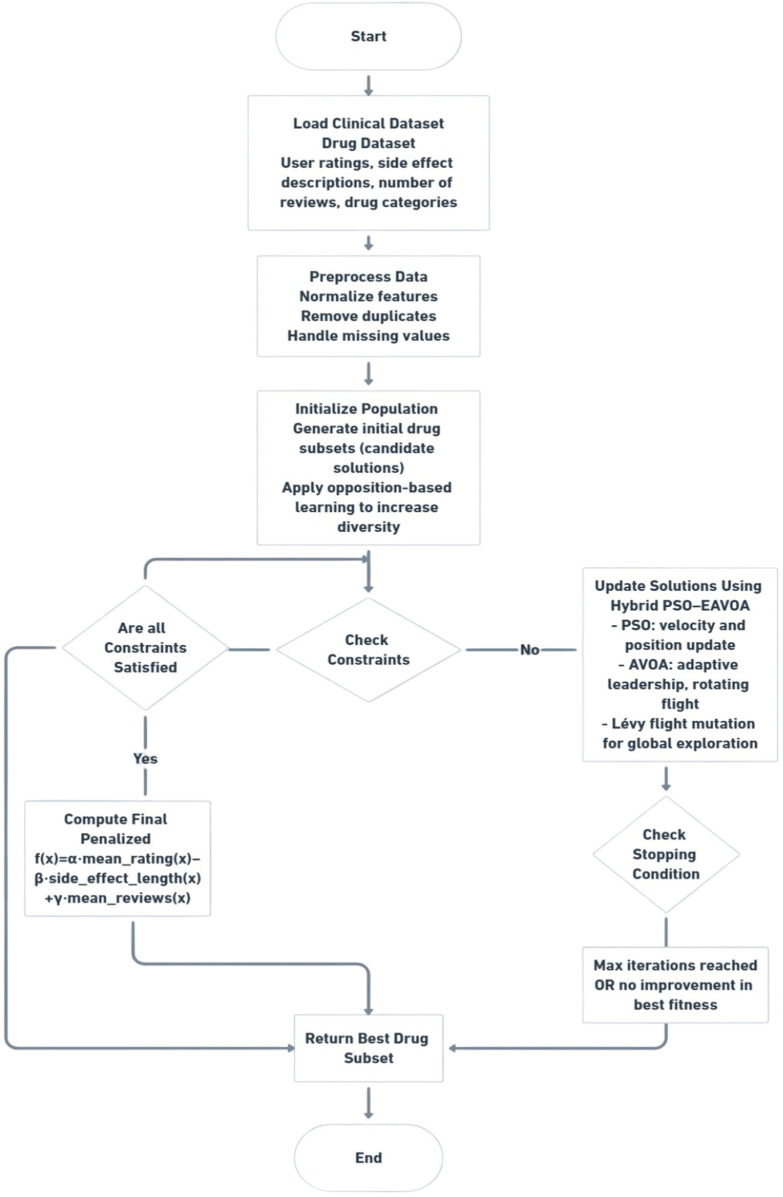 Figure 1
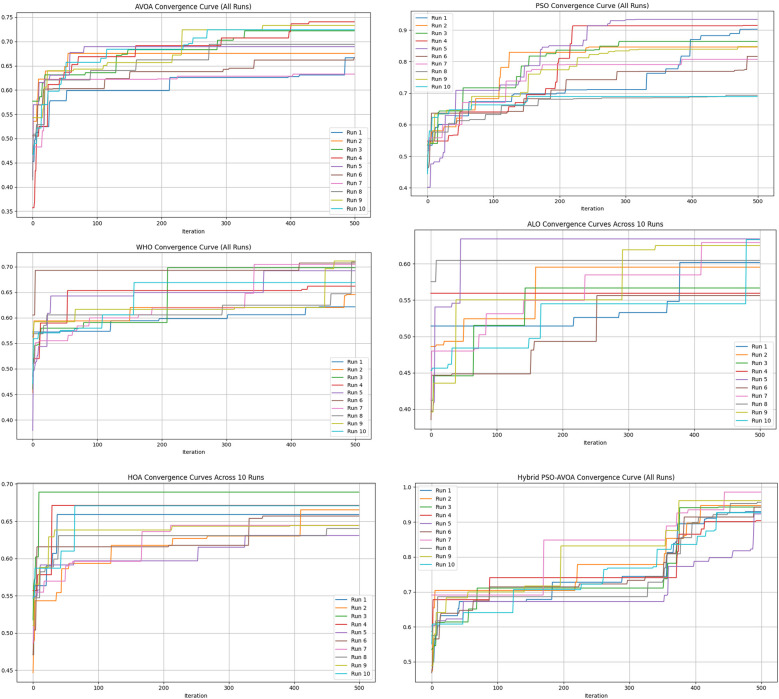 Figure 2
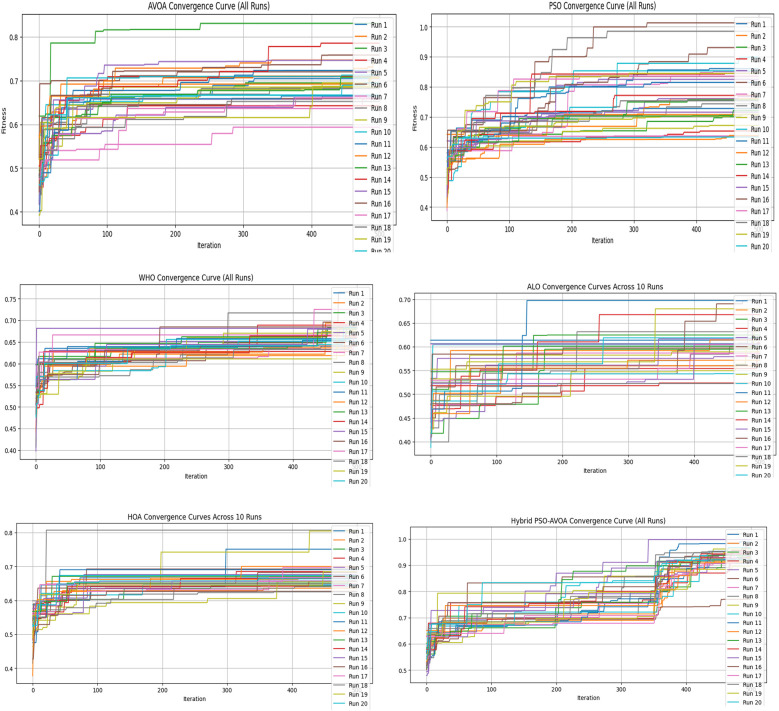 Figure 3
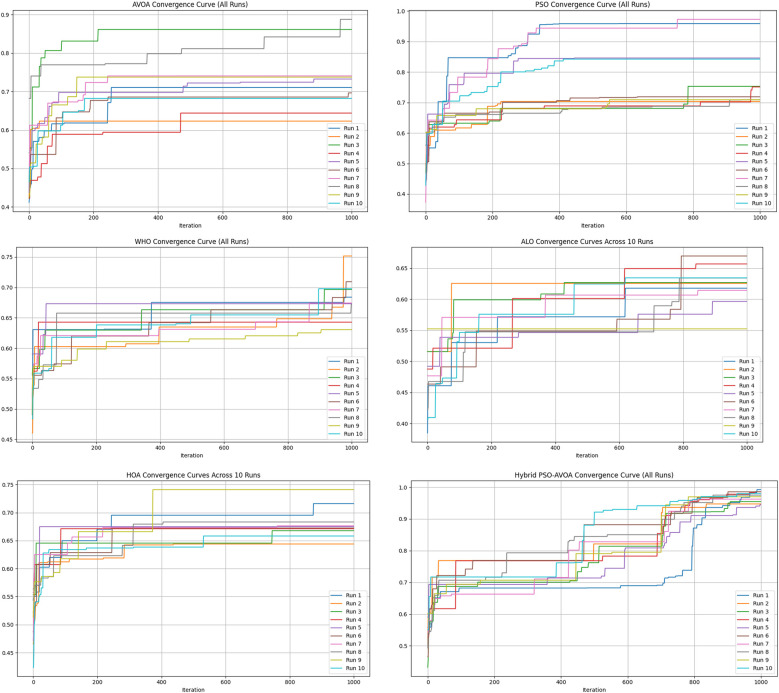 Figure 4
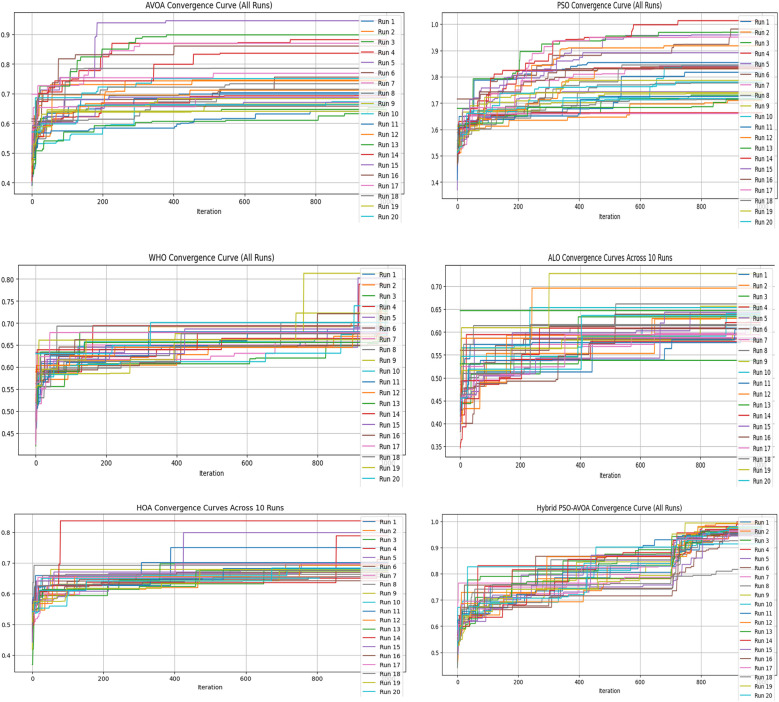 Figure 5
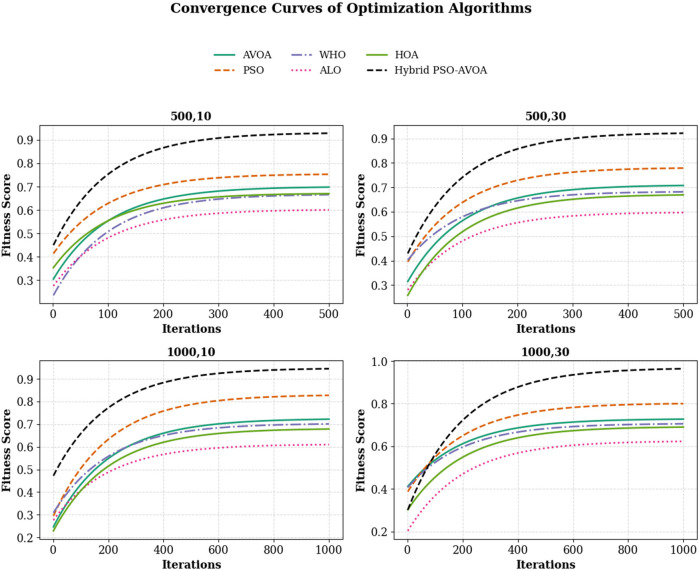 Figure 6
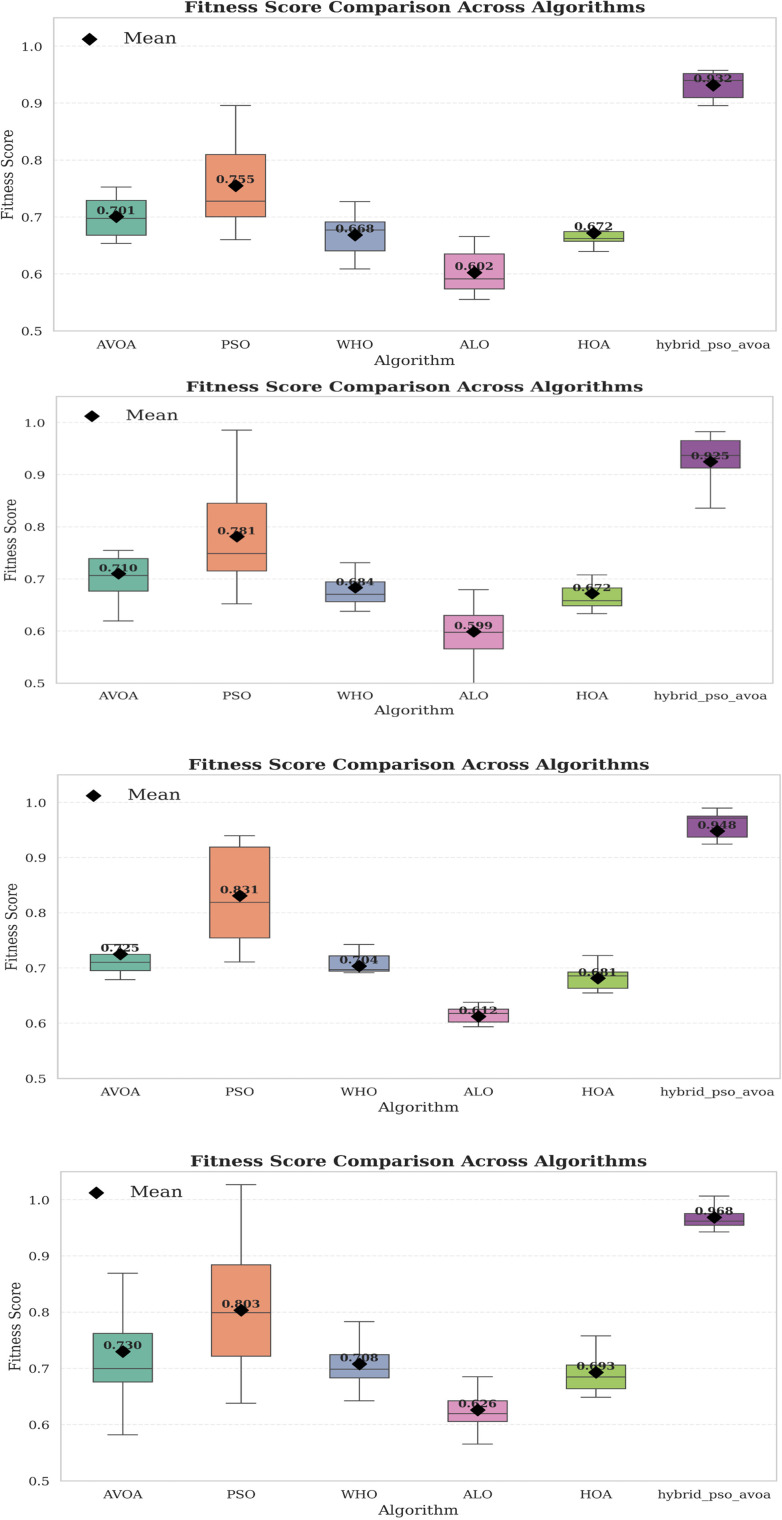 Figure 7
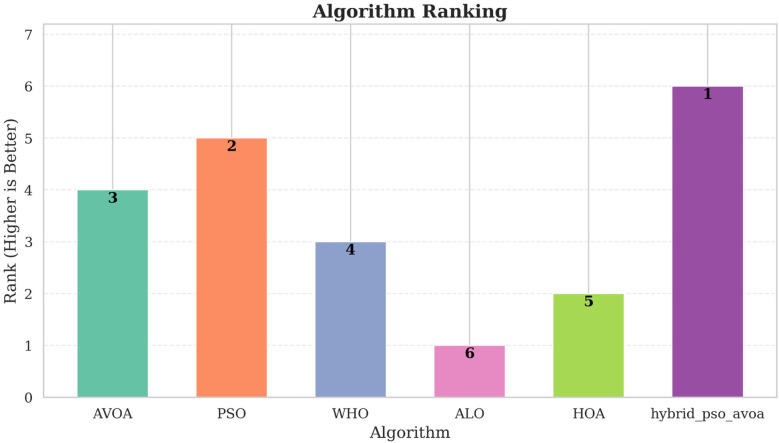 Figure 8
Peer Reviews
No public reviews on file for this paper yet. If you reviewed it on a platform where reviews are public (OpenReview, ICLR, NeurIPS, ICML), you can paste yours below so the community can read it here.
Videos
No videos yet. Explain this paper in a talk, walkthrough, or lecture? Add one.
Taxonomy
TopicsPharmacovigilance and Adverse Drug Reactions · Advanced Causal Inference Techniques · Machine Learning in Healthcare