Exploring the mechanism of analgesic effect of Tuina on alleviating delayed muscle soreness in exercise-induced muscle damaged rats: a combined transcriptome- and non-targeted metabolome-based analysis
Jiawen Liu, Lunyu Li, Liubu Ayi, Zhonghao Li, Ruichi Zhang, Binyu Yao, Yu Xia, Qingsong Liu, Haili Ding

TL;DR
This study explores how Tuina therapy reduces muscle pain and aids recovery in rats with exercise-induced muscle damage by analyzing gene and metabolite changes.
Contribution
The study provides a combined transcriptomic and metabolomic analysis to reveal the molecular mechanisms of Tuina's analgesic effects on muscle damage.
Findings
Tuina increased mechanical withdrawal threshold and reduced CK-MM expression, indicating improved muscle repair.
Transcriptomic and metabolomic analyses identified 35 shared pathways, including inflammatory regulation and cAMP signaling.
The 48-hour post-intervention period was identified as a critical window for Tuina's therapeutic effects.
Abstract
Previous research has demonstrated the therapeutic effects of Tuina on exercise-induced muscle damage (EIMD) and its analgesic role in delayed-onset muscle soreness (DOMS). This study aimed to elucidate the molecular mechanisms underlying the analgesic effects of Tuina by analyzing temporal changes in gene expression and metabolite profiles at sites of skeletal muscle injury following intervention. Eighty-eight 8-week-old SD rats were randomly assigned to a control group (C), an exercise group (E) and a Tuina-treated group (T). An EIMD rat model was established to assess the mechanical withdrawal threshold (MWT), Enzyme-linked immunosorbent assay (ELISA) was employed to measure creatine kinase (CK) levels, histological staining and transmission electron microscopy was used to observed skeletal muscle repair post-Tuina treatment. Transcriptomic and metabolomic analyses were performed to…
Genes, proteins, chemicals, diseases, species, mutations and cell lines named across the full text — each resolved to its canonical identifier and authoritative record.
Click any figure to enlarge with its caption.
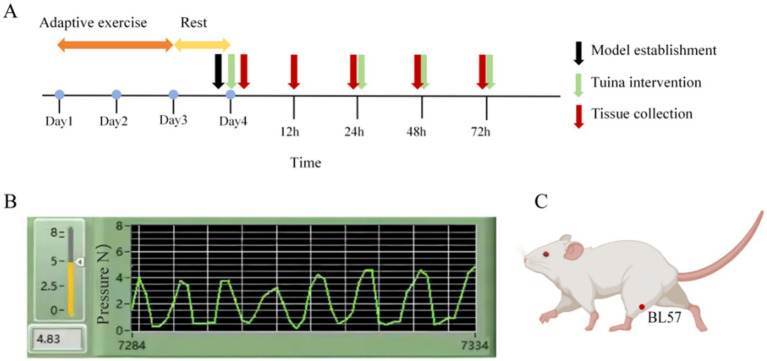 Figure 1
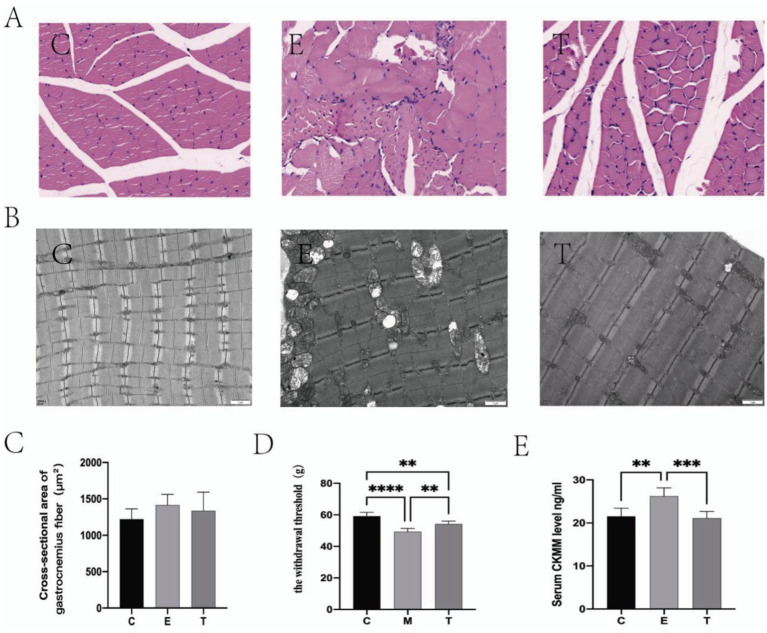 Figure 2
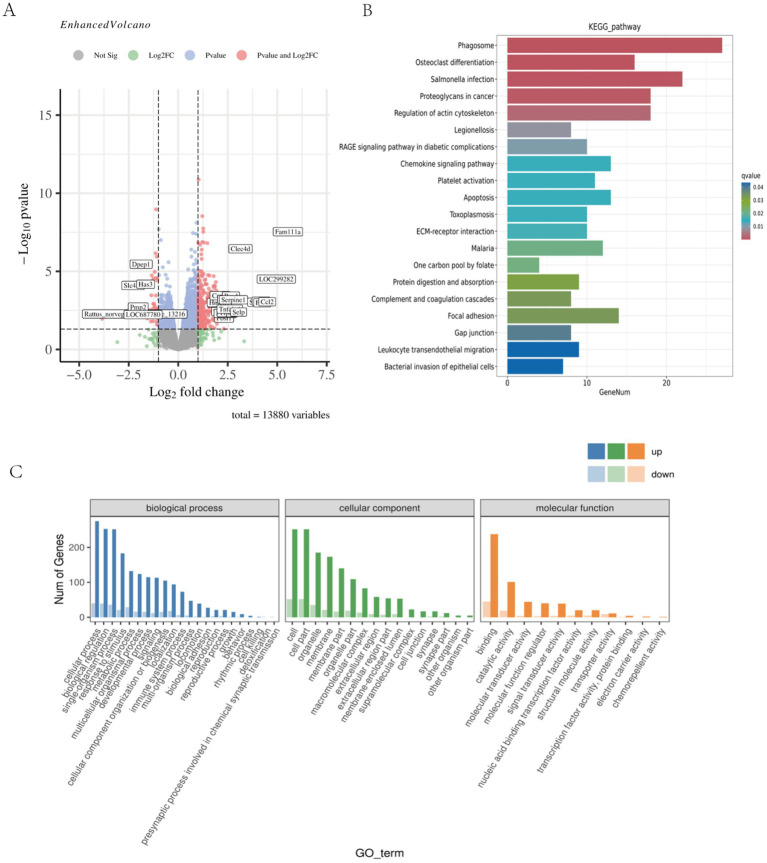 Figure 3
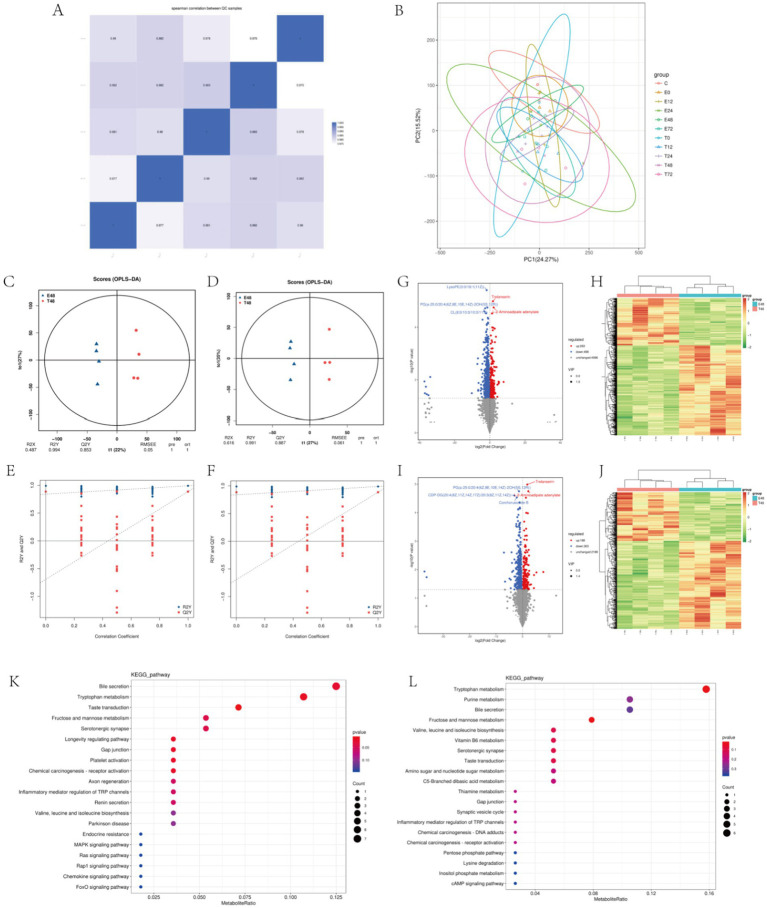 Figure 4
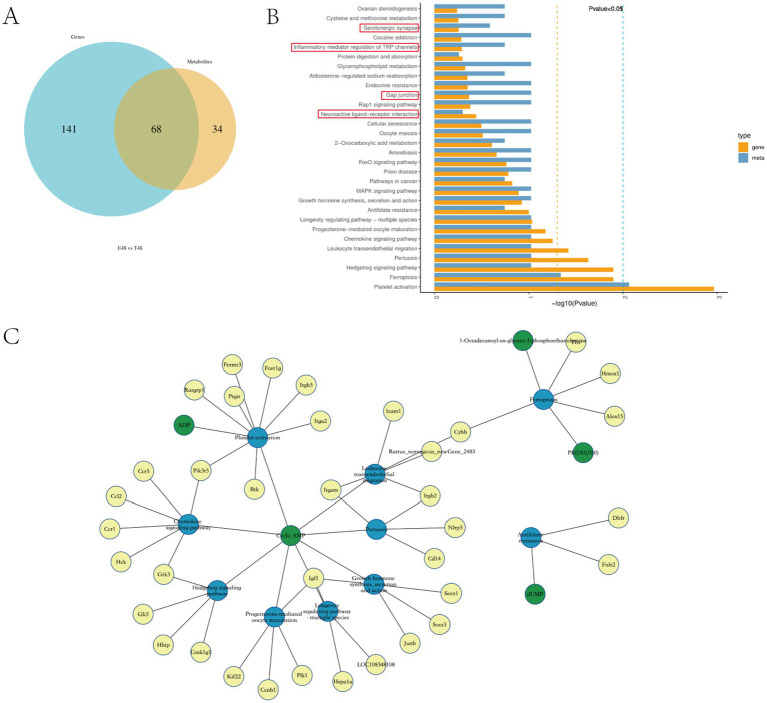 Figure 5
Peer Reviews
No public reviews on file for this paper yet. If you reviewed it on a platform where reviews are public (OpenReview, ICLR, NeurIPS, ICML), you can paste yours below so the community can read it here.
Videos
No videos yet. Explain this paper in a talk, walkthrough, or lecture? Add one.
Taxonomy
TopicsFerroptosis and cancer prognosis · Music Therapy and Health · Exercise and Physiological Responses