Qingfei Dayuan granules and decoction alleviate acute lung injury via TLR4 signaling pathway modulation, gut microbiota regulation, and metabolic reprogramming
Huanbo Cheng, Jingwen Ha, Yuanming Ba

TL;DR
This study compares two forms of Qingfei Dayuan for treating lung injury, finding they both work through gut microbes, inflammation, and metabolism changes.
Contribution
The study reveals distinct therapeutic mechanisms of Qingfei Dayuan granules and decoction in treating acute lung injury.
Findings
QFDYGs and QFDYDs both protect against ALI via TLR4 pathway modulation, gut microbiota regulation, and metabolic changes.
QFDYGs better reduce oxidative stress and inhibit the TLR4 signaling pathway compared to QFDYDs.
QFDYDs more effectively suppress pro-inflammatory cytokines and normalize metabolic changes.
Abstract
To explore and compare the therapeutic effects and underlying mechanisms of Qingfei Dayuan Granules (QFDYGs) and Qingfei Dayuan Decoctions (QFDYDs) for the treatment of acute lung injury (ALI), focusing on the modulation of the TLR4 signaling pathway, intestinal microbiota, and related metabolic pathways. The active metabolite contents were measured by ultrahigh-performance liquid chromatography. A mouse model of lipopolysaccharide-induced ALI (tracheal instillation) was used to assess efficacy. After drug administration, lung tissue damage was analyzed by hematoxylin-eosin staining and quantification of inflammatory cytokines and oxidative stress biomarkers with enzyme-linked immunosorbent assays. Components of the TLR4 signaling pathway were quantified by Western blot analysis. Intestinal flora regulation was assessed by 16S rRNA sequencing with metabolic pathway analysis via…
Genes, proteins, chemicals, diseases, species, mutations and cell lines named across the full text — each resolved to its canonical identifier and authoritative record.
Click any figure to enlarge with its caption.
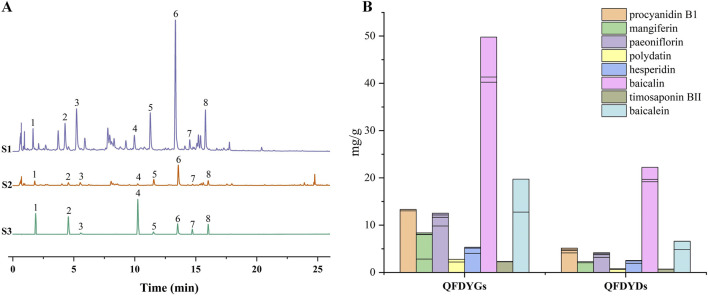 Figure 1
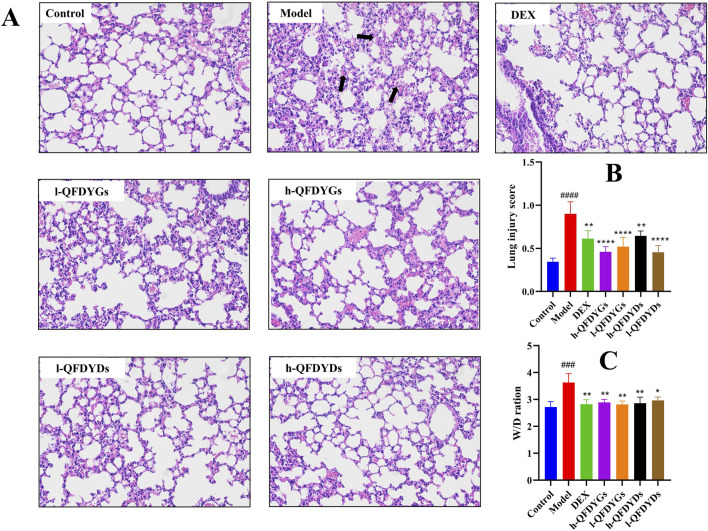 Figure 2
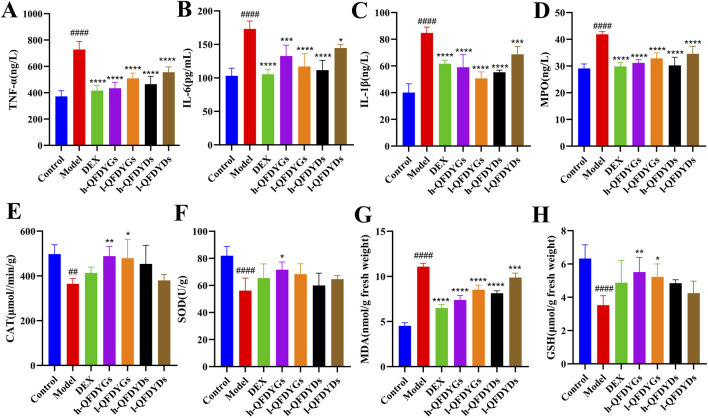 Figure 3
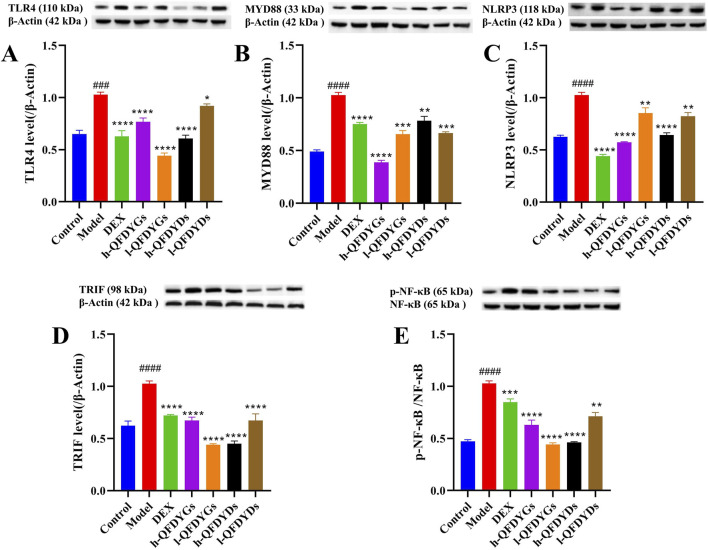 Figure 4
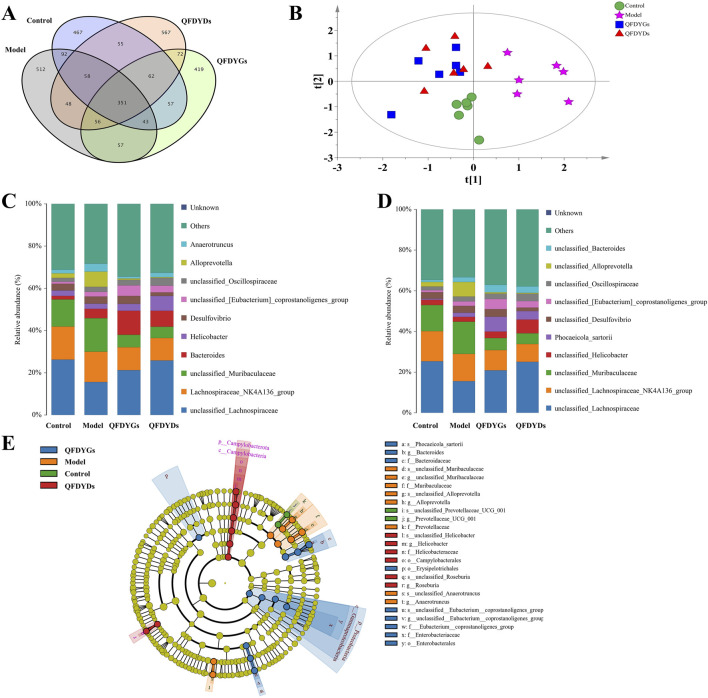 Figure 5
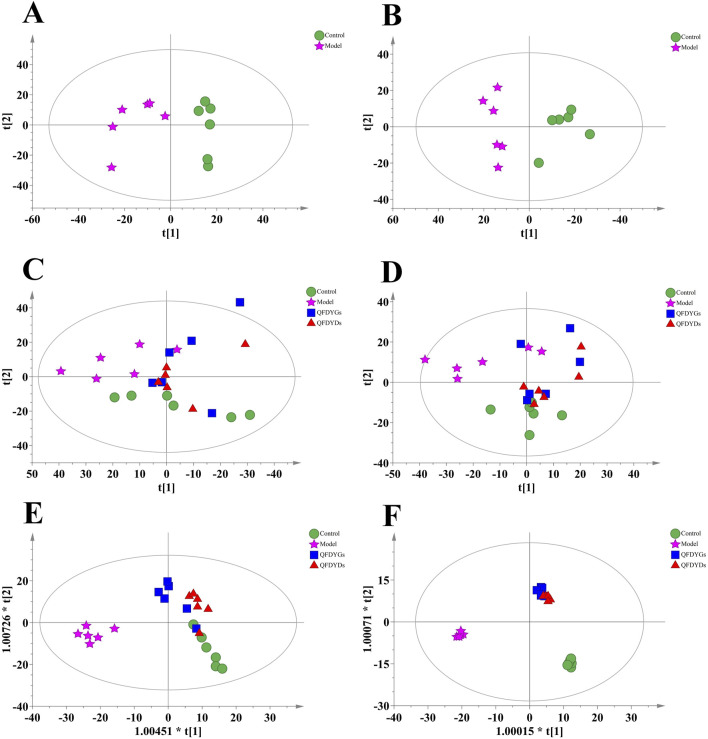 Figure 6
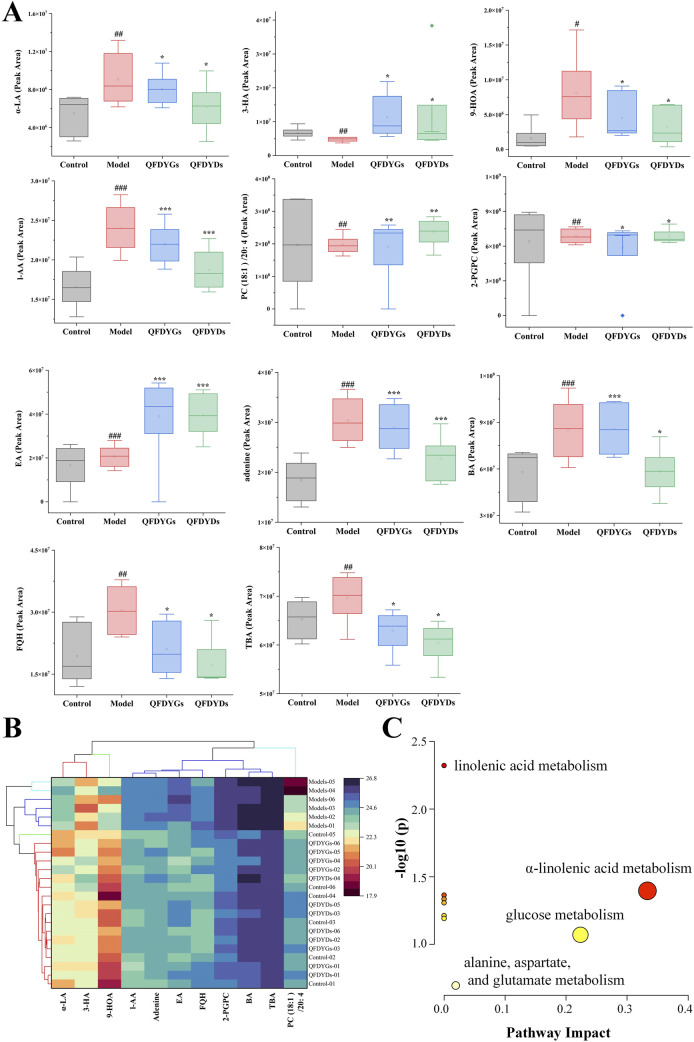 Figure 7
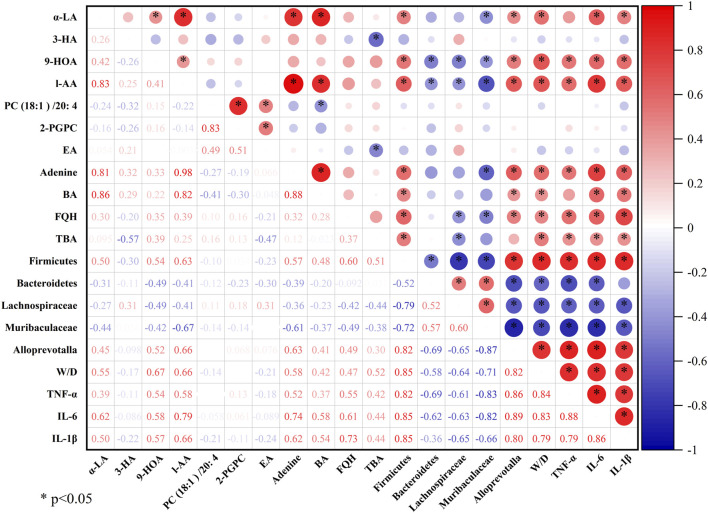 Figure 8
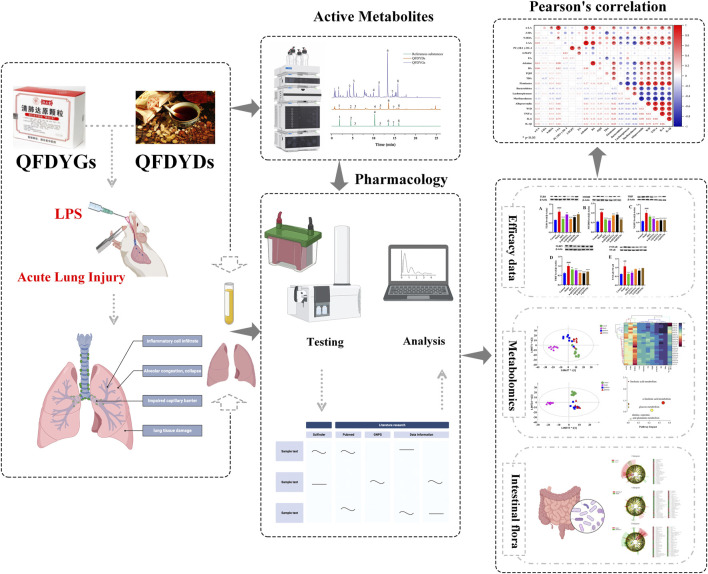 Figure 9
Peer Reviews
No public reviews on file for this paper yet. If you reviewed it on a platform where reviews are public (OpenReview, ICLR, NeurIPS, ICML), you can paste yours below so the community can read it here.
Videos
No videos yet. Explain this paper in a talk, walkthrough, or lecture? Add one.
Taxonomy
TopicsTraditional Chinese Medicine Analysis · Medicinal Plants and Bioactive Compounds · Immune Response and Inflammation