Multi-omics integration identifies ASPH and PTTG1 as potential causal drivers of lung adenocarcinoma progression and immune evasion
Kai Yang, MeiFeng Chen, Yao Wu, WenJuan Duan, Na Huang, Xia Zhao, DeYun Cheng

TL;DR
This study identifies ASPH and PTTG1 as key genes driving lung cancer progression and immune evasion, offering new targets for treatment.
Contribution
Novel integration of multi-omics data reveals ASPH and PTTG1 as causal drivers of LUAD progression and immune evasion.
Findings
ASPH and PTTG1 are linked to LUAD risk and poor prognosis with elevated protein expression in LUAD tissues.
ASPH knockdown inhibits LUAD cell proliferation, migration, and invasion.
High-risk patients have 'cold' immune microenvironments and show sensitivity to chemotherapeutics like Cisplatin and Crizotinib.
Abstract
Despite advances in therapy, lung adenocarcinoma (LUAD) remains a leading cause of cancer mortality. Angiogenesis and immune evasion critically influence LUAD progression and treatment resistance, yet epithelial-derived regulatory mechanisms and causal genes remain unclear. We employed single-cell transcriptomics (scRNA-seq) to identify angiogenesis-related epithelial-specific genes in LUAD. Mendelian randomization (MR) analyses utilizing large-scale genomic databases (eQTLGen, FinnGen) established genetic causality. A prognostic risk model was developed and validated using GEO and TCGA cohorts. Western blotting in clinical specimens and functional assays (gene knockdown, proliferation, migration, and invasion) verified core gene functions. Aspartate β-hydroxylase (ASPH) and Pituitary tumor-transforming gene 1 (PTTG1) were identified as causal genes linked to LUAD risk and poor…
Genes, proteins, chemicals, diseases, species, mutations and cell lines named across the full text — each resolved to its canonical identifier and authoritative record.
Click any figure to enlarge with its caption.
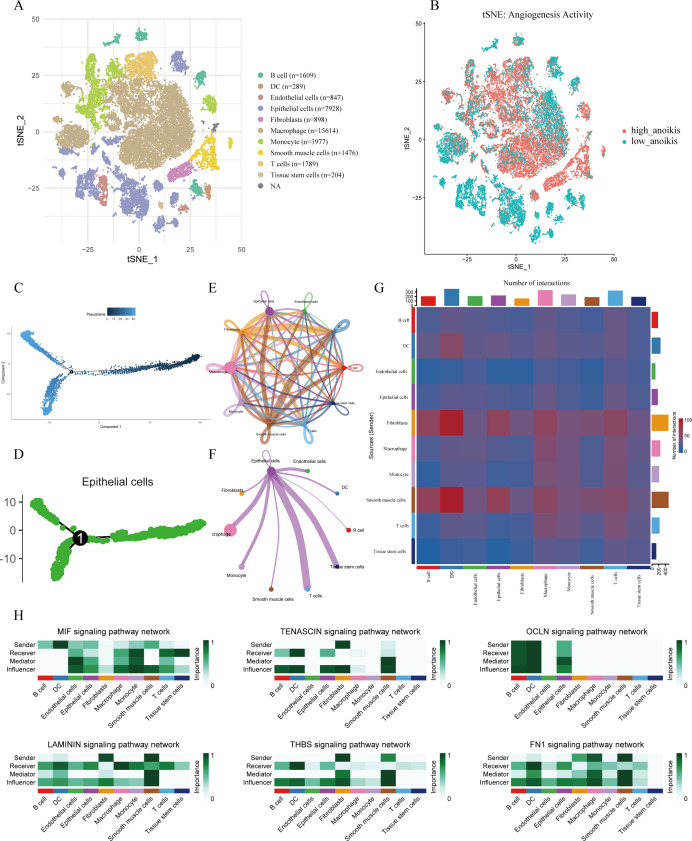 Figure 1
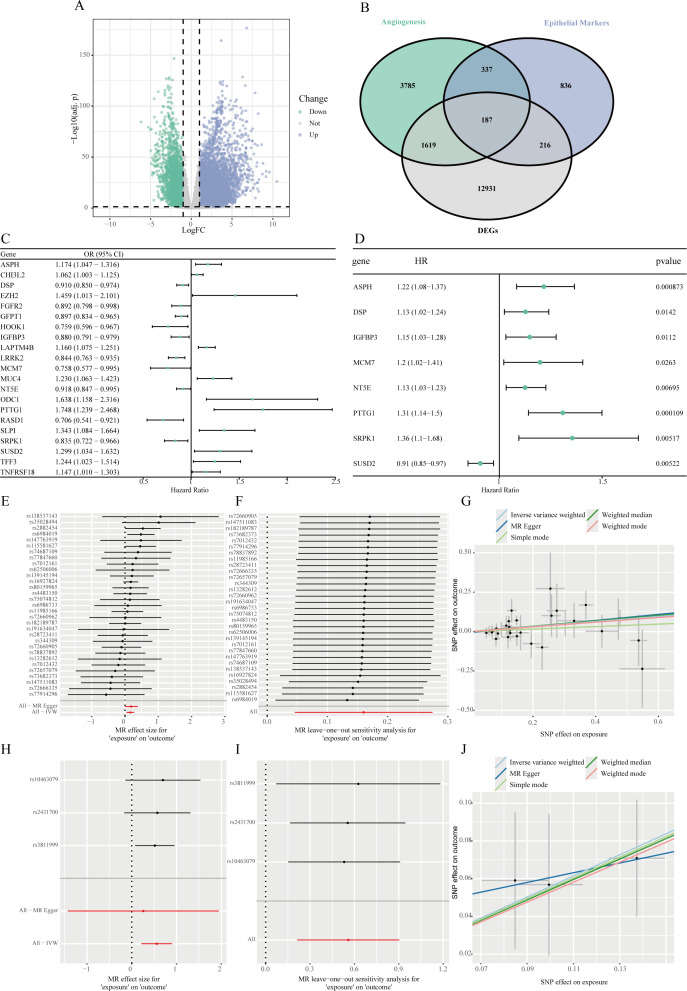 Figure 2
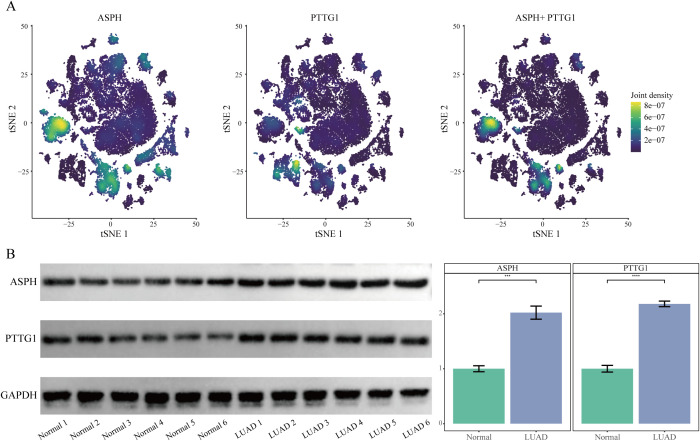 Figure 3
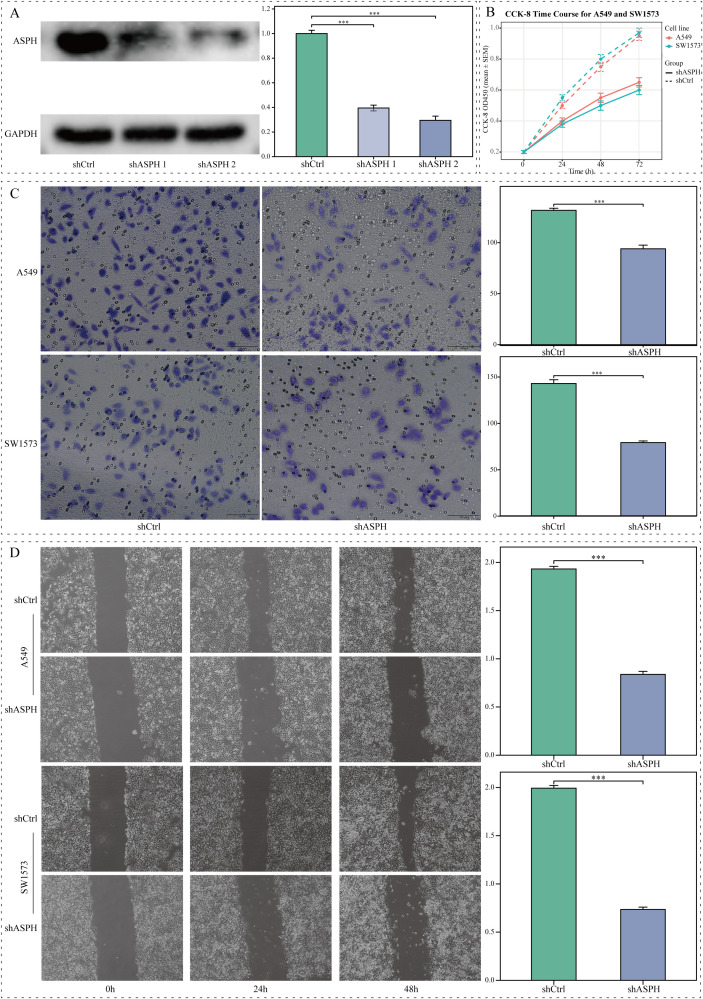 Figure 4
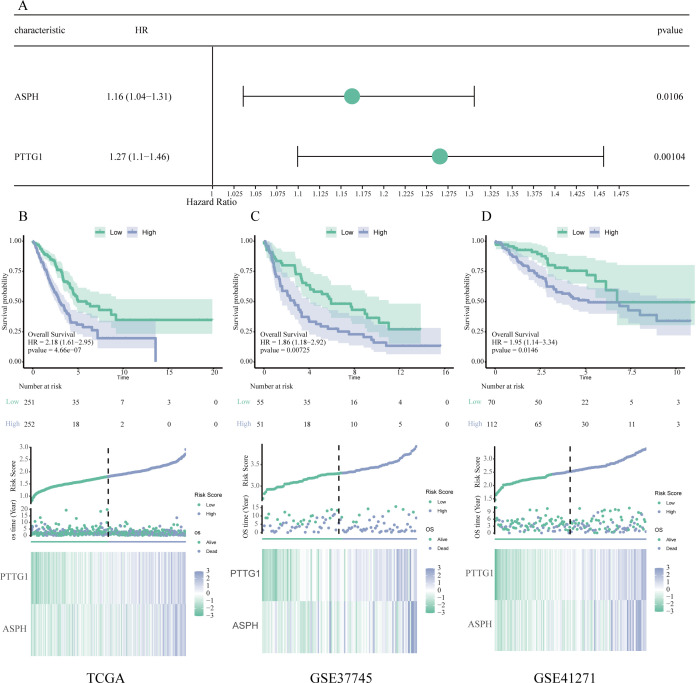 Figure 5
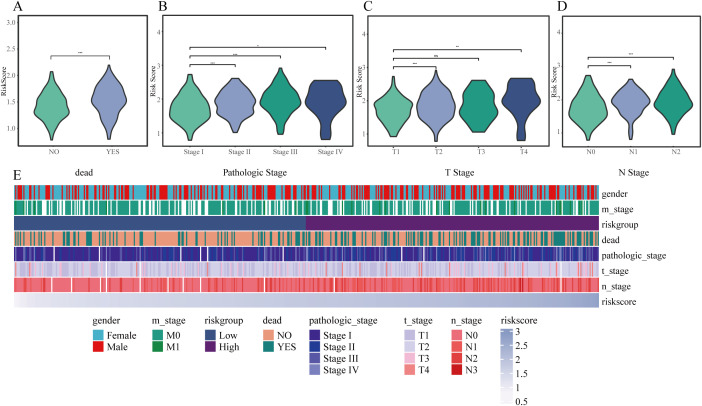 Figure 6
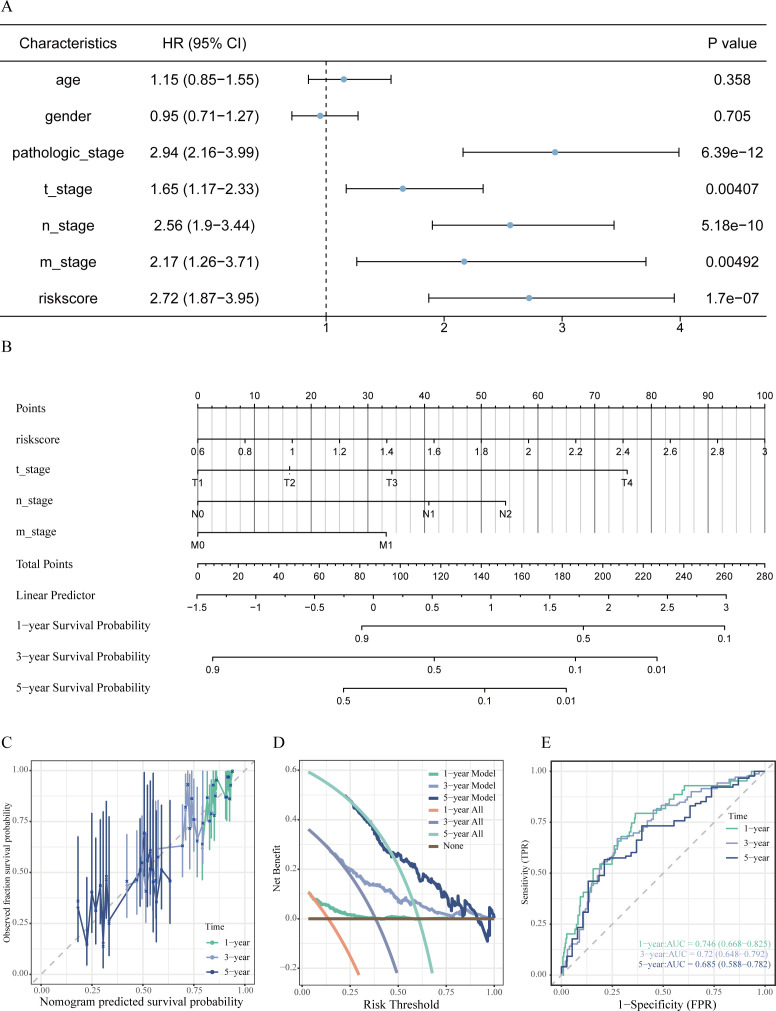 Figure 7
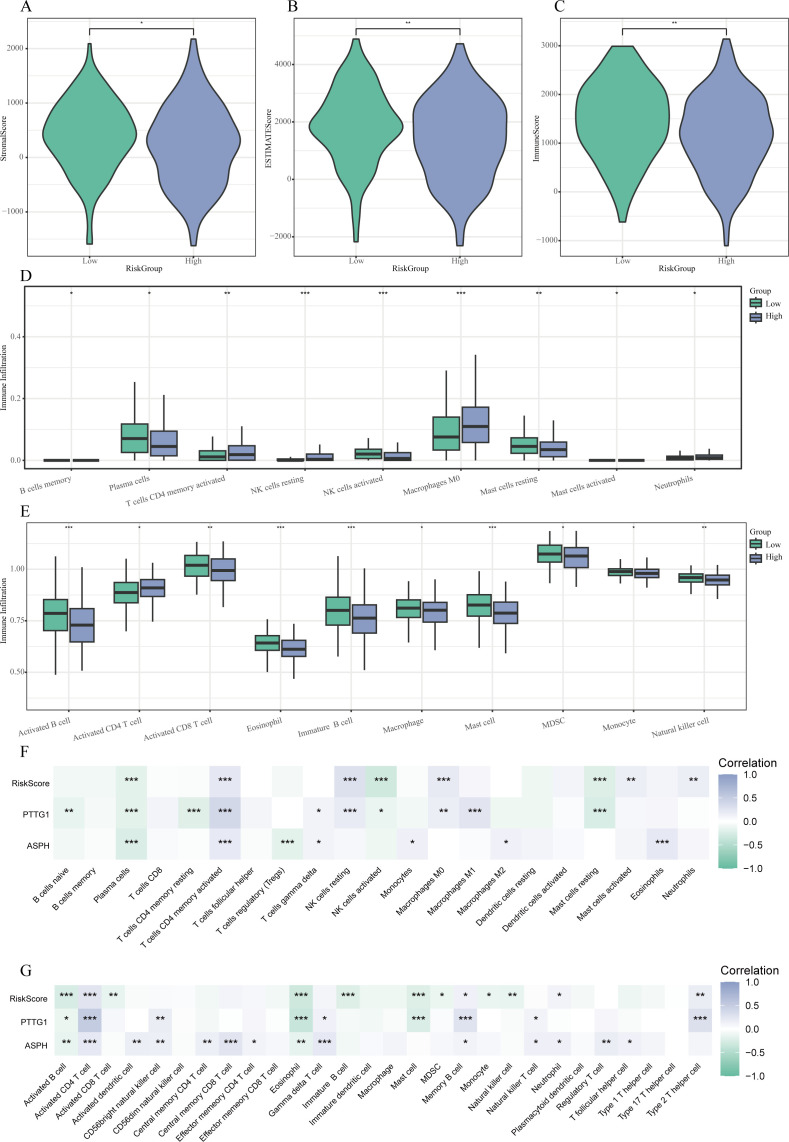 Figure 8
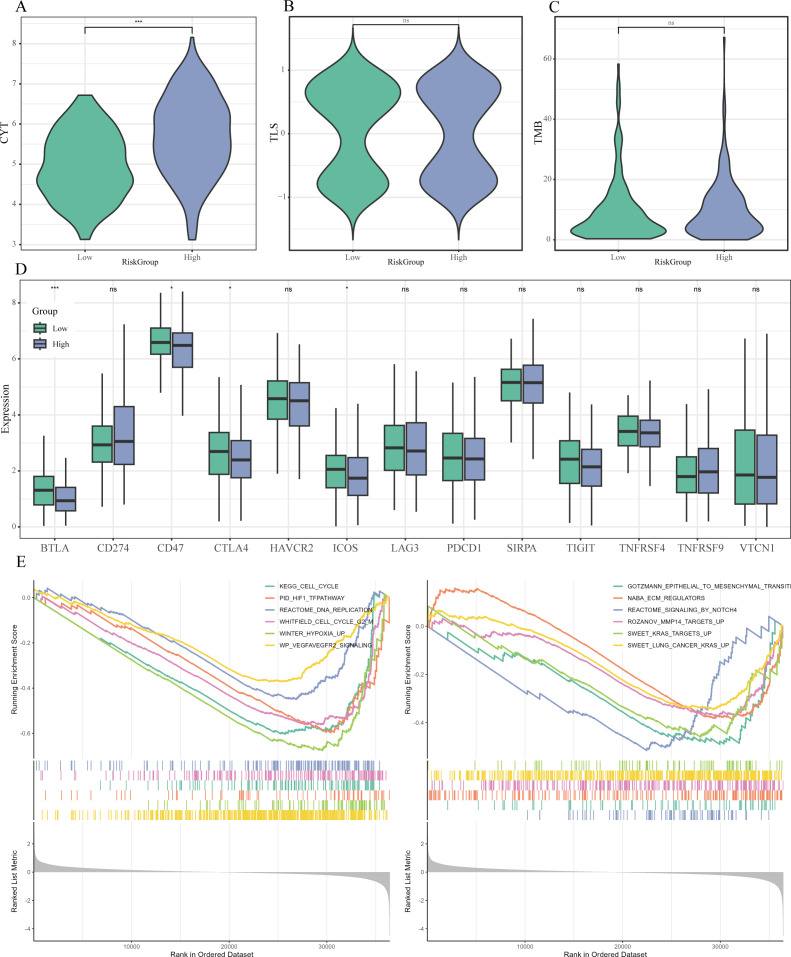 Figure 9
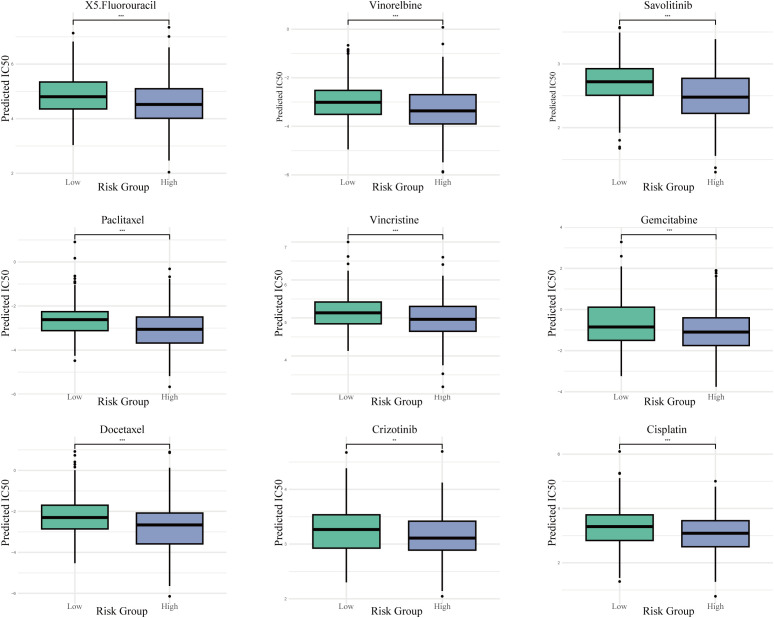 Figure 10
Peer Reviews
No public reviews on file for this paper yet. If you reviewed it on a platform where reviews are public (OpenReview, ICLR, NeurIPS, ICML), you can paste yours below so the community can read it here.
Videos
No videos yet. Explain this paper in a talk, walkthrough, or lecture? Add one.
Taxonomy
TopicsAngiogenesis and VEGF in Cancer · Pulmonary Hypertension Research and Treatments · Peptidase Inhibition and Analysis