Development and validation of a predictive nomogram for cerebral white matter hyperintensities: insights from a comprehensive clinical and laboratory analysis
Ning Li, Lijing Wang, Xiaoying Xu, Yadong Hu, Yajing Chen, Ye Jiang

TL;DR
This study developed a predictive model for cerebral white matter hyperintensities using clinical and lab data, showing good accuracy for early risk assessment.
Contribution
A validated nomogram integrating clinical and biochemical markers for predicting WMH is presented.
Findings
The model achieved an AUC of 0.783 in the training cohort and 0.762 in the validation cohort.
Key predictors included age, stroke history, hypertension, and specific biochemical markers like homocysteine.
Calibration and decision curve analysis confirmed the model's clinical utility for risk stratification.
Abstract
White matter hyperintensities (WMH) are key imaging markers of cerebral small vessel disease (CSVD), associated with cognitive decline and stroke risk. An accurate predictive model is needed for early risk assessment. This retrospective study utilized data from 587 patients undergoing cranial magnetic resonance imaging (MRI) at Hebei University’s Neurology Department. A predictive model for WMH was developed using a combination of clinical and laboratory parameters through Least Absolute Shrinkage and Selection Operator (LASSO) regression and binary logistic regression analysis. The model’s performance was evaluated using area under the receiver operating characteristic curve (AUC-ROC), calibration plots, and decision curve analysis (DCA). Key predictors included age, history of stroke, hypertension, triiodothyronine levels, albumin- globulin ratio, and homocysteine. The nomogram…
Genes, proteins, chemicals, diseases, species, mutations and cell lines named across the full text — each resolved to its canonical identifier and authoritative record.
Click any figure to enlarge with its caption.
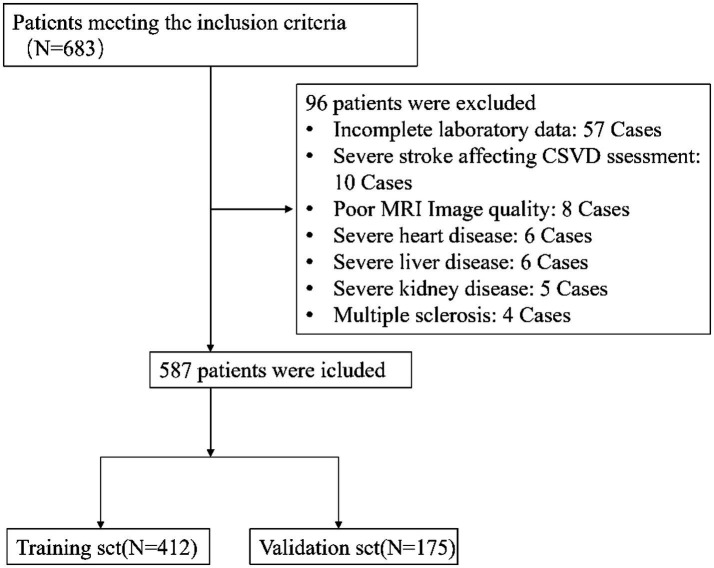 Figure 1
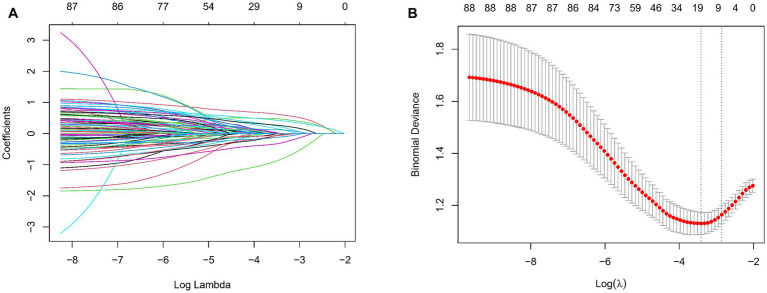 Figure 2
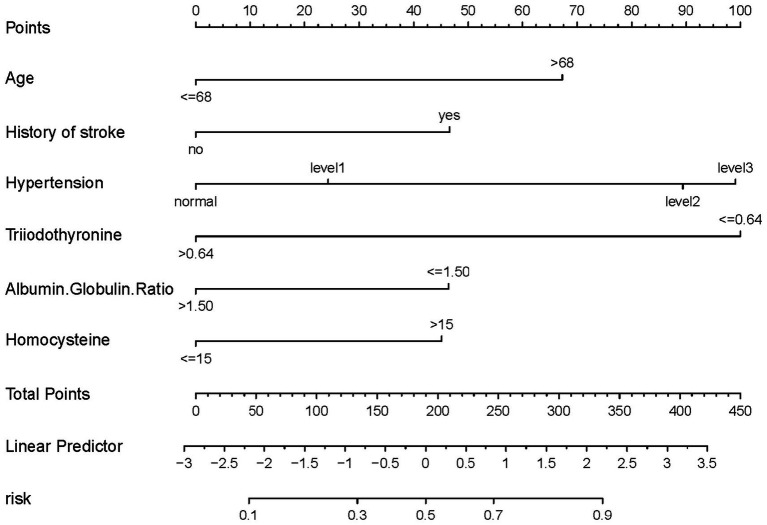 Figure 3
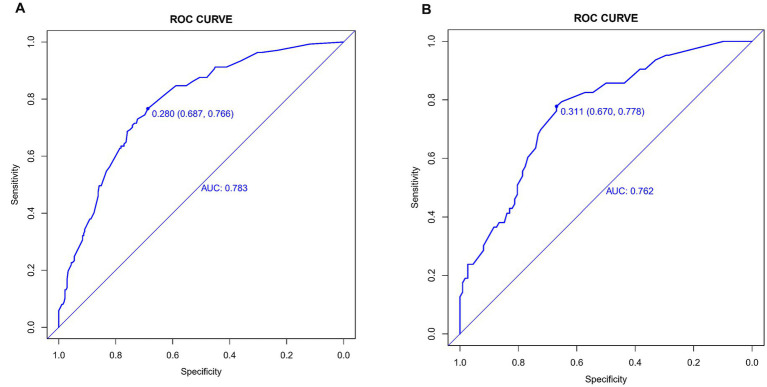 Figure 4
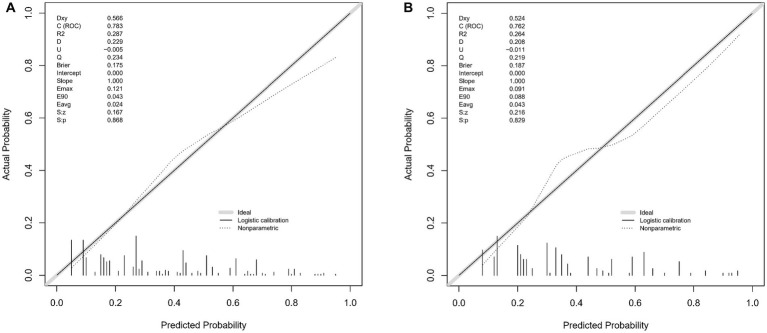 Figure 5
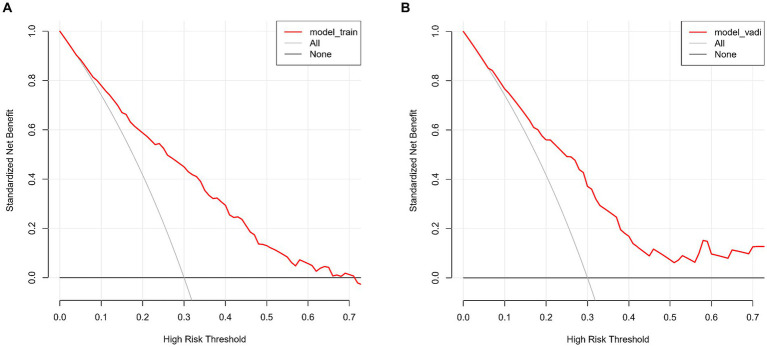 Figure 6
Peer Reviews
No public reviews on file for this paper yet. If you reviewed it on a platform where reviews are public (OpenReview, ICLR, NeurIPS, ICML), you can paste yours below so the community can read it here.
Videos
No videos yet. Explain this paper in a talk, walkthrough, or lecture? Add one.
Taxonomy
TopicsDementia and Cognitive Impairment Research · Parkinson's Disease Mechanisms and Treatments · Epilepsy research and treatment