Are emojis better? The impact of generative AI emoji cues and service outcomes on user satisfaction: evidence from ERPs
Ruxia Cheng, Rui Sun, Dong Lv, Qiuhua Zhu

TL;DR
This study explores how emojis and service outcomes affect user satisfaction with generative AI, using brain activity measurements to uncover underlying cognitive processes.
Contribution
The study introduces ERP technology to analyze real-time cognitive responses to emojis and service outcomes in GenAI interactions.
Findings
Service outcomes, not emoji presence, directly determine user satisfaction.
Emojis trigger higher emotional arousal and cognitive conflict in brain activity.
Emojis during service failure increase cognitive conflict more than during success.
Abstract
To promote the sustainable development of Generative Artificial Intelligence (GenAI) applications in the service industry, enhancing user satisfaction is key. Emojis serve as catalysts for conveying emotions and enhancing user experience in online communication. However, due to the black-box nature and unpredictability of GenAI, service providers find it challenging to control the boundaries of their application. Currently, there is ongoing debate within the academic community regarding the use of emojis in GenAI, particularly concerning emotional manipulation and experience enhancement, with further exploration needed into their effectiveness and underlying mechanisms. This study is based on the emotion as social information model and employs event-related potential (ERP) technology with high temporal resolution, which is more suitable for GenAI interaction scenarios. By measuring…
Genes, proteins, chemicals, diseases, species, mutations and cell lines named across the full text — each resolved to its canonical identifier and authoritative record.
Click any figure to enlarge with its caption.
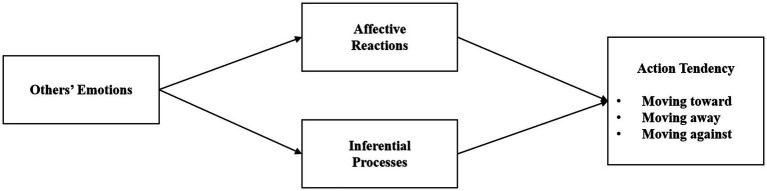 Figure 1
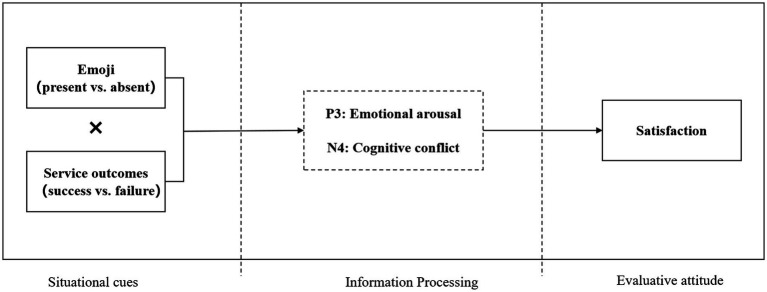 Figure 2
 Figure 3
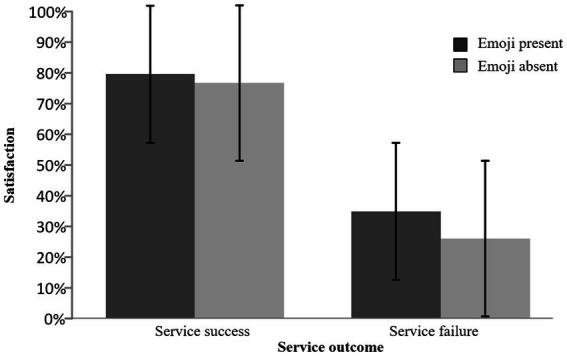 Figure 4
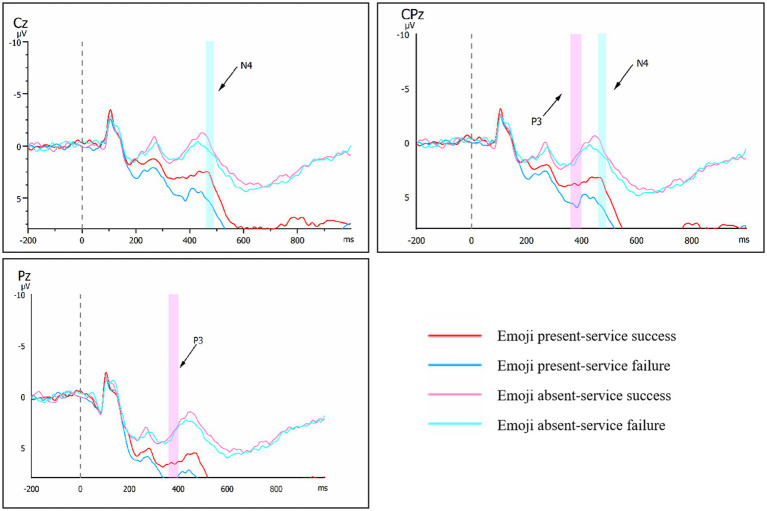 Figure 5
 Figure 6
 Figure 7
Peer Reviews
No public reviews on file for this paper yet. If you reviewed it on a platform where reviews are public (OpenReview, ICLR, NeurIPS, ICML), you can paste yours below so the community can read it here.
Videos
No videos yet. Explain this paper in a talk, walkthrough, or lecture? Add one.
Taxonomy
TopicsAI in Service Interactions · Emotion and Mood Recognition · Digital Mental Health Interventions