Judo across ages: coaches’ perspectives on key elements of intergenerational training programmes
Andrea Perazzetti, Flavia Guidotti, Laura Capranica, Envic Galea, Tibor Kozsla, Attilio Sacripanti, Nuša Lampe, Špela Lampe, Iris Spanjol, Toma Jelušić, Slavisa Bradic, Maria-Loredana Lascau, Alina Rodica-Borza, Raúl Camacho Pérez, Fernando Diéguez Rodríguez-Montero, Mesut Kapan

TL;DR
This study explores how judo can connect young and old people through shared training, based on coaches' insights.
Contribution
The study identifies key elements for designing effective intergenerational judo programs based on coaches' perspectives.
Findings
Coaches prioritize safety, skill exchange, and social interaction in intergenerational judo programs.
Demographic factors influence coaches' views on roles, communication, and motivation in these programs.
Such programs enhance mental wellbeing and foster respect, empathy, and social cohesion.
Abstract
Judo is an Olympic combat sport and martial art known for promoting physical, psychological, and social wellbeing across all ages. In line with European initiatives encouraging intergenerational activities, judo presents a valuable opportunity to connect younger and older individuals through shared physical activities. Conducted within the framework of the ERASMUS+ Sport JOY Project, this study explored judo coaches’ knowledge, opinions, and experiences to identify key components for designing effective and sustainable intergenerational judo programmes. A survey was distributed to 349 judo coaches (M = 82% and F = 18%) affiliated with international judo organisations and clubs to investigate their views on key characteristics, roles, barriers, and facilitators of intergenerational judo, as well as their coaching philosophies and educational needs. Main findings revealed that in such…
Genes, proteins, chemicals, diseases, species, mutations and cell lines named across the full text — each resolved to its canonical identifier and authoritative record.
Click any figure to enlarge with its caption.
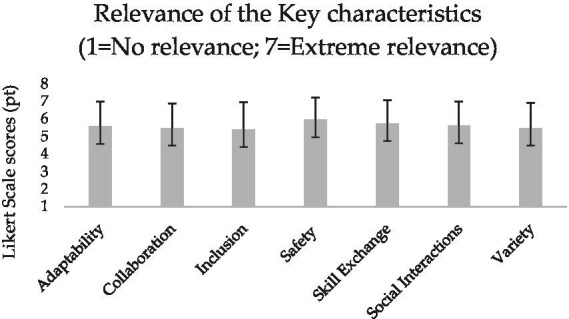 Figure 1
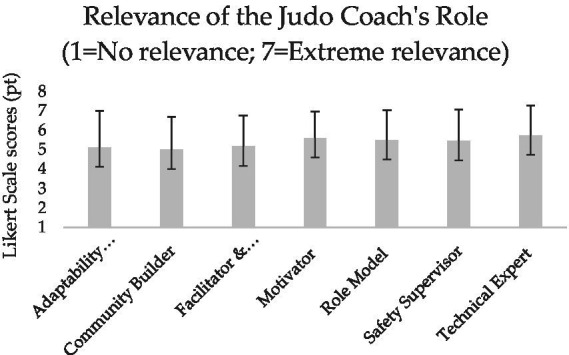 Figure 2
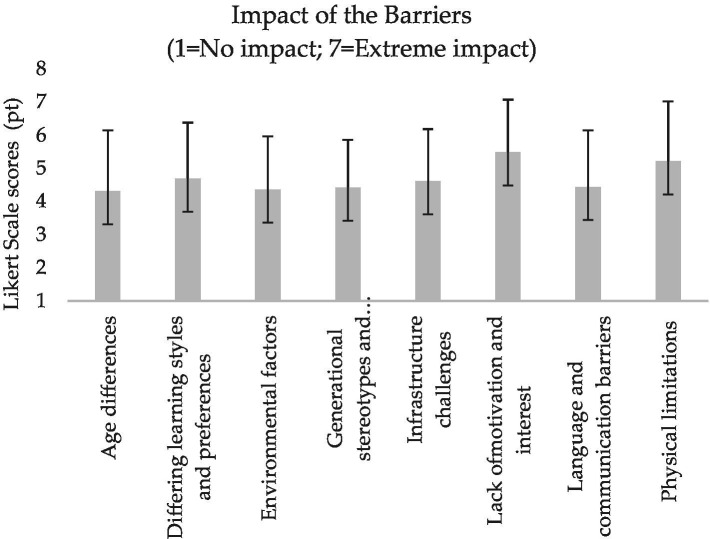 Figure 3
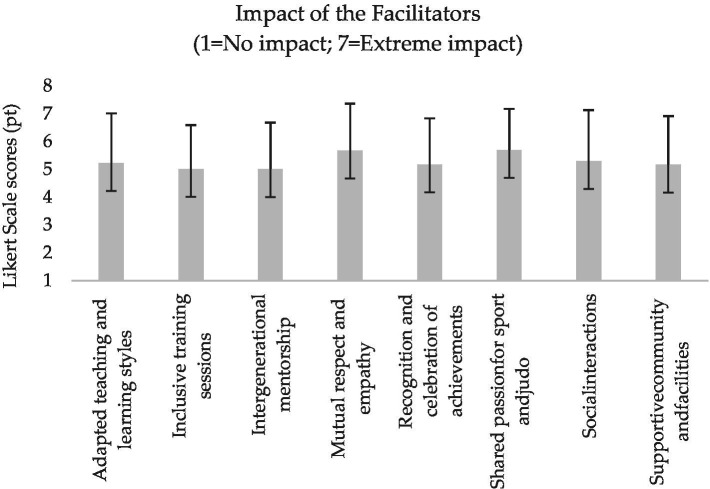 Figure 4
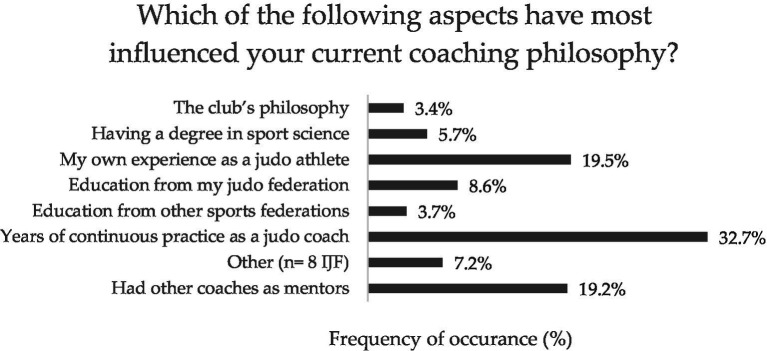 Figure 5
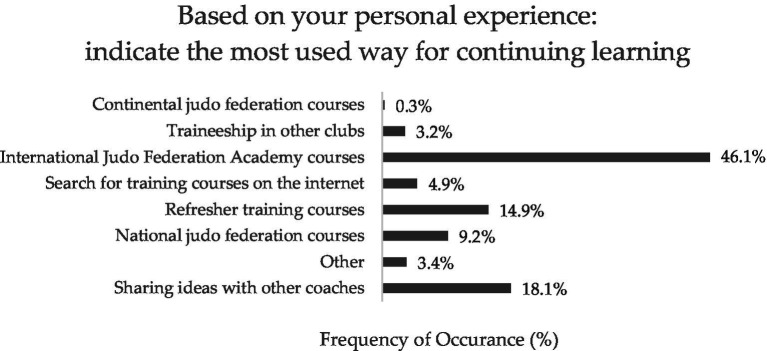 Figure 6
Peer Reviews
No public reviews on file for this paper yet. If you reviewed it on a platform where reviews are public (OpenReview, ICLR, NeurIPS, ICML), you can paste yours below so the community can read it here.
Videos
No videos yet. Explain this paper in a talk, walkthrough, or lecture? Add one.
Taxonomy
TopicsSport Psychology and Performance · Martial Arts: Techniques, Psychology, and Education · Recreation, Leisure, Wilderness Management