Application and comparison of ARIMA, LSTM, and ARIMA-LSTM models for predicting foodborne diseases in Liaoning Province
Xiaoxiao Du, Haomiao Yu, Hao Zhang, Xiangyun Liu, Xinling Yu, Tao Xie, Wenli Diao

TL;DR
This study compares different models to predict foodborne disease cases in Liaoning Province, finding that a combined ARIMA-LSTM model performs best.
Contribution
The novel contribution is the development and evaluation of an ARIMA-LSTM hybrid model for forecasting foodborne diseases.
Findings
The ARIMA-LSTM model significantly outperformed ARIMA and LSTM models in prediction accuracy.
The ARIMA-LSTM model achieved a 99% reduction in error metrics compared to the baseline model.
Predicted monthly foodborne disease cases for 2025 were generated using the ARIMA-LSTM model.
Abstract
To compare the application of the ARIMA model, the Long Short-Term Memory (LSTM) model and the ARIMA-LSTM model in forecasting foodborne disease incidence. Monthly case data of foodborne diseases in Liaoning Province from January 2015 to December 2023 were used to construct ARIMA, LSTM, and ARIMA-LSTM models. These three models were then applied to forecast the monthly incidence of foodborne diseases in 2024, and their predictions were compared with those of a baseline model. Model performance was evaluated by comparing the predicted and observed values using root mean square error (RMSE), mean absolute error (MAE), and mean absolute percentage error (MAPE), allowing identification of the optimal model. The best-performing model was subsequently employed to predict the monthly incidence for 2025. The ARIMA-LSTM model was identified as the optimal model. Specifically, the ARIMA (2,0,0)…
Genes, proteins, chemicals, diseases, species, mutations and cell lines named across the full text — each resolved to its canonical identifier and authoritative record.
Click any figure to enlarge with its caption.
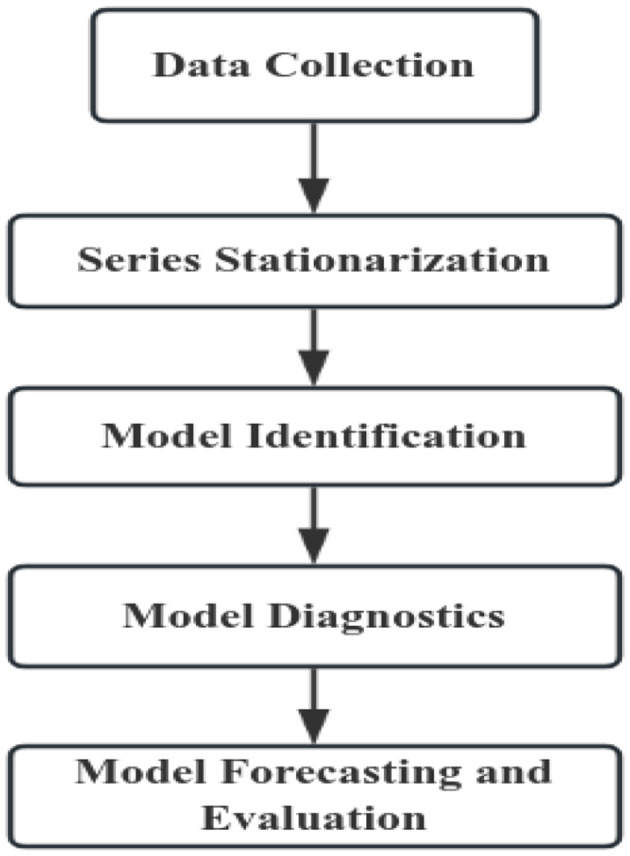 Figure 1
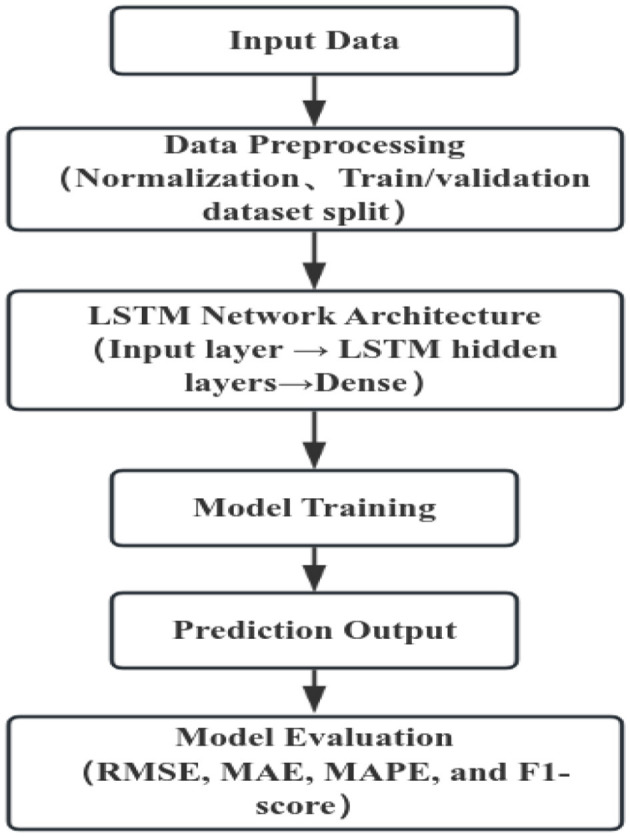 Figure 2
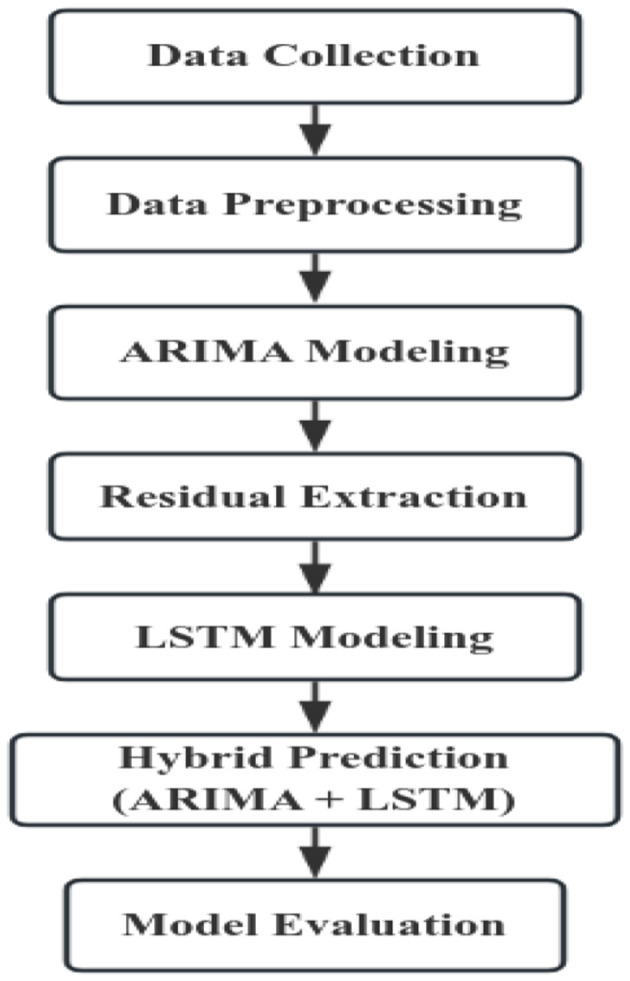 Figure 3
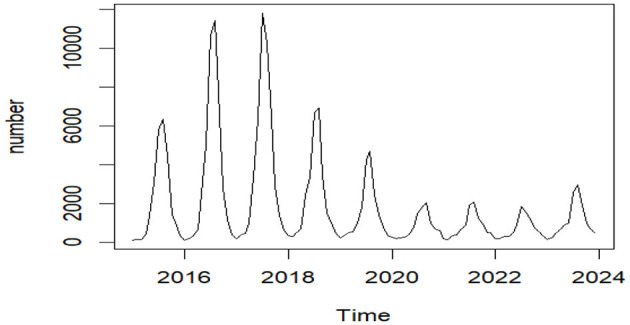 Figure 4
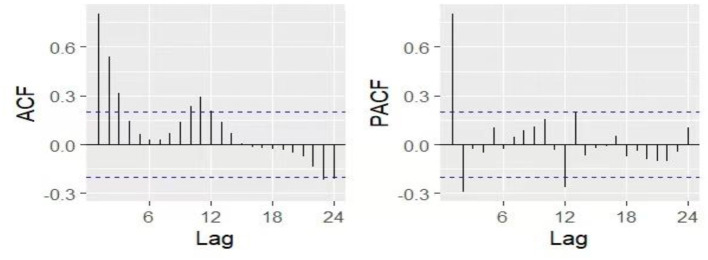 Figure 5
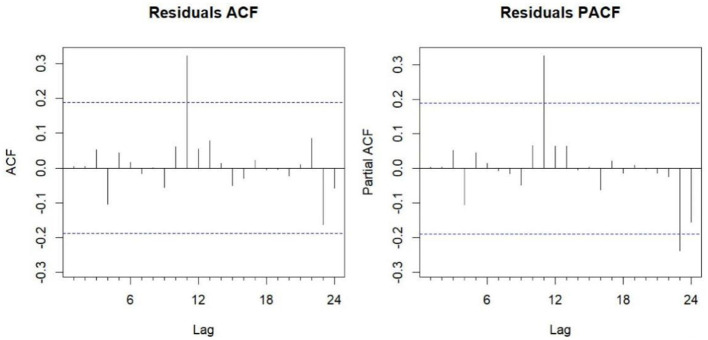 Figure 6
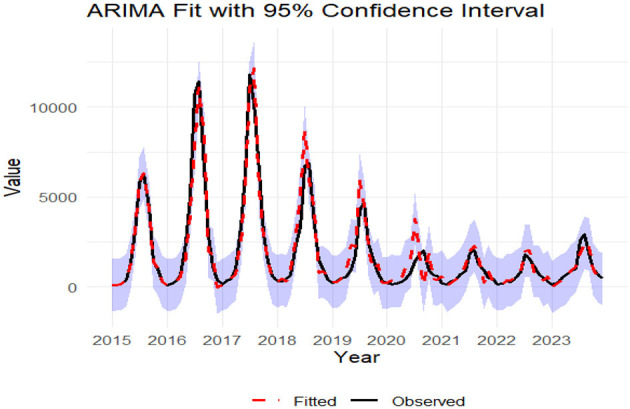 Figure 7
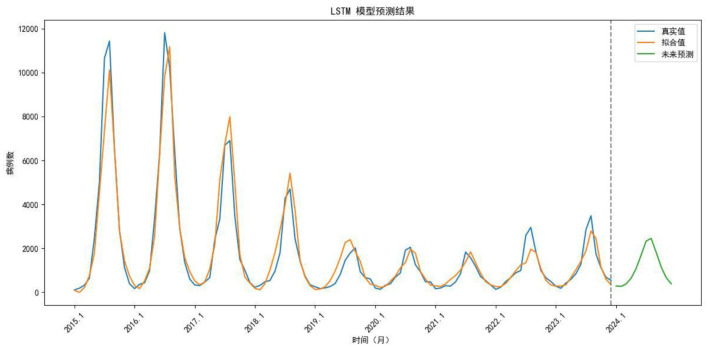 Figure 8
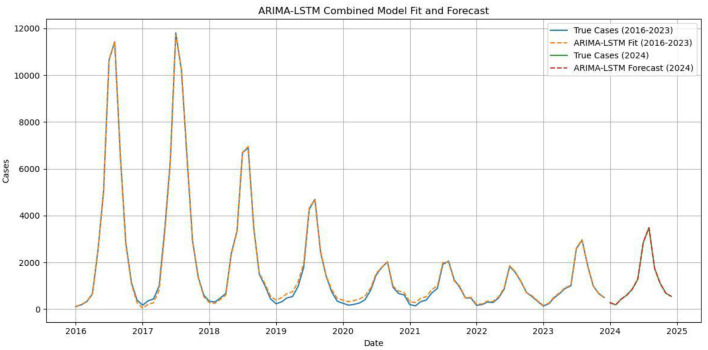 Figure 9
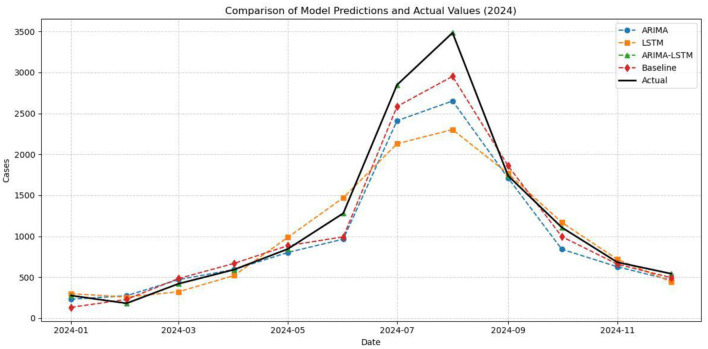 Figure 10
Peer Reviews
No public reviews on file for this paper yet. If you reviewed it on a platform where reviews are public (OpenReview, ICLR, NeurIPS, ICML), you can paste yours below so the community can read it here.
Videos
No videos yet. Explain this paper in a talk, walkthrough, or lecture? Add one.
Taxonomy
TopicsFood Safety and Hygiene · Salmonella and Campylobacter epidemiology · COVID-19 epidemiological studies