Transcriptomic analysis reveals impaired tight junction and upregulated IL-17 signaling in induced abnormal keratinization area of rumen
Tianxi Zhang, Zhiyuan Ma, Fei Li, Fenja Klevenhusen, Long Guo, Li Wang, Zhian Zhang, Shuai Jiao, Fang Luo, Tao Guo, Xinji Wang, Kaidong Li, Baocang Liu

TL;DR
This study identifies molecular changes in the rumen caused by high-grain diets, including disrupted cell connections and immune responses, leading to abnormal keratinization.
Contribution
The study reveals novel molecular mechanisms and gene expression patterns linked to abnormal keratinization in the rumen due to high-grain diets.
Findings
Downregulation of ACTR2 and SLC38A2 genes was observed in abnormal keratinization areas.
Upregulation of MMP9 and ITGB7 genes in the IL-17 signaling pathway was found, contributing to tissue damage and immune response.
Histological analysis showed reduced papillae length and stratum corneum thickness in abnormal areas.
Abstract
High-grain diets can reduce rumen pH, which may damage the process of keratinization of the ruminal stratified squamous epithelium, leading to areas of abnormal keratinization (AK). However, the comprehension of molecular biological processes leading to the development of an AK area in the rumen is limited. A total of 48 wethers (2-month-old) were fed a diet containing 48% barley and 24% starch (DM basis) to induce AK development. Rumen fluid samples were collected via an oral stomach tube at 0, 2.5, and 6 h post-morning feeding on three consecutive days (d 58, 59, and 60) to measure pH. Following a 63-day feeding period, all lambs were slaughtered, and based on macroscopic pathological observation of the rumen, they were retrospectively classified into two categories of individuals: individuals with normal rumen (INR; n = 38) and individuals with abnormal keratinization rumen (IAKR; n…
Genes, proteins, chemicals, diseases, species, mutations and cell lines named across the full text — each resolved to its canonical identifier and authoritative record.
Click any figure to enlarge with its caption.
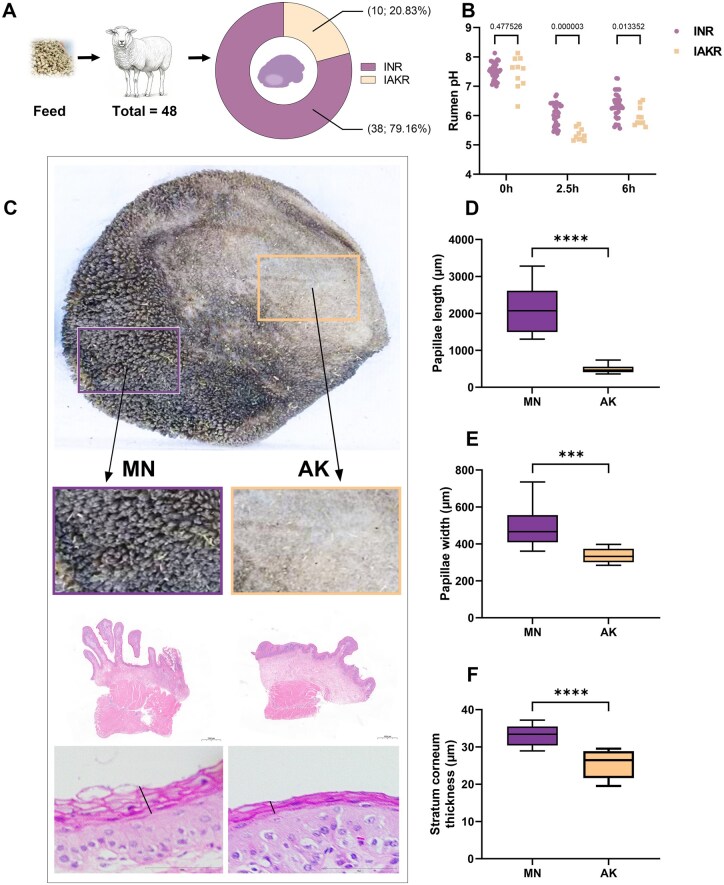 Figure 1
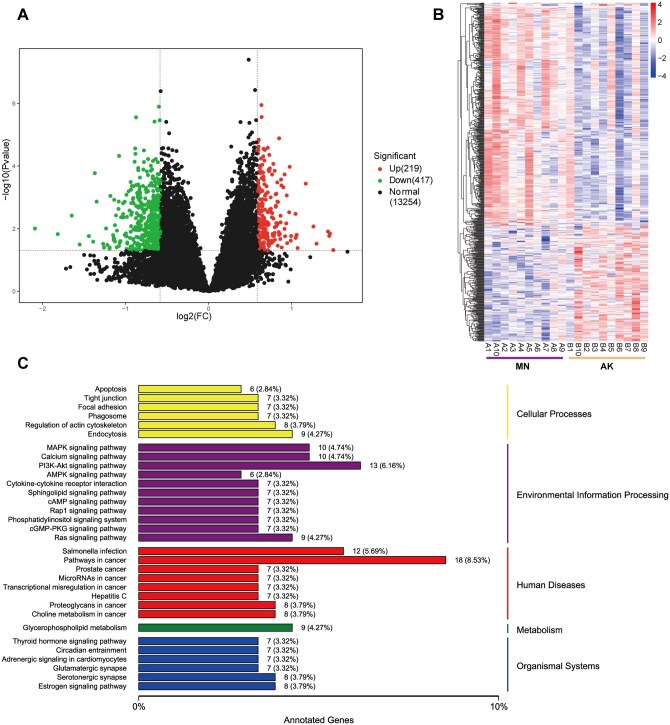 Figure 2
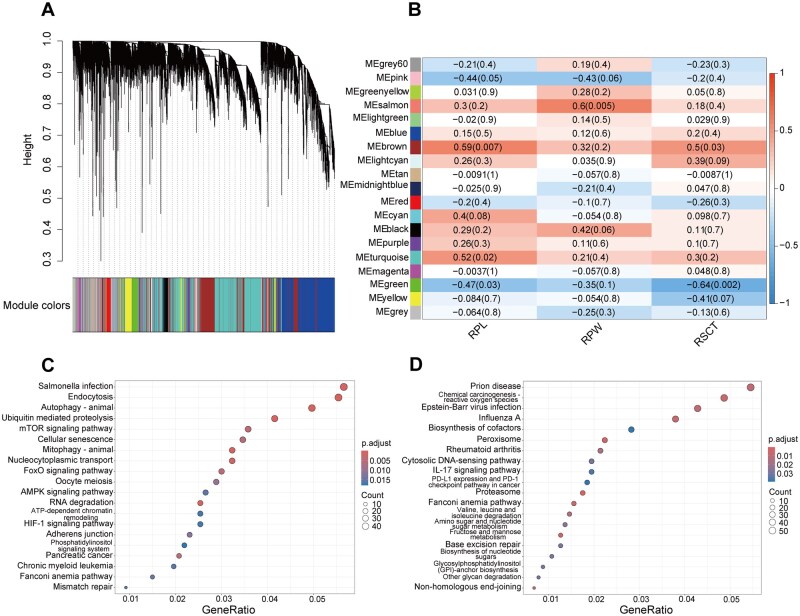 Figure 3
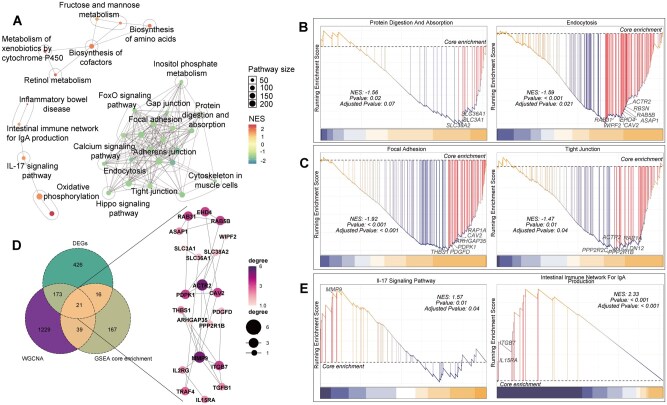 Figure 4
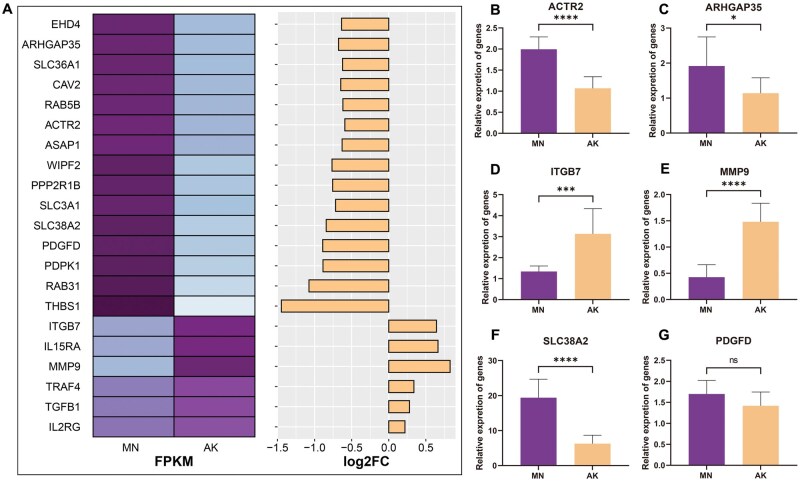 Figure 5
Peer Reviews
No public reviews on file for this paper yet. If you reviewed it on a platform where reviews are public (OpenReview, ICLR, NeurIPS, ICML), you can paste yours below so the community can read it here.
Videos
No videos yet. Explain this paper in a talk, walkthrough, or lecture? Add one.
Taxonomy
TopicsToxin Mechanisms and Immunotoxins · Ruminant Nutrition and Digestive Physiology