Microwave-assisted synthesis of 2’-hydroxychalcone derivatives in 1-decyl-3-methylimidazolium bromide ionic liquid and its computational study
Prisma Silviya Auliawati, Atthar Luqman Ivansyah, Deana Wahyuningrum

TL;DR
This paper describes a microwave-based method to synthesize chalcone derivatives in an ionic liquid, supported by computational analysis of reactivity and reaction mechanisms.
Contribution
The study combines microwave-assisted synthesis with computational reactivity analysis to optimize chalcone production in an ionic liquid.
Findings
Microwave-assisted synthesis in [DMIm]Br yielded chalcone derivatives with 65-81% efficiency.
Fukui function analysis predicted reactivity trends matching experimental yields: o-vanillin > anisaldehyde > salicylaldehyde.
Cyclization of 2,2’-dihydroxy-3-methoxychalcone occurs in two steps, with the first step being rate-determining.
Abstract
Three 2’-hydroxychalcone derivatives were synthesized via microwave-assisted organic synthesis using the ionic liquid 1-decyl-3-methylimidazolium bromide ([DMIm]Br) as the medium. The reactions, conducted at 80°C under 300 W microwave power for 10 min, yielded products with yields of 65, 72 and 81%. A computational study using density functional theory with B3LYP and ωB97X functionals examined the reactivity of precursors via Fukui function analysis. Results showed that higher reactivity of benzaldehyde derivatives correlated with increased product yields: o-vanillin > anisaldehyde > salicylaldehyde. The cyclization of 2,2’-dihydroxy-3-methoxychalcone to its flavanone derivative was also simulated, revealing a two-step mechanism with the first step being rate-determining (activation energy: 63.8 kJ mol−1). Additionally, the formation of [DMIm]Br was found to proceed through an SN2…
Genes, proteins, chemicals, diseases, species, mutations and cell lines named across the full text — each resolved to its canonical identifier and authoritative record.
Click any figure to enlarge with its caption.
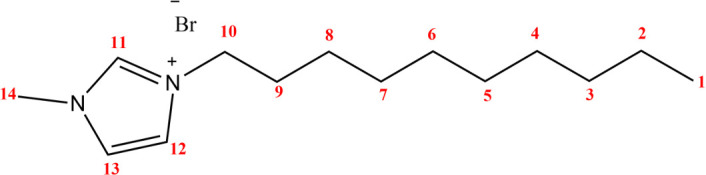 Figure 1
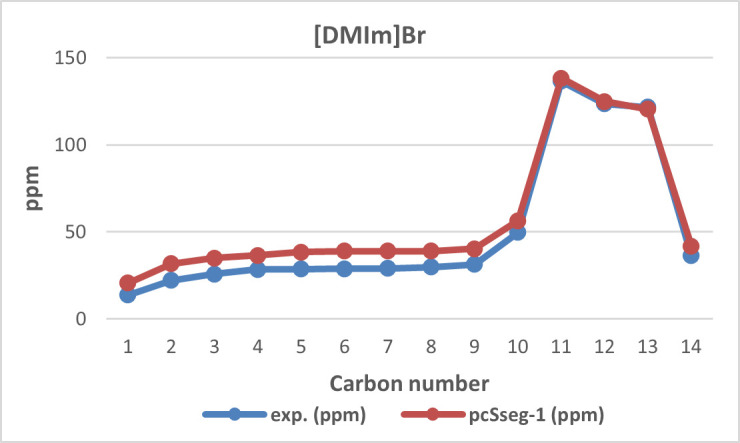 Figure 2
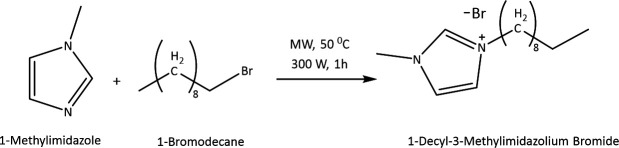 Figure 3
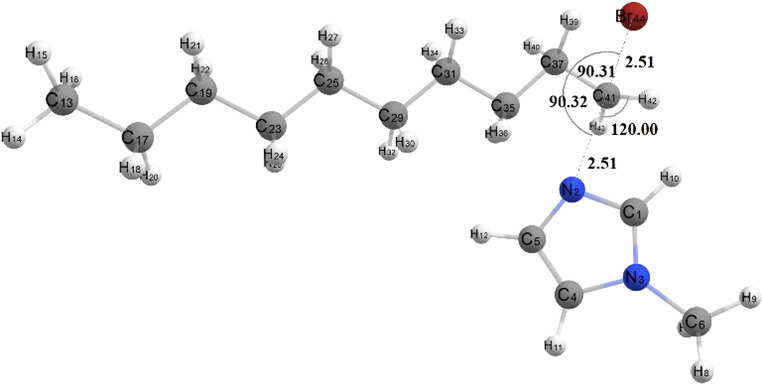 Figure 4
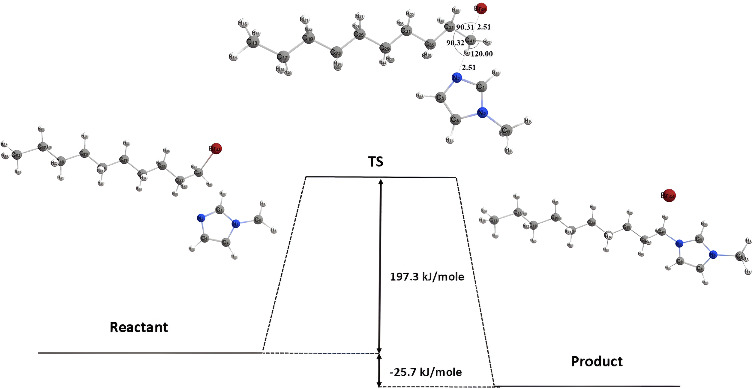 Figure 5
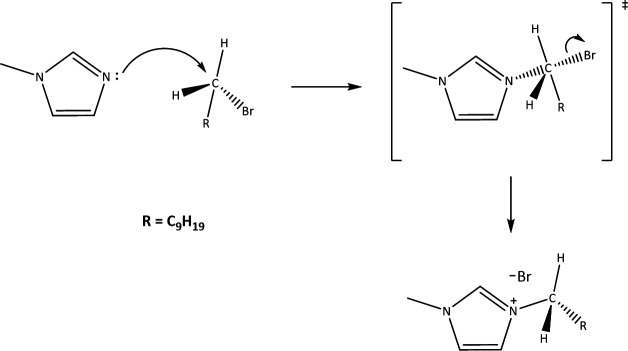 Figure 6
 Figure 7
 Figure 8
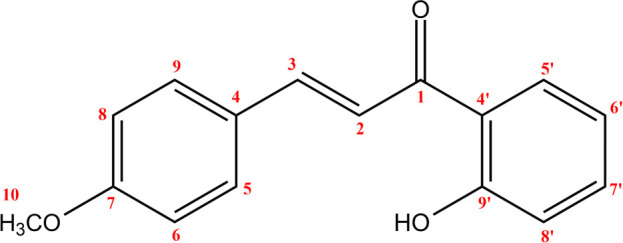 Figure 9
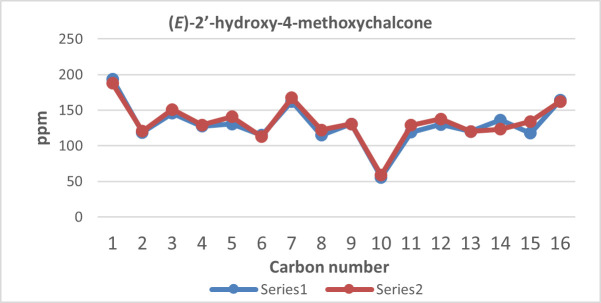 Figure 10
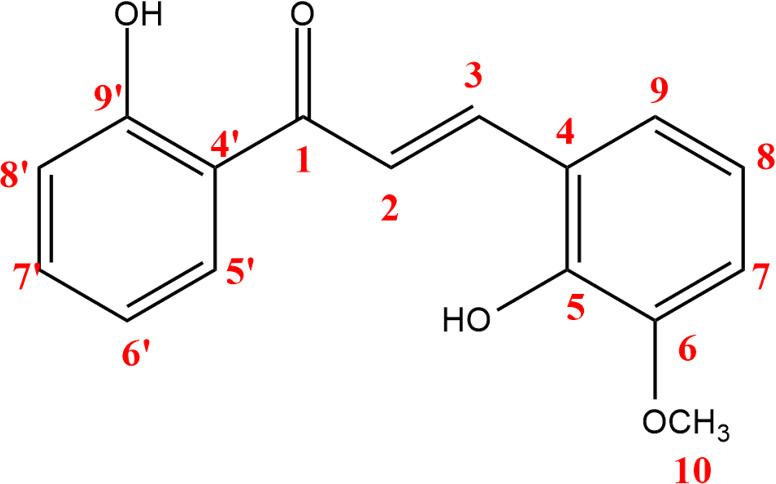 Figure 11
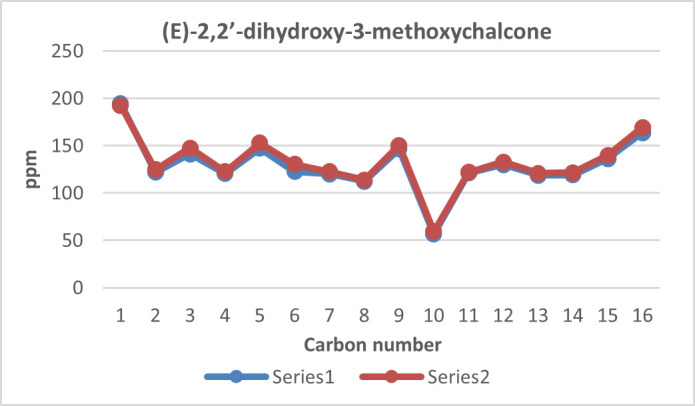 Figure 12
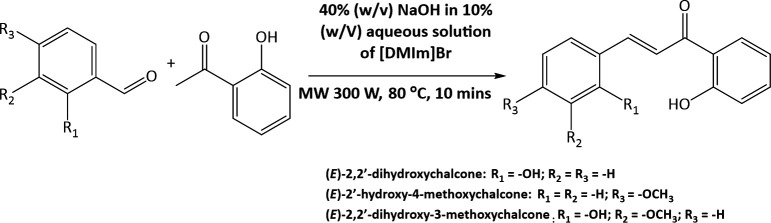 Figure 13
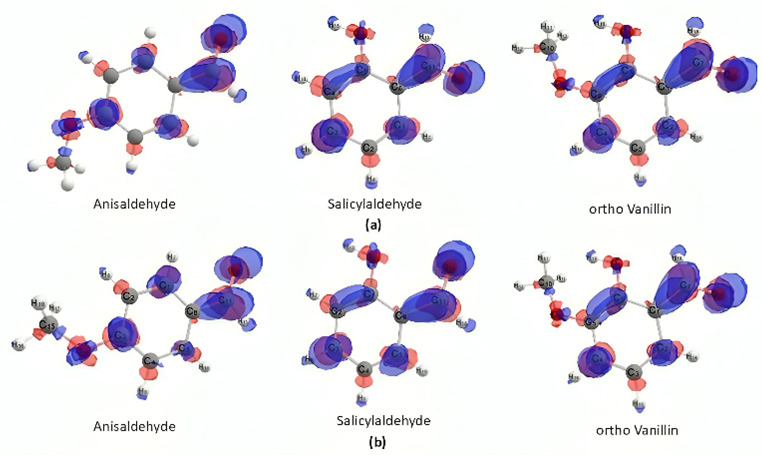 Figure 14
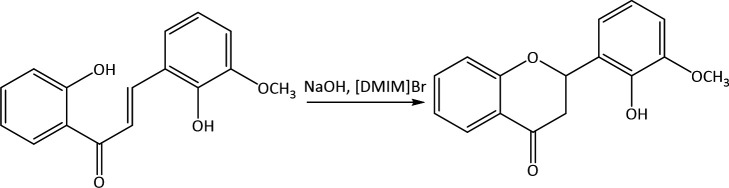 Figure 15
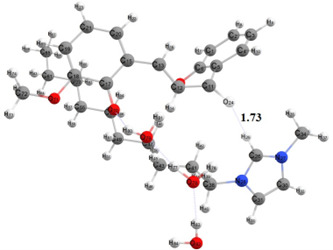 Figure 16
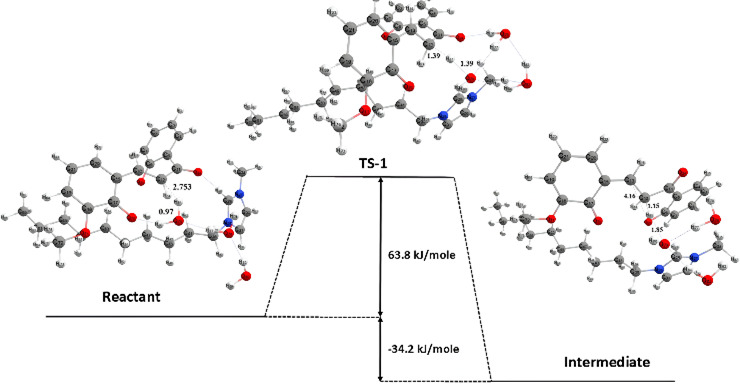 Figure 17
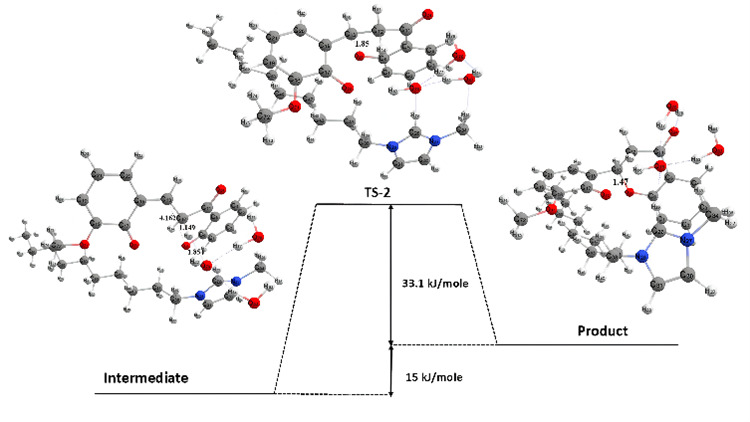 Figure 18
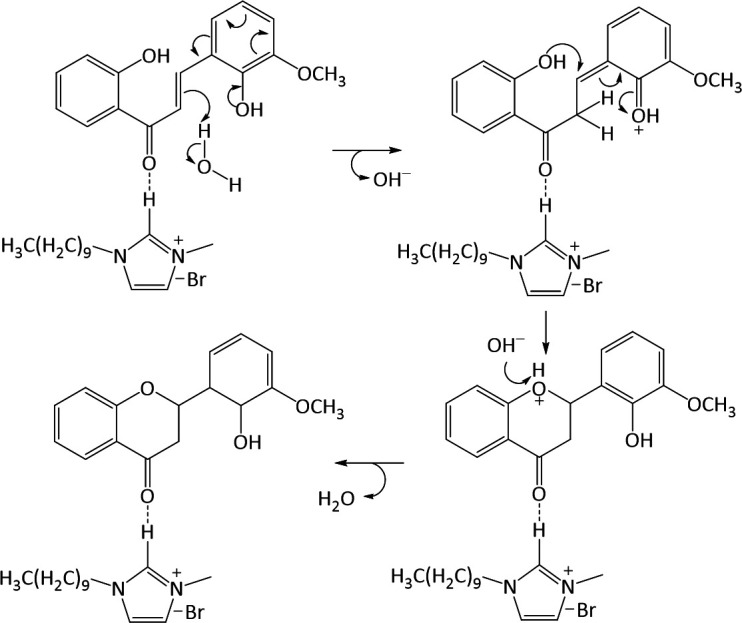 Figure 19
Peer Reviews
No public reviews on file for this paper yet. If you reviewed it on a platform where reviews are public (OpenReview, ICLR, NeurIPS, ICML), you can paste yours below so the community can read it here.
Videos
No videos yet. Explain this paper in a talk, walkthrough, or lecture? Add one.
Taxonomy
TopicsMicrowave-Assisted Synthesis and Applications · Synthesis and biological activity · Multicomponent Synthesis of Heterocycles