Comparing the kinematics related to inflicted head injury between violent shaking of a 6-week-old and a 1-year-old infant surrogate
Kim Hutchinson, Arne Stray-Pedersen, Jenny Dankelman, Ajay Seth, Arjo J. Loeve

TL;DR
This study compares how shaking affects younger and older infant dummies, finding that shaking younger infants may cause more dangerous head movements linked to injury.
Contribution
The study introduces new empirical evidence on age-related differences in shaking-induced kinematics relevant to infant head injury.
Findings
Participants induced higher head and torso accelerations when shaking the 6-week-old dummy.
Higher peak sagittal angular accelerations were observed in the 6-week-old dummy due to smaller radii of rotation.
Shaking younger infants may be more likely to cause kinematics associated with inflicted head injury.
Abstract
Annually, 14–41 per 100 000 infants get mildly to lethally injured or severely disabled through violent shaking. The incidence and mortality of inflicted head injury by shaking trauma (IHI-ST) are highest in the early months and decrease with age. This may partly be due to the age-related physical characteristics of infants. Younger, smaller infants are more vulnerable owing to their size and material properties. In addition, from basic biomechanics, it is expected that larger or heavier infants may be more difficult to fiercely shake and will exhibit different motion patterns when being shaken violently. Therefore, the aim of this study was to compare the kinematics of shaking a smaller versus a larger infant dummy. We recorded the kinematics of two dummies, representing a 6-week-old and a 1-year-old, while they were violently shaken by volunteers. We found that participants induced…
Genes, proteins, chemicals, diseases, species, mutations and cell lines named across the full text — each resolved to its canonical identifier and authoritative record.
Click any figure to enlarge with its caption.
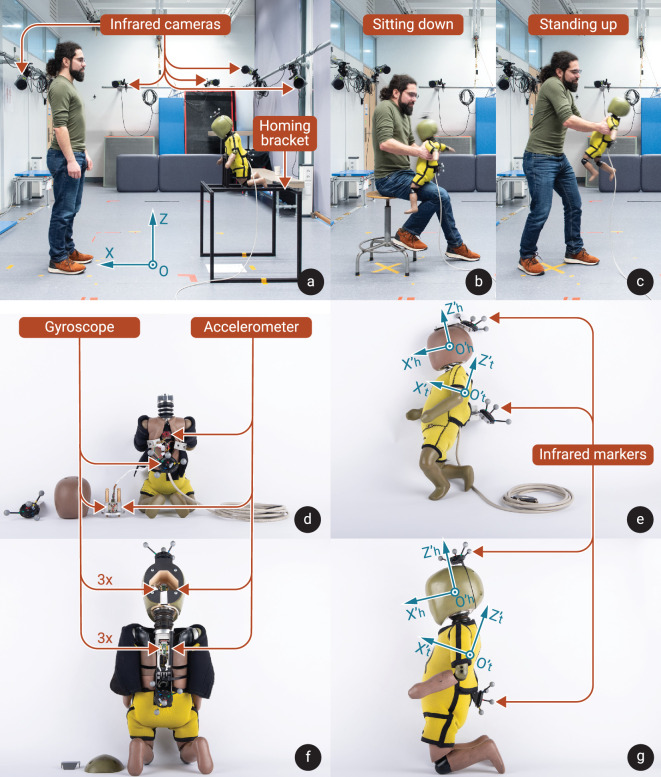 Figure 1
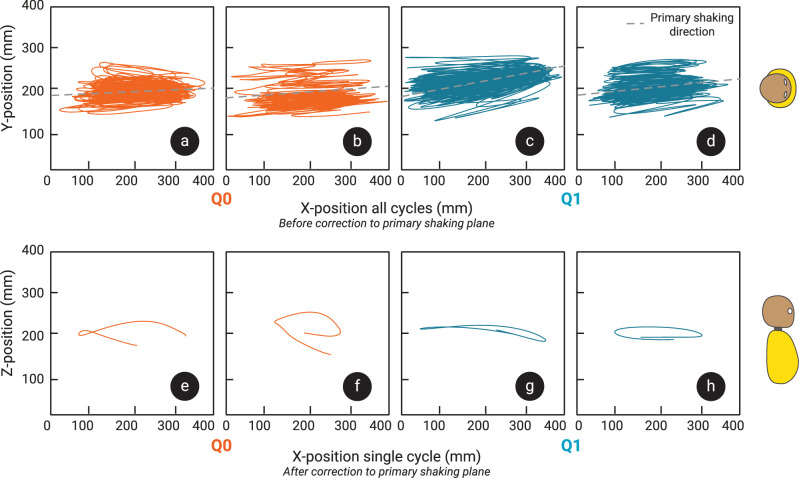 Figure 2
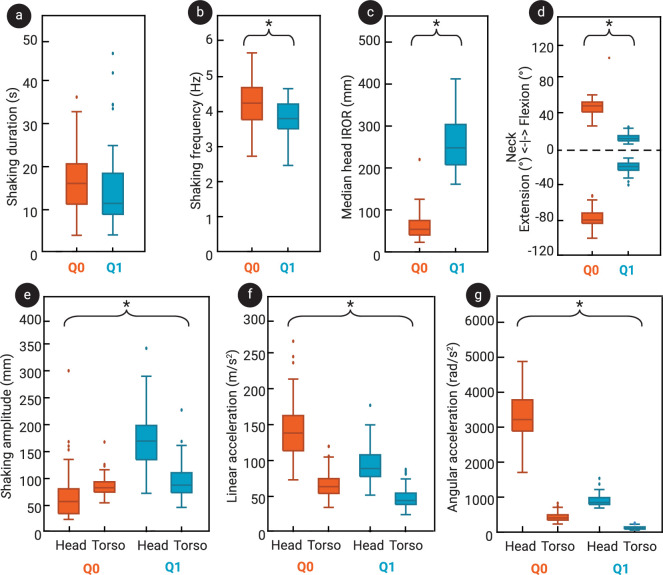 Figure 3
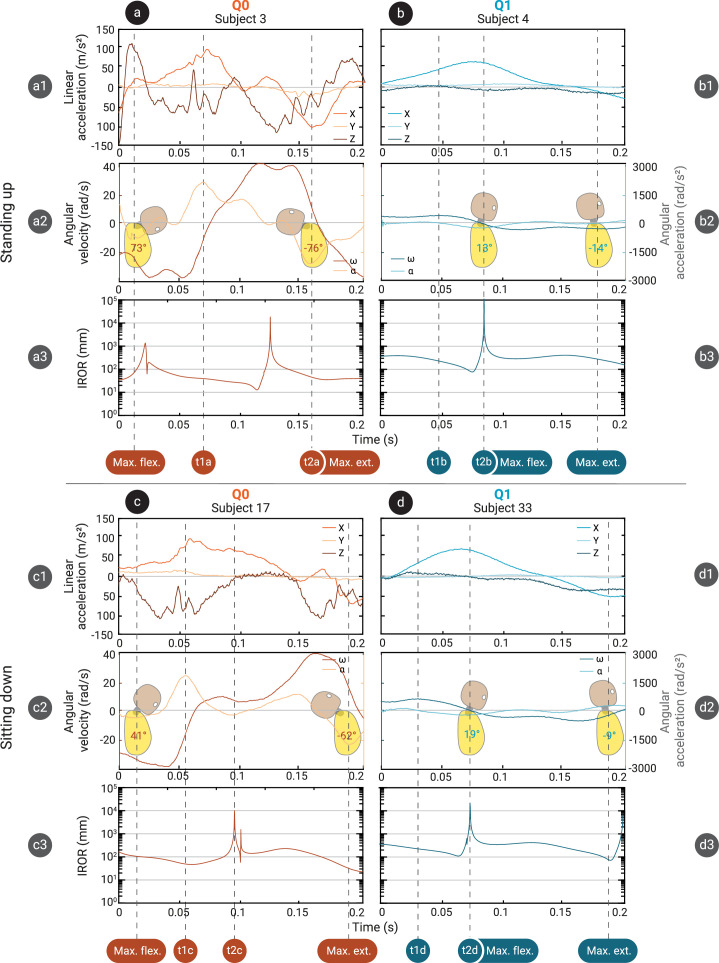 Figure 4
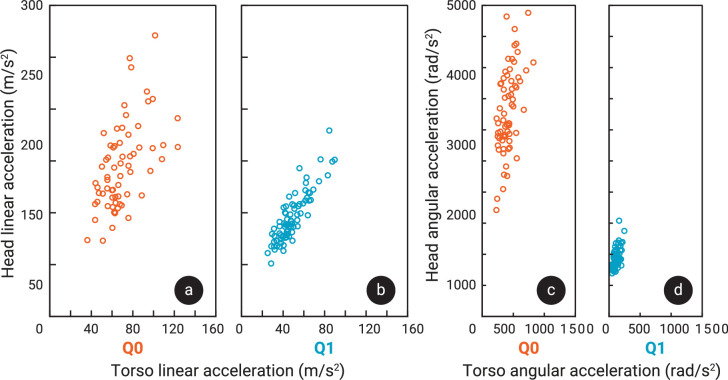 Figure 5
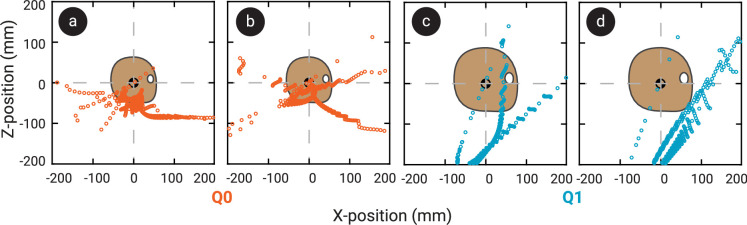 Figure 6
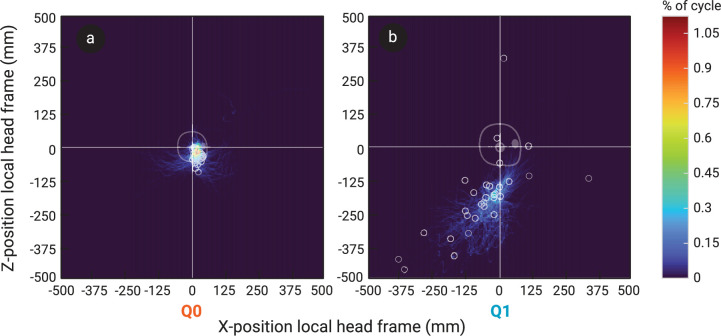 Figure 7
Peer Reviews
No public reviews on file for this paper yet. If you reviewed it on a platform where reviews are public (OpenReview, ICLR, NeurIPS, ICML), you can paste yours below so the community can read it here.
Videos
No videos yet. Explain this paper in a talk, walkthrough, or lecture? Add one.
Taxonomy
TopicsChild Abuse and Related Trauma · Homicide, Infanticide, and Child Abuse · Automotive and Human Injury Biomechanics