Eco-innovative dyeing of cotton with upcycled pineapple peel waste-derived natural dye
Kasindu Pramod, Gayara Perera, Nethmini Wijesundara, Nuwan De Silva

TL;DR
This paper explores using pineapple peel waste as a natural dye for cotton, finding it effective and sustainable.
Contribution
The study introduces an optimized alkaline extraction method for dyeing cotton with pineapple peel waste.
Findings
Alkaline extraction yielded 35–40% colorant, outperforming organic solvents.
Tannic acid mordant achieved the highest color strength compared to metallic mordants.
Dyeing with pineapple peel waste showed good fastness properties and fiber penetration.
Abstract
Pineapple (Ananas comosus) peel, an abundant agro-industrial by-product, offers significant potential as a sustainable natural dye for textile applications. This study optimized colourant extraction using an alkaline–water system and evaluated dyeing performance on cotton fabrics. Statistical optimization through four-factor linear regression identified optimal conditions: mass-to-liquid ratio of 1 : 10, 12% NaOH, 80°C and 2 h extraction time, yielding 35–40% colourant, significantly outperforming organic solvents (<1%). High-performance liquid chromatography analysis revealed distinctive polyphenolic profiles between alkaline and water extraction methods, demonstrating altered compound distribution and enhanced extraction efficiency under alkaline conditions. Thermogravimetric analysis revealed dye stability up to 160°C, while particle size analysis showed a mean size of 266 nm,…
Genes, proteins, chemicals, diseases, species, mutations and cell lines named across the full text — each resolved to its canonical identifier and authoritative record.
Click any figure to enlarge with its caption.
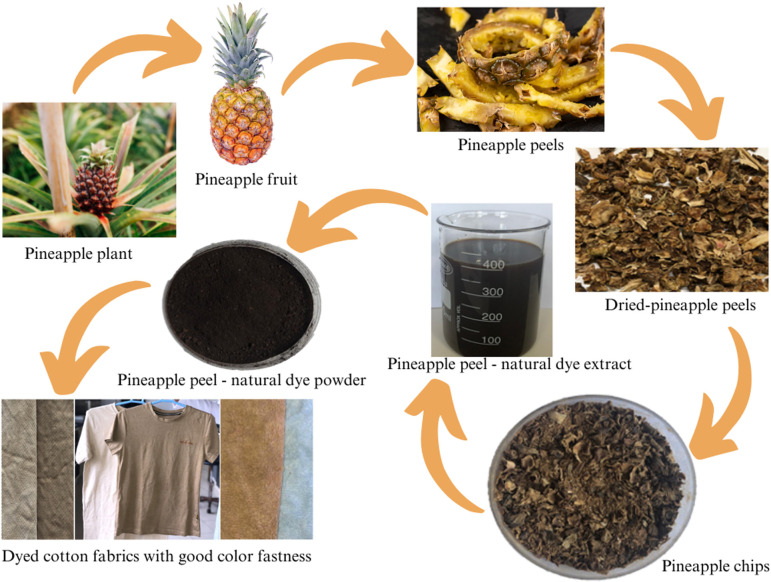 Figure 1
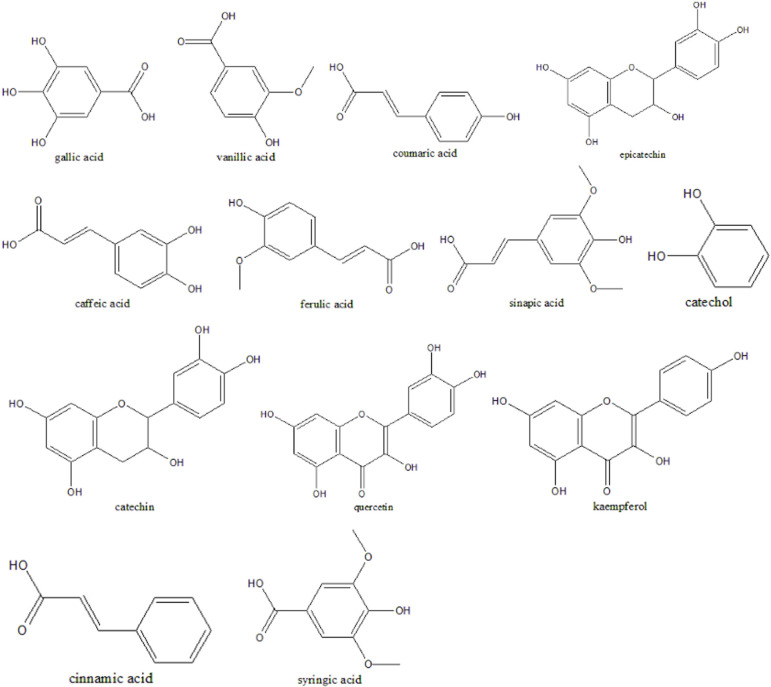 Figure 2
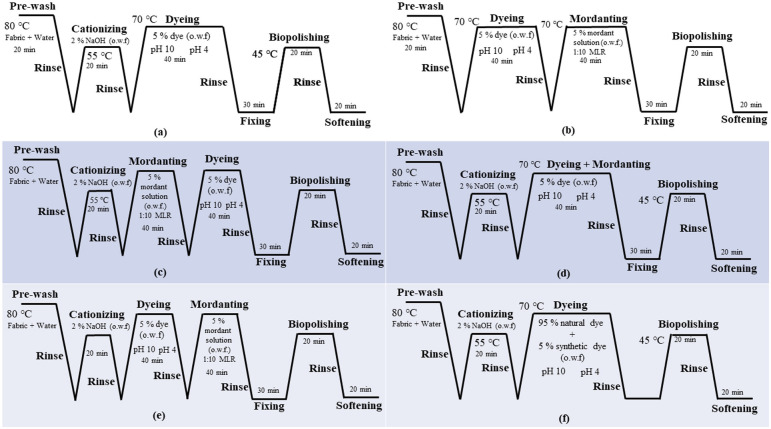 Figure 3
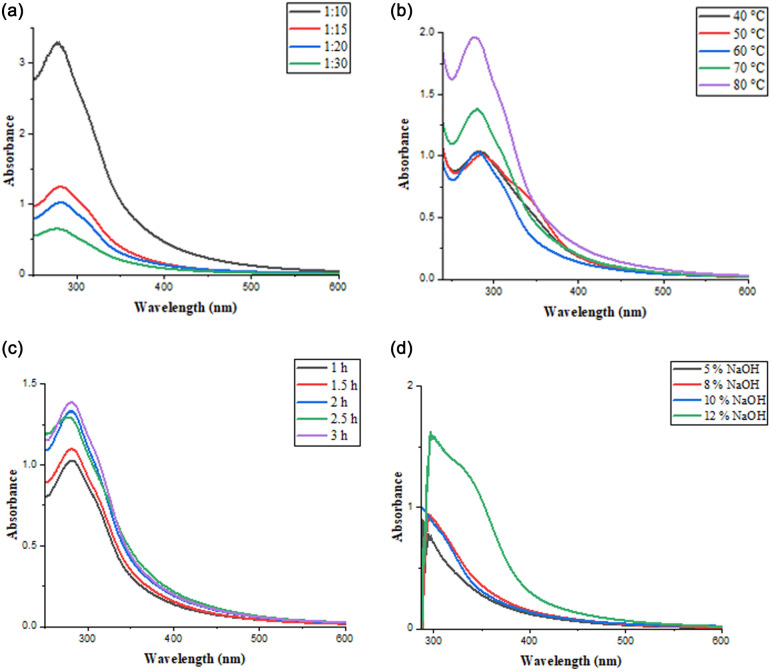 Figure 4
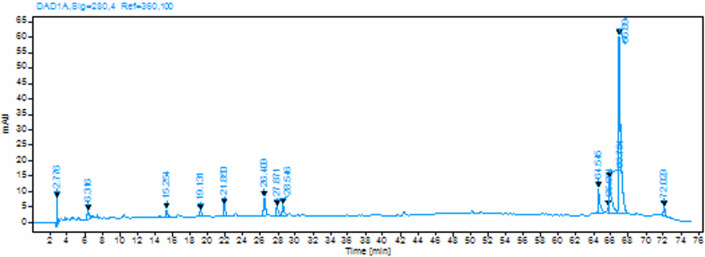 Figure 5
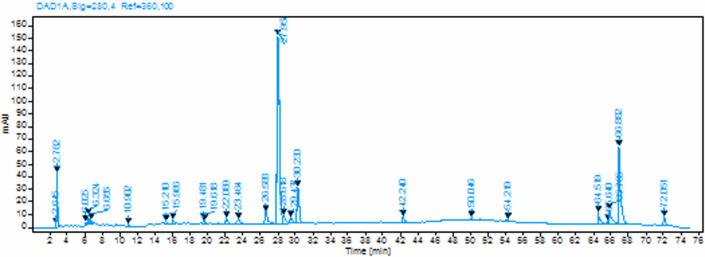 Figure 6
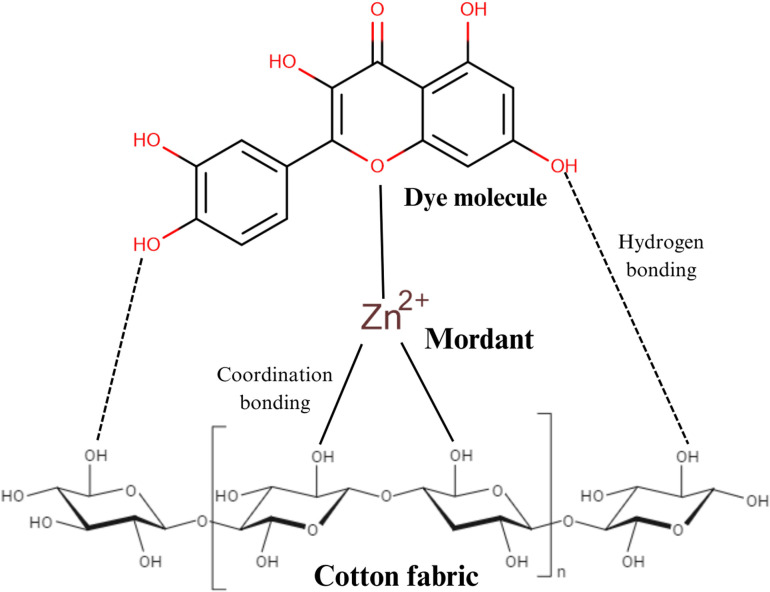 Figure 7
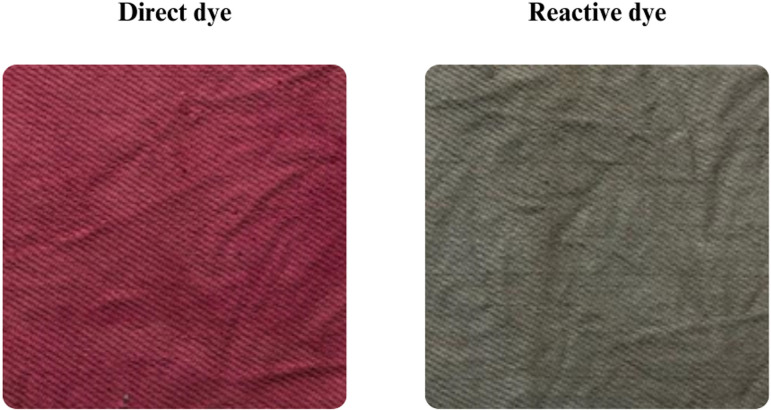 Figure 8
 Figure 9
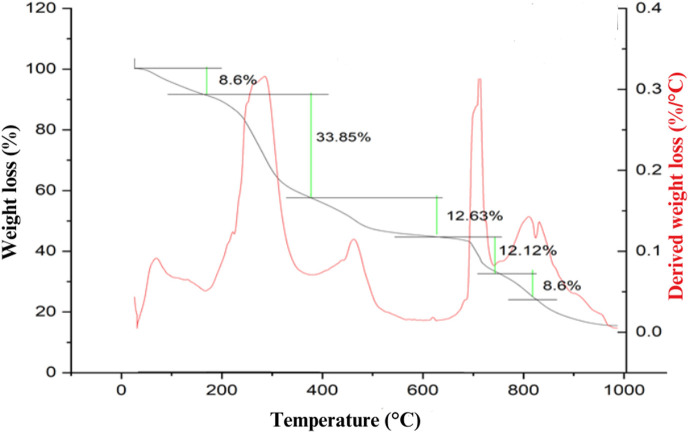 Figure 10
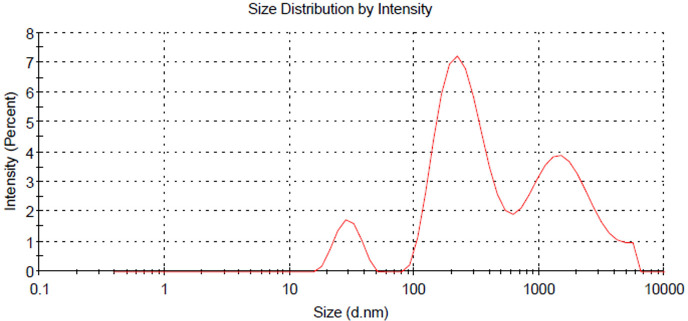 Figure 11
 Figure 12
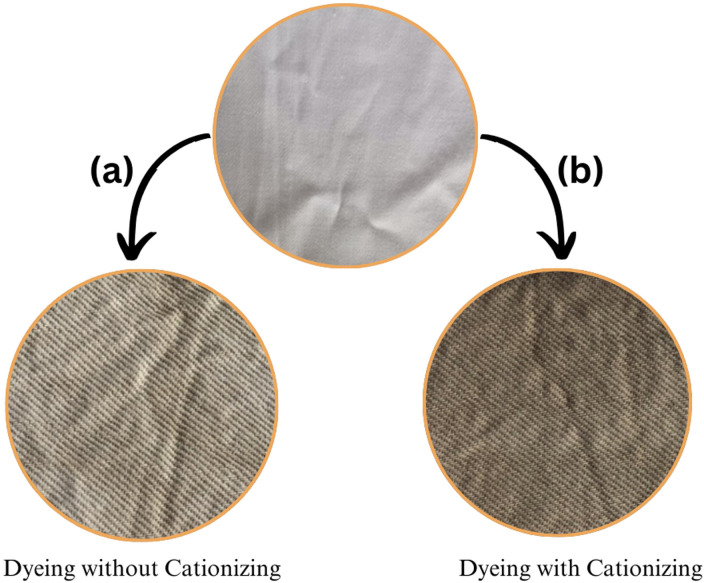 Figure 13
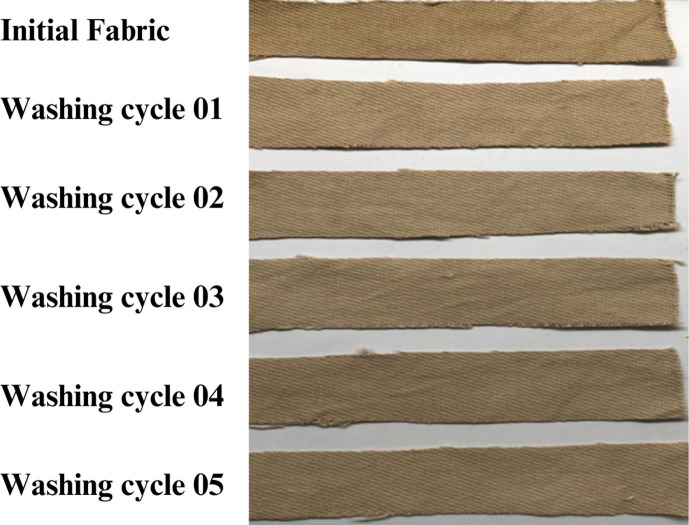 Figure 14
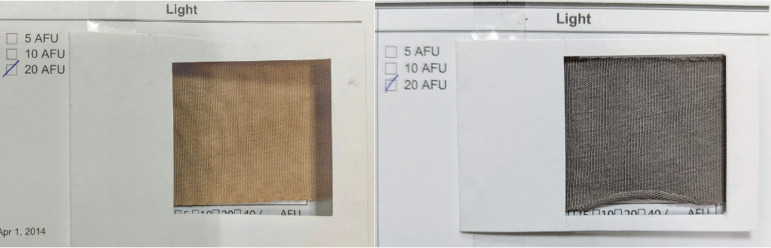 Figure 15
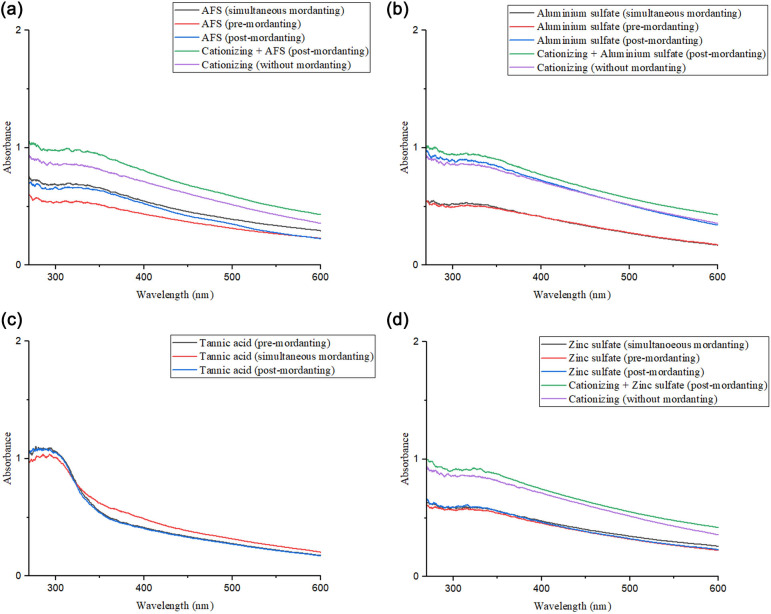 Figure 16
 Figure 17
 Figure 18
 Figure 19
 Figure 20
 Figure 21
 Figure 22
 Figure 23
 Figure 24
 Figure 25
 Figure 26
 Figure 27
 Figure 28
 Figure 29
 Figure 30
 Figure 31
 Figure 32
 Figure 33
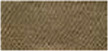 Figure 34
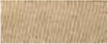 Figure 35
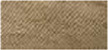 Figure 36
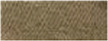 Figure 37
Peer Reviews
No public reviews on file for this paper yet. If you reviewed it on a platform where reviews are public (OpenReview, ICLR, NeurIPS, ICML), you can paste yours below so the community can read it here.
Videos
No videos yet. Explain this paper in a talk, walkthrough, or lecture? Add one.
Taxonomy
TopicsDyeing and Modifying Textile Fibers · Adsorption and biosorption for pollutant removal · Pineapple and bromelain studies