Haplodiploidy accelerates mitogenome evolution in insects
Avas Pakrashi, Ken A. Thompson, Paul D. N. Hebert

TL;DR
This study shows that haplodiploid insects have faster mitogenome evolution compared to diplodiploid insects, possibly due to differences in how mutations are selected.
Contribution
The study demonstrates that haplodiploidy accelerates mitogenome evolution in insects through higher amino acid substitution and indel rates.
Findings
Haplodiploid lineages show 1.7× higher amino acid substitution rates than diplodiploid lineages.
Haplodiploid lineages have 3.5× higher Ka/Ks ratios and more indels compared to diplodiploid lineages.
The study suggests that haplodiploidy may facilitate positive selection for mitochondrial mutations.
Abstract
Rates of mitogenome evolution differ among animal lineages, and this variation has been linked to life history, to ecological traits and—potentially—to the sex-determination system. Insects are a compelling model for examining the latter factor because haplodiploid (HD) has evolved on multiple occasions from a diplodiploid (DD) ancestral state. We tested for rate differences between DD and HD taxa by examining sequence change in a sentinel segment of the mitogenome, the 658 bp barcode region of the cytochrome c oxidase subunit I (COI) gene. Specifically, we investigated if amino acid substitutions and indels are more frequent in HD than DD lineages by inspecting COI sequences from over 86 000 BINs (a species proxy) representing 783 insect families and 26 orders. Among them, 10 lineages, varying in rank from tribe to order, are HD. Our analysis, which accounts for phylogeny, indicates…
Genes, proteins, chemicals, diseases, species, mutations and cell lines named across the full text — each resolved to its canonical identifier and authoritative record.
Click any figure to enlarge with its caption.
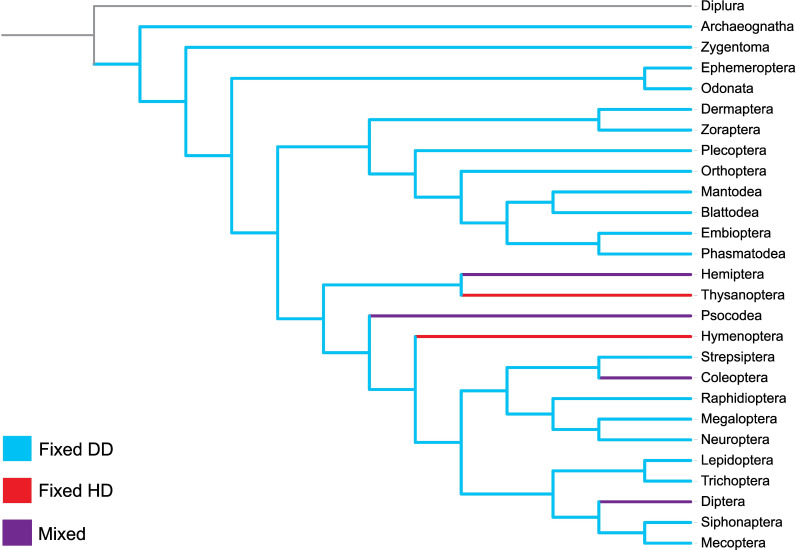 Figure 1
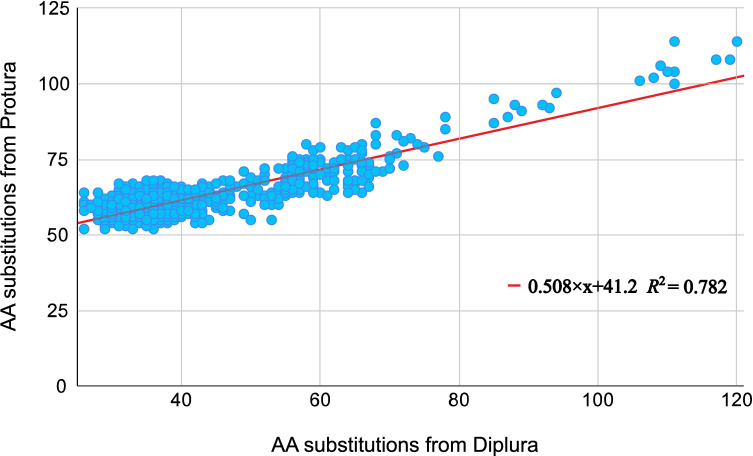 Figure 2
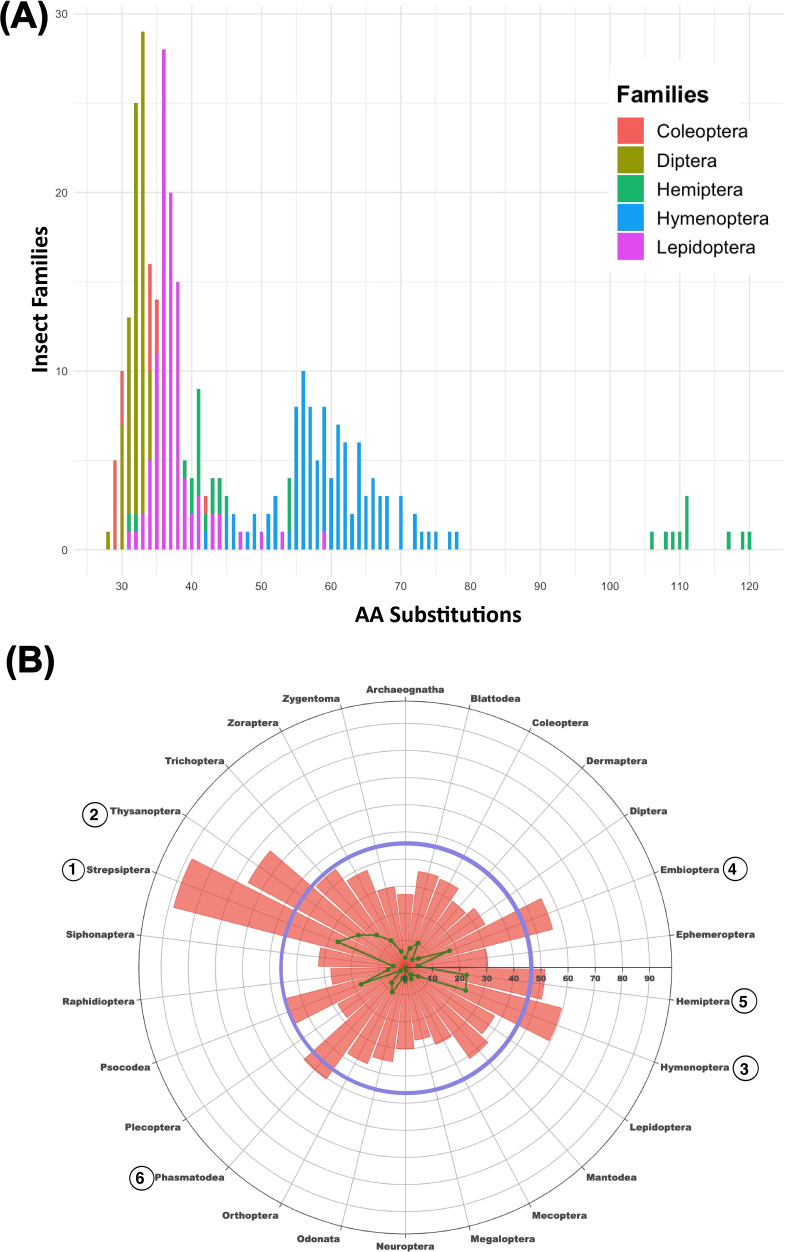 Figure 3
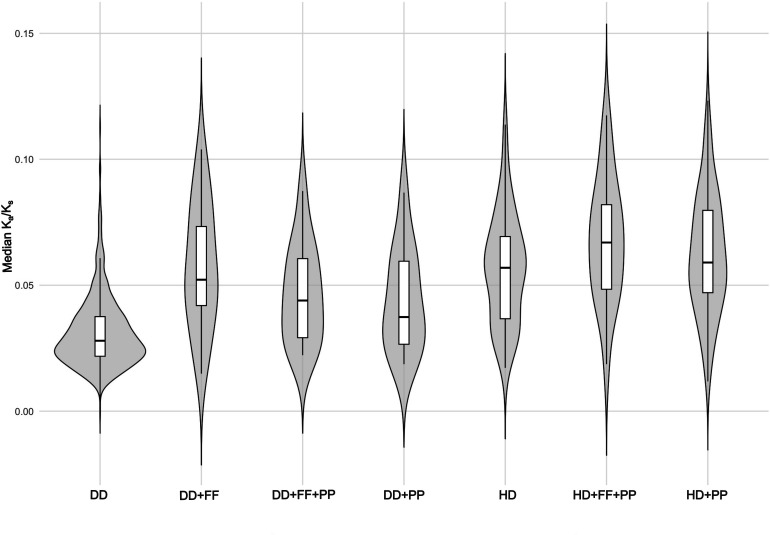 Figure 4
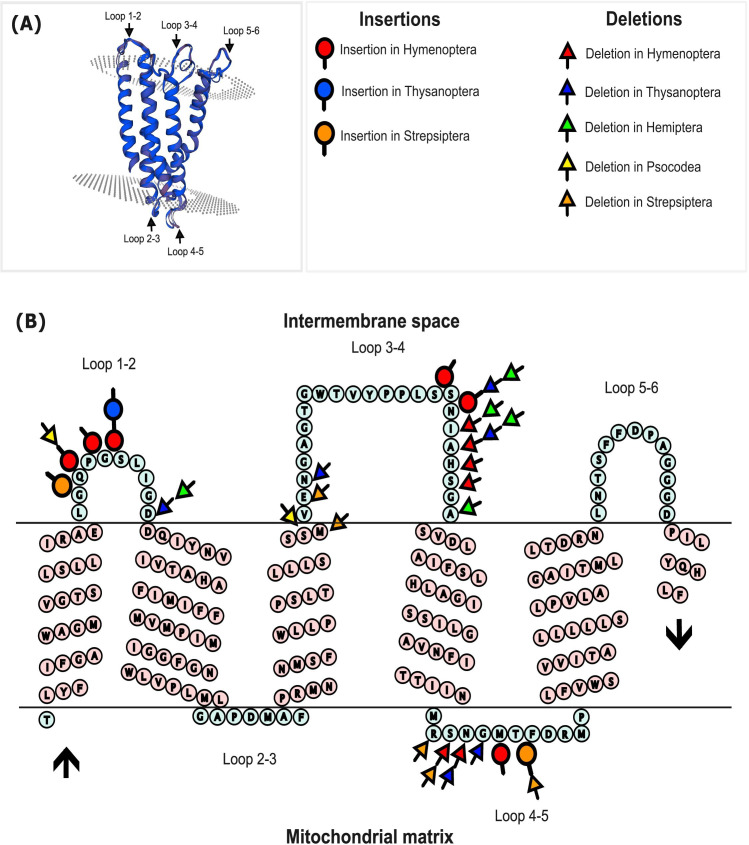 Figure 5
Peer Reviews
No public reviews on file for this paper yet. If you reviewed it on a platform where reviews are public (OpenReview, ICLR, NeurIPS, ICML), you can paste yours below so the community can read it here.
Videos
No videos yet. Explain this paper in a talk, walkthrough, or lecture? Add one.
Taxonomy
TopicsGenomics and Phylogenetic Studies · Chromosomal and Genetic Variations · Evolution and Genetic Dynamics