Kufor–Rakeb Syndrome in a Guatemalan Patient With an ATP13A2 Gene Pathogenic Variant: A Case Report
Rebeca Méndez-Veras, Allan Urbizo, Julio Cabrera, Suzette Boburg

TL;DR
A young Guatemalan woman with Parkinson's-like symptoms was found to have Kufor–Rakeb syndrome due to a genetic mutation in ATP13A2.
Contribution
This is the first documented case of Kufor–Rakeb syndrome in a Guatemalan patient.
Findings
A homozygous pathogenic variant in the ATP13A2 gene was identified in the patient.
The case highlights the importance of genetic testing for diagnosing rare neurodegenerative conditions in diverse populations.
Abstract
Parkinson's disease (PD) is a neurodegenerative condition characterized by progressive loss of dopaminergic neurons and by heterogeneous etiologies and clinical manifestations. Juvenile‐onset forms are rare and can be caused by biallelic mutations in several genes. Kufor–Rakeb syndrome (KRS) is an autosomal-recessive form of early-onset parkinsonism caused by pathogenic variants in the ATP13A2 (PARK9) gene. This P5B-ATPase dysfunction impairs lysosomal processing, leading to the accumulation of α-synuclein. Here, we present the first documented Guatemalan case of KRS, a young woman with progressive motor and cognitive decline. Genetic testing identified a homozygous pathogenic variant in ATP13A2. This report underscores the importance of recognizing KRS in diverse populations and of using gene-based testing to guide diagnosis, counseling, and multidisciplinary supportive care.
Genes, proteins, chemicals, diseases, species, mutations and cell lines named across the full text — each resolved to its canonical identifier and authoritative record.
Click any figure to enlarge with its caption.
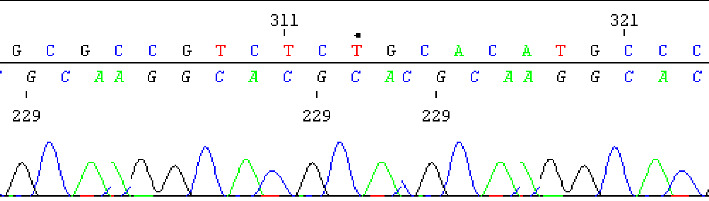 Figure 1
Peer Reviews
No public reviews on file for this paper yet. If you reviewed it on a platform where reviews are public (OpenReview, ICLR, NeurIPS, ICML), you can paste yours below so the community can read it here.
Videos
No videos yet. Explain this paper in a talk, walkthrough, or lecture? Add one.
Taxonomy
TopicsParkinson's Disease Mechanisms and Treatments · Signaling Pathways in Disease · Nuclear Receptors and Signaling