Bioremediation of acetamiprid and sulfoxaflor co-contamination by Ensifer sp. DA6 and characterization of a novel nitrile hydratase involved
Wenlong Yang, Jia Kang, Yahui Shao, Yun Geng, Yingxin Zhang, Renlu Liu, Gao Chen

TL;DR
A new bacterium, Ensifer sp. DA6, can break down two harmful pesticides, acetamiprid and sulfoxaflor, offering a potential solution for environmental cleanup.
Contribution
This study is the first to report microbial co-degradation of acetamiprid and sulfoxaflor and identifies a novel nitrile hydratase enzyme involved.
Findings
Ensifer sp. DA6 degrades acetamiprid to IM-1-2 and sulfoxaflor to X11719474.
The nitrile hydratase enzyme from DA6 is cobalt-dependent and has a predicted active site.
Both the recombinant E. coli and purified enzyme showed degradation ability in water samples.
Abstract
The co-contamination of acetamiprid (ACE) and sulfoxaflor (SUL) threatens ecosystem security, yet their microbial remediation remains unexplored. The bacterium Ensifer sp. DA6, which transforms ACE to IM-1-2 and SUL to X11719474, was isolated. Its genome was analyzed, and the nitrile hydratase (NHase) gene cluster was heterologously expressed in E. coli. The NHase was purified and modeled. Immobilized Ensifer sp. DA6 degraded ACE and SUL in Yellow River water. The recombinant E. coli and purified NHase both acquired ACE/SUL degradation ability. The NHase is a cobalt-containing enzyme with a and β subunits plus an accessory protein, and its active site was predicted. This is the first report on microbial co-degradation of ACE and SUL, identifying a novel NHase as the key enzyme, providing a potential bioremediation strategy. Diagram illustrating the application of ACE and SUL on…
Genes, proteins, chemicals, diseases, species, mutations and cell lines named across the full text — each resolved to its canonical identifier and authoritative record.
Click any figure to enlarge with its caption.
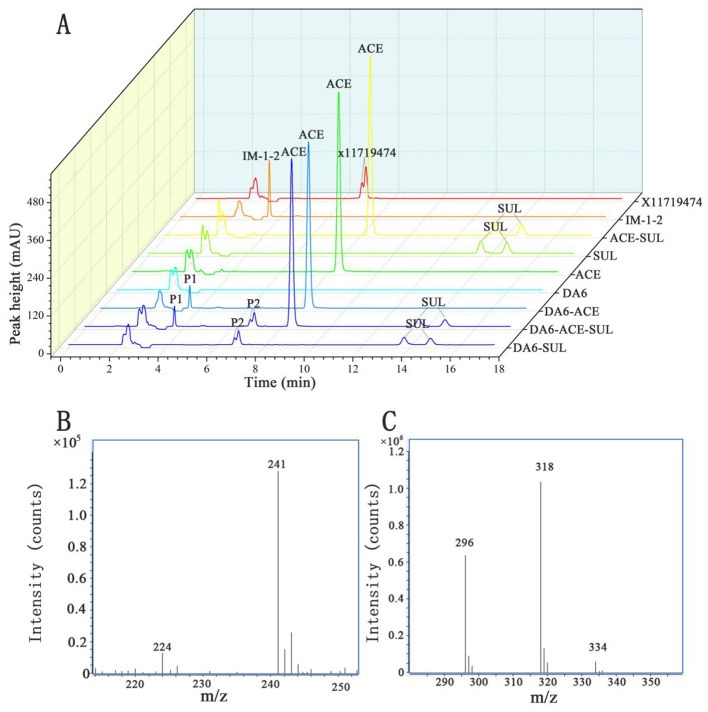 Figure 1
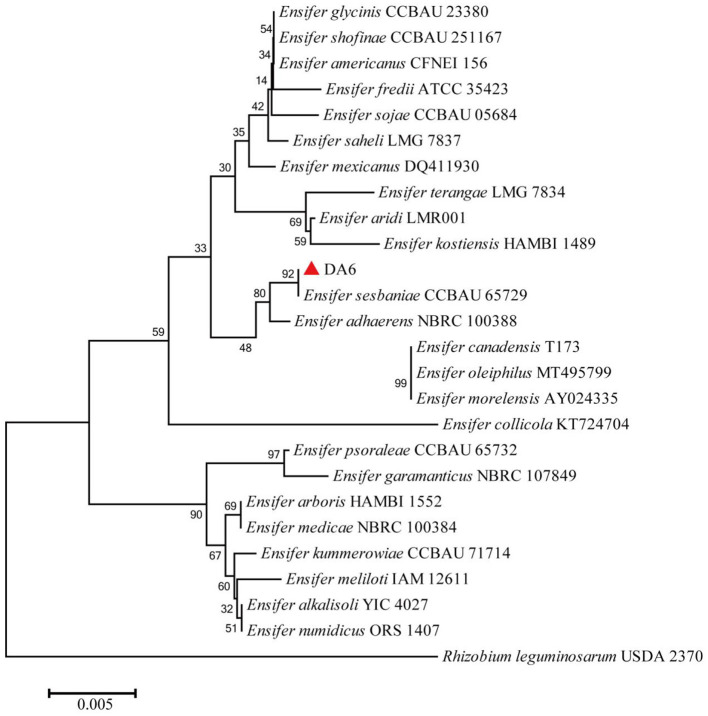 Figure 2
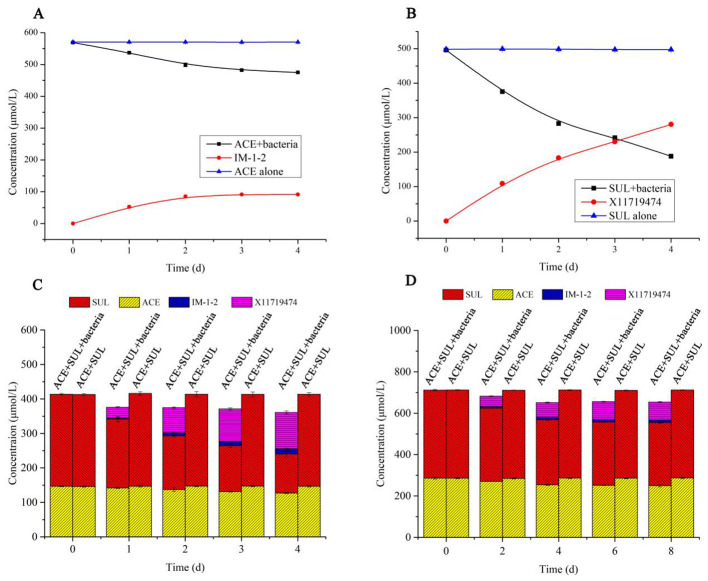 Figure 3
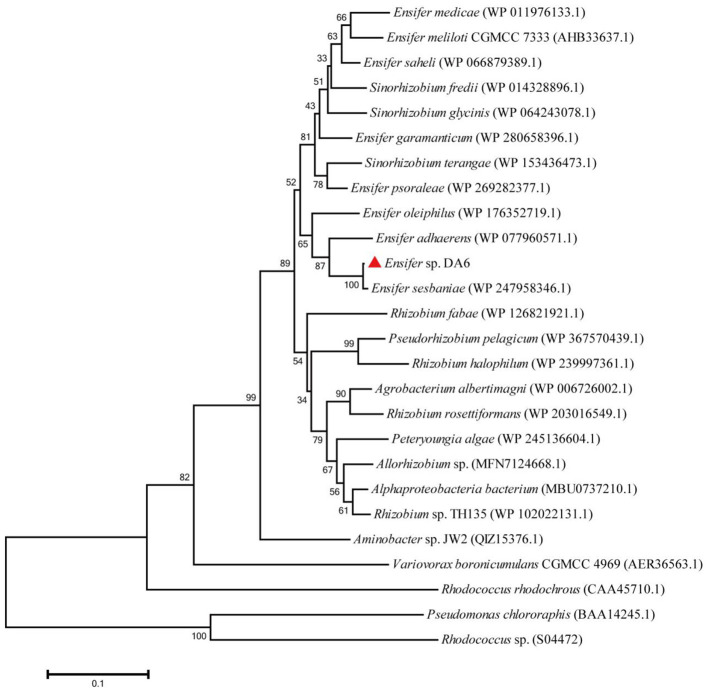 Figure 4
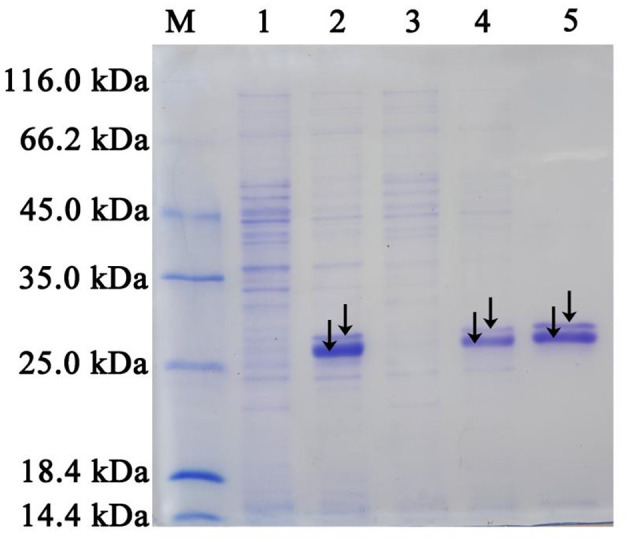 Figure 5
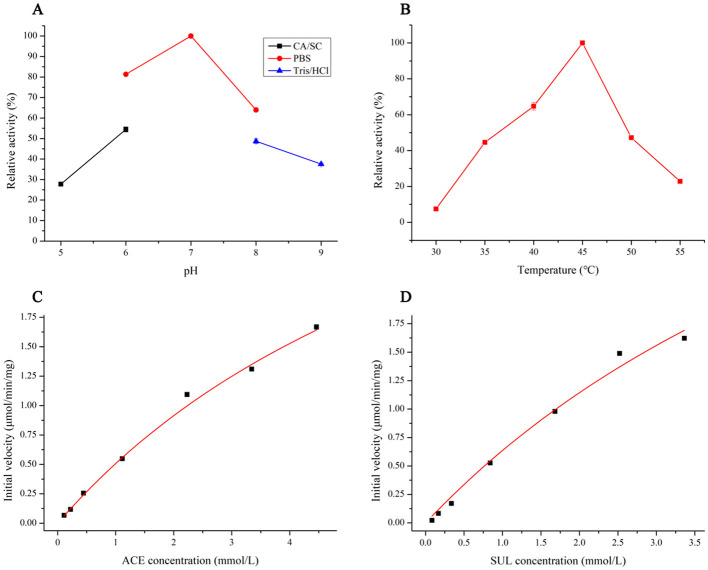 Figure 6
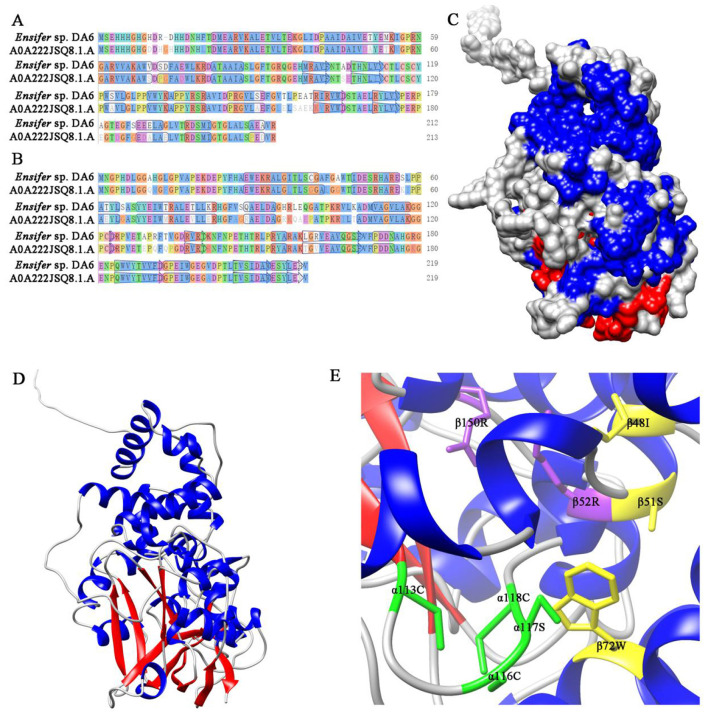 Figure 7
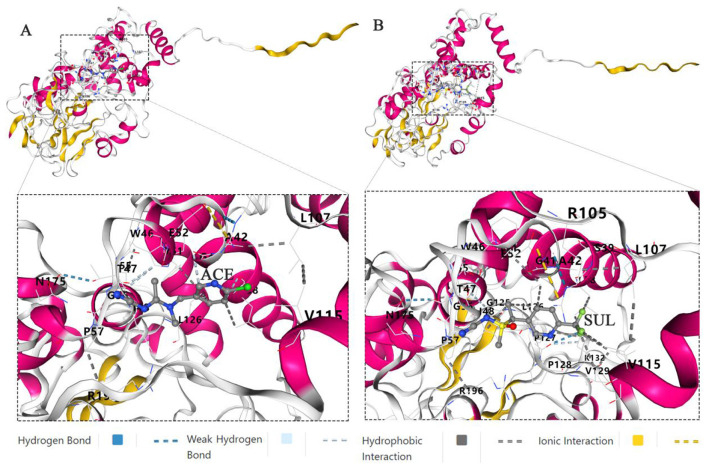 Figure 8
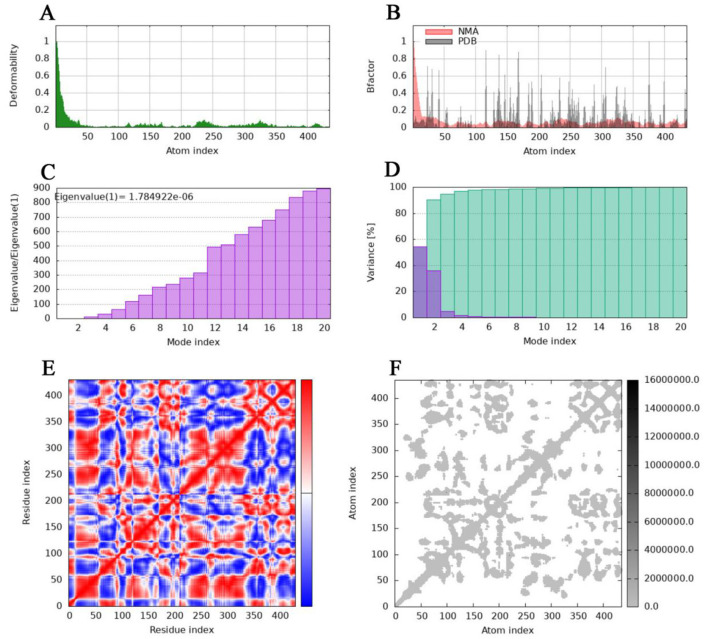 Figure 9
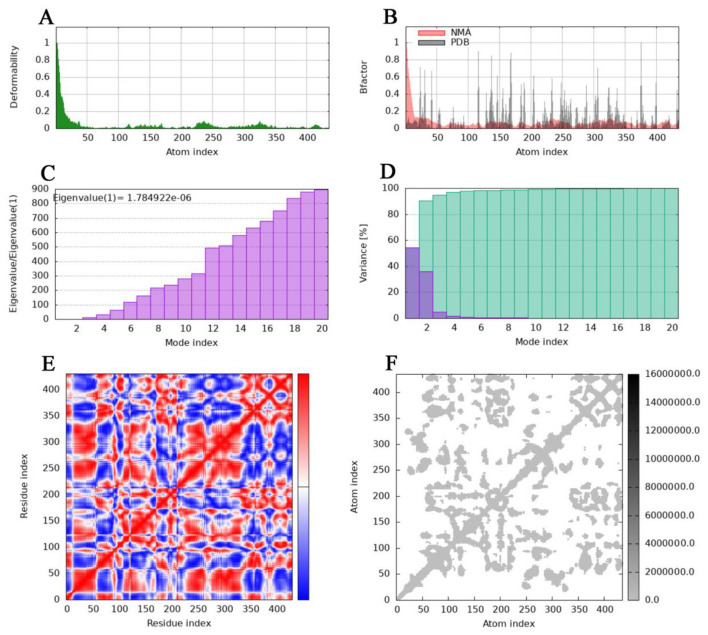 Figure 10
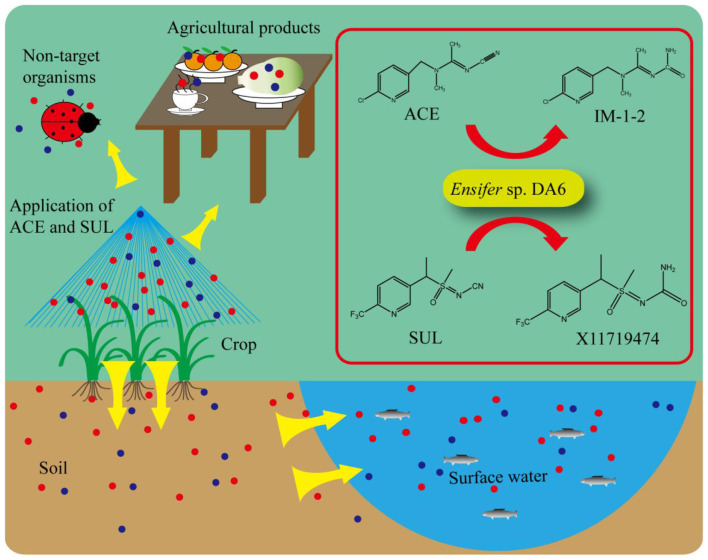 Figure 11
Peer Reviews
No public reviews on file for this paper yet. If you reviewed it on a platform where reviews are public (OpenReview, ICLR, NeurIPS, ICML), you can paste yours below so the community can read it here.
Videos
No videos yet. Explain this paper in a talk, walkthrough, or lecture? Add one.
Taxonomy
TopicsEnzyme Catalysis and Immobilization · Pesticide and Herbicide Environmental Studies · Enzyme-mediated dye degradation