CELF1 promotes aerobic glycolysis and an aggressive phenotype in ER-positive breast cancer via GLUT1 regulation
Jinyu Li, Ning Wang, Jianlei Bi, Meihua Guo, Bingbing Xu, Gena Huang

TL;DR
This study shows that the RNA-binding protein CELF1 promotes aggressive behavior in ER-positive breast cancer by regulating glucose uptake through GLUT1, suggesting a new therapeutic target.
Contribution
The study identifies CELF1 as a novel driver of glycolytic reprogramming and aggressive traits in ER-positive breast cancer via GLUT1 regulation.
Findings
CELF1 overexpression enhances glycolysis and tumor growth in ER-positive breast cancer cells.
CELF1 loss reduces proliferation, migration, and colony formation in breast cancer models.
GLUT1 is a key downstream target of CELF1 in regulating aerobic glycolysis.
Abstract
RNA-binding proteins (RBPs) shape post-transcriptional programs in cancer, yet subtype-specific roles in breast cancer remain unclear. We evaluated whether CUGBP Elav-like family member 1 (CELF1), an RBPs with prognostic relevance in luminal A (ER-positive) breast cancer, drives malignant phenotypes via glycolytic reprogramming through glucose transporter 1 (GLUT1). We surveyed 1,337 RBPs across TCGA to identify luminal A prognosis-related candidates using Cox models and random-forest ranking, then validated CELF1 biologically. Functional assays combined CELF1 knockdown in ER-positive cells (MCF7, T47D) and overexpression in HER2-positive cells (SKBR3, HCC1954), RNA-seq with differential expression and GSEA, qPCR,western blot, migration, colony assays, IHC in clinical tissues, and a nude-mouse xenograft with the GLUT1 inhibitor BAY-876. Cox and random-forest analyses prioritized CELF1…
Genes, proteins, chemicals, diseases, species, mutations and cell lines named across the full text — each resolved to its canonical identifier and authoritative record.
Click any figure to enlarge with its caption.
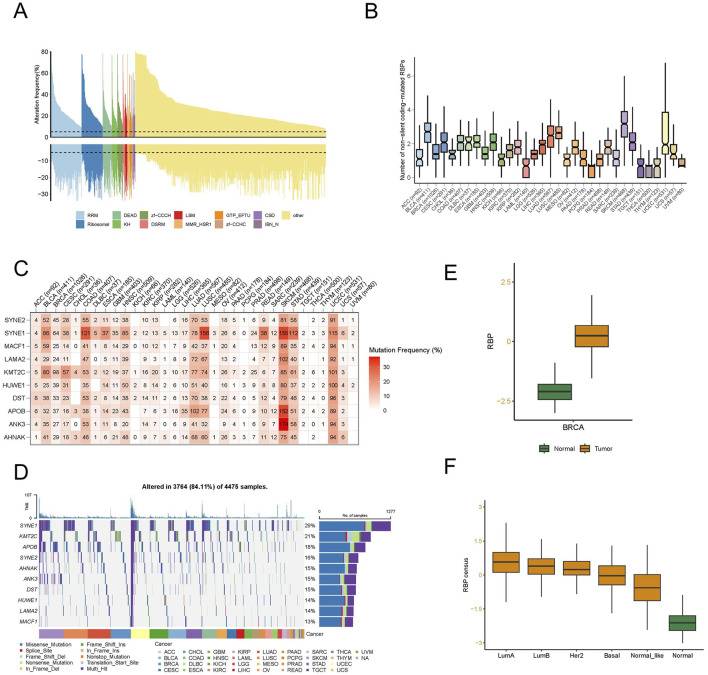 Figure 1
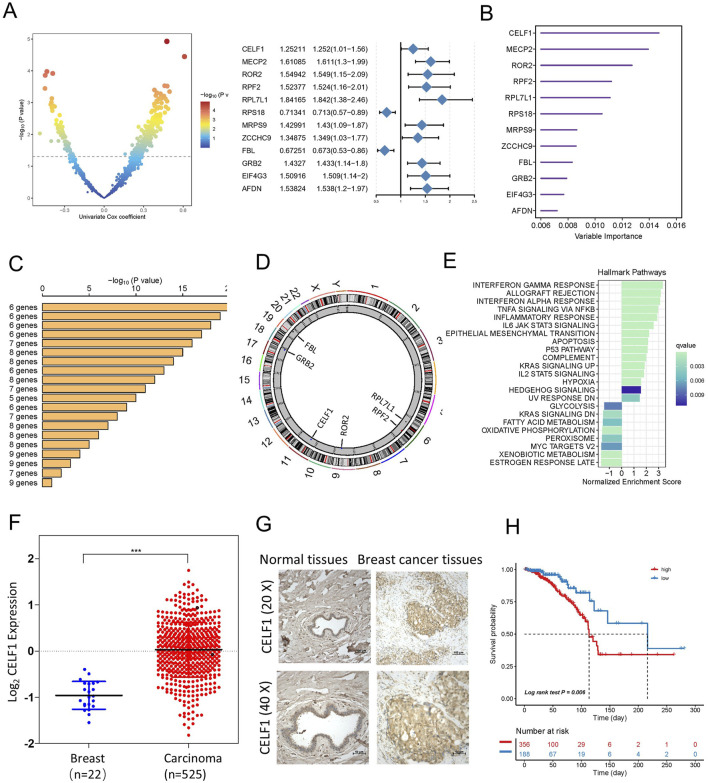 Figure 2
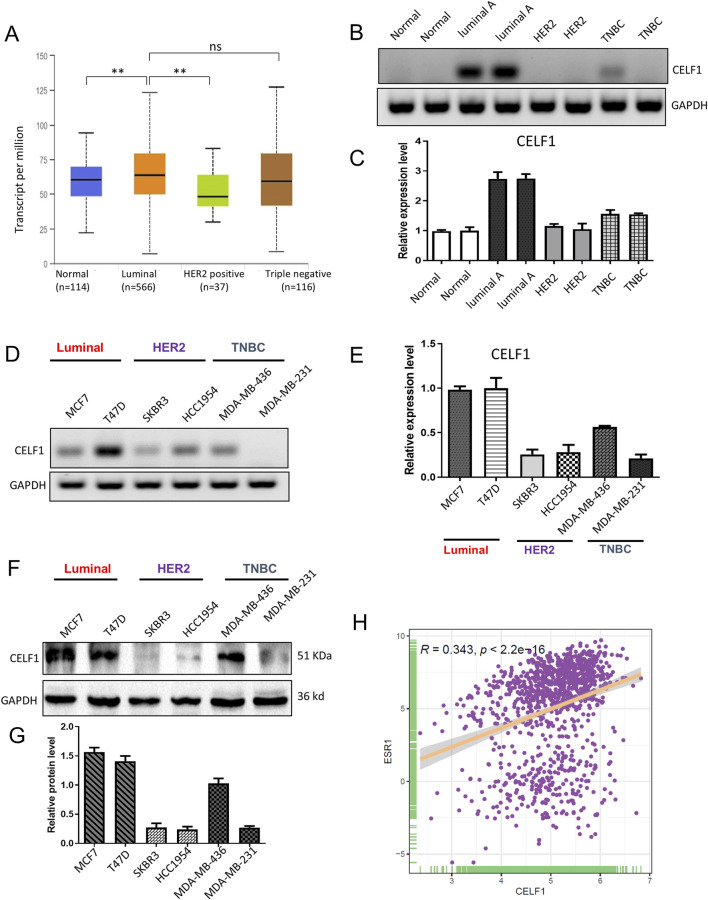 Figure 3
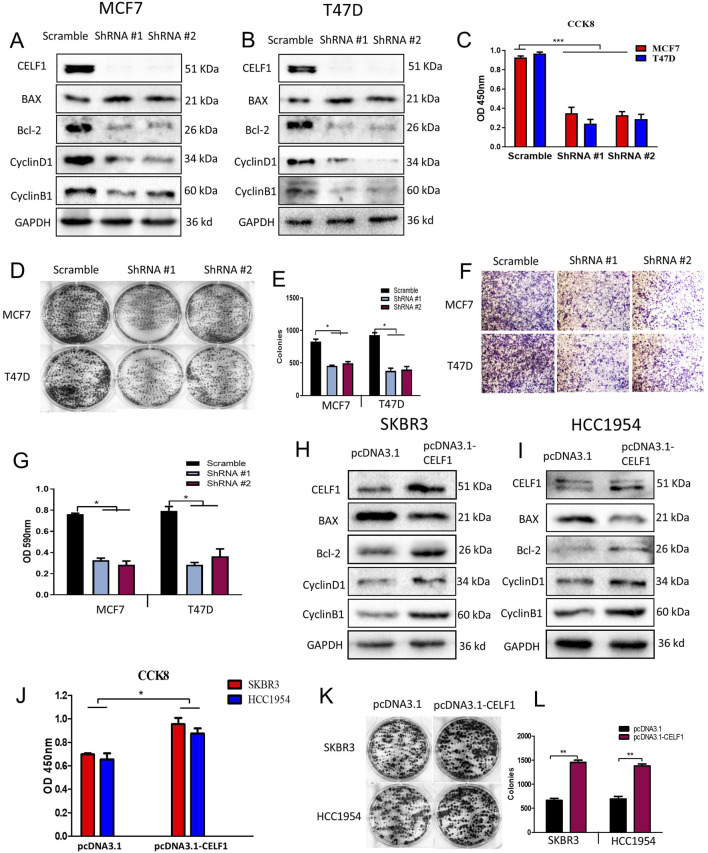 Figure 4
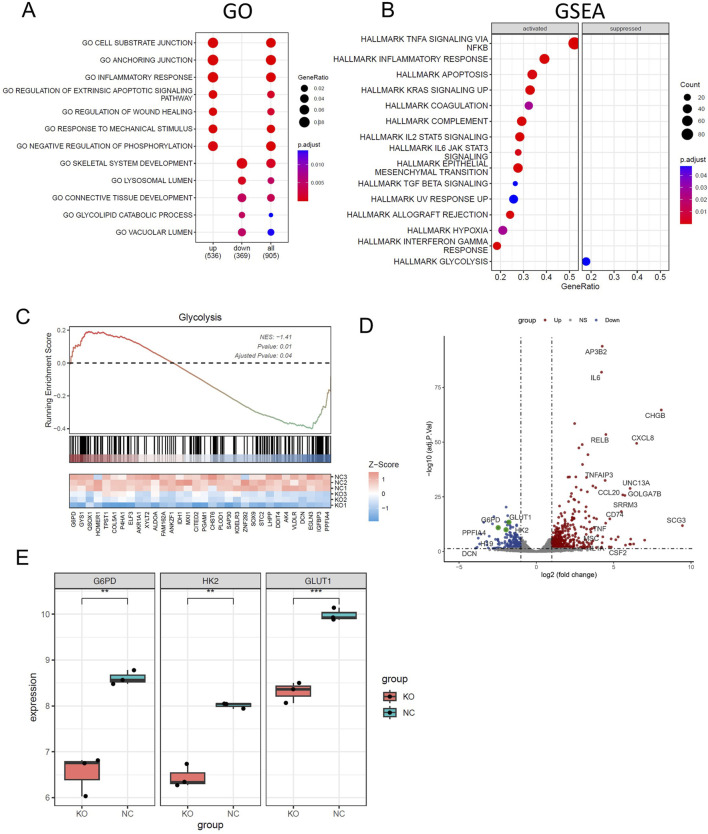 Figure 5
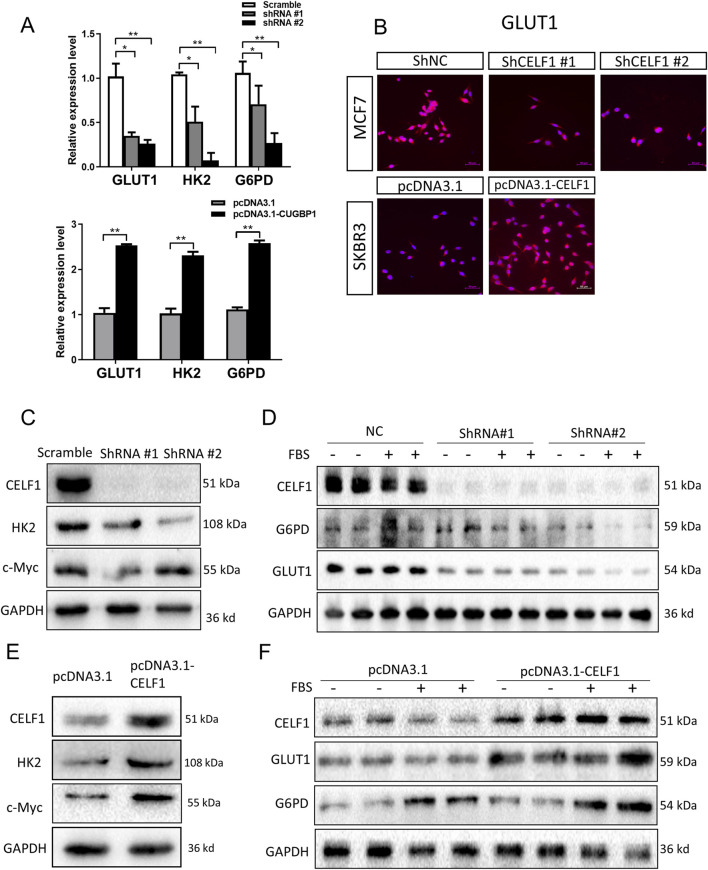 Figure 6
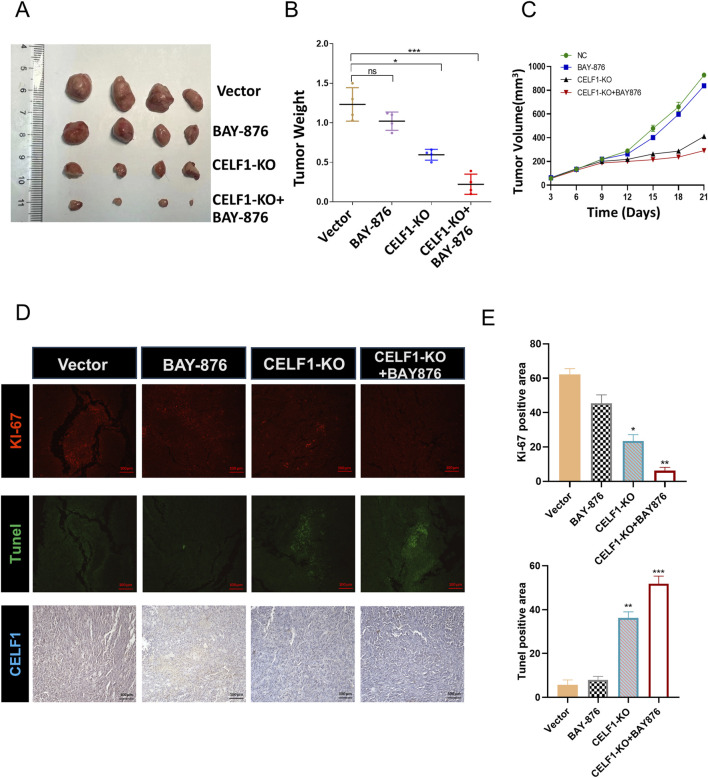 Figure 7
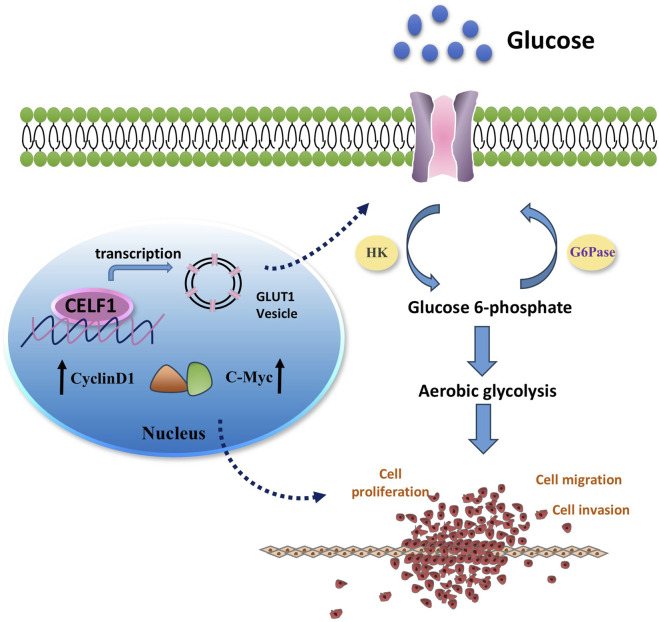 Figure 8
Peer Reviews
No public reviews on file for this paper yet. If you reviewed it on a platform where reviews are public (OpenReview, ICLR, NeurIPS, ICML), you can paste yours below so the community can read it here.
Videos
No videos yet. Explain this paper in a talk, walkthrough, or lecture? Add one.
Taxonomy
TopicsCancer, Hypoxia, and Metabolism · Metabolism, Diabetes, and Cancer · Glycosylation and Glycoproteins Research