ATG-3 limits Orsay virus infection in C. elegans and regulates collagen pathways
Gowri Kalugotla, Vivien Marmerstein, Lawrence A. Schriefer, Leran Wang, Stephanie A. Morrison, Luis Casorla Perez, Gary A. Silverman, Tim Schedl, Stephen C. Pak, Megan T. Baldridge

TL;DR
This study shows that ATG-3, a protein involved in autophagy, helps protect C. elegans from Orsay virus and influences collagen pathways important for antiviral defense.
Contribution
The study reveals a novel antiviral role of ATG-3 in C. elegans that is independent of its role in autophagy and connects it to collagen pathways.
Findings
ATG-3 limits Orsay virus infection at a post-entry step, independent of autophagic flux.
ATG-3 mutants show similar viral susceptibility to RNAi mutants but do not have RNAi defects.
ATG-3 influences collagen gene expression, including antiviral sqt-2, suggesting a role in antiviral collagen pathways.
Abstract
Autophagy is an essential cellular process which functions to maintain homeostasis in response to stressors such as starvation or infection. Here, we report that a subset of autophagy factors including ATG-3 play an antiviral role in Orsay virus infection of Caenorhabditis elegans. Orsay virus infection does not modulate autophagic flux, and re-feeding after starvation limits Orsay virus infection and blocks autophagic flux, suggesting that the role of ATG-3 in Orsay virus susceptibility is independent of its role in maintaining autophagic flux. atg-3 mutants phenocopy rde-1 mutants, which have a defect in RNA interference (RNAi), in susceptibility to Orsay virus infection and transcriptional response to infection. However, atg-3 mutants do not exhibit defects in RNAi. Additionally, ATG-3 limits viral infection at a post-entry step, similar to RDE-1. Differential expression analysis…
Genes, proteins, chemicals, diseases, species, mutations and cell lines named across the full text — each resolved to its canonical identifier and authoritative record.
Click any figure to enlarge with its caption.
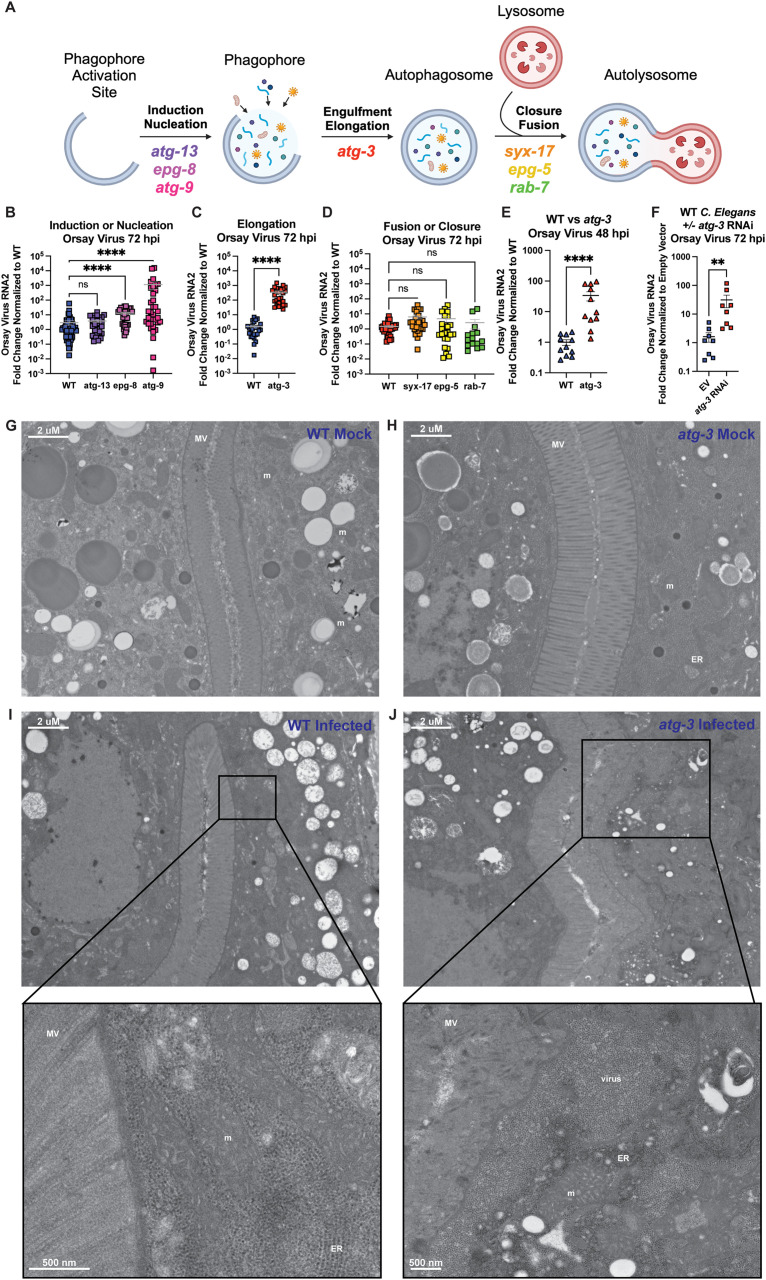 Figure 1
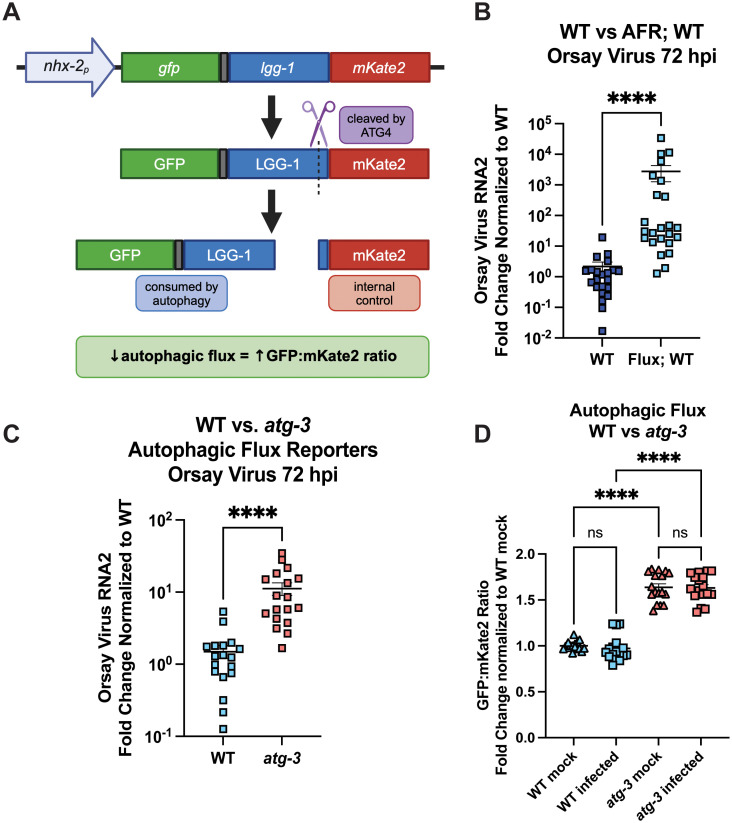 Figure 2
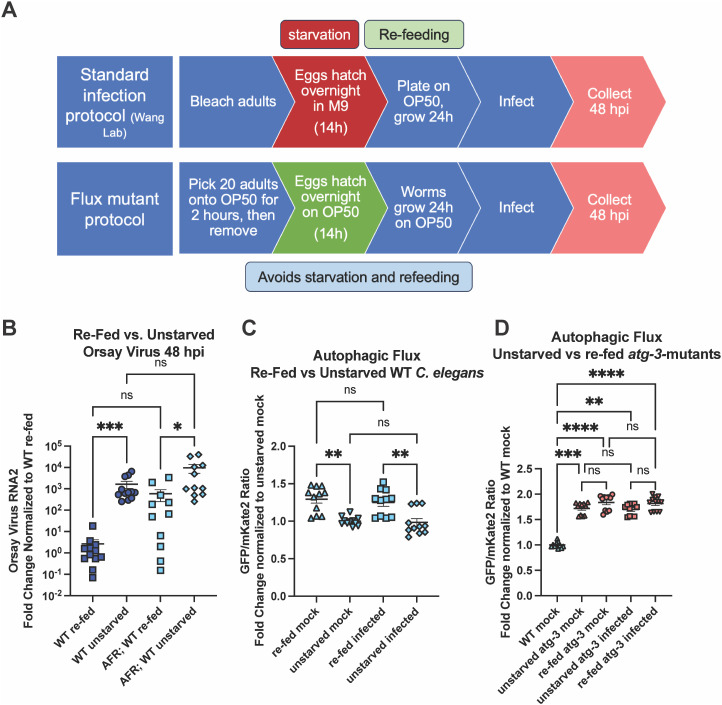 Figure 3
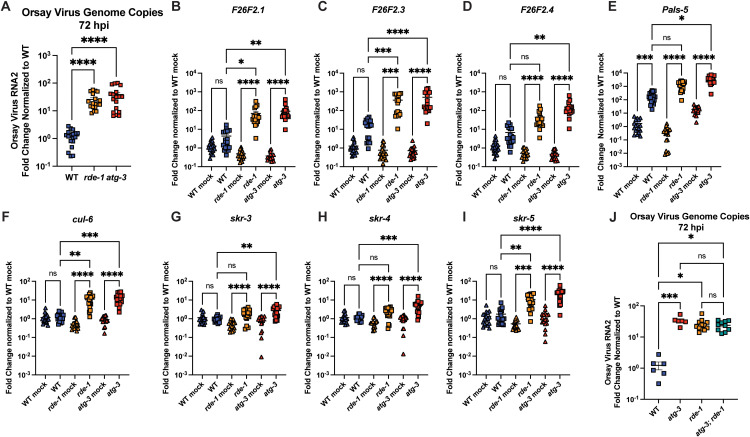 Figure 4
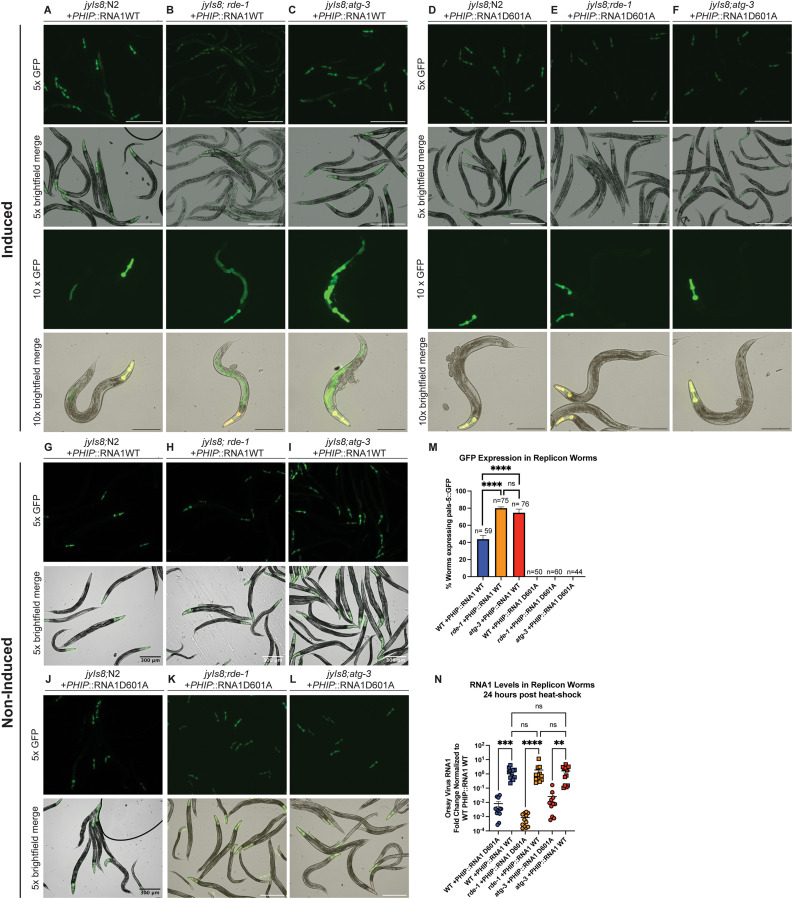 Figure 5
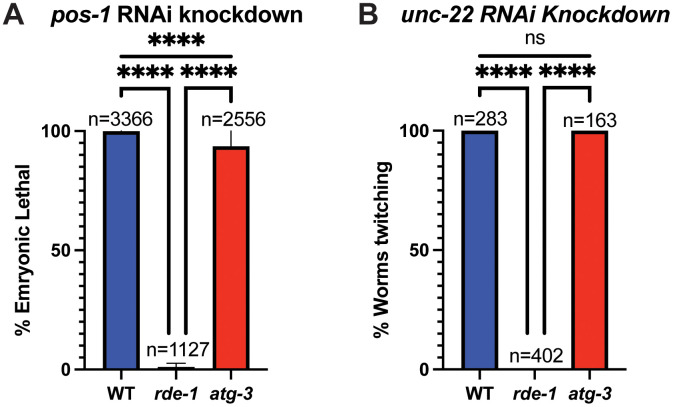 Figure 6
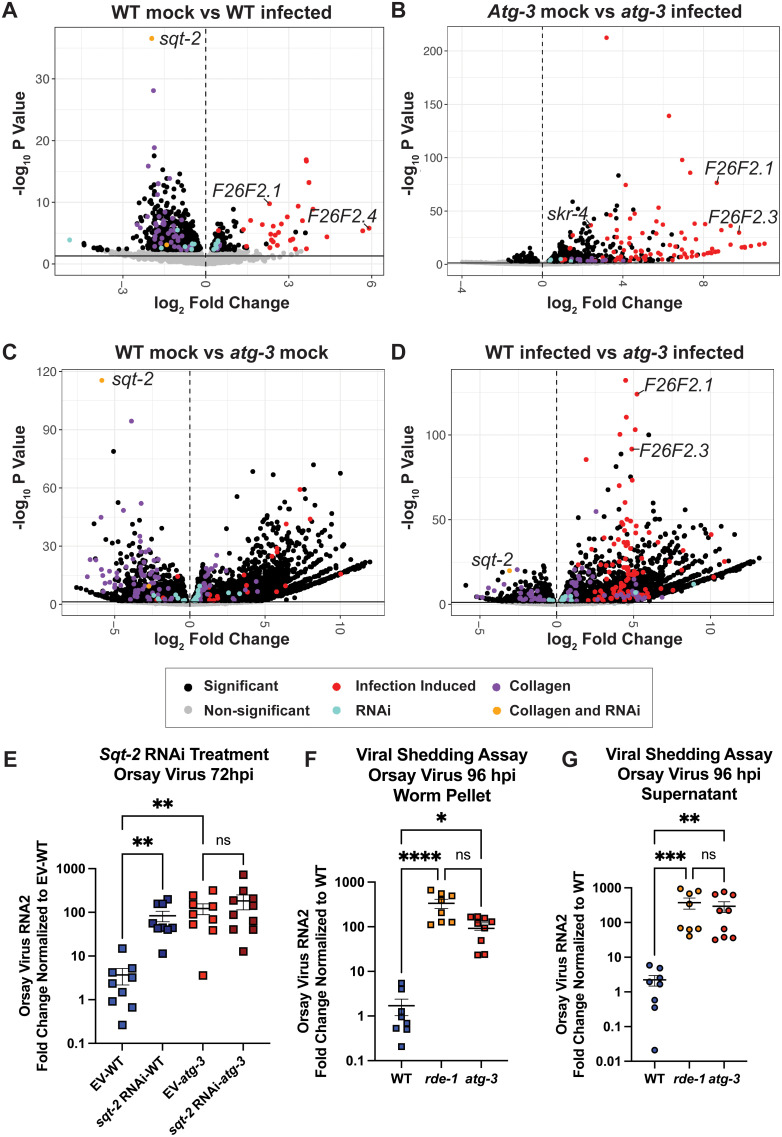 Figure 7
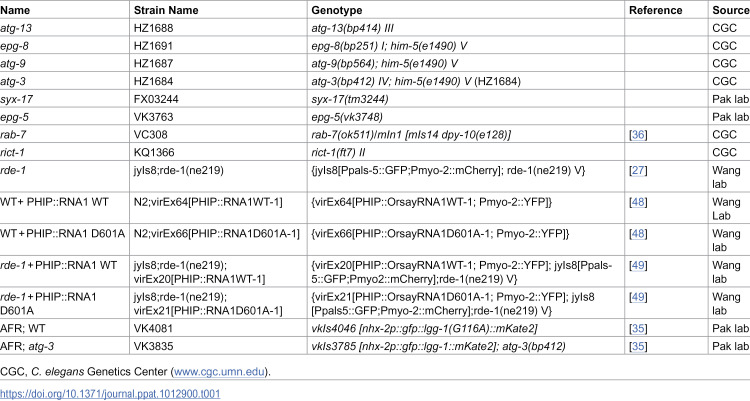 Figure 8
Peer Reviews
No public reviews on file for this paper yet. If you reviewed it on a platform where reviews are public (OpenReview, ICLR, NeurIPS, ICML), you can paste yours below so the community can read it here.
Videos
No videos yet. Explain this paper in a talk, walkthrough, or lecture? Add one.
Taxonomy
TopicsAutophagy in Disease and Therapy · Genetics, Aging, and Longevity in Model Organisms · Endoplasmic Reticulum Stress and Disease